

Italy Investigates NGO ‘Rescuing’ Migrants from Smuggler Boats
Frontex footage shows 90 migrants being transferred, in the Mediterranean Sea off Tripoli, from a vessel controlled by masked men to a ship of German NGO Sea-Watch.

Frontex footage shows 90 migrants being transferred, in the Mediterranean Sea off Tripoli, from a vessel controlled by masked men to a ship of German NGO Sea-Watch.
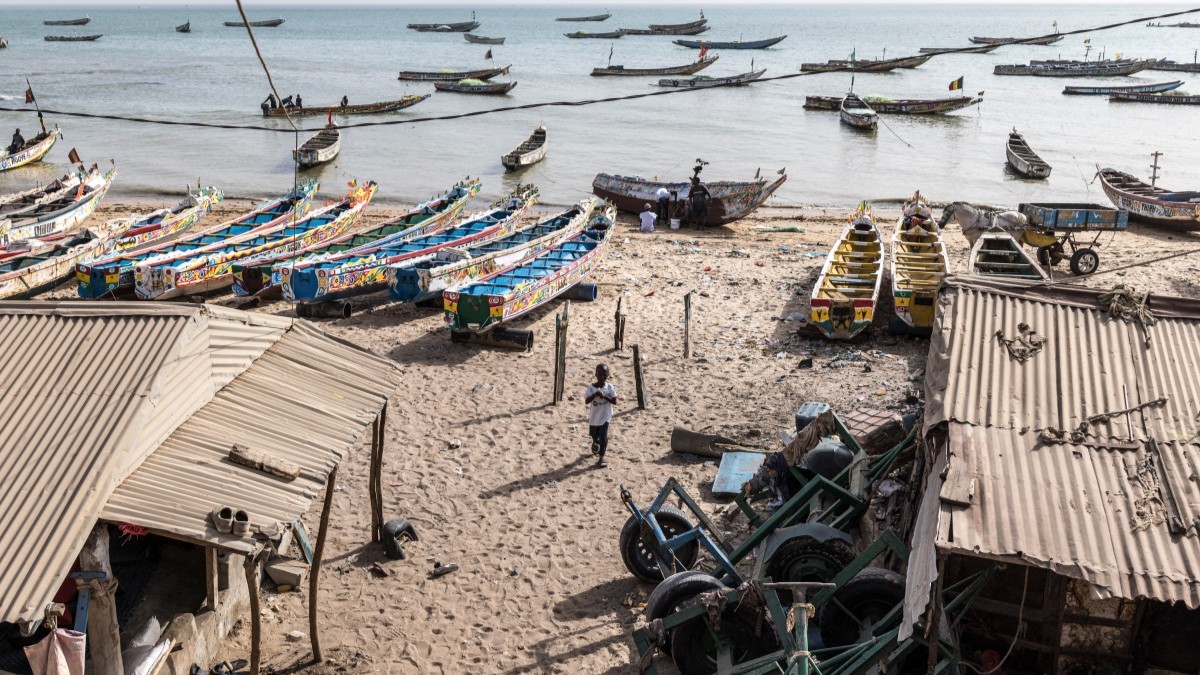
While Frontex reports a 40% fall in detected irregular crossings at EU borders, overall immigration continues unabated, with legal pathways expanding and smuggling networks rapidly shifting to new entry points.

Polish authorities warn that once hostilities subside, vast quantities of arms in Ukraine could fuel regional smuggling networks.
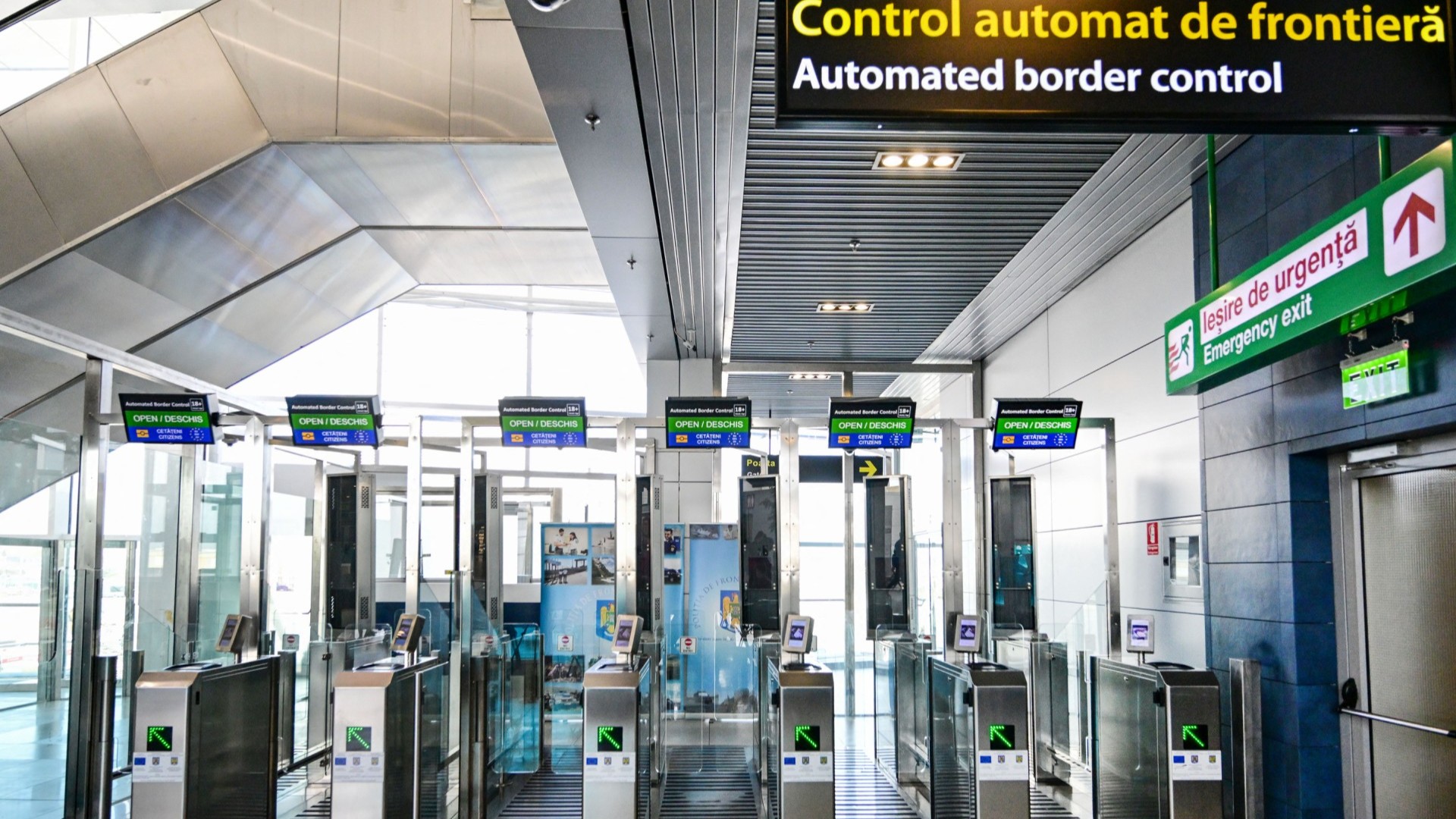
The new Entry/Exit System (EES) requires non-EU travellers to register fingerprints, a facial photograph and passport details when entering the Schengen Area.
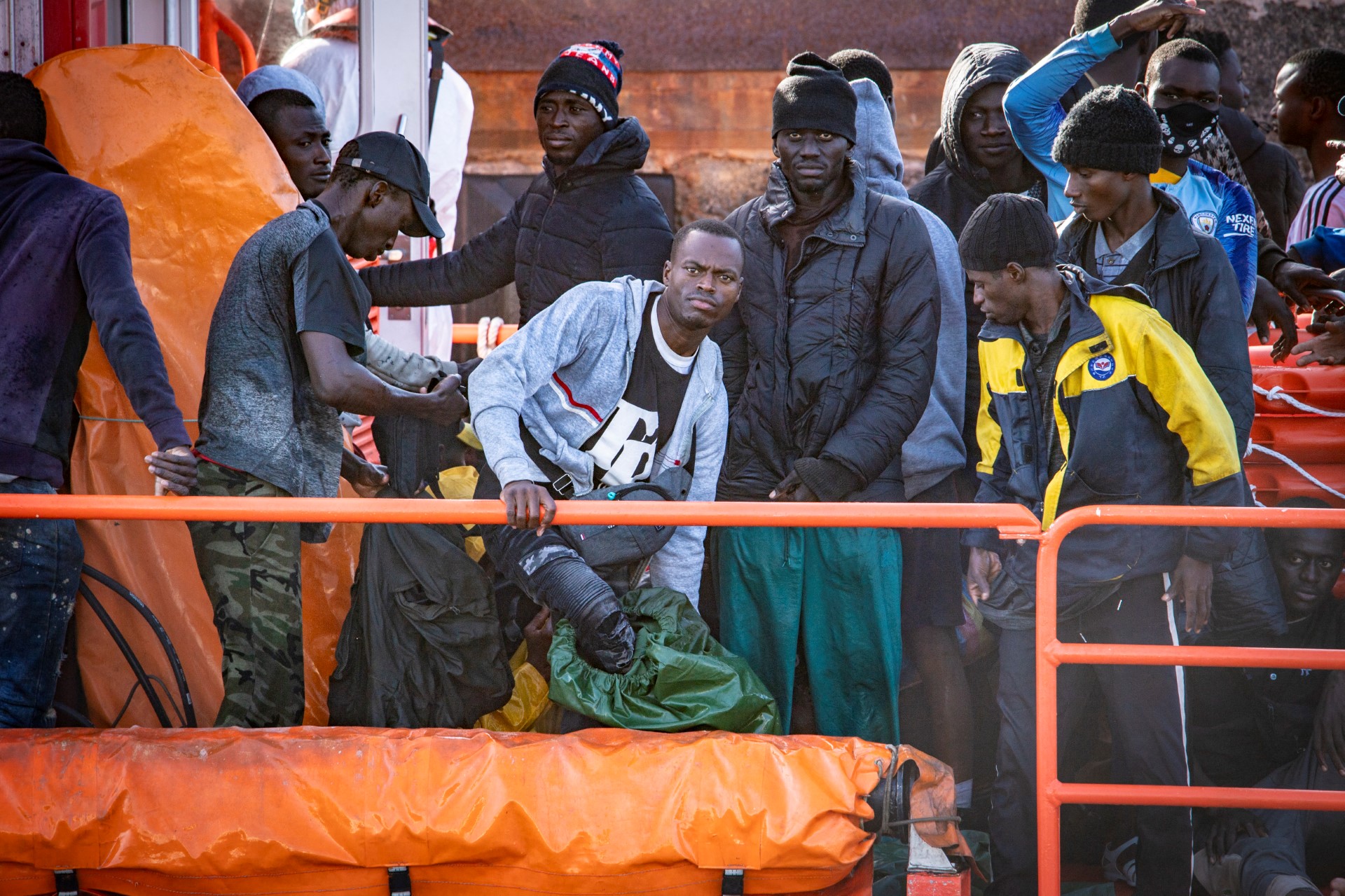
Despite a 25% drop in illegal crossings in 2025, departure numbers from Africa remain largely unchanged.

Authorities say smugglers are using the Belgian coastline increasingly—as tighter French controls push them toward alternative routes.
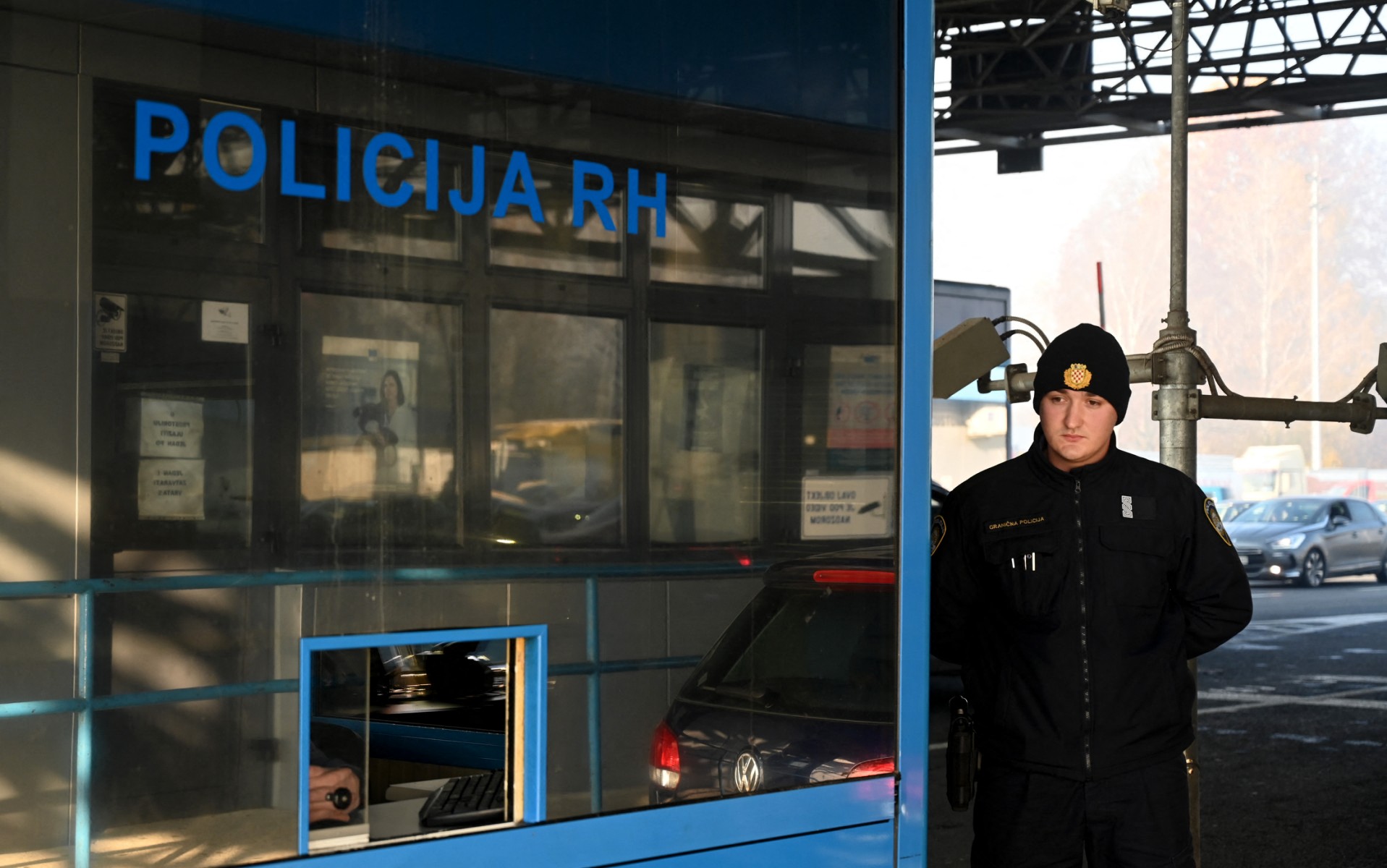
Interior Minister warns of potential loss of life as emergency crews struggle to reach illegal migrants stranded near Babina Greda.

The very idea of controlling borders is a crime for some.

Flanders police have reported a significant shift in migration patterns, as traffickers bypass France to take the longer, more perilous route from Belgium to the UK.
Insufficient relocations and adult migrants posing as minors are now acknowledged, but effectively closing the migration route is not on the establishment’s agenda.