

China’s Oil Supplies Looking Vulnerable at Sea
Expert report flags up how war in the Persian Gulf is causing Beijing logistical headaches.

Expert report flags up how war in the Persian Gulf is causing Beijing logistical headaches.

The IEA chief suggests the world is facing its largest energy security crisis, comparable to the oil shocks of the 1970s.

Washington and Tehran appear to be moving closer to a possible end to months of conflict, but emerging details of the talks are fuelling growing concern inside Israel over Tehran’s nuclear programme and regional influence.
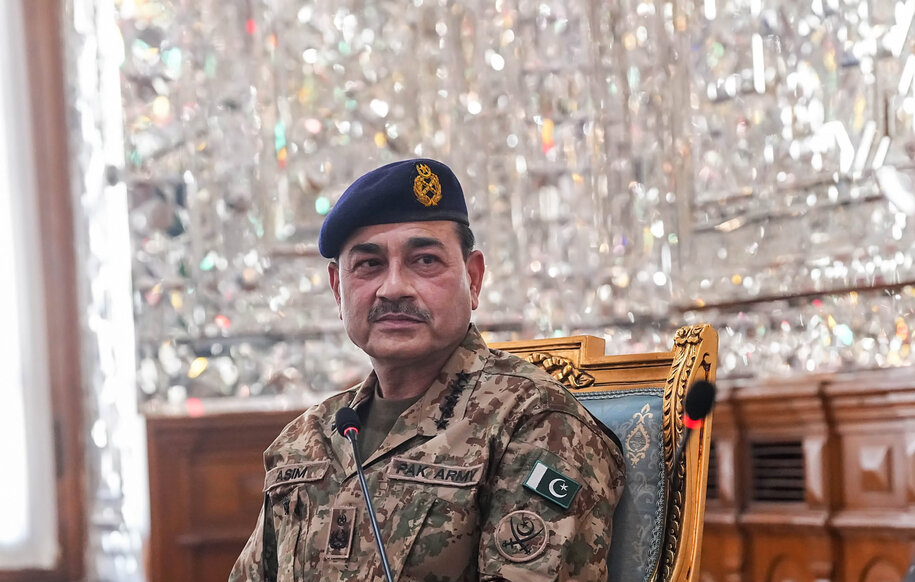
As one Islamic Republic welcomes diplomats from another in an effort to prop up the current truce with the U.S., its leaders have laid claim to the territory of a neighbouring state.
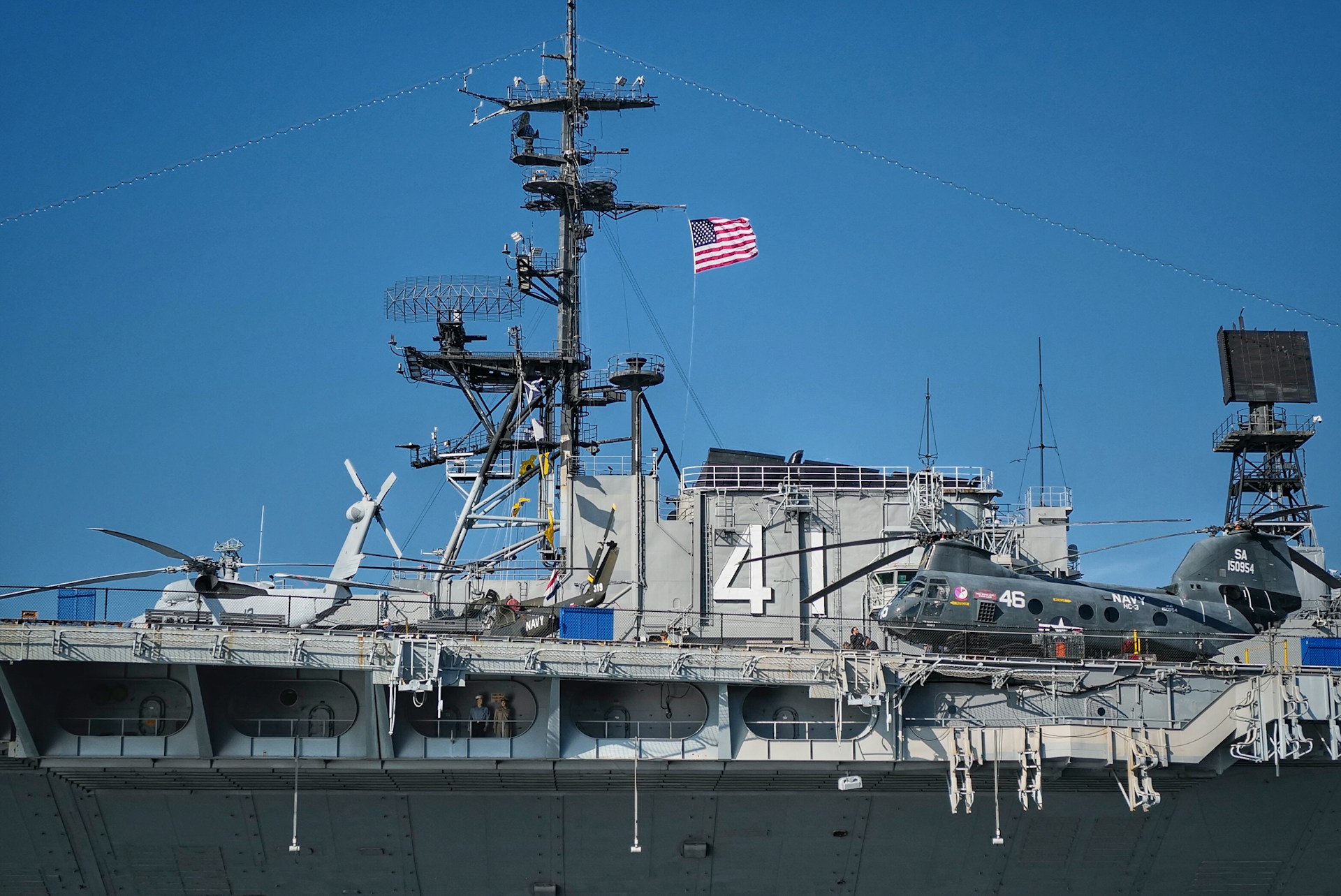
Fearing devastating regional retaliation, leaders from Saudi Arabia, Qatar, and the UAE have successfully lobbied President Trump to pause an imminent U.S. attack on the Islamic Republic.
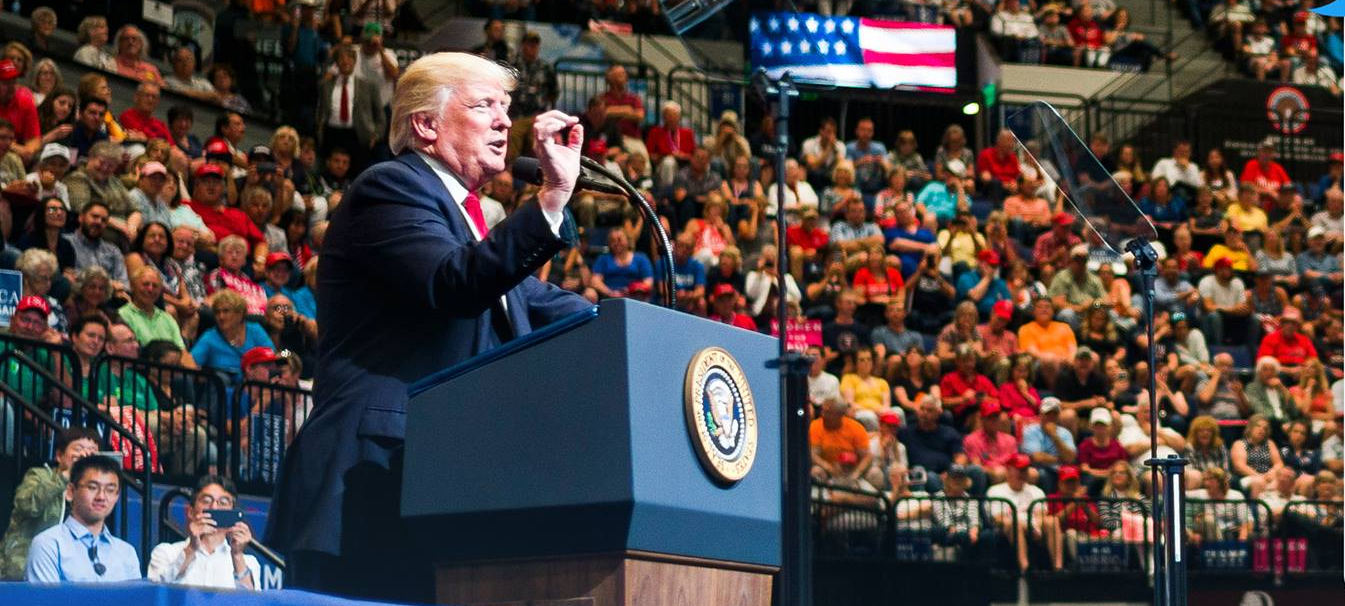
The “clock is ticking,” Tehran is told as its peace proposals are derided as “garbage.”
Tehran’s military asserts that its tightening grip over a key maritime route could yield massive economic gains and bolster significantly the Islamic Republic’s global influence.
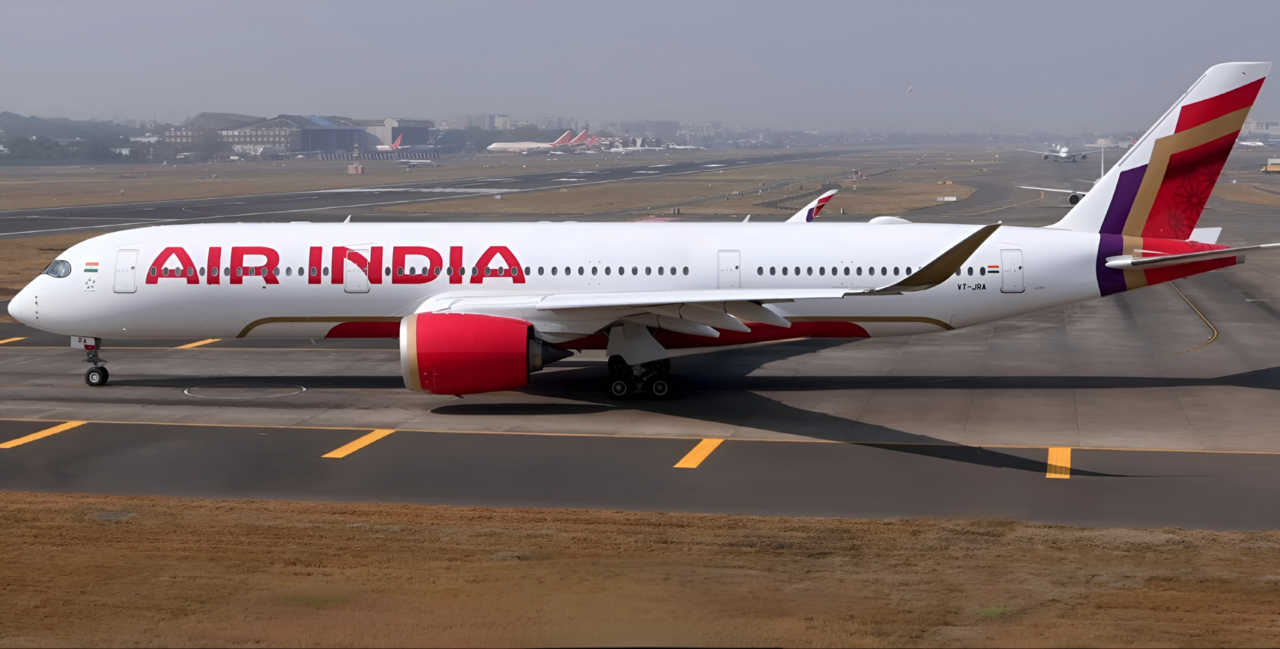
One national carrier’s cuts are expected to hurt key long-haul routes from Delhi—all while under the shadow of the pending Ahmedabad air disaster report.
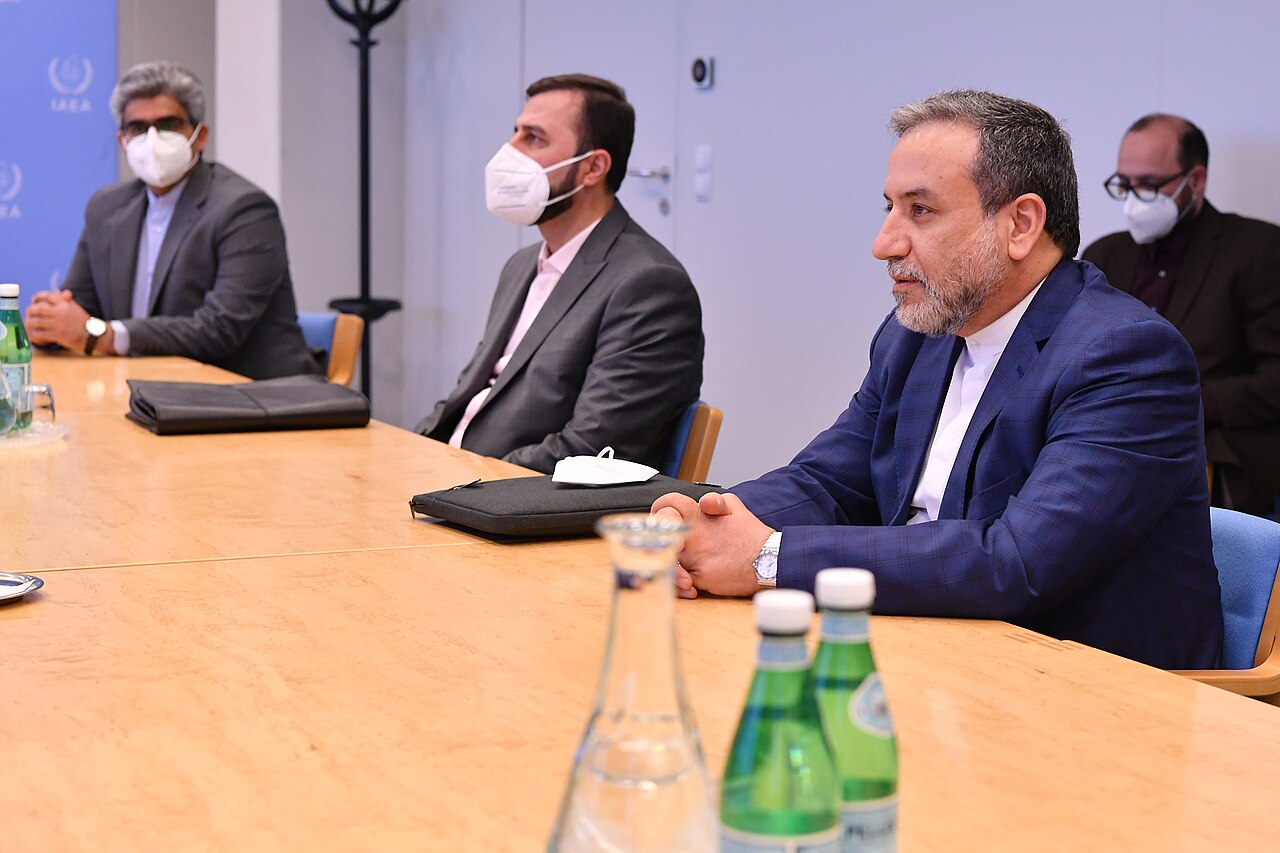
Trump said Iran could “come to us, or they can call us,” stressing that Tehran must not obtain a nuclear weapon.
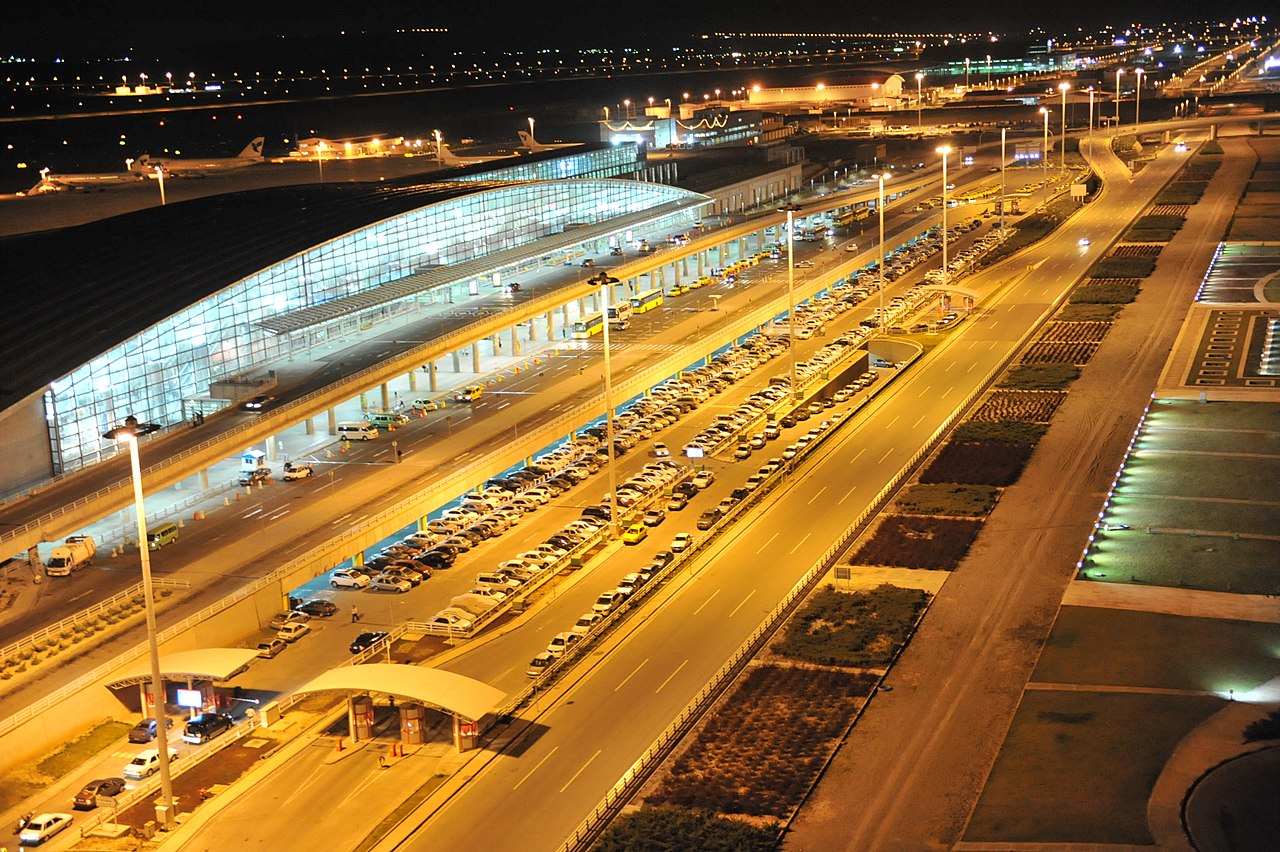
Global air traffic resumes from the Iranian capital following the latest ceasefire—a step closer to restoring regional connectivity.