Pakistan Pushes for Peace, Iran Tightens Strait Grip
As one Islamic Republic welcomes diplomats from another in an effort to prop up the current truce with the U.S., its leaders have laid claim to the territory of a neighbouring state.

As one Islamic Republic welcomes diplomats from another in an effort to prop up the current truce with the U.S., its leaders have laid claim to the territory of a neighbouring state.

Time is running out for a diplomatic breakthrough in the Middle East, as Washington and Tehran struggle to reconcile competing ultimatums over nuclear deterrence, port blockades, and regional proxy conflicts.

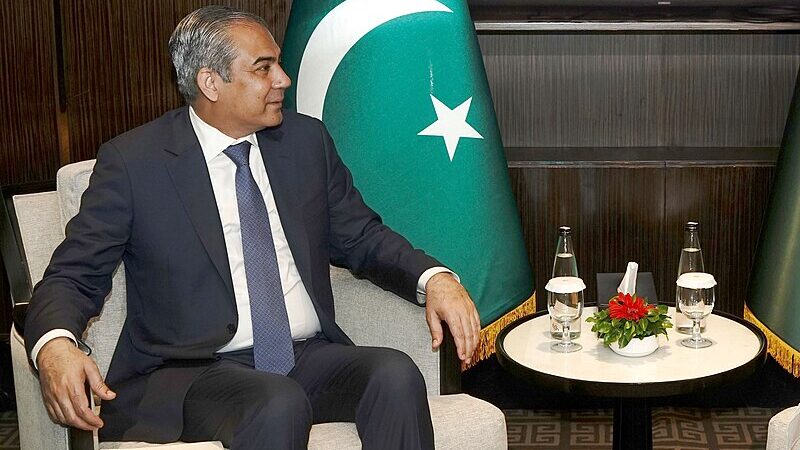
Tasked with ‘facilitating’ peace talks, Mohsin Naqvi could well find himself welcomed by the Islamic Republic—but ignored by team Trump.

Trump did not mention the response Pakistan’s Prime Minister Shehbaz Sharif said his country received from Iran regarding Washington’s peace proposals.

Trump said Iran could “come to us, or they can call us,” stressing that Tehran must not obtain a nuclear weapon.

The White House claims that a ceasefire will remain in place until Tehran’s ‘peace proposal’ is submitted and discussions are concluded.

U.S. President Donald Trump has invited Israeli and Lebanese leaders to the White House.

Washington indicated that the next round of Iran talks could be held in Islamabad soon.

Failed talks and a new U.S. blockade in the Strait of Hormuz raise the stakes as mediators race to prevent a wider escalation.

As Pakistan-hosted peace talks broke down, Trump blamed Tehran’s refusal to curb its nuclear ambitions and vowed to seal off Iran’s maritime trade routes.