
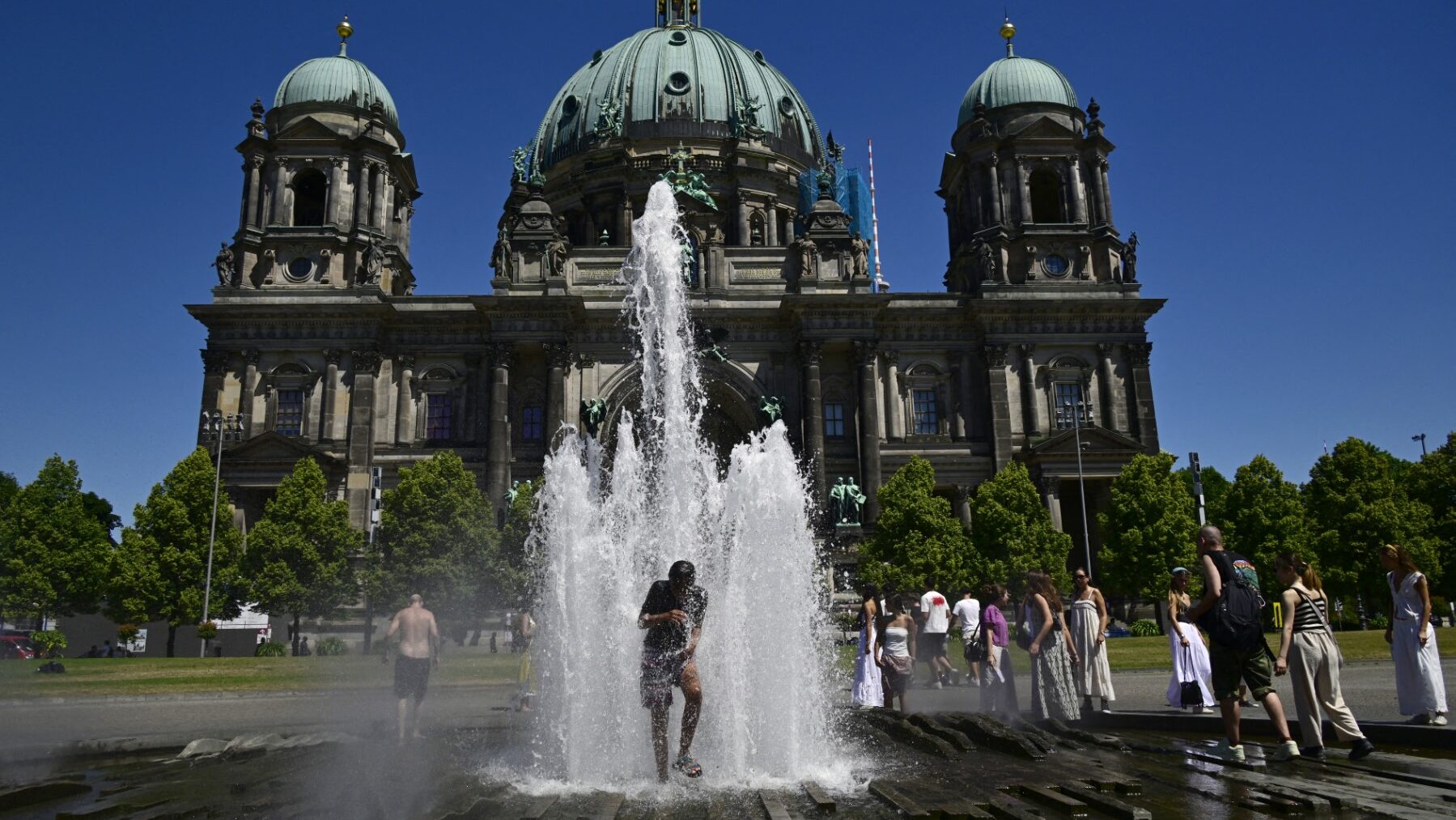
Germany Didn’t Melt Down—Its State Did
The heat wave exposed more than rising temperatures—it revealed decades of neglected infrastructure, political drift, and a government that struggles to perform its most basic functions.

The heat wave exposed more than rising temperatures—it revealed decades of neglected infrastructure, political drift, and a government that struggles to perform its most basic functions.

In Paris, culture thrives on crude anti-Catholic sentiment.
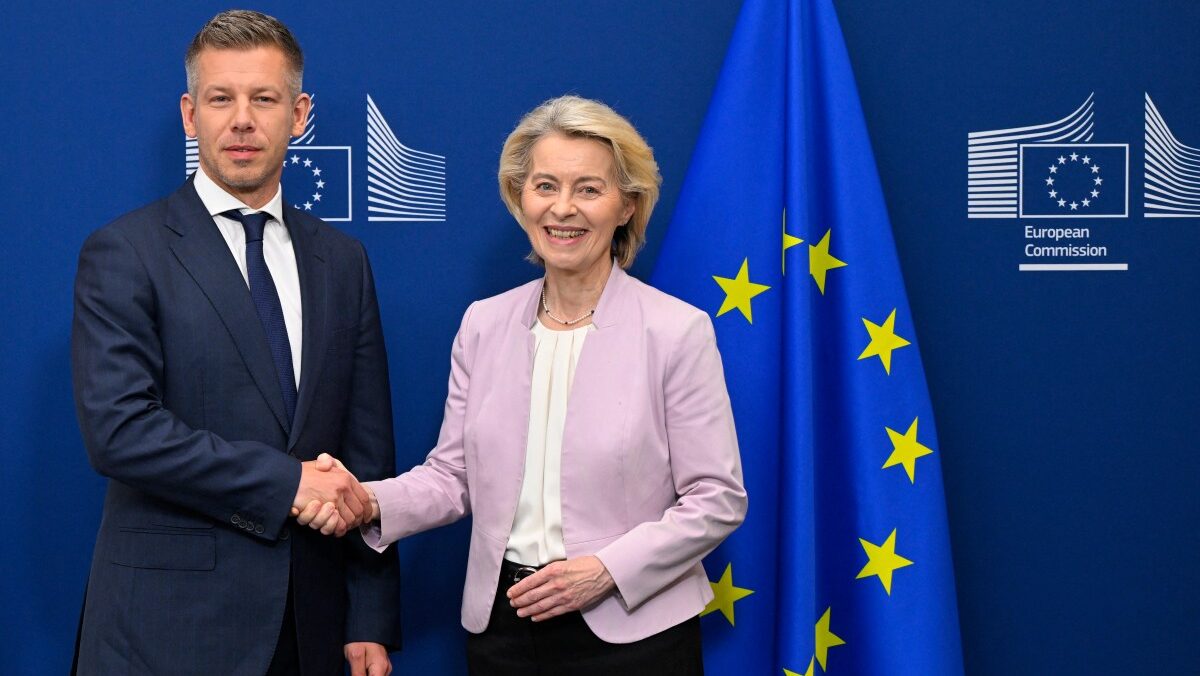
Until Magyar transparently shares what he has committed to, this announcement is just another episode in the extended negotiations between Hungarian leaders and Brussels.

For progressives, ‘liberalism’ now means ‘the compelled acceptance and legal implementation of LGBT ideology.’ To oppose it, conversely, is thus ‘illiberalism.’
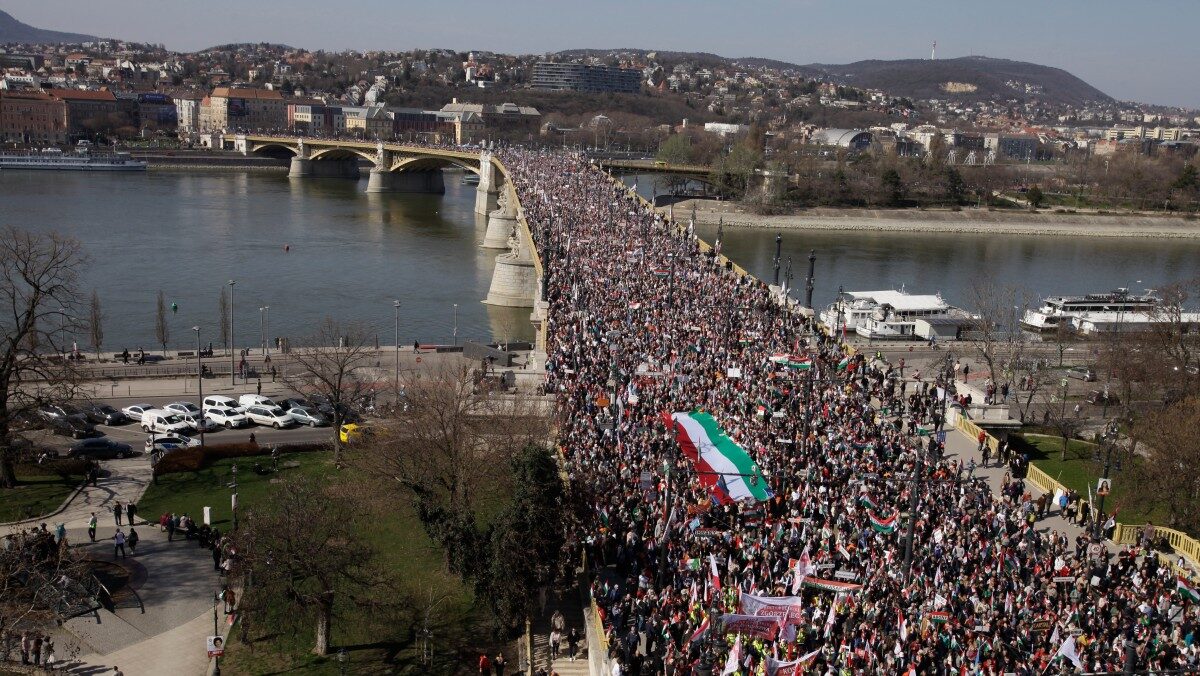
The underlying grievance of Western critics is not a lack of democracy, but rather our refusal to simply nod in agreement with the Brussels consensus.
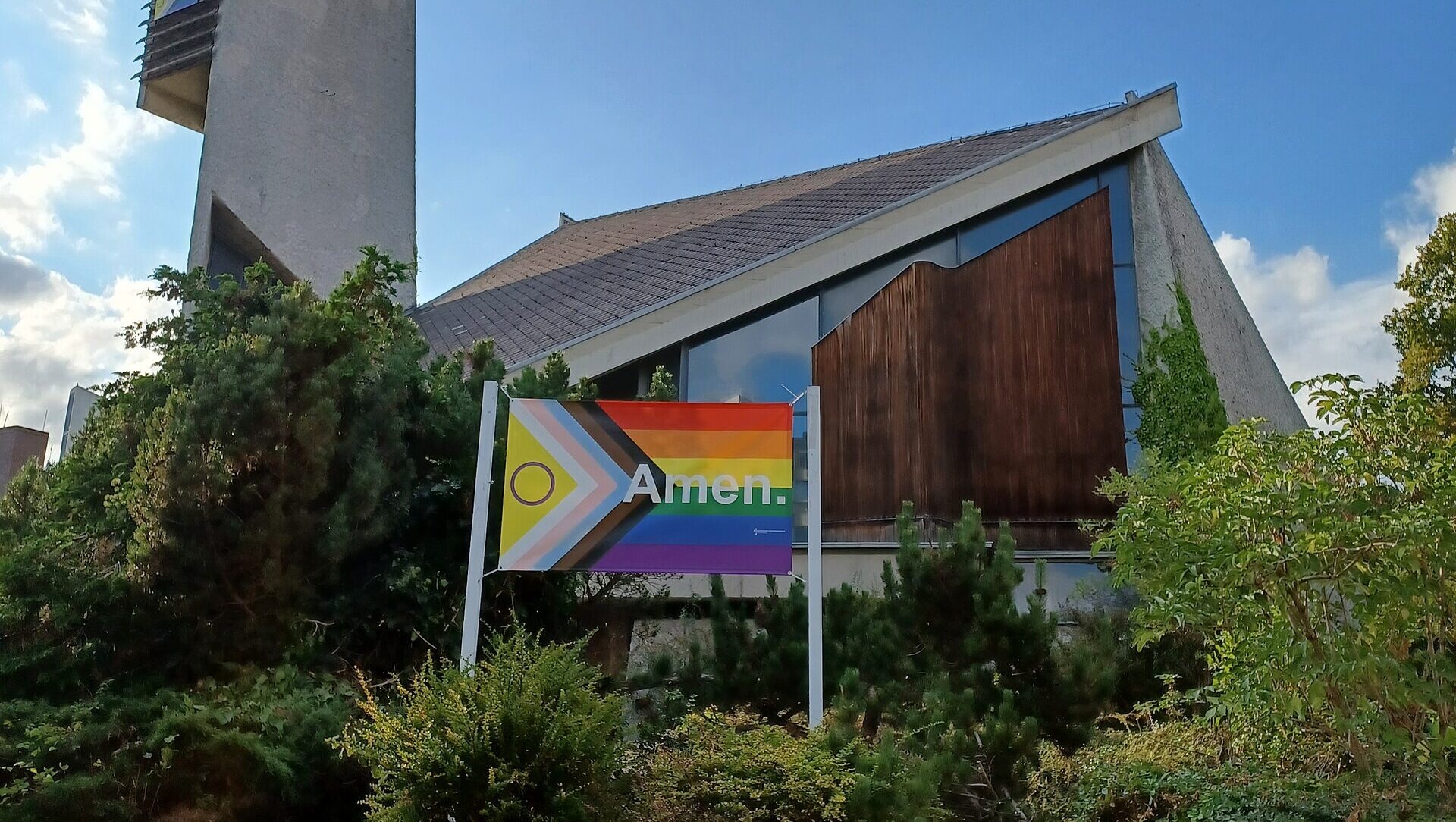
Because it is the religious Right that has been the most unapologetic defender of classical Christian values, church leaders now find it difficult to articulate those values at all.

The case is another example of the EU using legal mechanisms to press ideological change on a reluctant member state.
The party that was once—for better or worse—seen as a vehicle for popular representation has become an obstacle to democratic change.
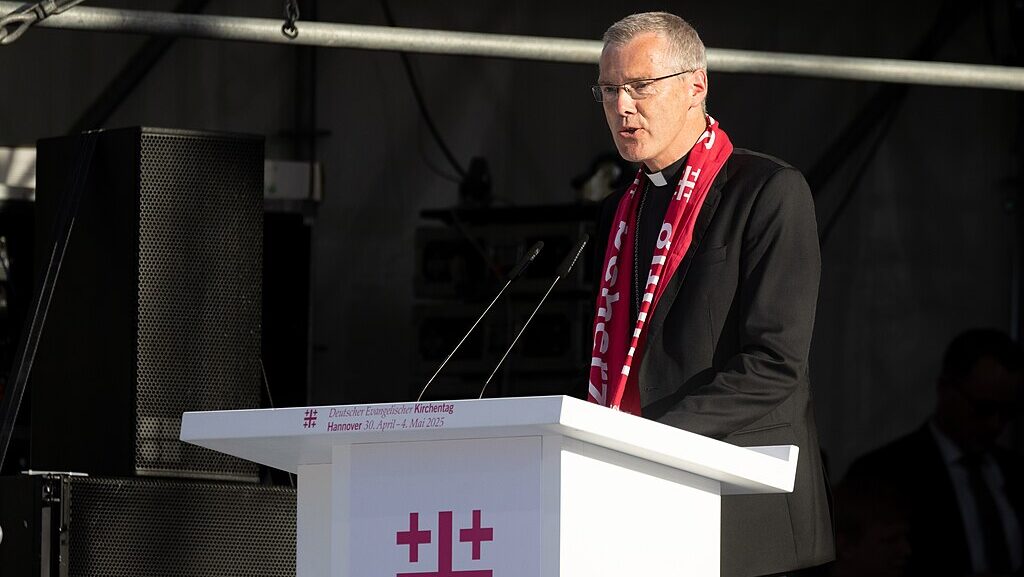
What is occurring in Germany is a true attempt at ecclesiological subversion.

Europe’s cultural and political disputes are increasingly being settled by judges in Luxembourg rather than by elected national governments, speakers at the MCC conference said.