
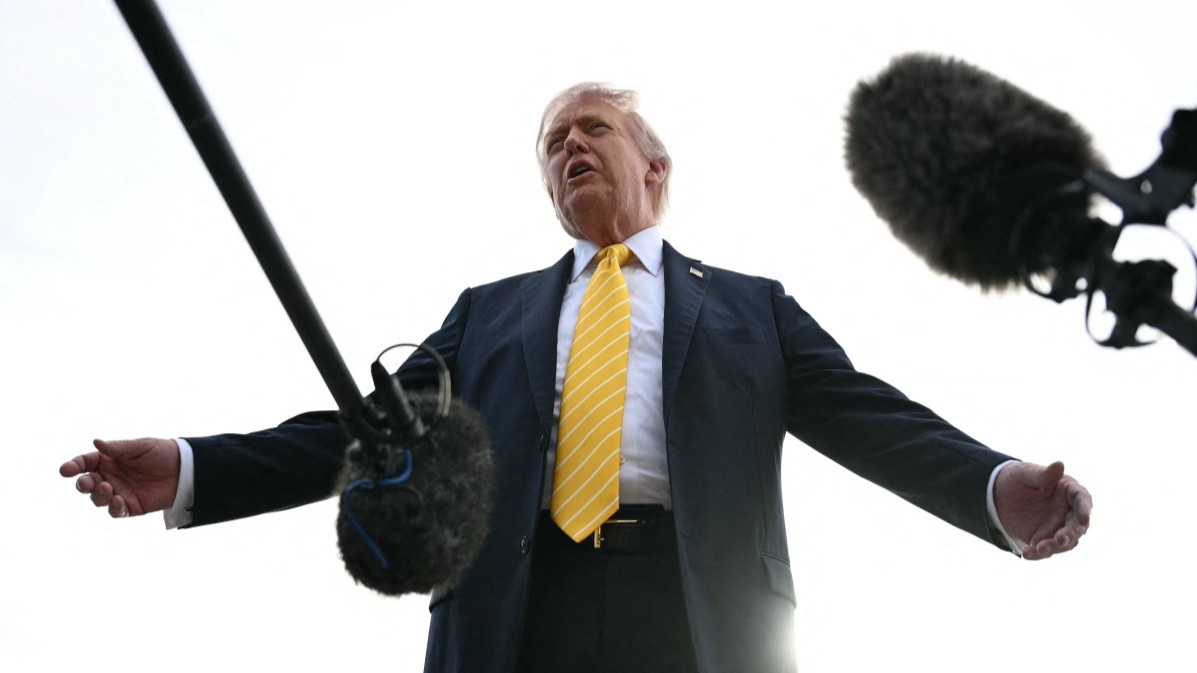
‘Project Freedom’ Ignites Naval Standoff as Iran Fires on U.S. Destroyers
Tehran deployed combat drones and rockets to challenge the presence of U.S. destroyers aiding commercial transit.

Tehran deployed combat drones and rockets to challenge the presence of U.S. destroyers aiding commercial transit.
The “intimate conversations” with NATO officials focused on the evolving security situation in Europe and beyond.
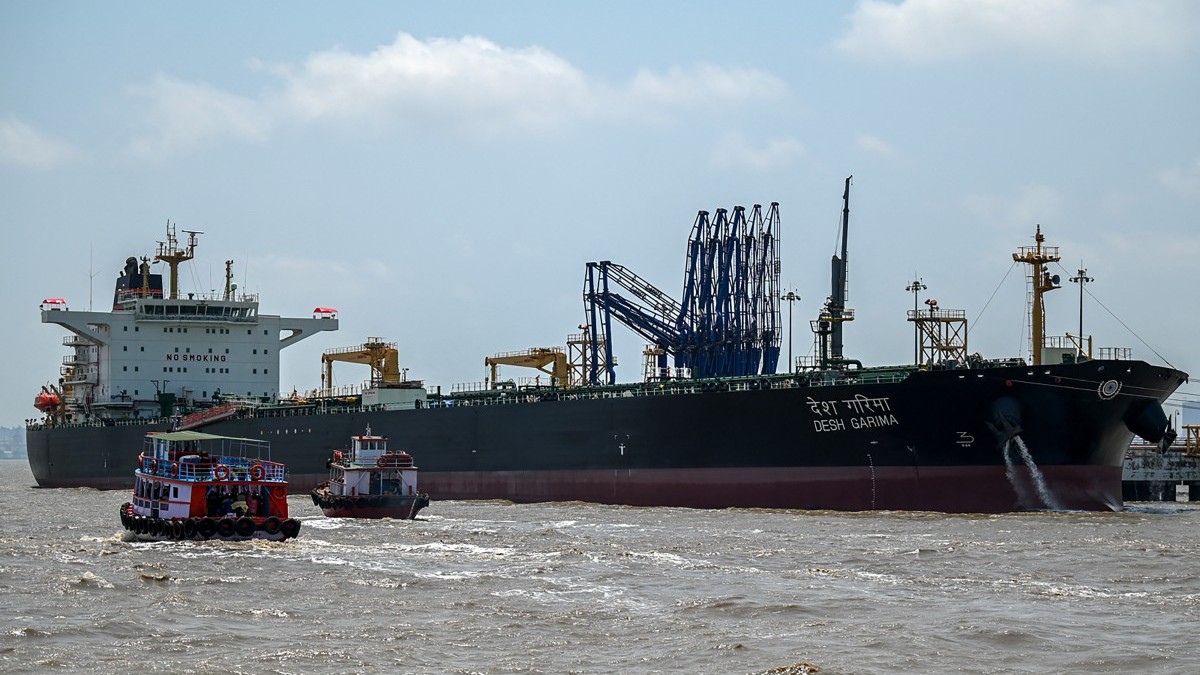
The Iranian military threatened attacks on any U.S. forces entering the Strait of Hormuz after President Donald Trump announced plans to escort ships through the waterway.
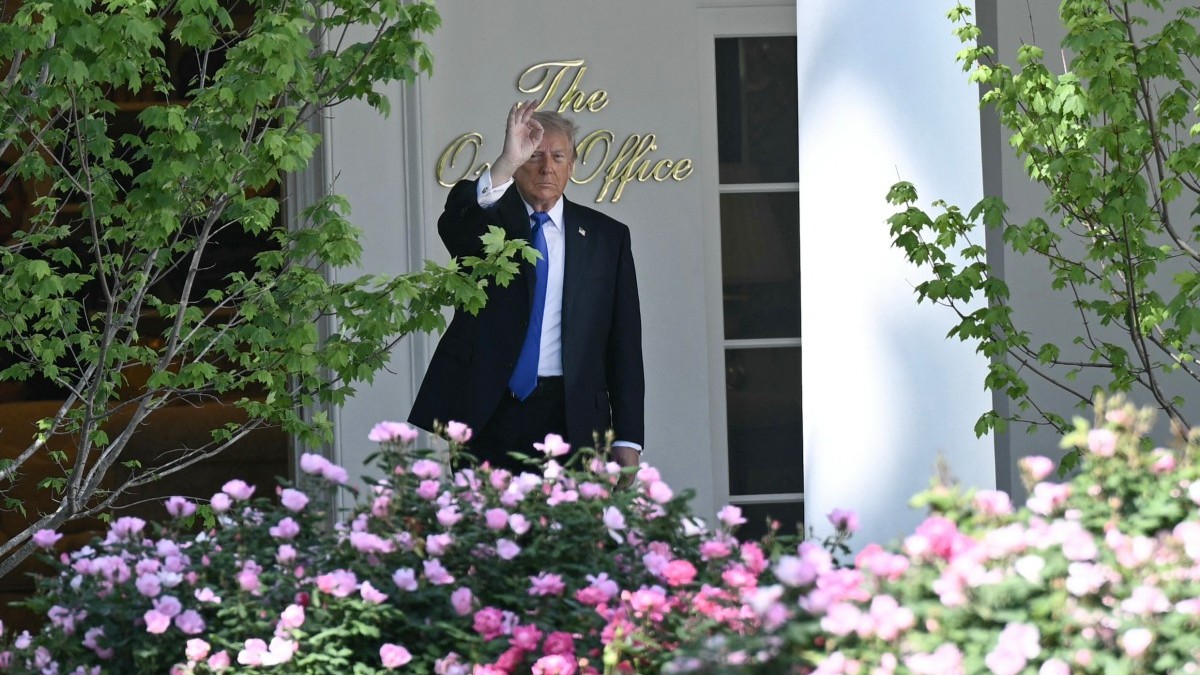
The United States has issued a high-stakes call to its international partners, framing a new U.S.-led naval coalition as the essential response to Iran’s closure of the Strait of Hormuz.
Trump predicted his maritime blockade of Iran could go on for months—prompting oil prices to spike to a four-year high.
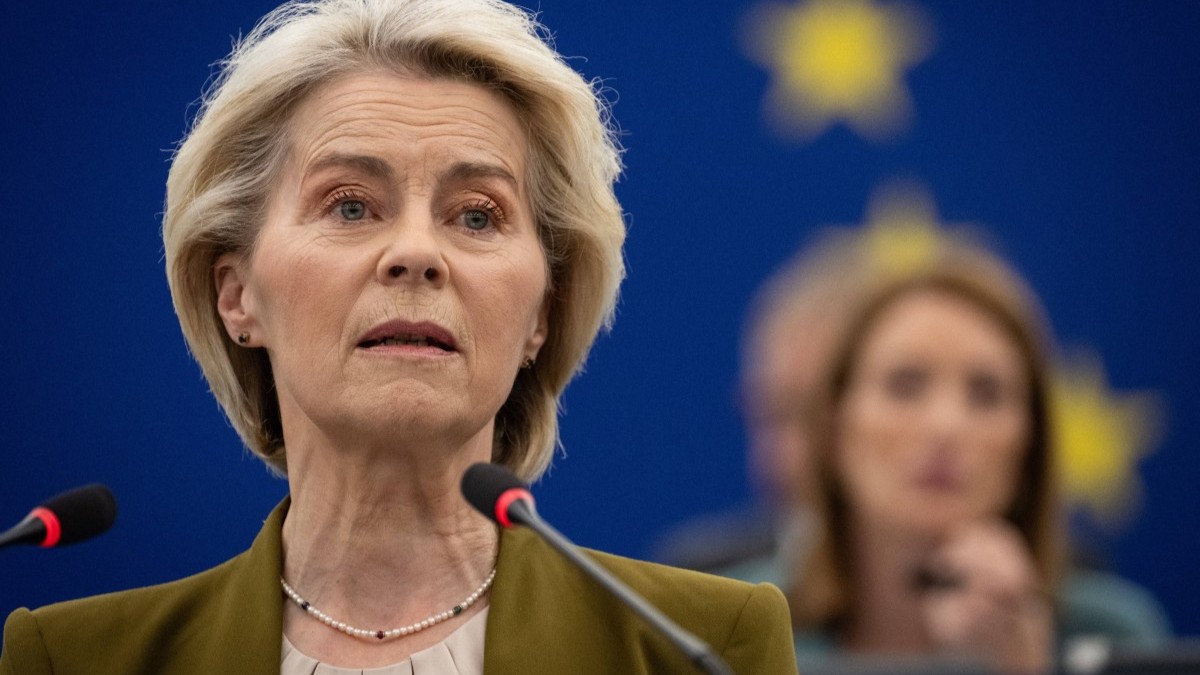
As MEPs in Strasbourg discussed security and energy after the Gulf shock, establishment groups clung to the Green Deal framework amid growing pressure on industry and households.
The UAE, a major global oil producer, has previously raised concerns about OPEC production quotas.
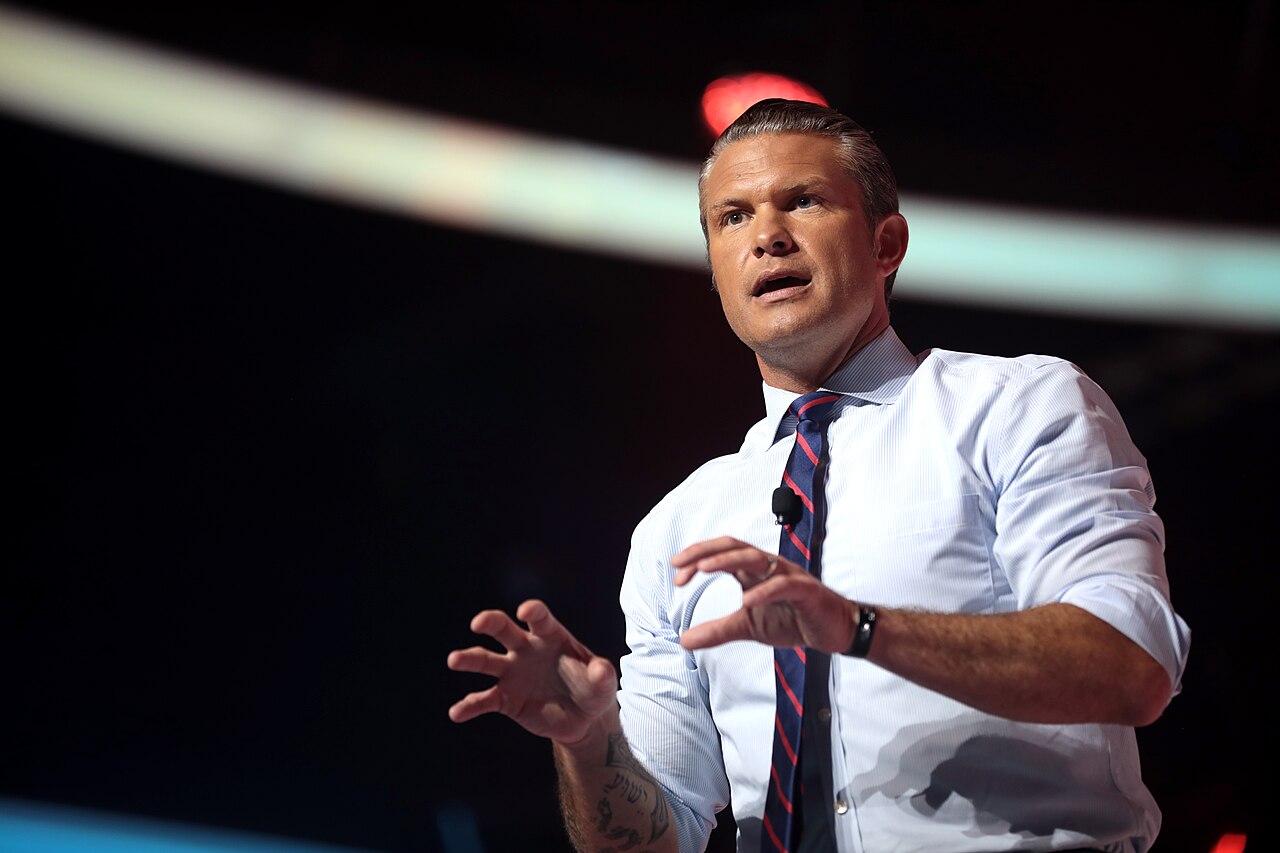
U.S. Secretary of Defense Pete Hegseth has criticized his so-called partners in Europe and Asia for relying on Washington to reopen the Strait of Hormuz amid the ongoing conflict with Iran.
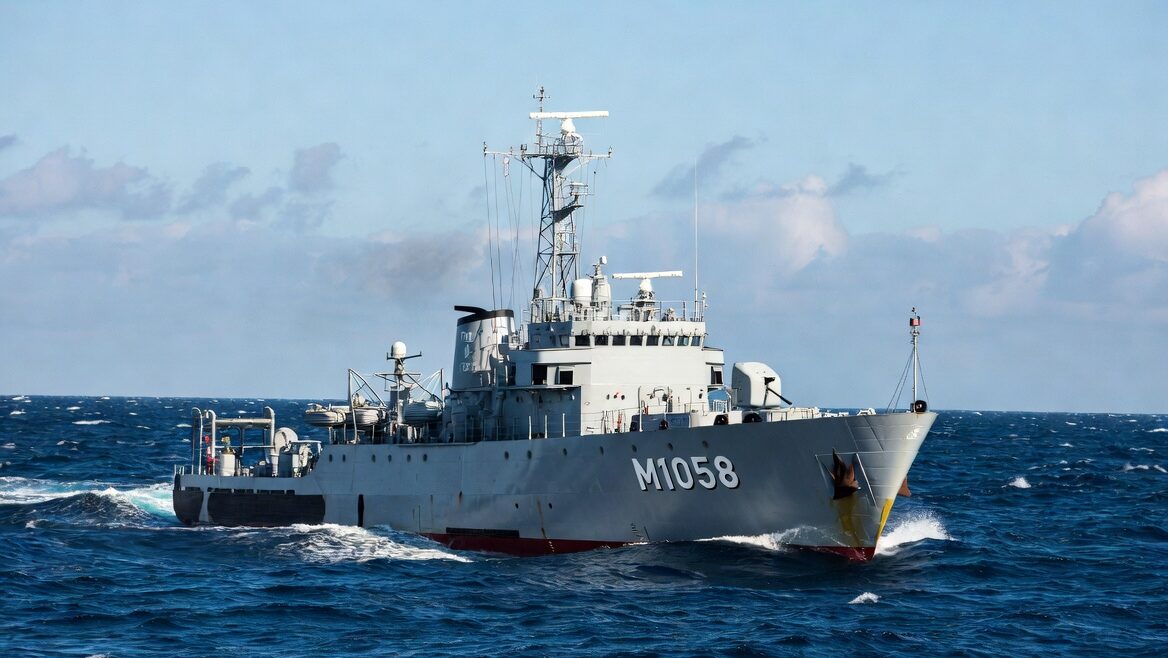
Germany prepares to support an international operation to keep the Strait of Hormuz open following wartime closures.
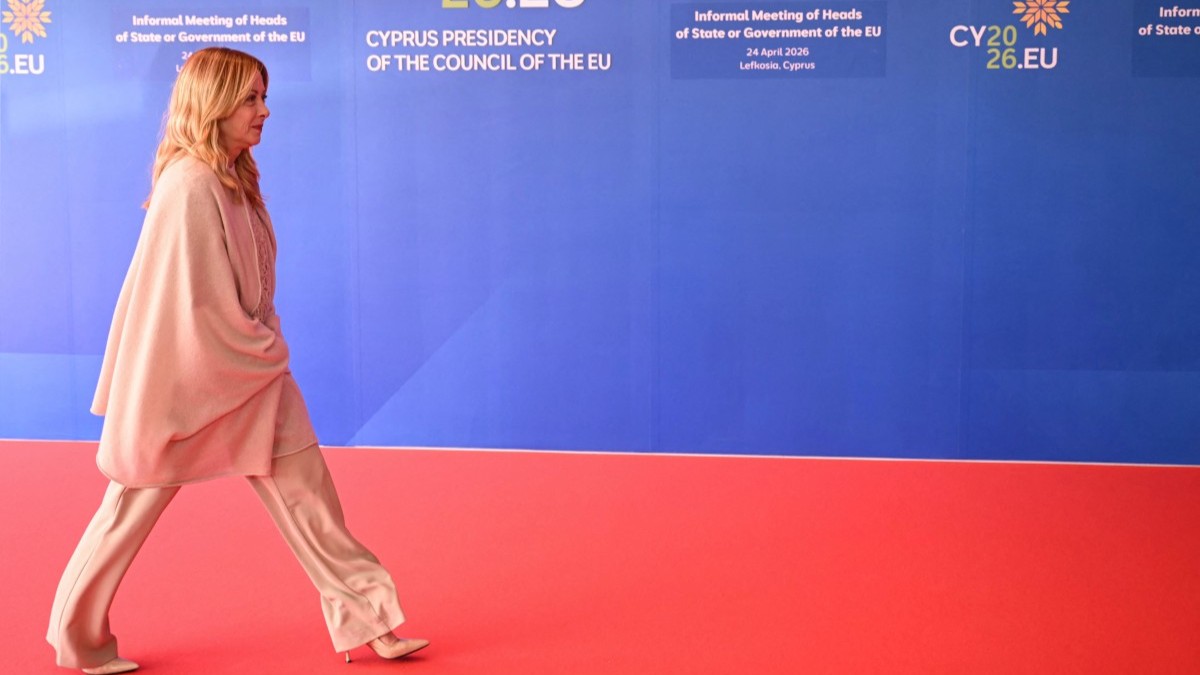
The Italian PM’s remarks come after some NATO members refused to allow U.S. military aircraft involved in the Iran conflict to use their airspace or bases.