

To cut the Gordian Knot constraining the Swedish economy, I suggest repealing the long-standing ‘fiscal framework’ that currently dictates how the Swedish Parliament conducts fiscal policy.
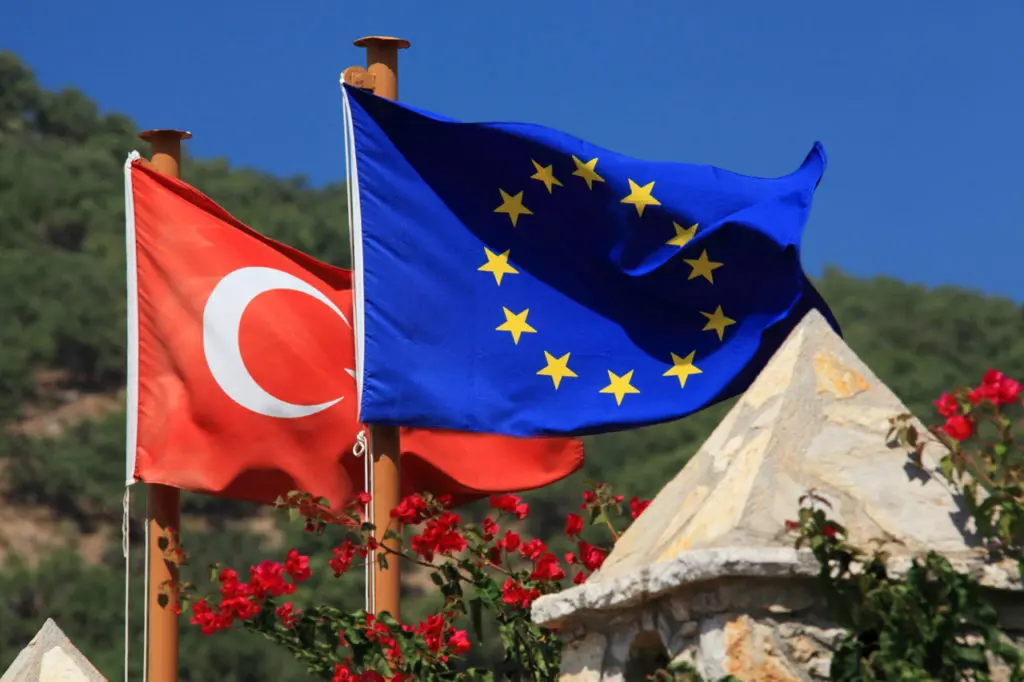
As we consider the future of Turkey’s relationship to the EU, this is perhaps a good moment for Europe to reflect on its own commitment to human rights. Religious minorities need the EU to stand strong in its commitments to democracy, equality, and freedom for everyone.

The take-home lesson here is that among the world’s politically functioning countries, there are three dominant regimes, namely authoritarianism, totalitarianism, and progressive liberalism, all of which share family resemblances.
I will tell you right away, professor Oster: there will be no amnesty. Not a chance. And here is why.
The government would like to achieve “almost 100% enforcement.” But, while the number of illegal immigrants continues to increase, removal measures are less and less applied. Statistically, an illegal immigrant is more likely to be regularised than to be removed.
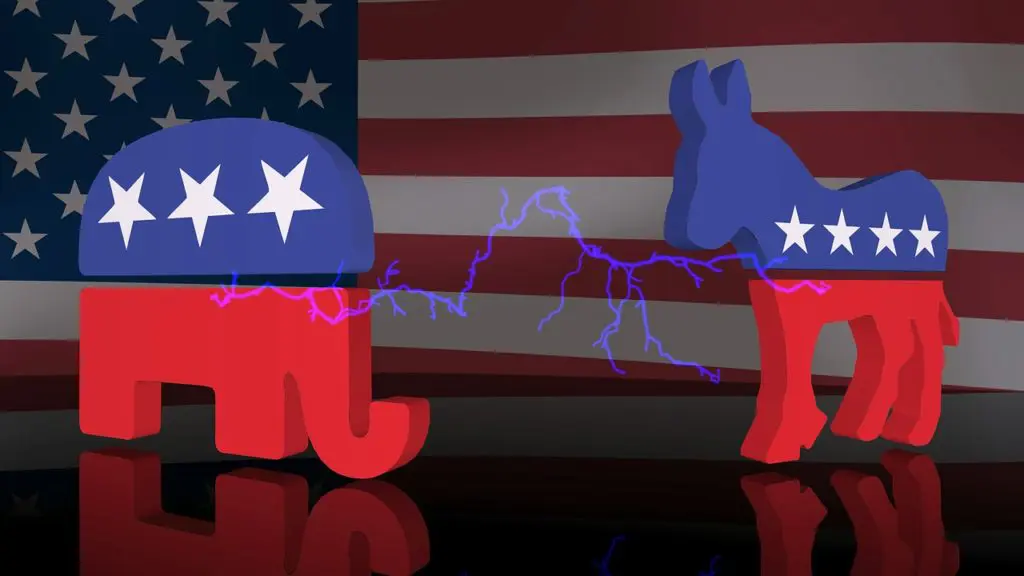
Currently, the Democrats control both legislative chambers, but with very small margins. This is about to change.
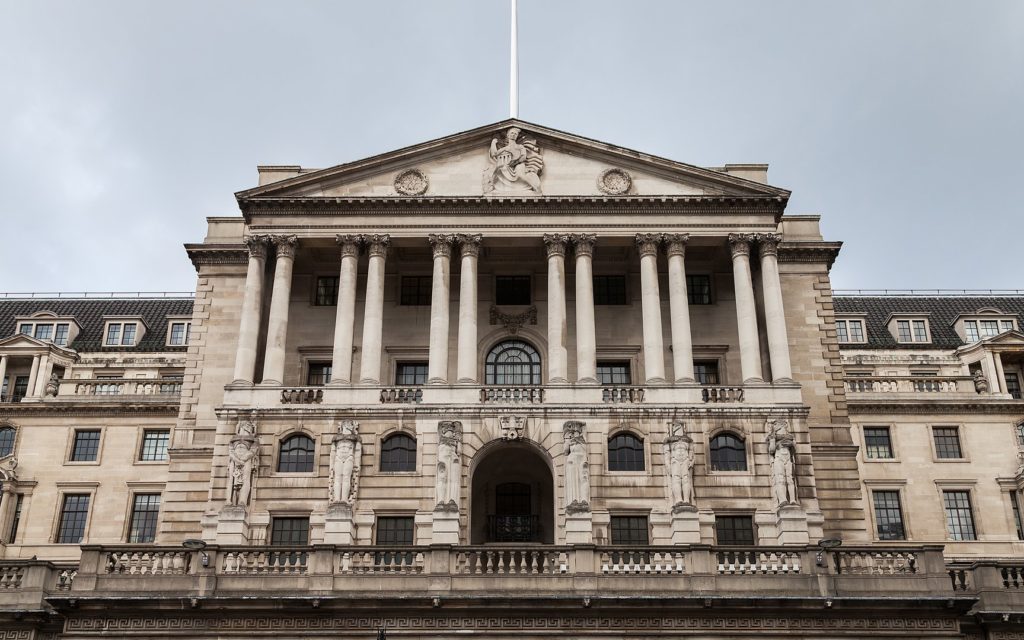
So long as the Bank of England is entrusted with as much power as it has assumed for itself—it matters little whether the prime minister is Boris Johnson, Liz Truss, or even Margaret Thatcher.
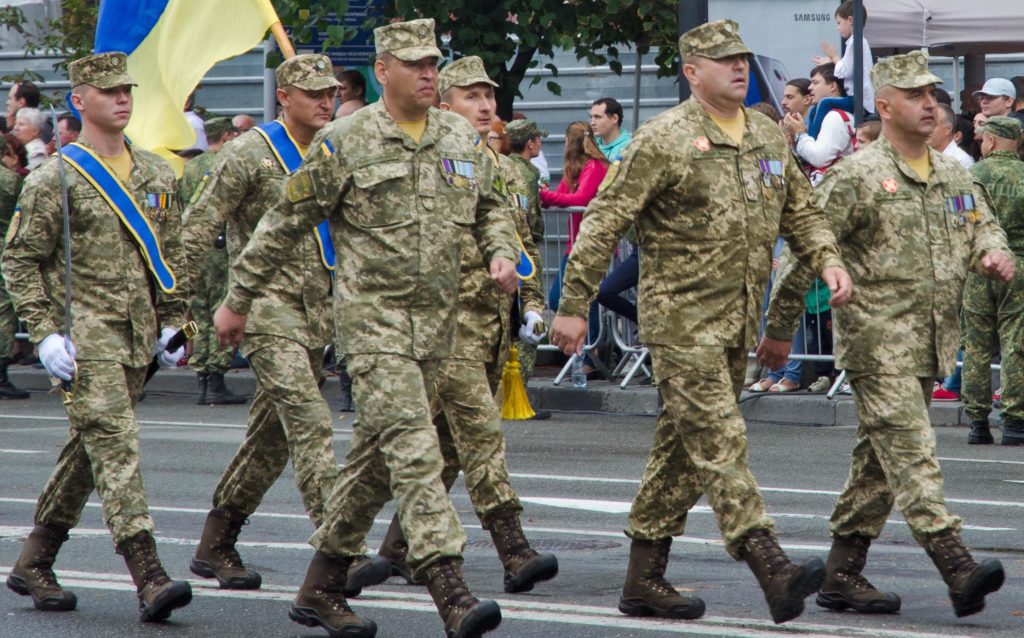
The numerically smaller Ukrainian ‘David’ stumped the behemoth Russian ‘Goliath’ at the start of the operation. ‘Mission command’ style of leadership is the source of Ukraine’s strength.
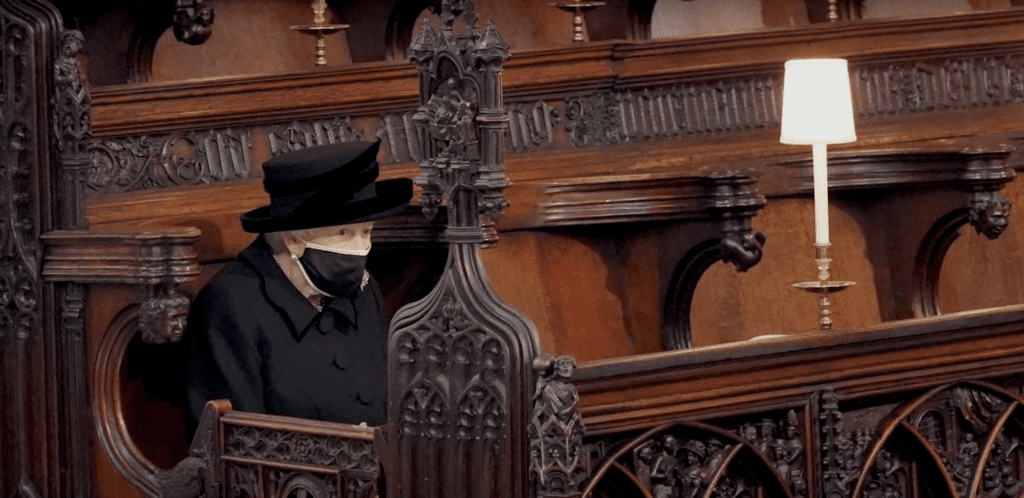
Soon, even conservatives will have to ask some unsentimental questions. Where was the royal displeasure when most needed? Where was that counterweight to political power? ‘Locked down,’ is the answer.
Western leaders pay for these crimes with minor blips in the opinion polls; Europe’s daughters pay with their lives. But those in power have one more trick up their sleeve: to stop us noticing, and to criminalise our speech when we do.
There is only one path forward for conservatives: to combine tax cuts with structural reforms to welfare-state spending.
These three politicians may not belong to AfD, but their turn toward conservative principles allies them with the Right in common sense and civic discourse.
Theirs is performative activism—a self-indulgent pastime to signal luxury beliefs. Pouring milk all over the floor at Harrods doesn’t save the planet, it just shows how little they care about the staff who have to clean it up.
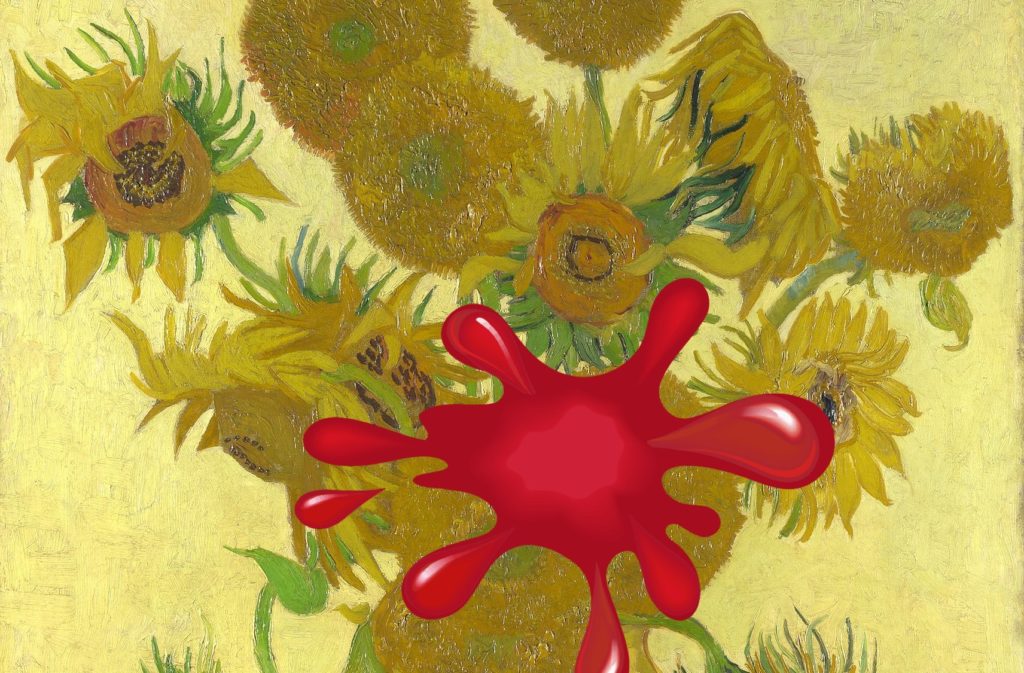
There is no indication that anyone’s opinion of climate change is different now from what it was before the souping.
Facing inevitable electoral oblivion, in an odd way, affords the political Right a rare opportunity. With absolutely no chance of keeping Labour out of Number 10 (nor any possibility that they could prove worse), the nation finally has the opportunity to bury the Tories once and for all, and unite behind a genuine conservative coalition.
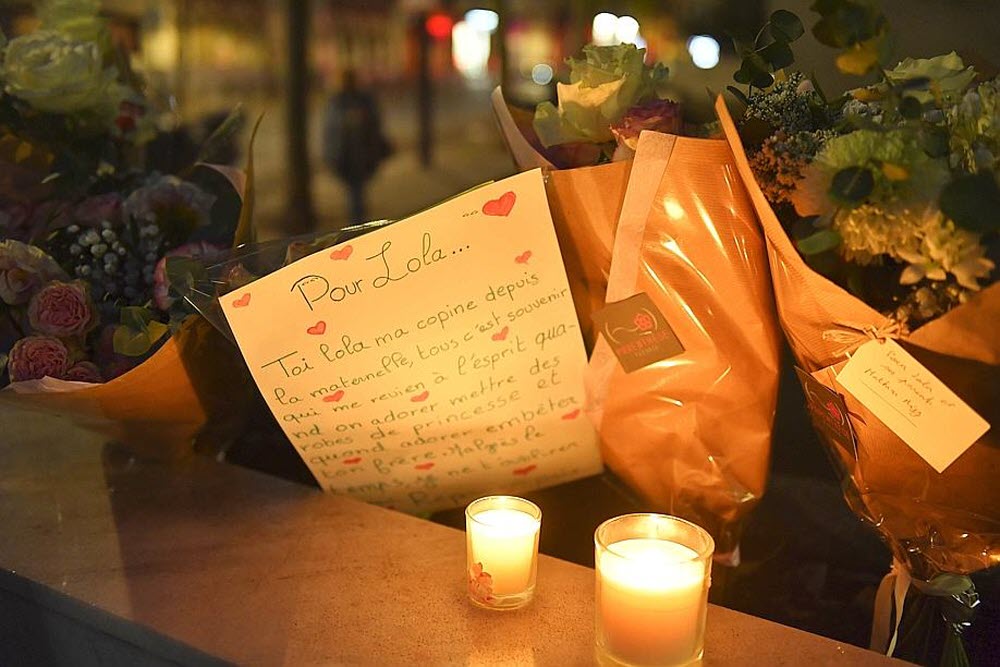
Recuperation is quite simply the preferred and almost exclusive modus operandi of the Left. Having abandoned the idea of truth, it must look for something else to fuel its battles.
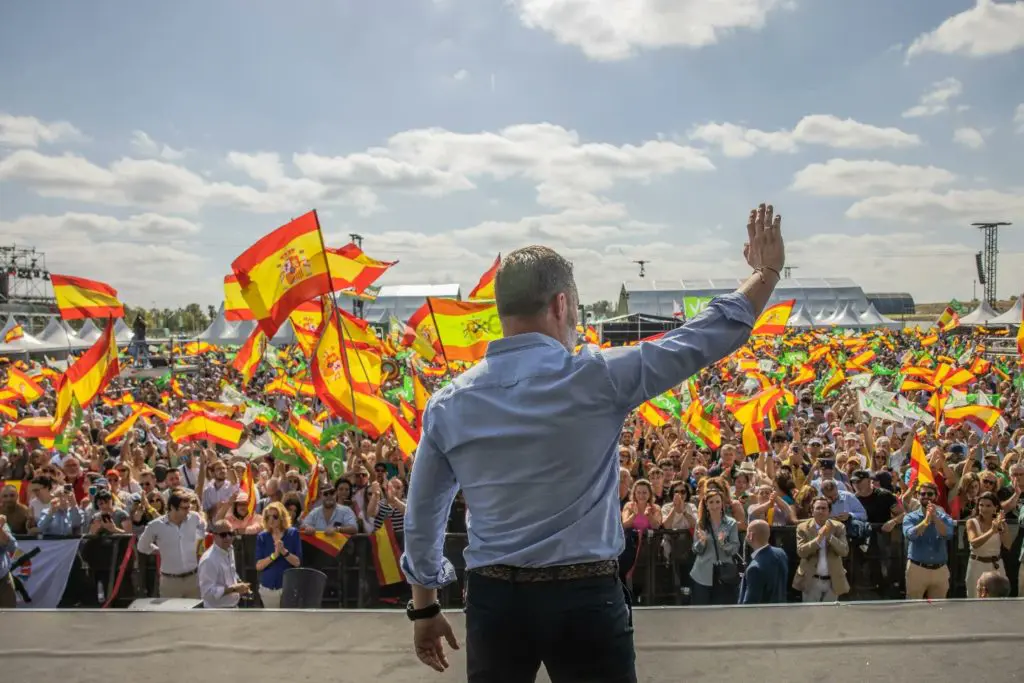
Viva22 centered on the need for historical memory as a safeguard against social engineering and the push for a borderless global market.
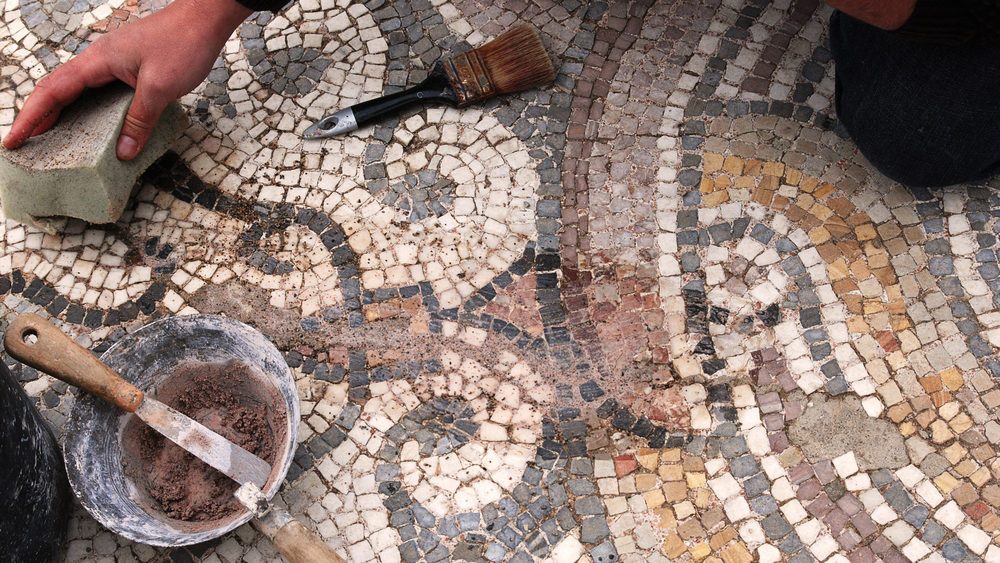
Prior to the outbreak of war in Syria in 2011, Rastan—the town where the mosaics are located—had not been the subject of any archaeological campaign.
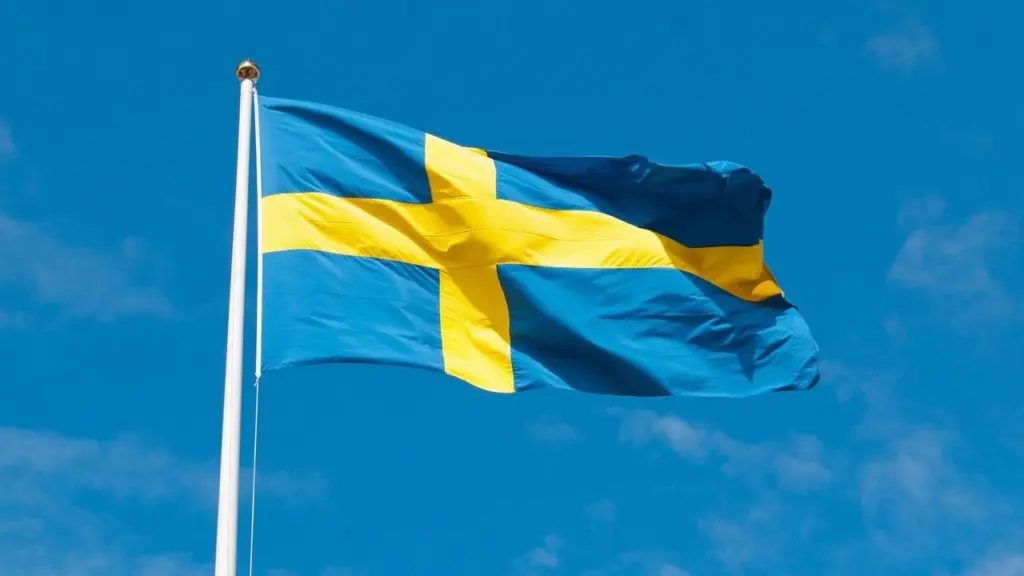
Without question, the biggest reason why Kristersson is now the new prime minister is the impressive rise of the Swedish democrats.
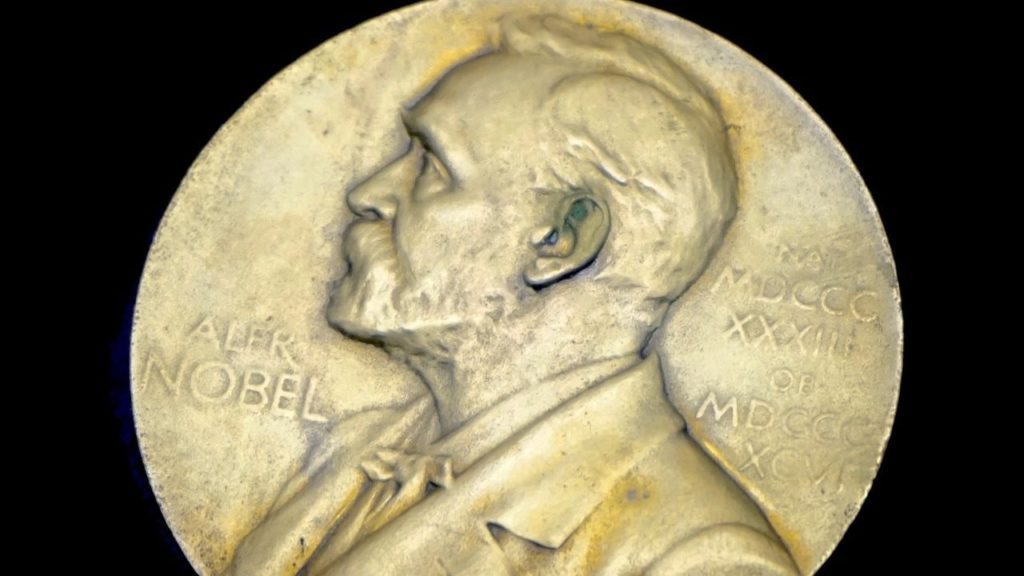
This year’s economics prize winners are good economists, but their research is far from the original contribution that should merit a Nobel Prize.
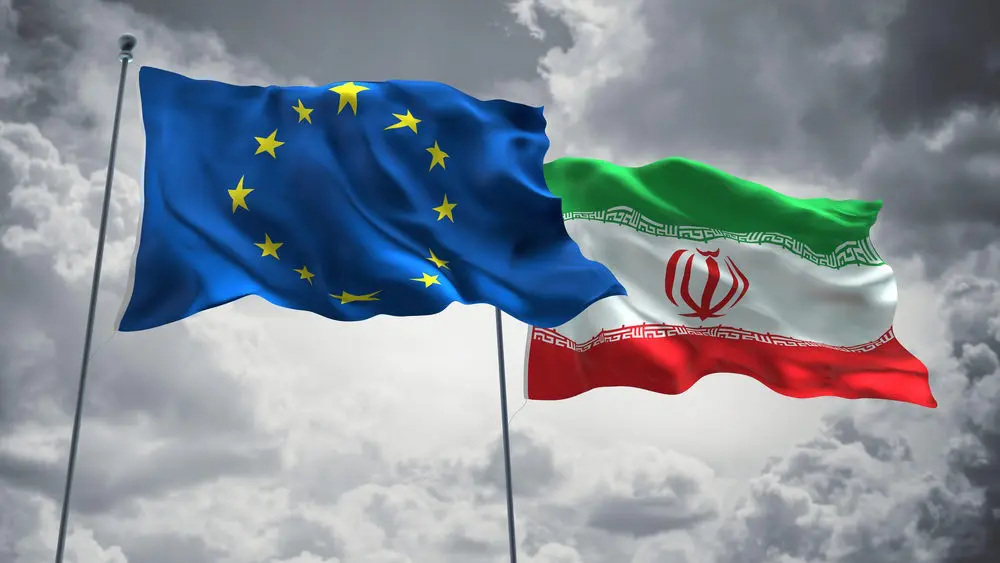
Trade with hostile nations is always not a bad idea—after all, interdependence can increase the chances of peace. Yet some European countries were perhaps naïve to pursue a normalisation of relations with Iran so eagerly.
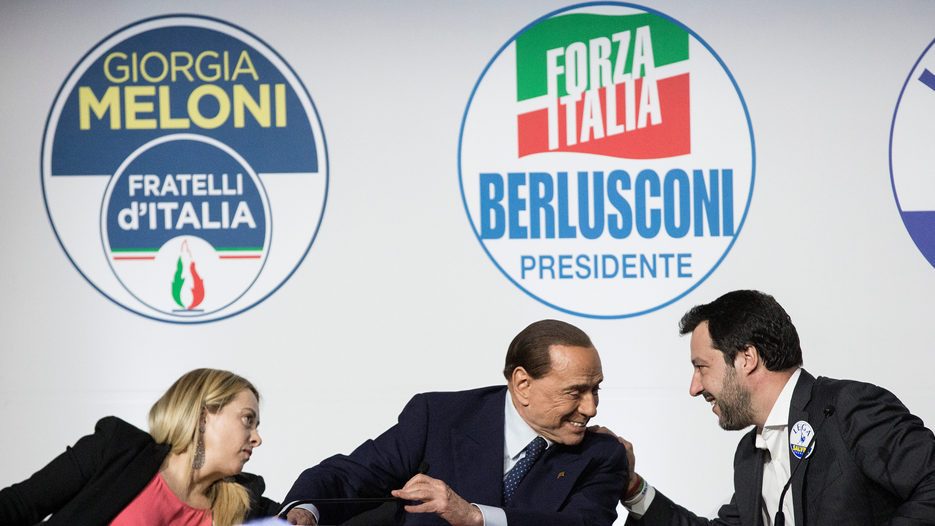
The defection of Forza Italia’s votes in the Senate reveals that tensions persist in the coalition over posts in the future government. Meanwhile, Sergio Mattarella has not officially recognized Giorgia Meloni as prime minister.

Whatever its opinion concerning the Spanish empire, the Descolonícemonos initiative quickly betrayed its abject submission to prevailing ‘woke capitalism.’
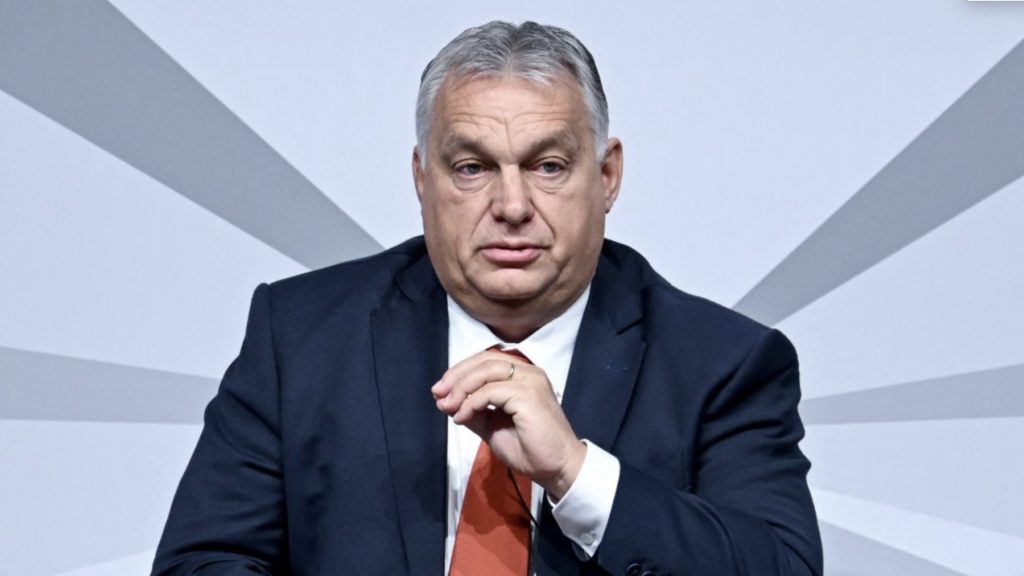
The sanctions, which Orbán described as a “catastrophe”—and argued had been implemented in a “primitive” way— are “killing Hungary and Germany too.”
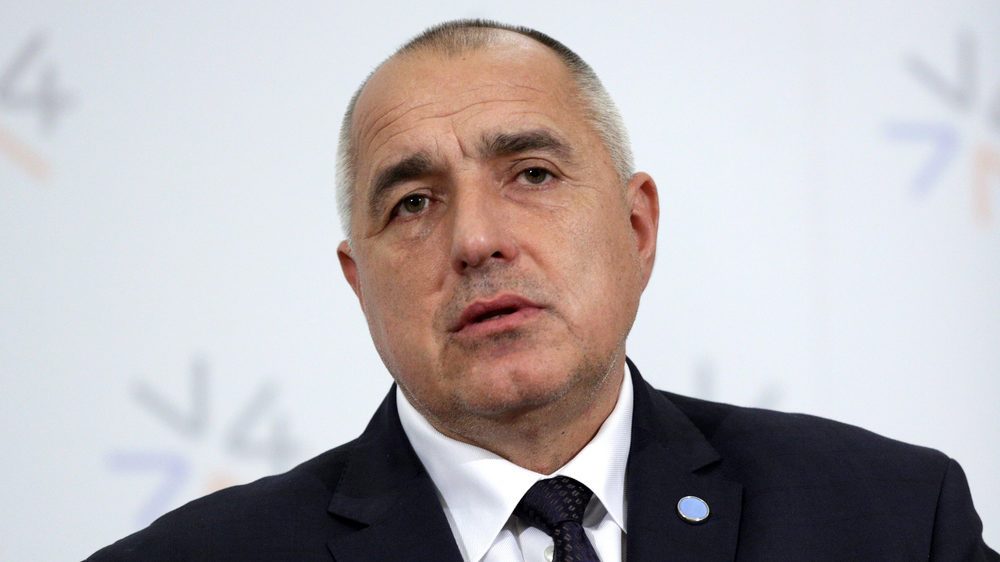
An analysis of the Bulgarian political landscape highlights the structural fragility of the country, which, unlike its Eastern European neighbours, has not yet fully succeeded in its transition to a serene democratic state.
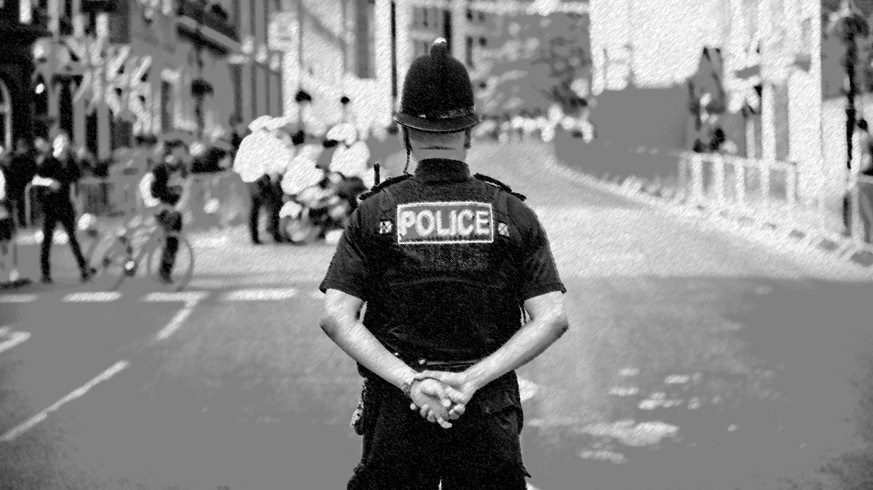
When someone faces criminal charges for voicing their beliefs, everyone—whether they agree or not—should pay attention. The reality is that if the government can threaten and punish Caroline or Päivi for their convictions, they can punish anyone.
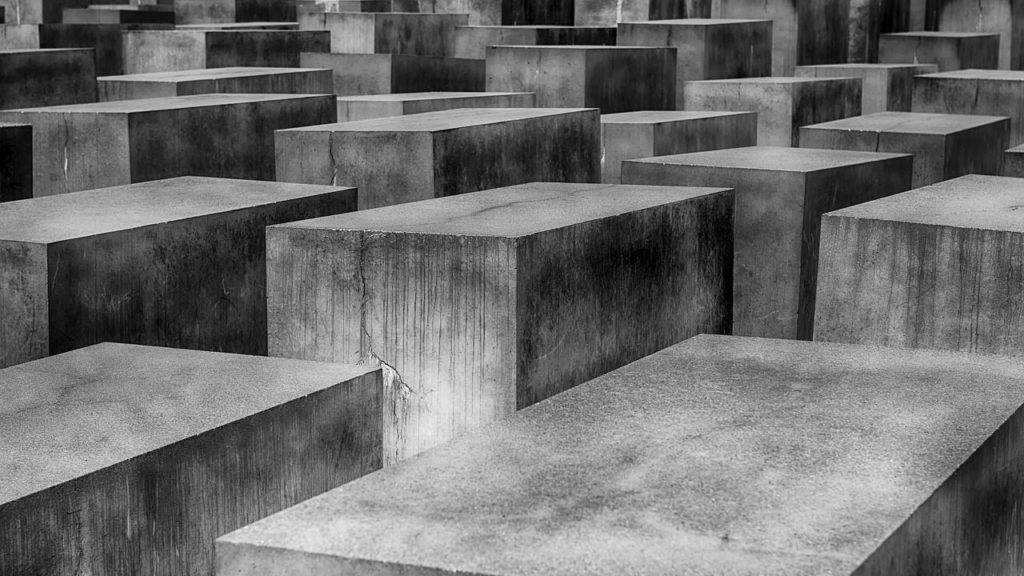
Although the newly released report from the United Nations does not explicitly state the transformative consequences of its policy recommendations, it unabashedly agitates for using the economy as a tool for global social engineering.
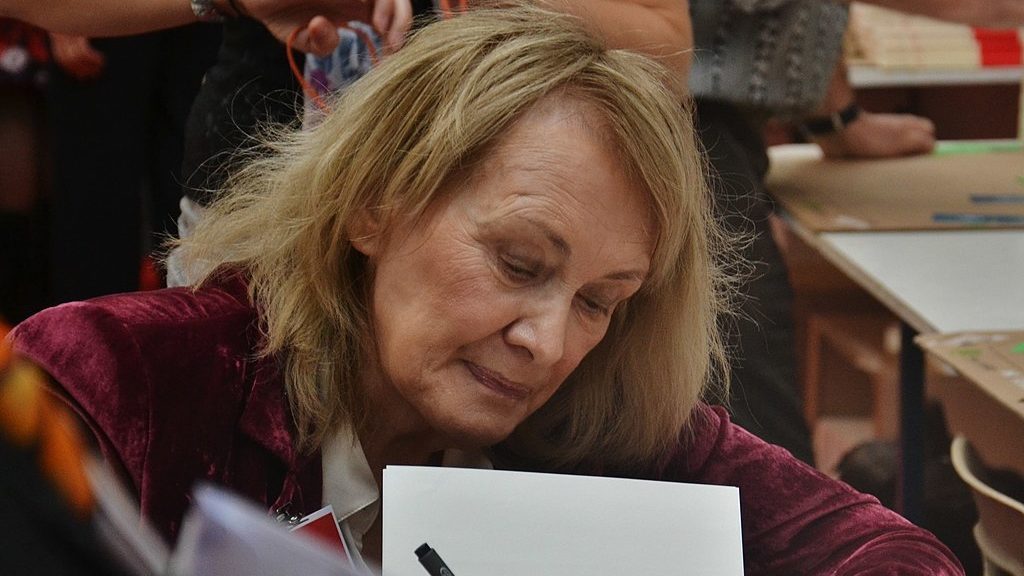
The laureate, French author Annie Ernaux, is known for her long-standing commitment to the Left, perhaps more than for her literary output.
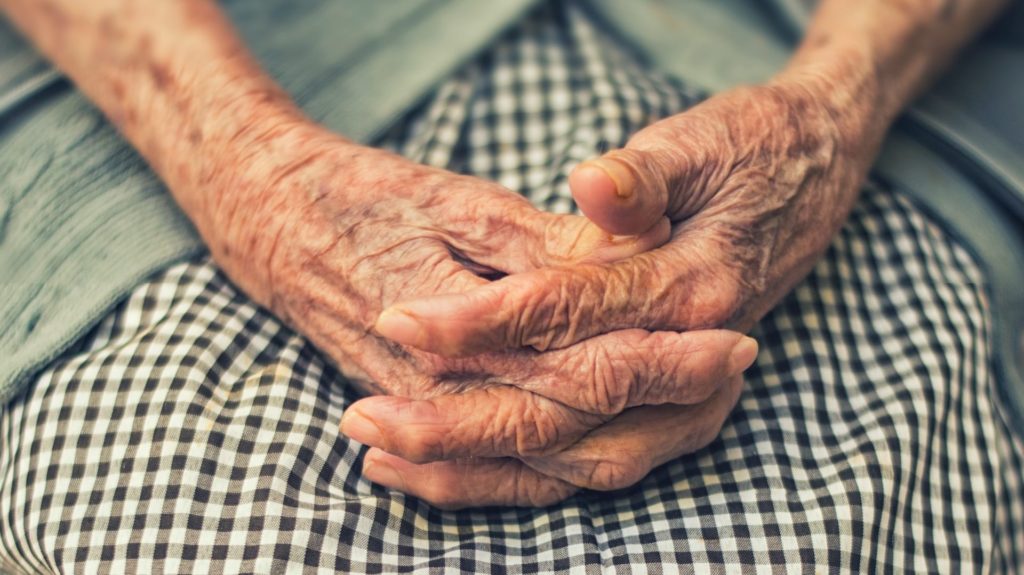
The reality is that skyrocketing euthanasia rates and ever-easing conditions, all without accountability, send a devastating message. It says that at some point, a life is just no longer worth living.
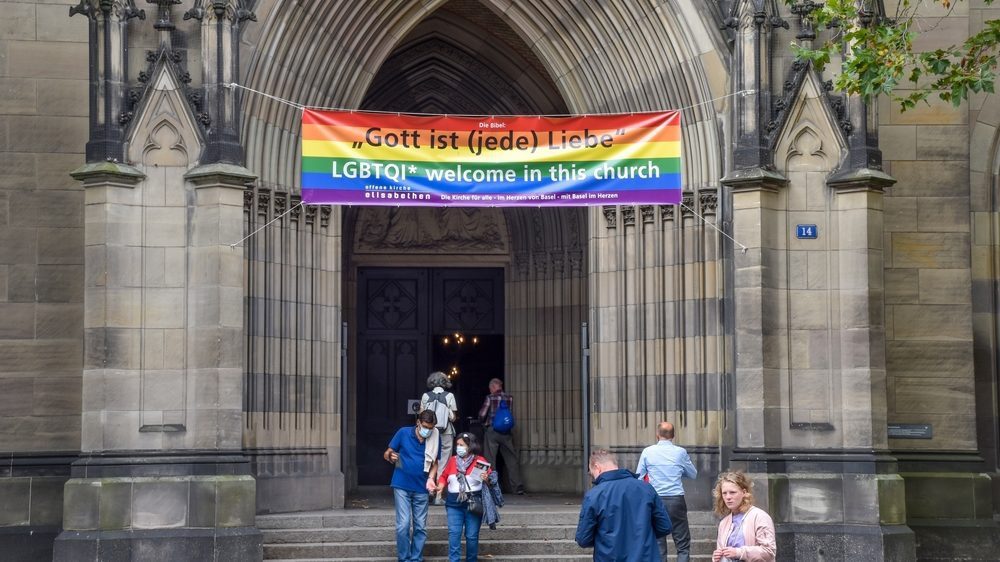
What commentators deem satire has been a reality for Catholics in Germany over the last fifty-some years: a cultural Marxism has been pushed into all dimensions of ecclesial life.