

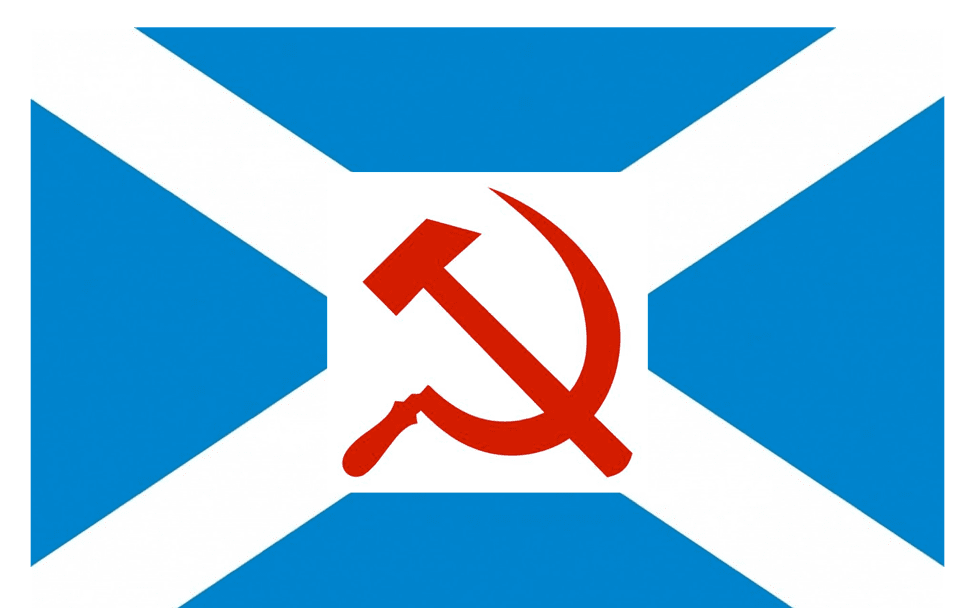
Much like the Communists of the early 20th century, the Scottish government aspires to completely transform society—whether people like it or not.

The well-organised financial network behind the seemingly haphazard and sporadic activism is shocking even to politicians.

The shift in our society has been imposed from the outside. A cocktail of involuntary impositions and the cowardice of our leaders have rendered swathes of Britain unrecognisable.
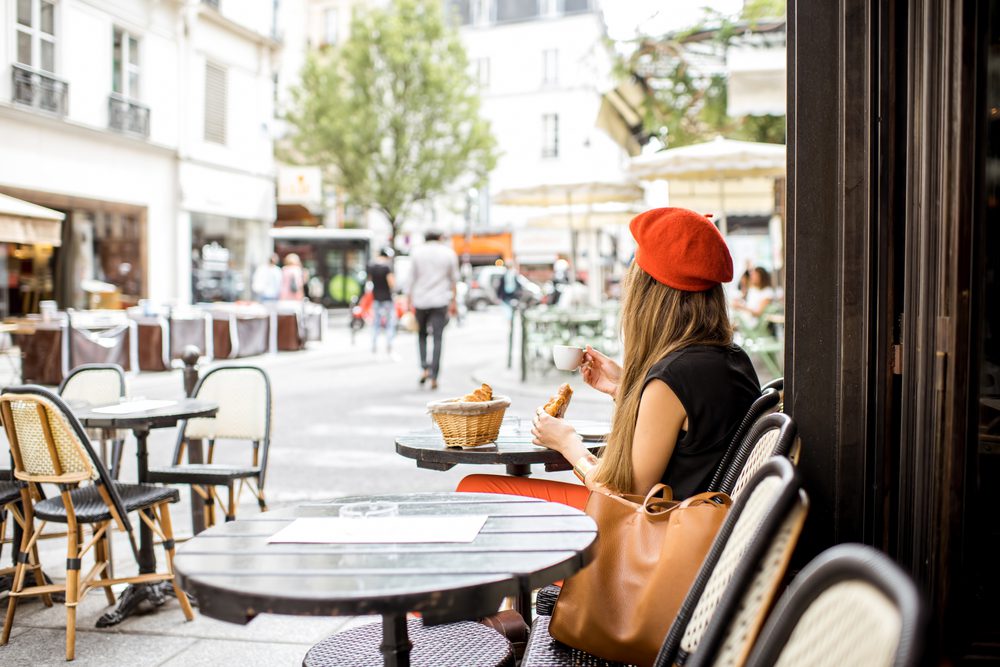
Netflix teams preferred to skip over Hidalgo’s Paris in order to better sell the dream, because the international community does not fantasise about the ecological and sustainable work of the socialist clique in power.
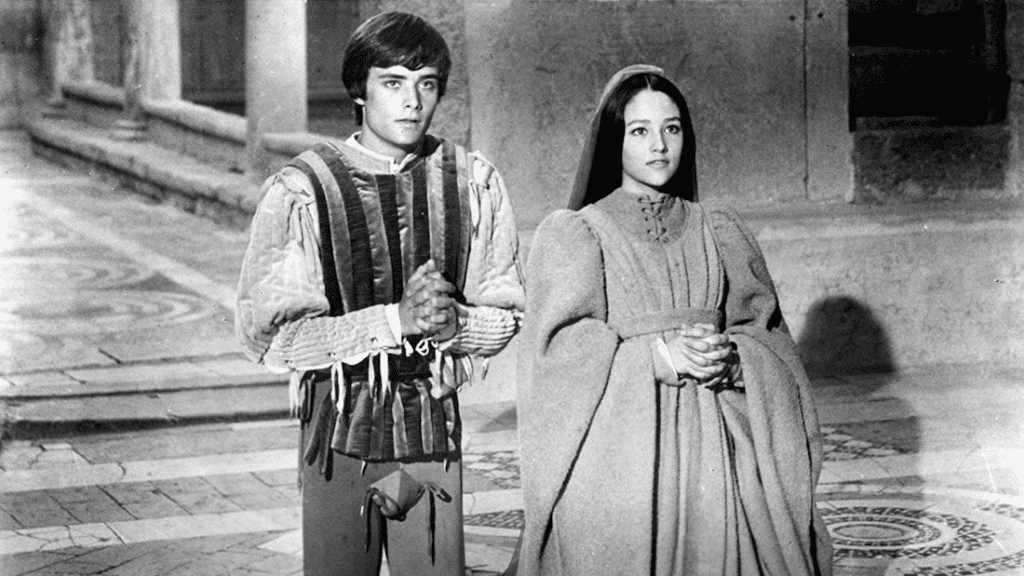
It is sad that we as a culture have become so desensitized that we do not even blink an eye at the relatively ‘tame’ nudity of Zeffirelli’s Romeo and Juliet.
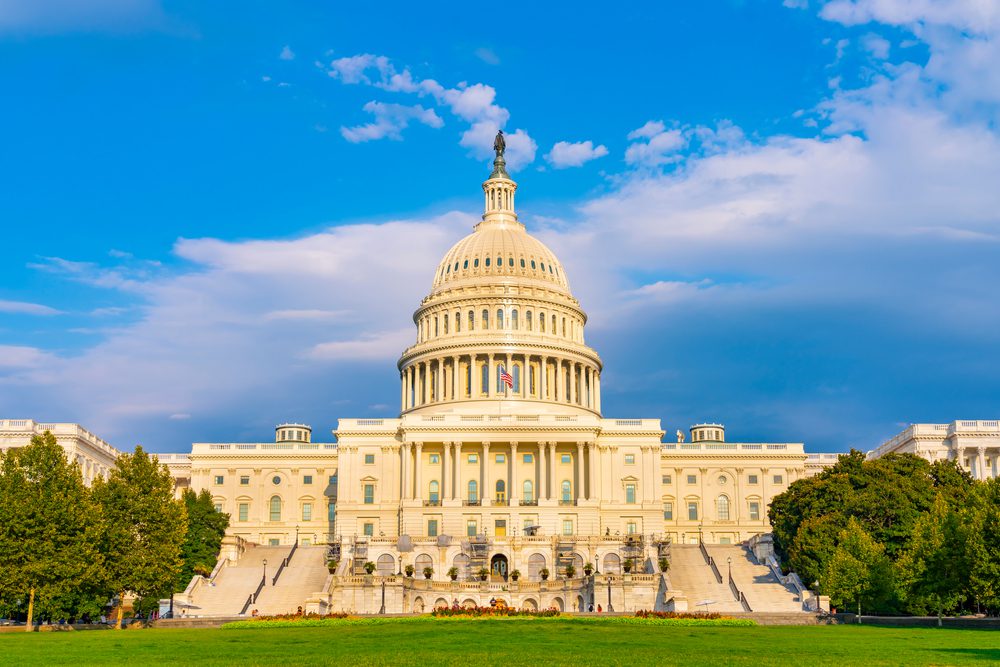
Kevin McCarthy had to make far-reaching compromises on both House rules and policy before garnering enough votes to secure the position as House Speaker.

Our political elite will invoke economic rationale to justify mass migration while wantonly ignoring the evidence that increased diversity reduces social trust. We cannot but conclude that, to them, social trust is not a good to be preserved.
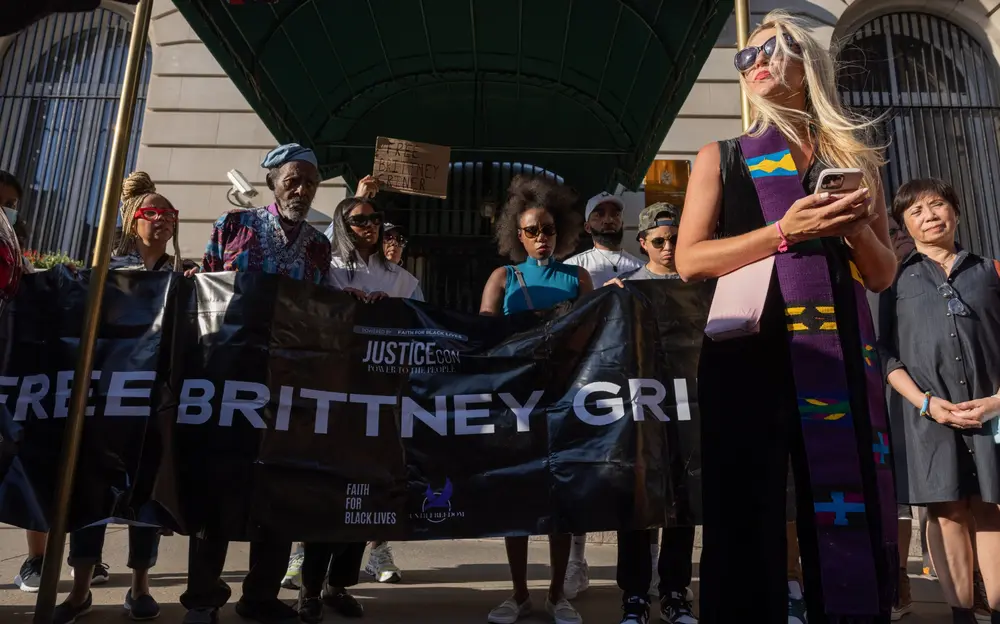
The optics of Griner vs. Whelan are impossible to ignore, exemplifying the stark divisions in American society: patriotism vs. anti-Americanism, celebrity vs. the common man.

It is really very simple. You get what you incentivize, and with Viktor Orbán’s pro-family welfare policies in place, the Hungarian population is bound to see positive results.

Known as the ‘Vienna of the East,’ Lviv continues to be a center of hope and symbol of resistance to the Russian offensive.
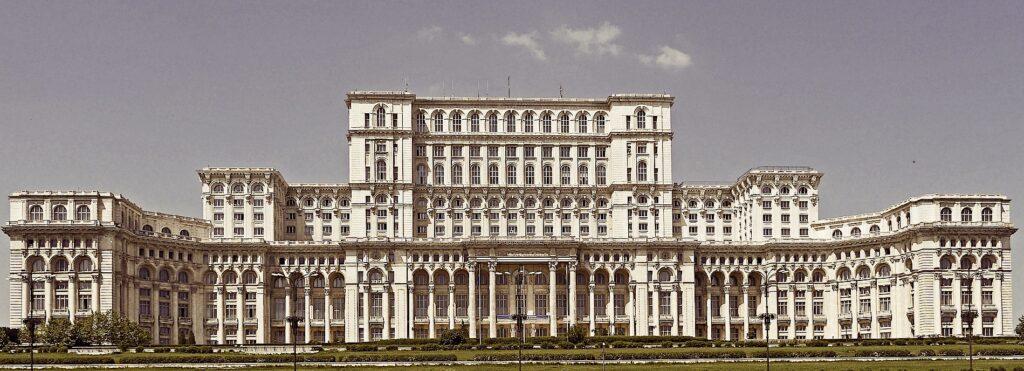
Tyranny can grow in the soil of freedom—all it takes is planting the wrong seeds.
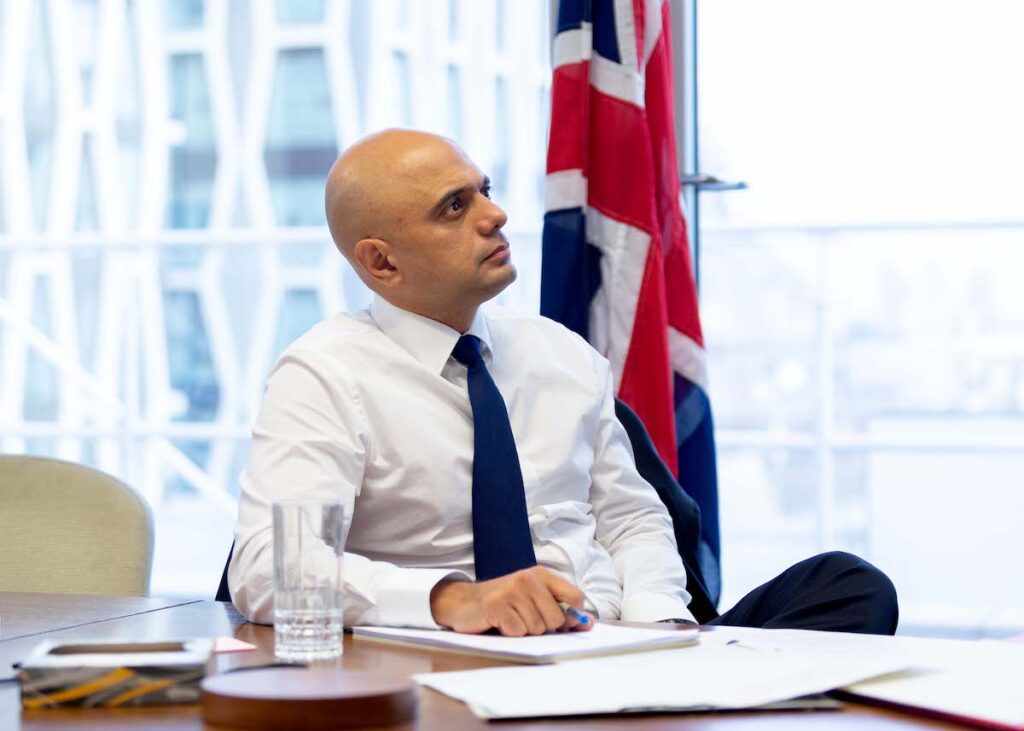
“So what?” is not Sajid Javid’s usual refrain on the topic, particularly when he believes votes are up for grabs.
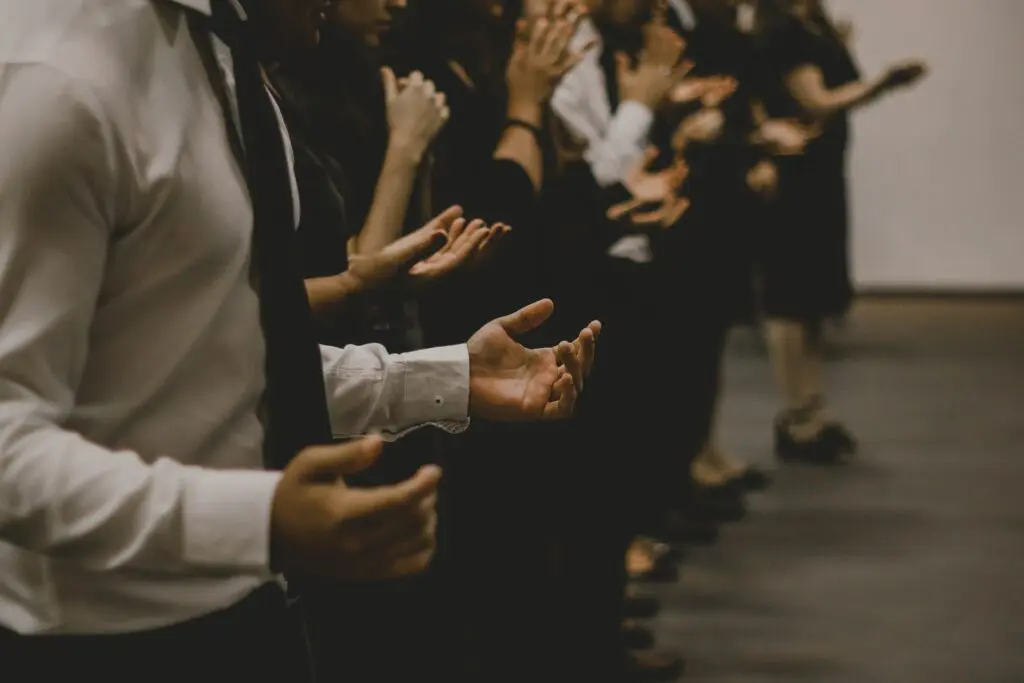
Failing to defend the right to speak freely helps to foster a culture in which people must self-censor, leading to a society that is radically changed for the worse.
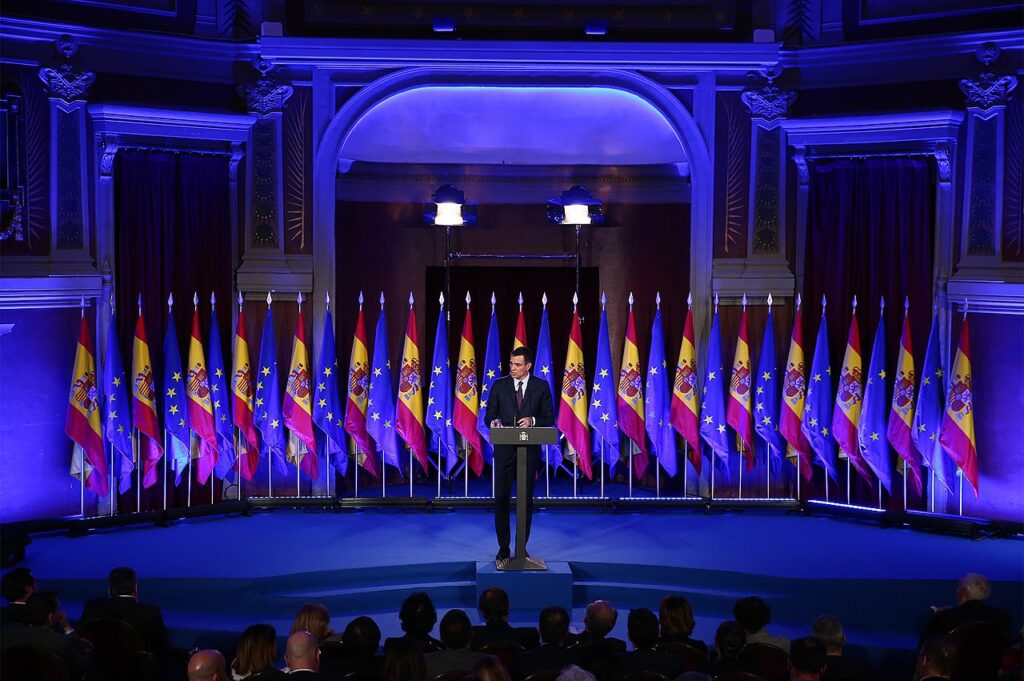
The Left-coalition government in Spain is, quite straightforwardly, abolishing democracy. We explore recent events to unpack this country’s dangerous trajectory.

The simple technique Iseman used was outlined in a white paper published in 2018 by the Harvard University Belfer research centre. The paper also sounded the alarm on just what Iseman did—DIY, unregulated attempts at geoengineering.
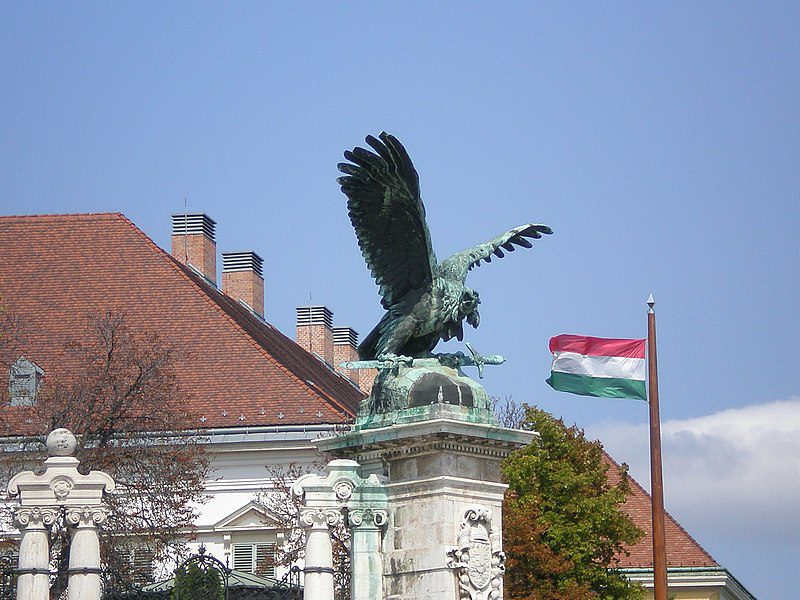
The Ukrainian government’s long-term plan was to pursue a policy of total Ukrainisation of the country. The context of war and the need to get into the good graces of its neighbours led Kyiv to reconsider. But for the Hungarian minority in Ukraine, it is not enough.
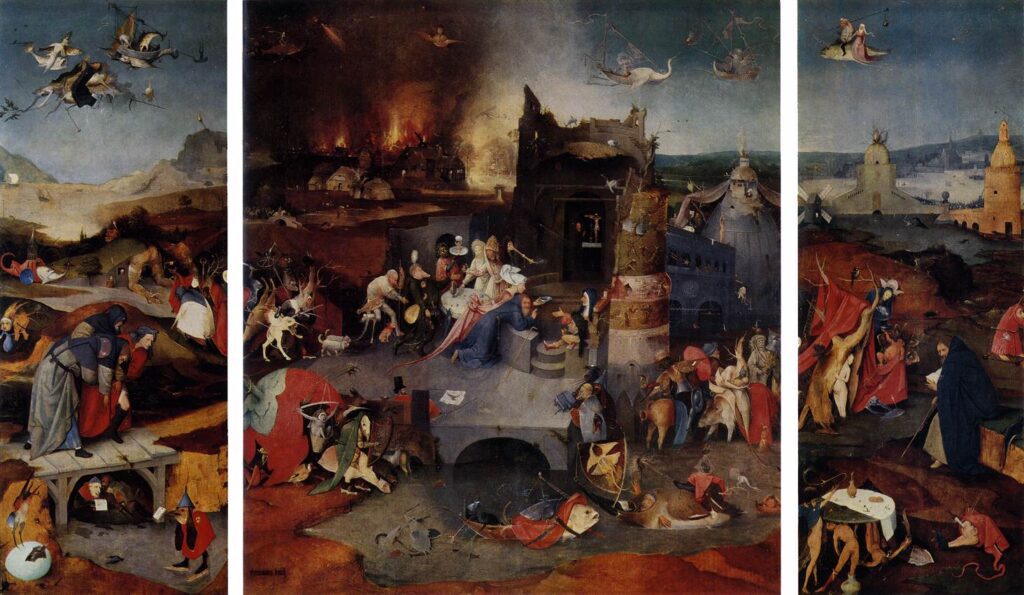
During the first days of the storm, the Vatican preferred to remain silent, a stance no longer possible since it seems clear that Fr. Rupnik has been protected in the highest places.
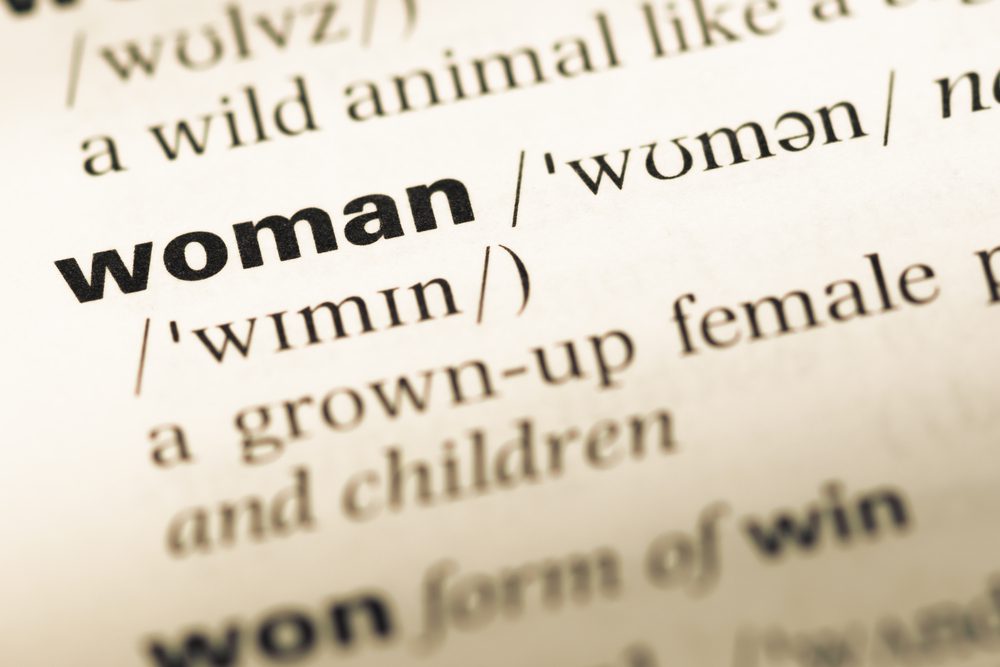
It may be just a few words in a book no one reads, but the fact that the purveyors of truth have capitulated to a lie that would not fool a toddler, should terrify any logical thinker.
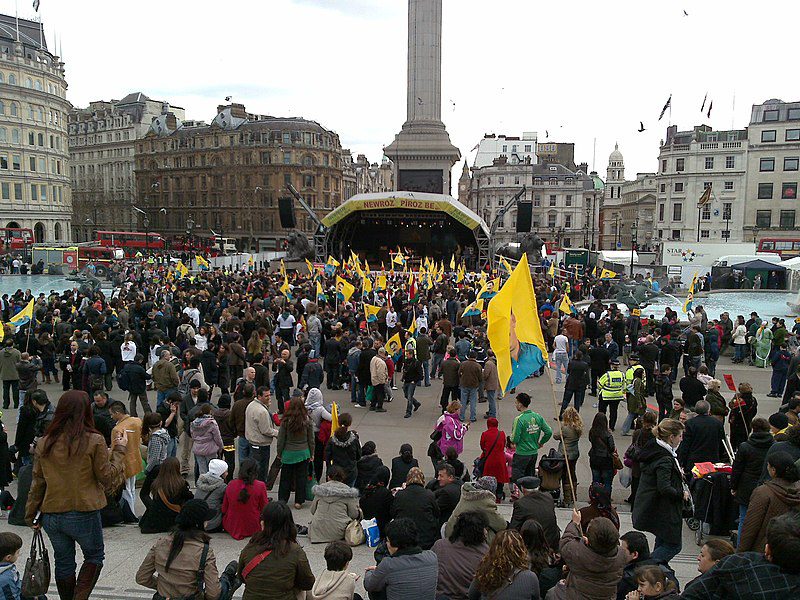
One of the consequences of mass migration is that international conflicts become domestic affairs in major western cities.
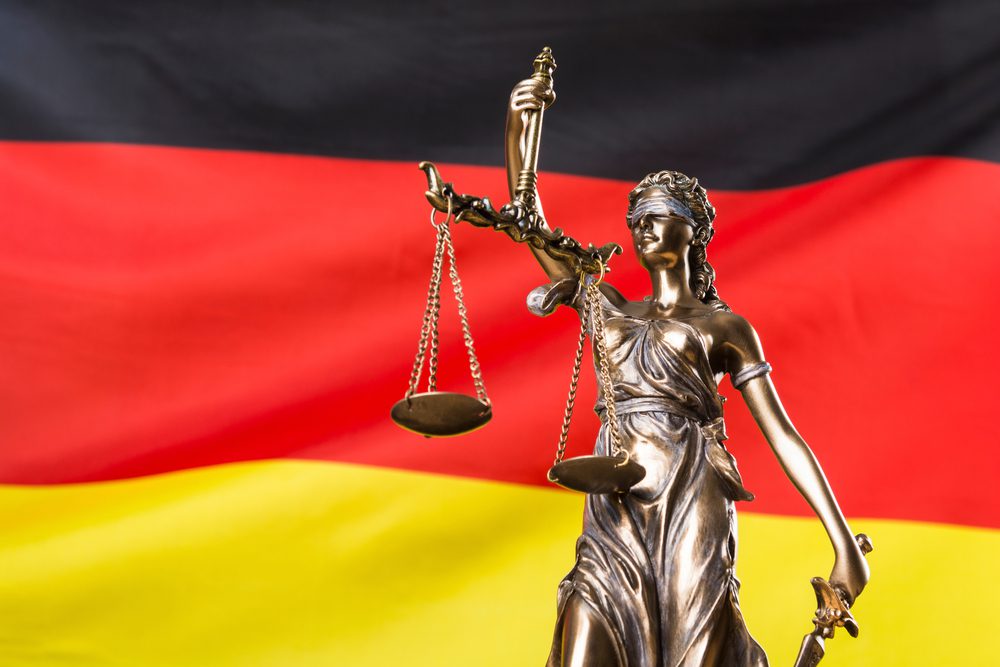
With its recent ruling, the GCC enters the second decade of ambiguous jurisprudence over the constitutionality of EU rescue programmes.
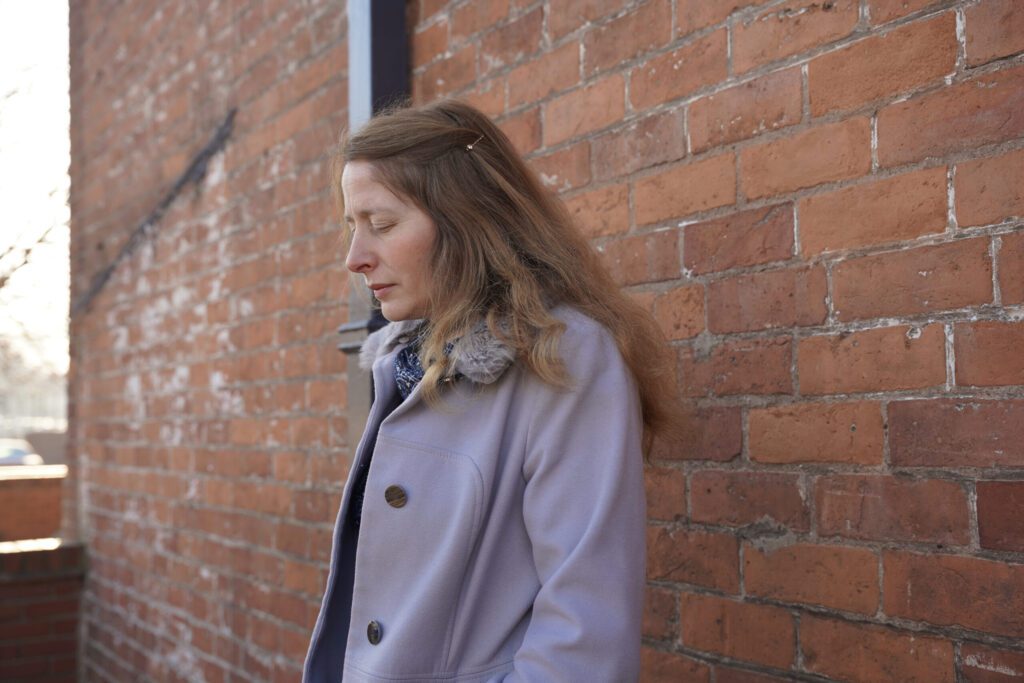
A free country is not one in which one can do whatever one wills. That is anarchy and chaos. A free country is one in which the liberties of its members are sufficiently protected that they can do what is good.
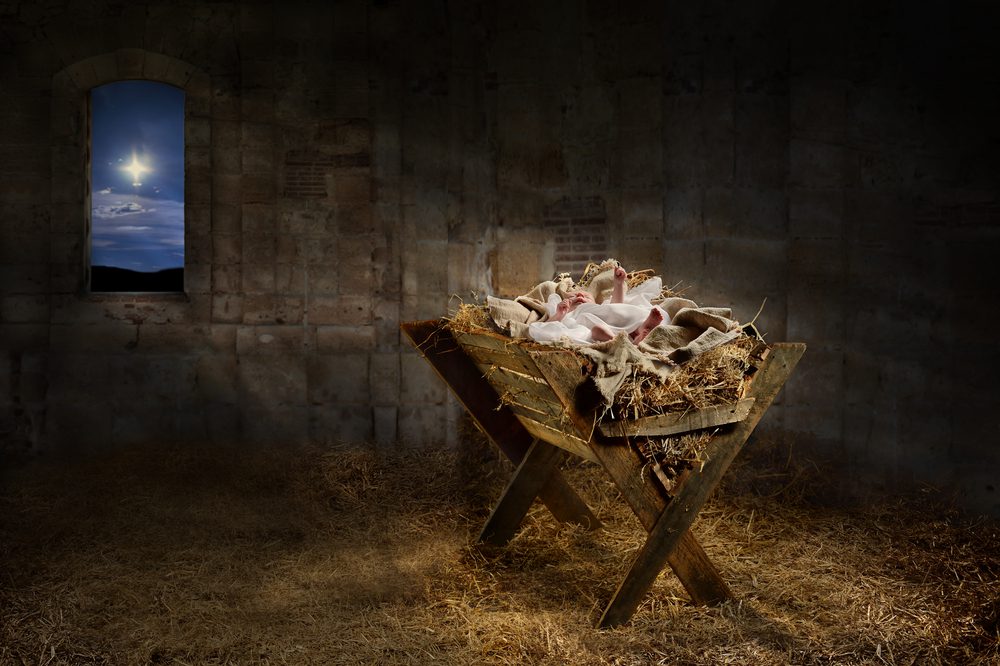
The birth of Jesus Christ has nothing to do with the Christian adoption of a pagan festival.
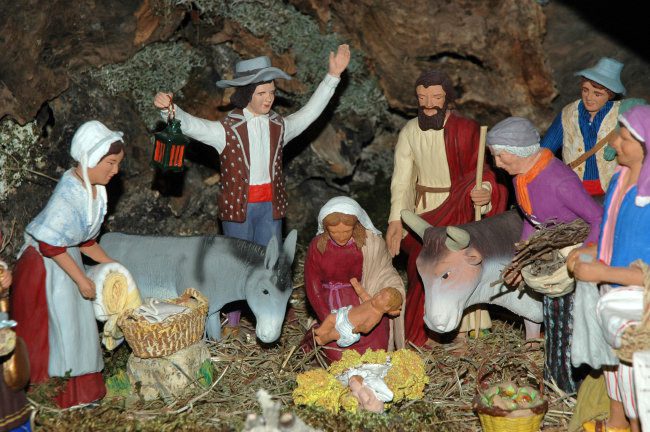
The illegality of Nativity scenes on public property is distasteful in the south of France where the traditional display is especially strong and broadly followed by the population, despite the absence of widespread religious practice.

Lay Australian Catholics are dramatically limited in what we can achieve. But we have endless power to thwart our home-grown counterpart to the Patriotic Chinese Church. This power we must wield.
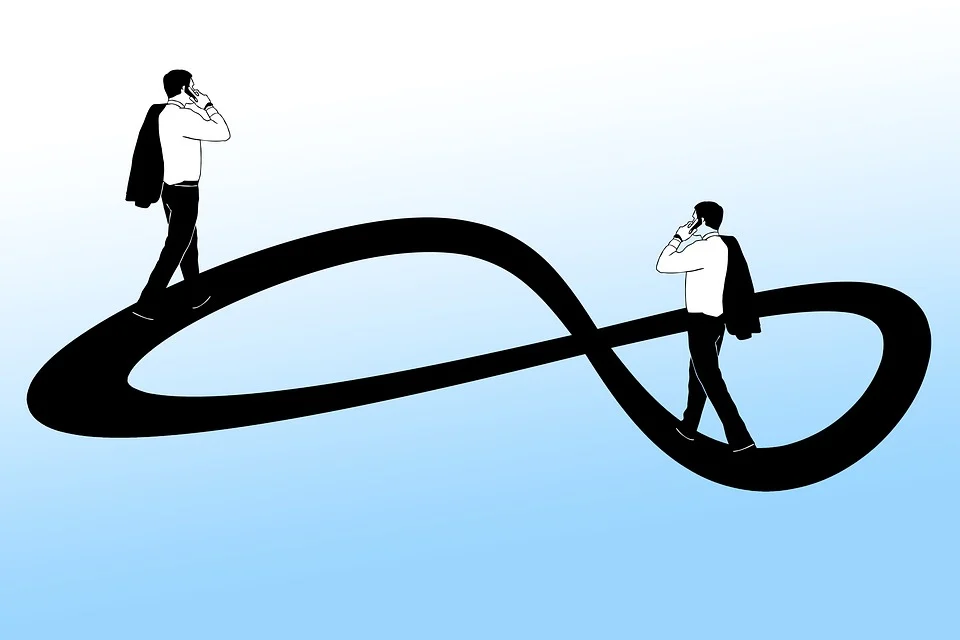
A capitalist society is not nihilistic. It allows man’s economic virtues to flourish. And yet, without moral guardrails, capitalism becomes its own worst enemy.

What started as an allegedly rare and ‘kindly’ way to ease the suffering of the terminally ill has ballooned into a government program offering death as an escape from loneliness, depression, or even poverty and homelessness.
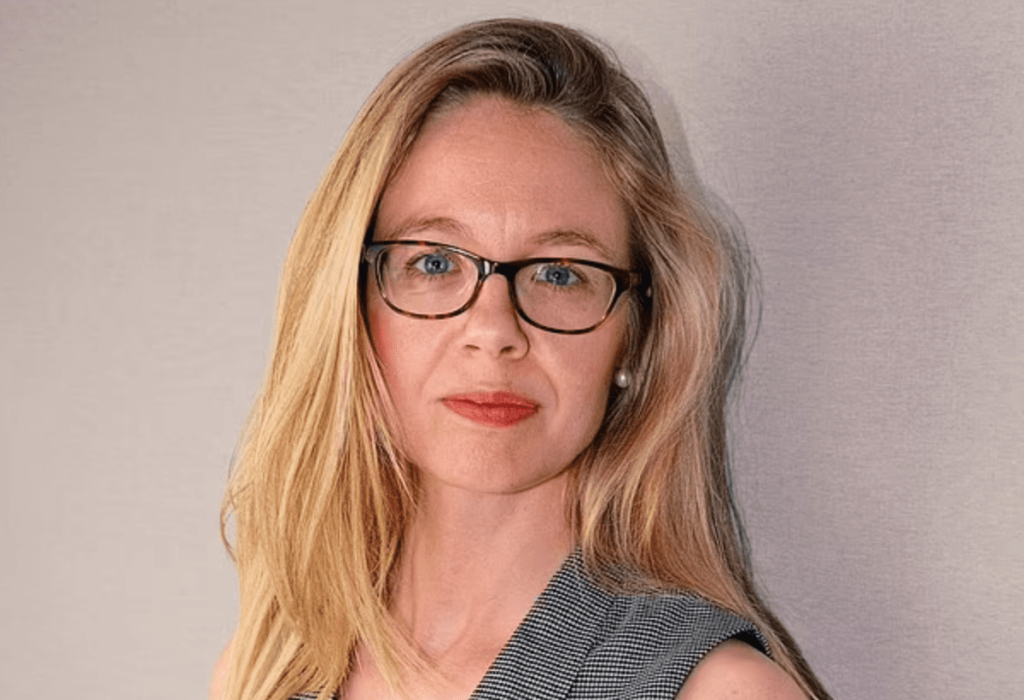
Gallagher was told that the ideal of treating people on the basis of their character, rather than the colour of their skin, was an “outdated” notion which “could not be tolerated.”
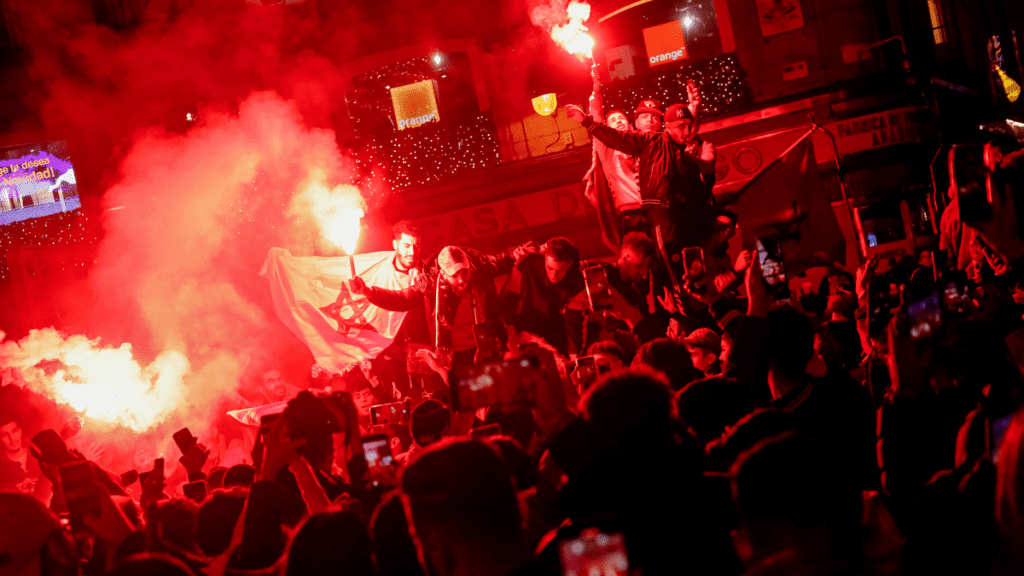
Amidst talk of a victory for Muslims in general, vulgar ethnic resentment against Europeans on the part of rioters can pretend to stem from a principled opposition to secular, liberal postmodernity.
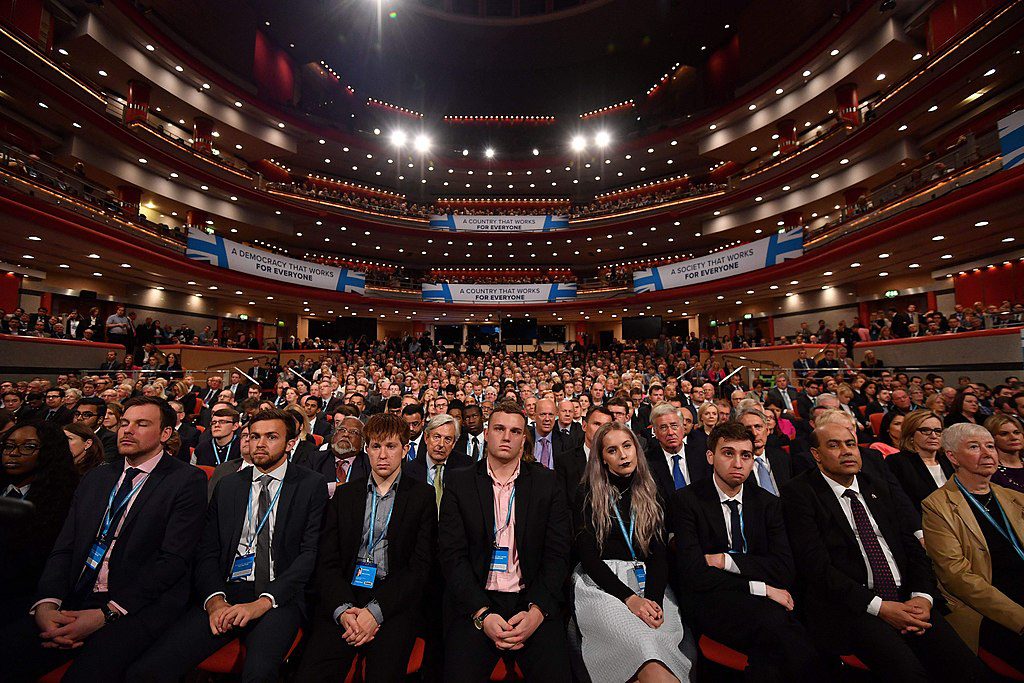
The real problem facing us: if we are not allowing members to vote for their leader, we have to concede that there must be a different reason for those members to feel valued. Yet, there is no easy fix here.
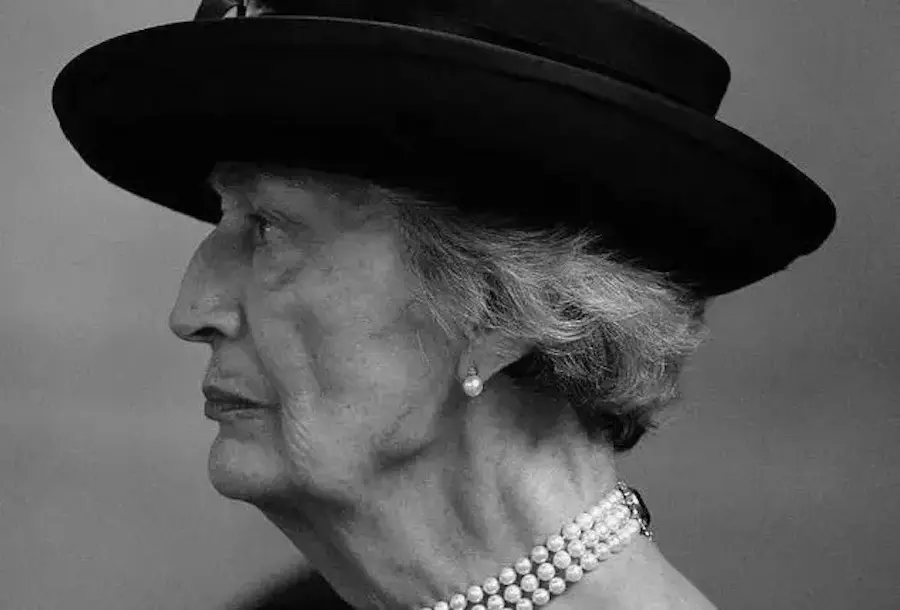
I have repeatedly defended the monarchy against fellow conservatives who feel that it is rapidly becoming another celebrity clique, jumping on the popular ‘woke’ bandwagons. Now, the royals have once again appeared to prove their most cynical detractors right.