

Russia Reacts to New U.S. Peace Plan for Ukraine
As the U.S. envoy prepares to meet Putin next week, the Kremlin signals cautious optimism—while warning European involvement could complicate negotiations.

As the U.S. envoy prepares to meet Putin next week, the Kremlin signals cautious optimism—while warning European involvement could complicate negotiations.
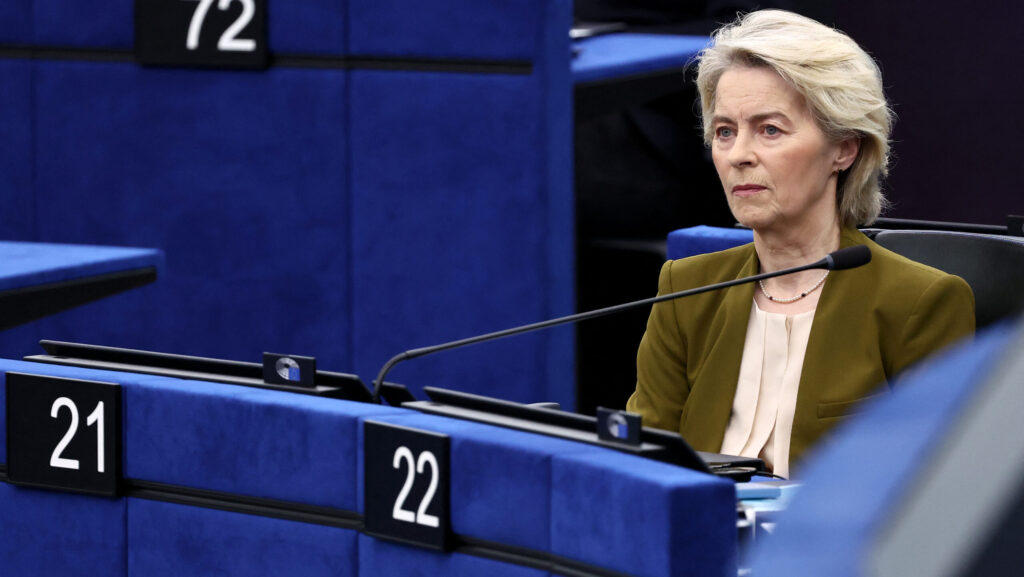
Von der Leyen vows to accelerate plans to tap frozen Russian assets, while MEPs warn the EU is fuelling a war it refuses to help end.

Legal costs push the total financial burden for the ten protesters to €1.1 million, marking one of the first civil rulings against the Last Generation climate group.

“Some people in Paris and Berlin have internal problems and want to continue the war, perhaps in order to sell weapons.”

300 preschoolers in the Italian city are set to participate in “sexual and emotional education” courses.

Rome’s landmark criminal justice reform comes as global data shows women remain far more likely to be killed by partners or family members than by strangers.
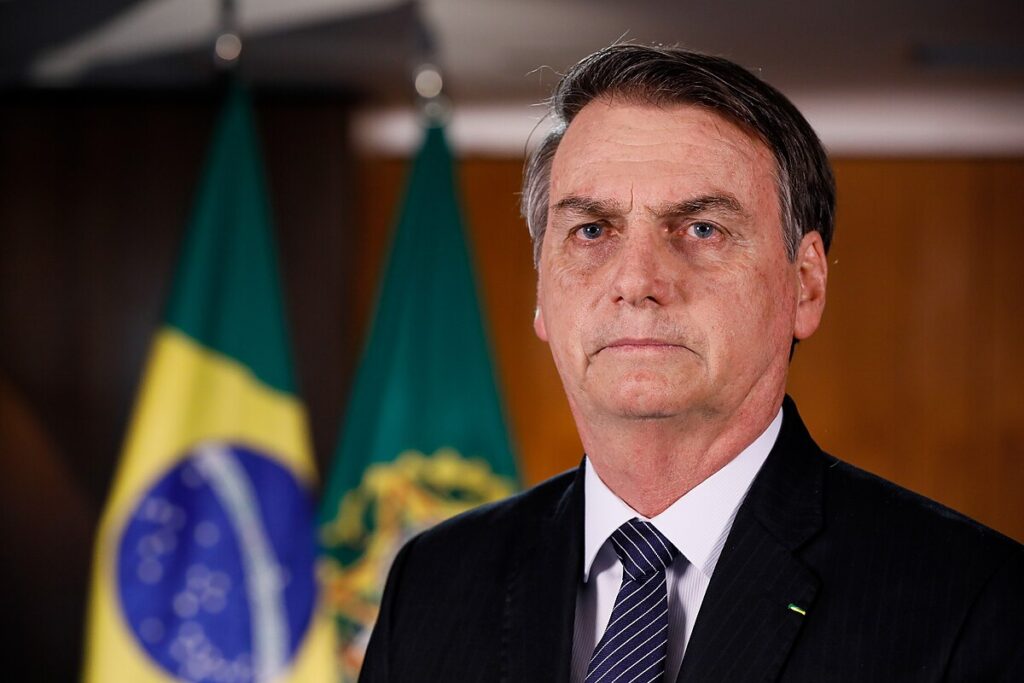
Ahead of the 2026 election, the jailing of the former president has left Brazil’s conservative bloc without a unifying figure.
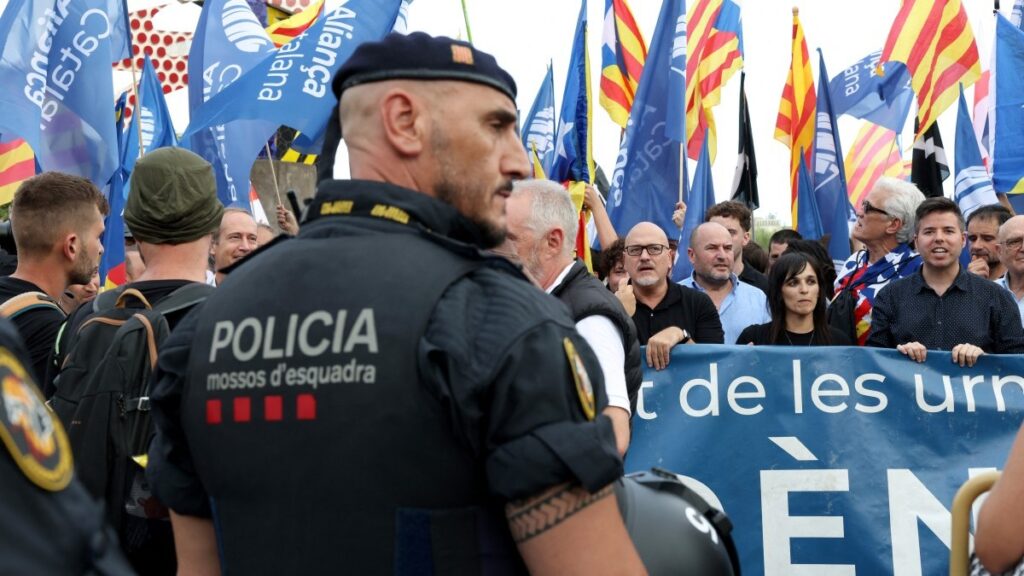
Aliança Catalana, led by Ripoll mayor Sílvia Orriols, is soaring in the polls as voters desert the traditional parties over immigration, security, and cultural identity.

After 4,277 additional BSW votes were ‘found’, the party’s demand for a recount gained momentum.

European leaders warn Russia shows no sign of accepting a ceasefire, while Washington claims progress.

Support groups say as sex cases increase, more and more women in the EU capital are seeking help—creating pressure on local services.
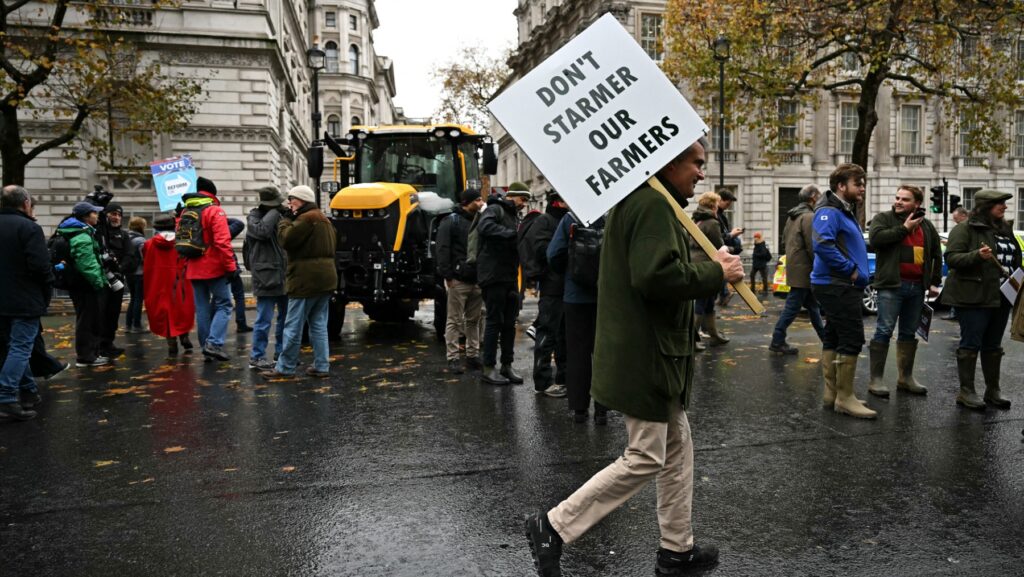
Representatives for the ag sector insist there is still time for the government to reverse its damaging inheritance tax reforms.

Slovenians have voted against a new assisted suicide law, defying the West’s growing appetite for granting the ‘right to die.’
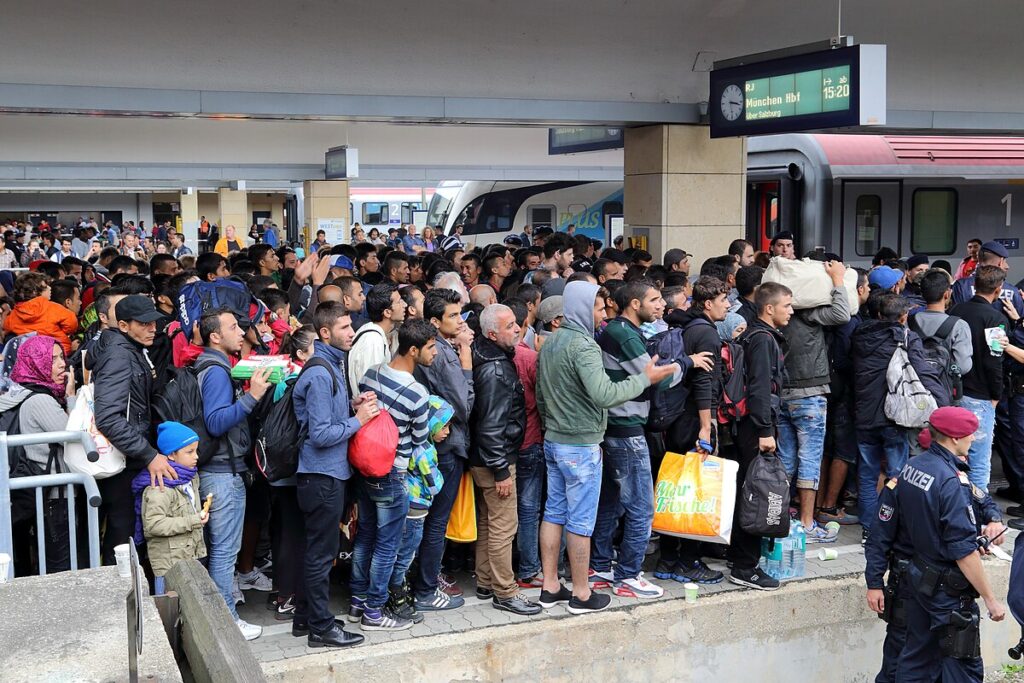
A 15-year-old girl is recovering in hospital after emergency surgery on her wounds: police are investigating the possible motive.

The danger of 1938 was not too much realism—it was too little. And that is what we risk repeating today, not by negotiating, but by refusing to do so.

For the first time, conservative feminist groups joined France’s annual anti-violence protests—facing hostility from left-wing activists.

Three men have been arrested in connection with the attack in the Italian capital: investigators are now examining digital and DNA evidence.

Last year, the overall number of crimes in Germany fell, but not on the railways, where knife incidents and attacks on officials increased significantly.
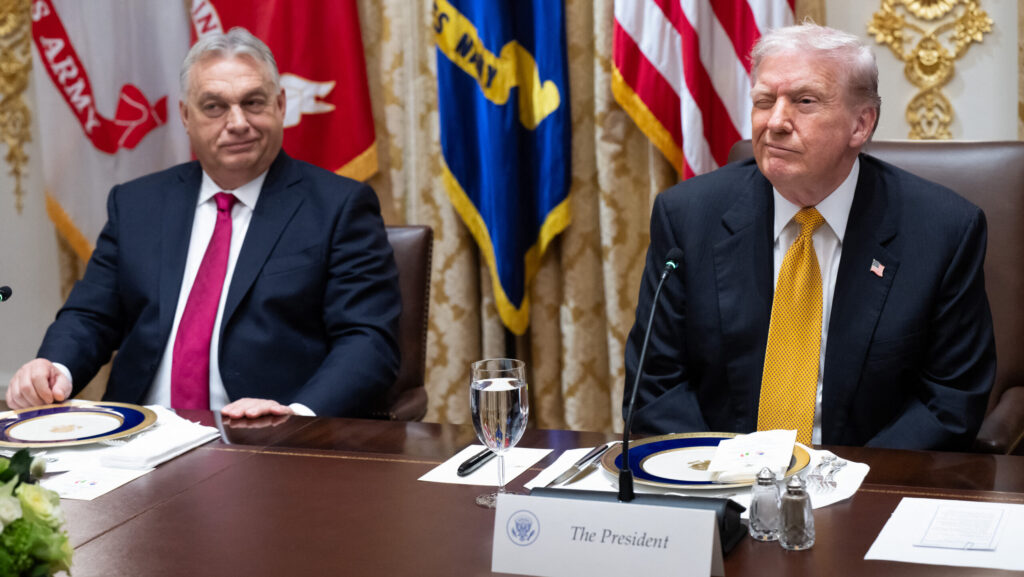
As Washington renews its drive for a negotiated end to the war, Hungary’s prime minister is shaping the diplomatic path—much to Brussels’ frustration.
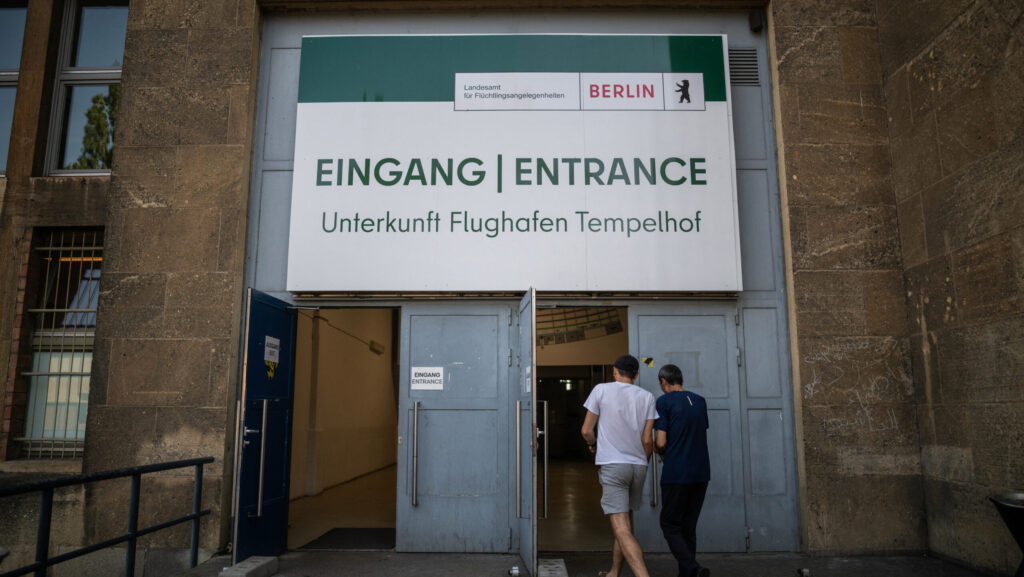
New government figures, released after an AfD inquiry, show years-long delays in enforcing departures.

A Moldovan village was evacuated after UAV fragments landed on a house near the Ukrainian border.
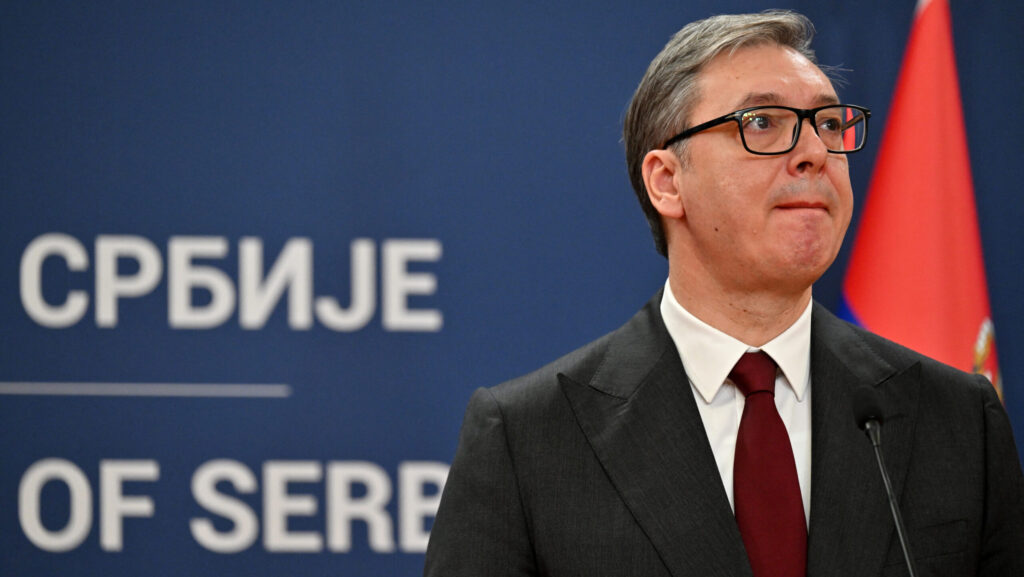
Serbia’s government is negotiating with Russian owners and preparing fuel imports to avoid a national energy crisis.