

Brace for Austerity, Part II
Structural spending reform replaces today’s welfare state with basic but dignified benefits to those who by no fault of their own are unemployed.

Structural spending reform replaces today’s welfare state with basic but dignified benefits to those who by no fault of their own are unemployed.

The actions of the International Criminal Court incentivize the Palestinians to continue their zero-sum stance towards the conflict.
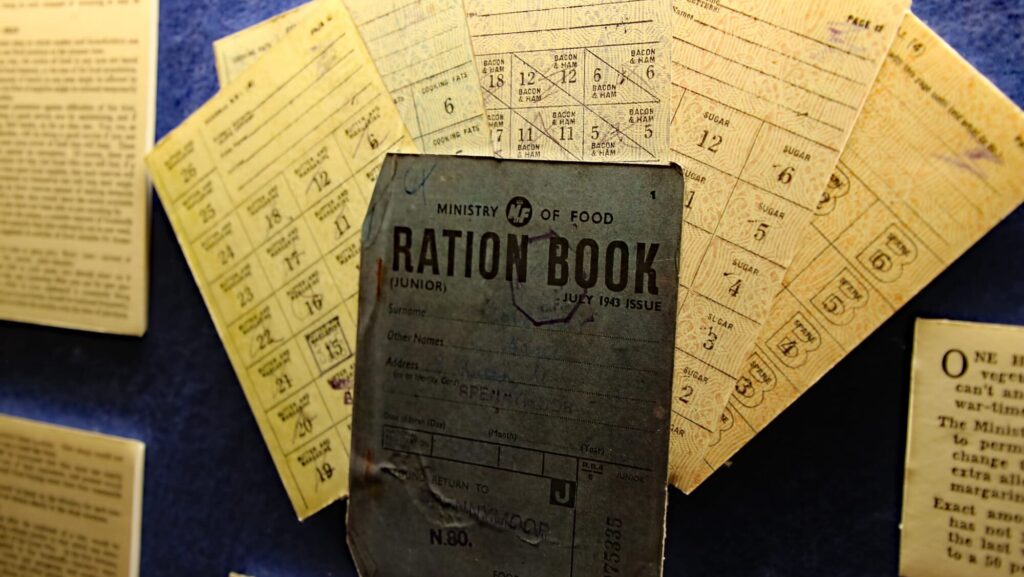
Reckless government spending is going to provoke more fiscal austerity in Europe. There is no right way to do austerity. Here is why.

Despite repeatedly yielding to Azerbaijan with American encouragement, Armenia has not yet received security guarantees from America.

The efforts of the Left and centre to keep Le Pen’s RN out of government would leave France in the rut of immigration, insecurity, and loss of self-confidence.

Inflation varies wildly across the euro zone. Economists have not yet been able to explain why; here is my hypothesis.
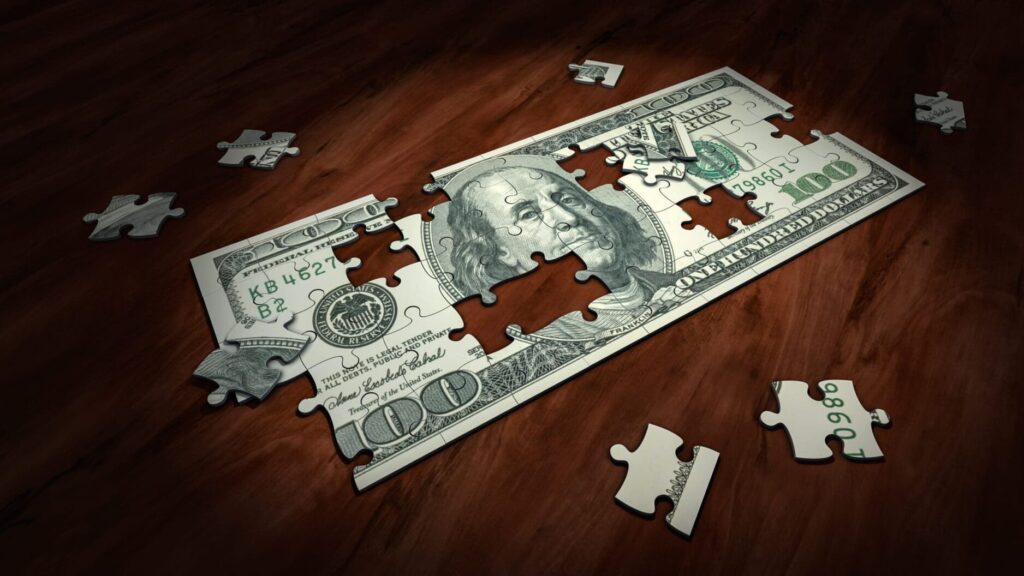
For two big reasons, there is still no sight of lower interest rates for Americans.

In its quest for a utopian multicultural society, the EU denies the fundamental differences that exist between cultures.
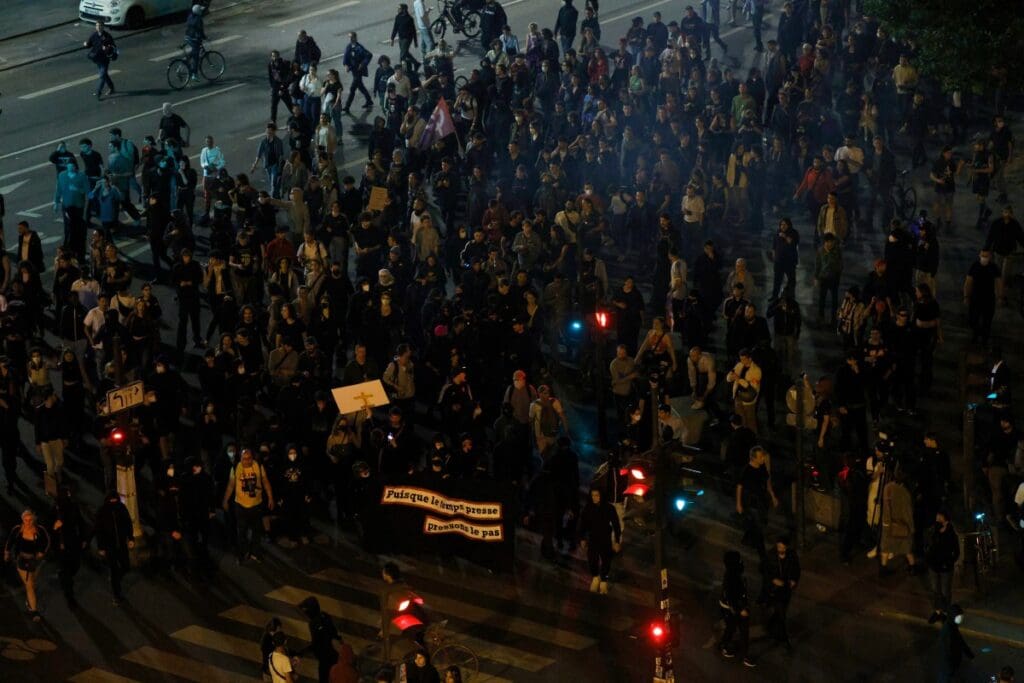
The RN’s rise is spectacular, but it would be naïve to underestimate the capacity of the political system, dominated by the Left, to defend itself in order to survive.

By signing a pro-Biden letter without substance, these economists have politicized a prestigious award and compromised their own scholarly integrity. Shame on them.
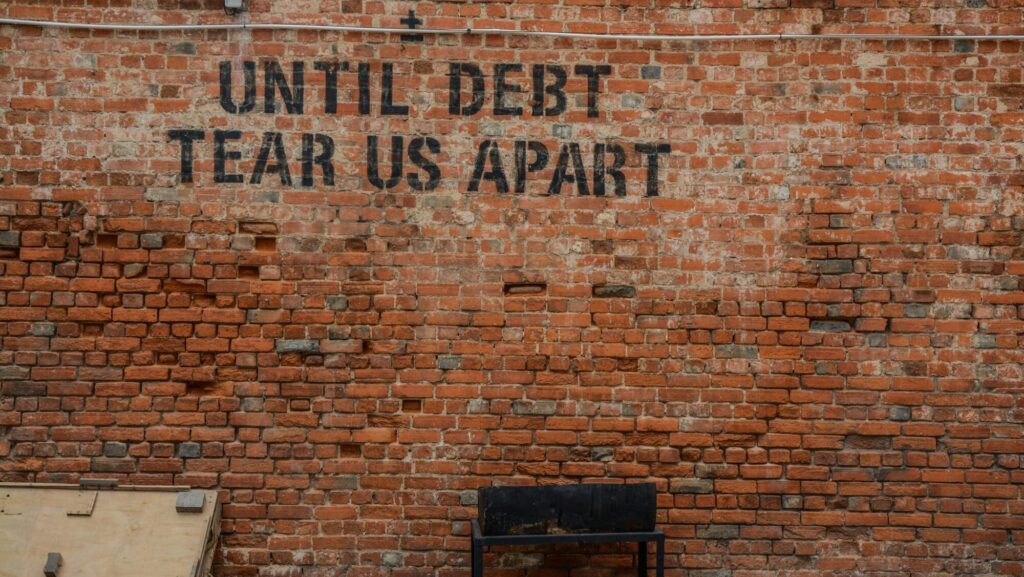
At the start of 2024, there was a trend break on the market for sovereign debt that suggests investors may be asking a risk premium to buy U.S. government debt.
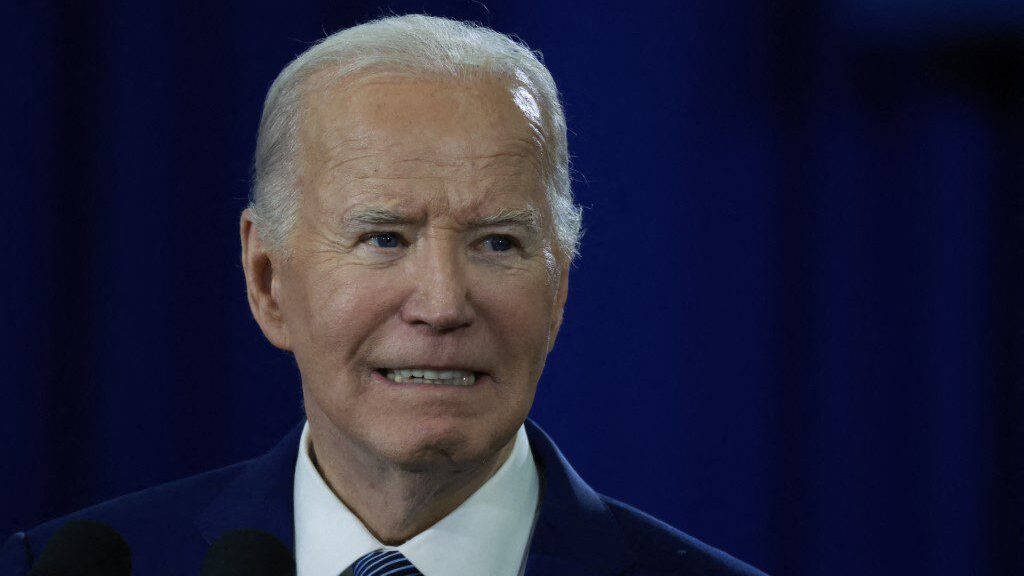
Joe Biden wants the ‘rich’ to pay their ‘fair share,’ but he never defines what the ‘fair share’ means. There is an ominous reason for that.
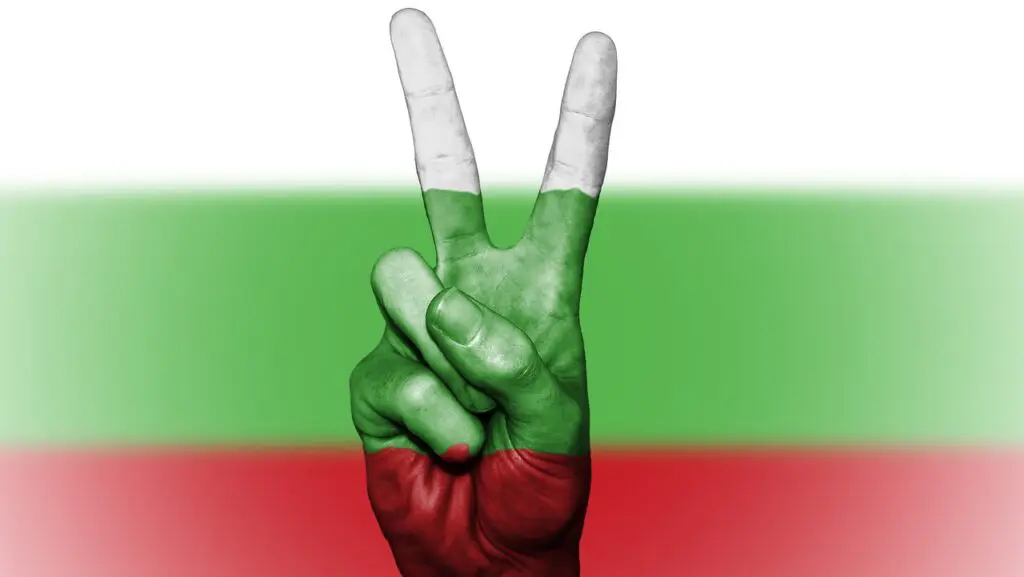
Bulgaria is on the cusp of joining the euro but has not yet set a firm accession date. They would be wise in waiting to give up their own currency.

At the very least, the ECR and ID groups will need to work more closely together to counter the “federalist” forces in the European Parliament.
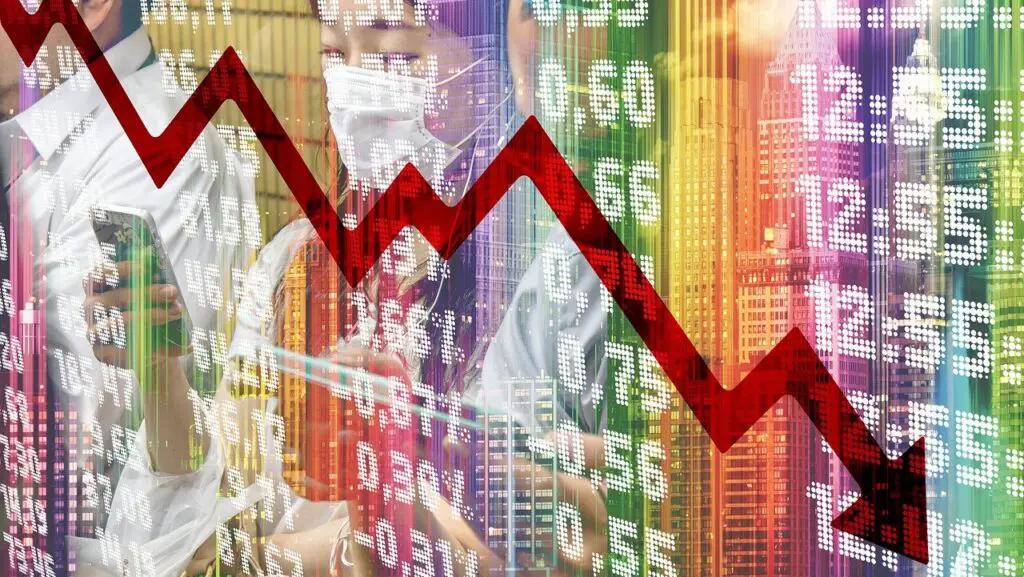
If this odd change in the yield curve continues, it will turn into an open vote of no confidence in U.S. government debt.
As in the endless disputes between brothers and sisters, we end up forgetting who started it and who said what.

What looks like a mild recession on the surface could turn into something much more serious.

Why is it so hard for the ECB to admit that inflation is a monetary phenomenon?

Buried in a pile of technical data are pieces of information that suggest investors are getting seriously worried about the growing pile of U.S. debt.

There are many pundits out there having opinions on inflation. But what do the latest figures really mean? Is inflation here to stay?

The problem in Europe and America is not that the free-market economy is too big. The problem is that the free-market economy is not big enough.

Three independent sources criticize the free-market system. Two of them are from the U.S. government. What is going on here?