
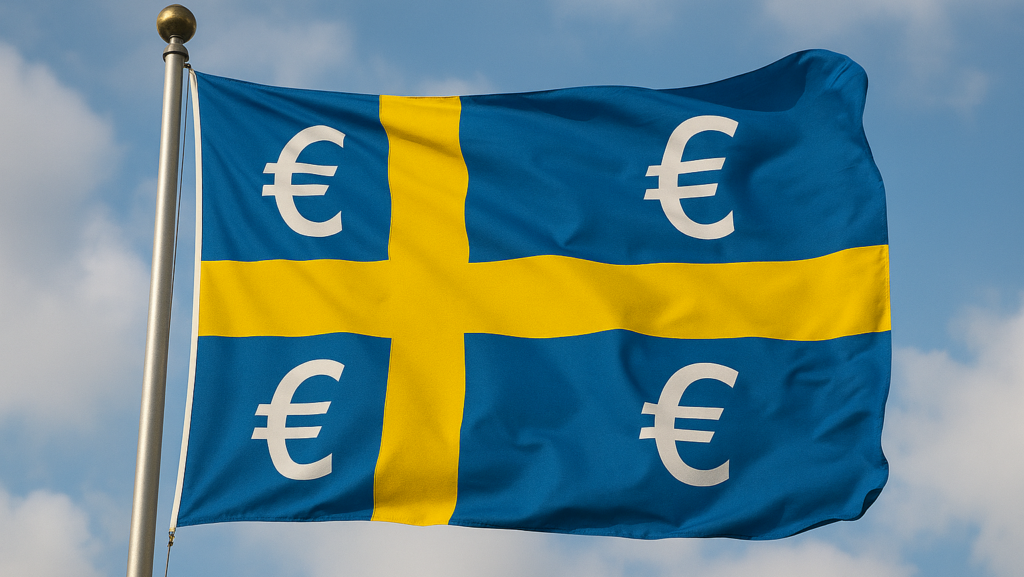
Sweden Is Being Prepared for the Euro Zone
The September election is shaping up to be a fight over what currency the Swedes should be using in the future.

The September election is shaping up to be a fight over what currency the Swedes should be using in the future.

“A leader who privately embraces sectarian expansion while publicly signaling moderation cannot credibly claim to protect minorities or respect state sovereignty,” counterterrorism expert Sarah Adams said.
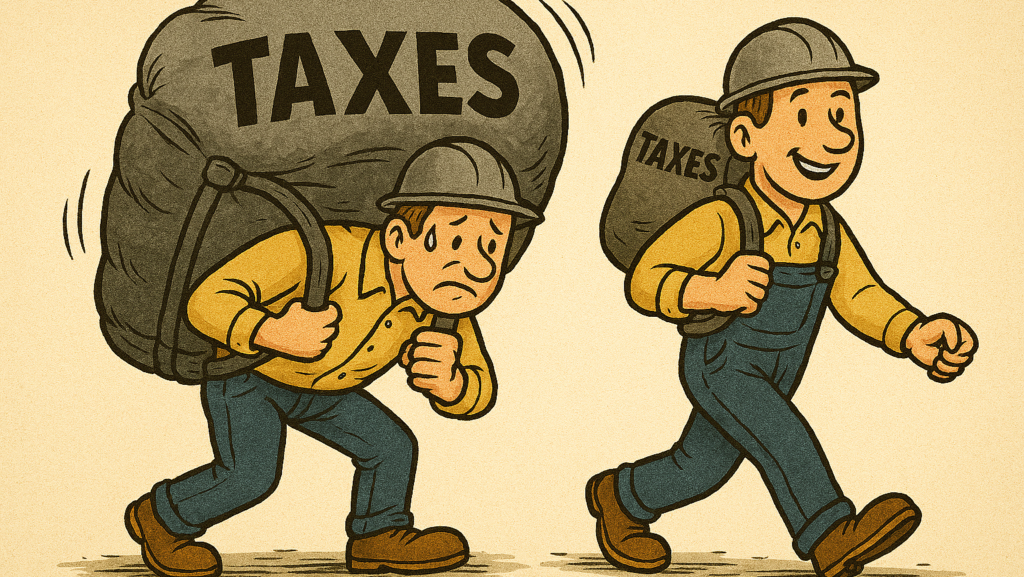
Europeans have not always paid the high taxes they pay today.
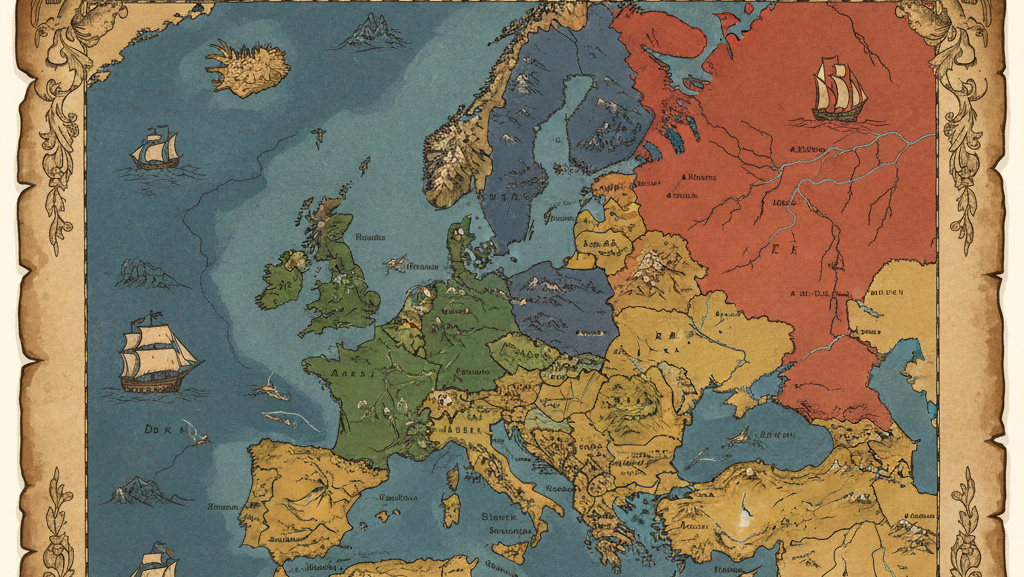
President Trump plays Europe’s political elite like a violin.
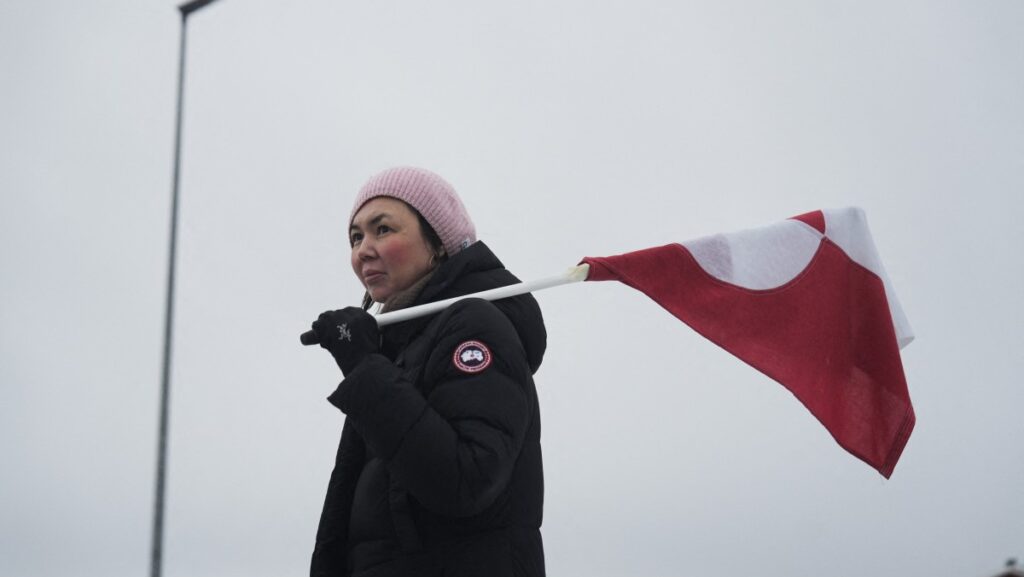
As the Arctic opens up, Greenland is becoming increasingly important for security, resources, and access to new shipping routes.
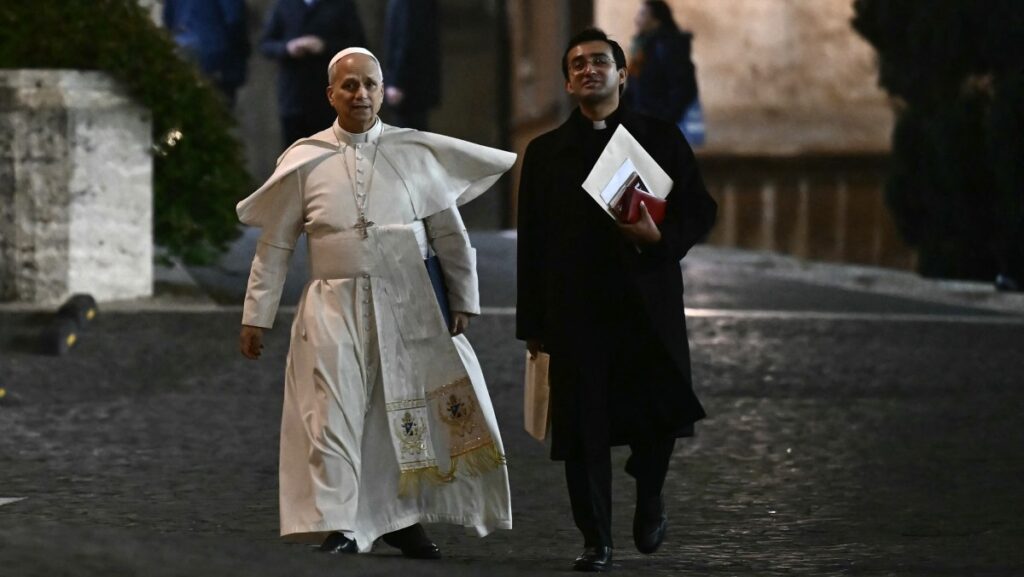
The challenges awaiting the Church in Europe are no longer episodic, but systemic.
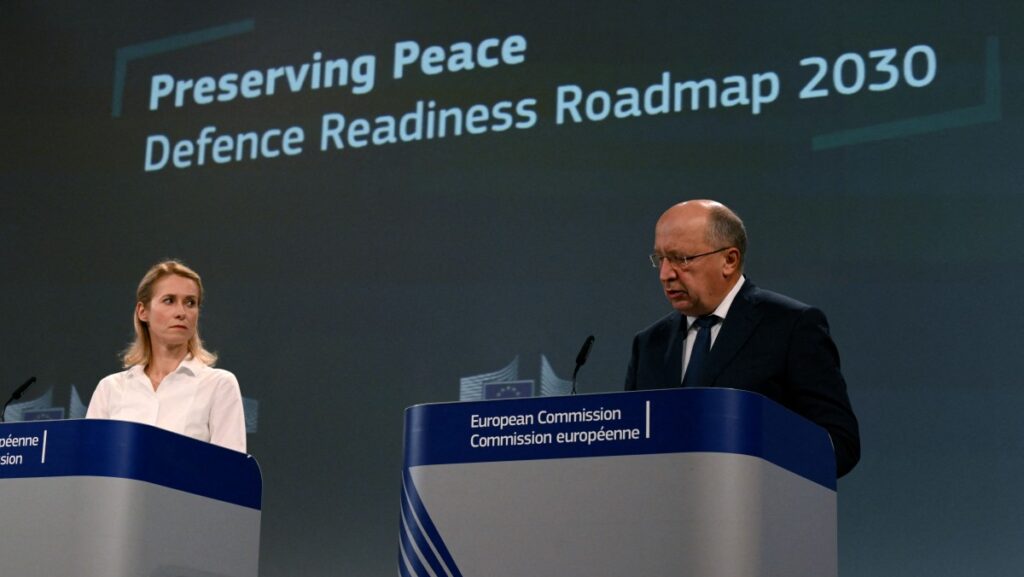
With a stagnant economy and debt costs already rising, Europe could not be in a worse position to plan a military buildup.
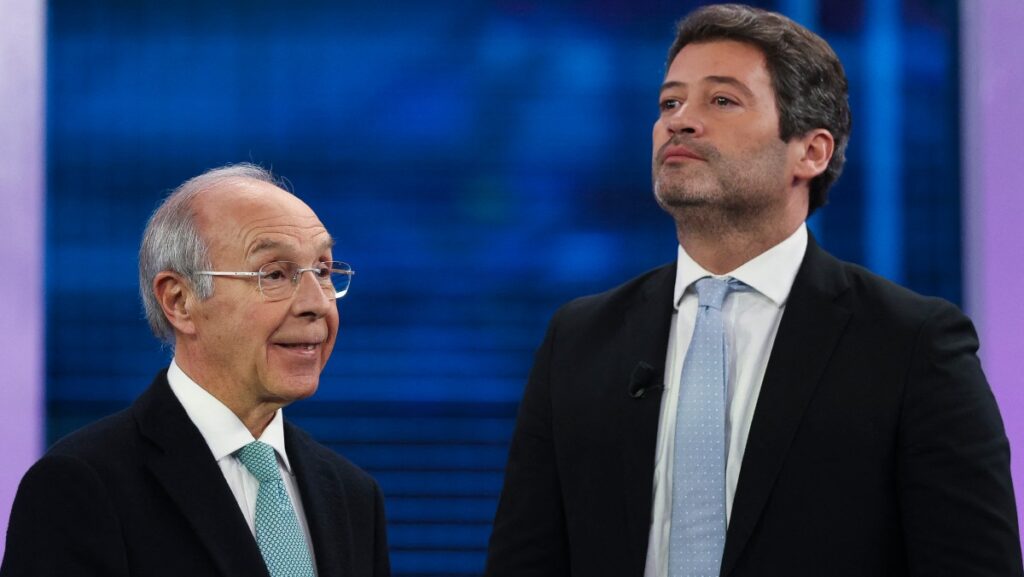
In 2026, identity and sovereignty are what actually matter. There’s only one candidate saying those words in Portugal—and that’s Ventura.
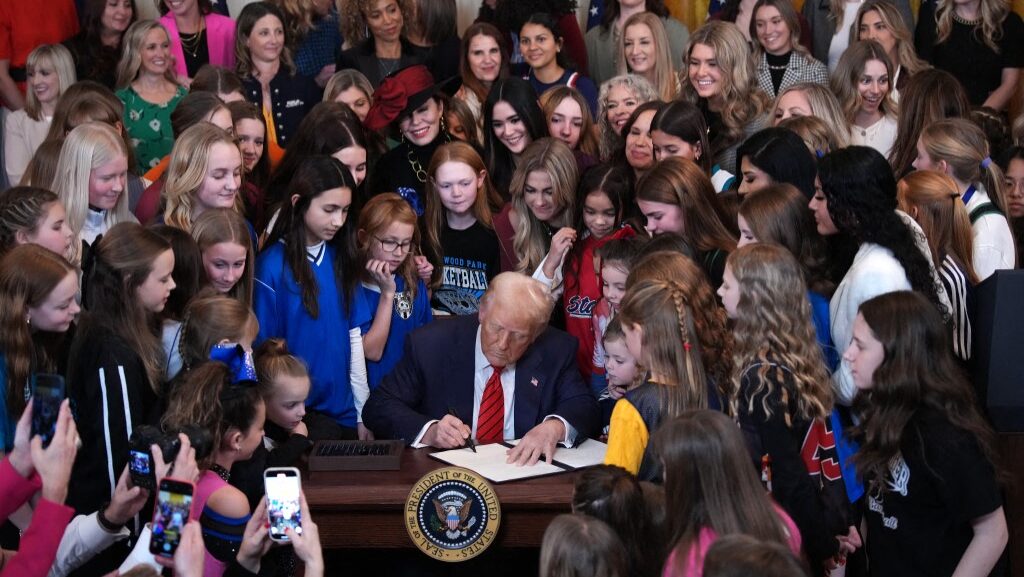
Once sex-based distinctions are treated as optional or discriminatory, the legal safeguards built around them weaken across society.
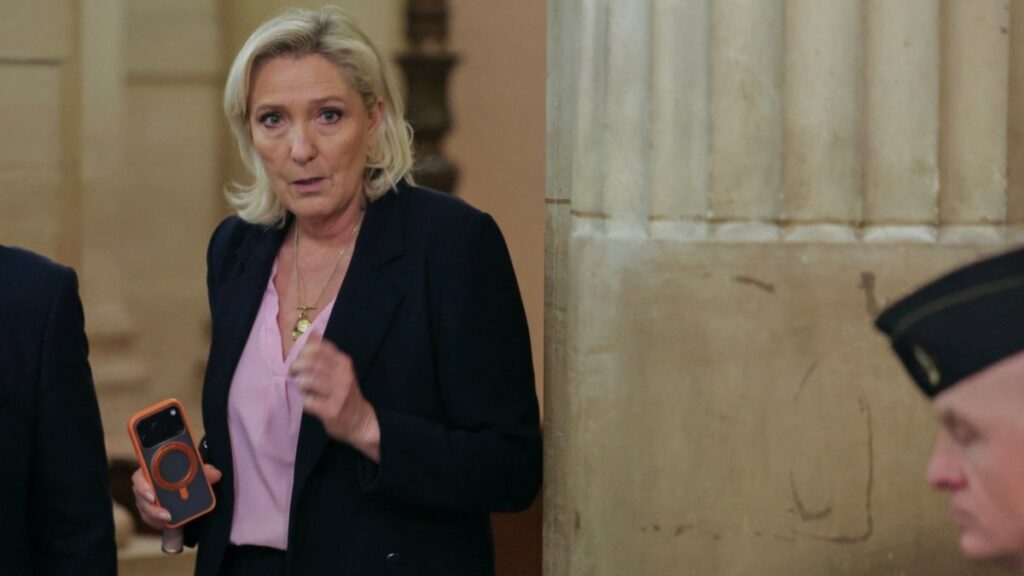
Marine Le Pen has one month to convince judges that she is not a threat to French democracy.
Once sex-based distinctions are treated as optional or discriminatory, the legal safeguards built around them weaken across society.
Marine Le Pen has one month to convince judges that she is not a threat to French democracy.

Flagship automaker Mercedes’ relocation of its production accelerates the decline of Western Europe as an industrial power.
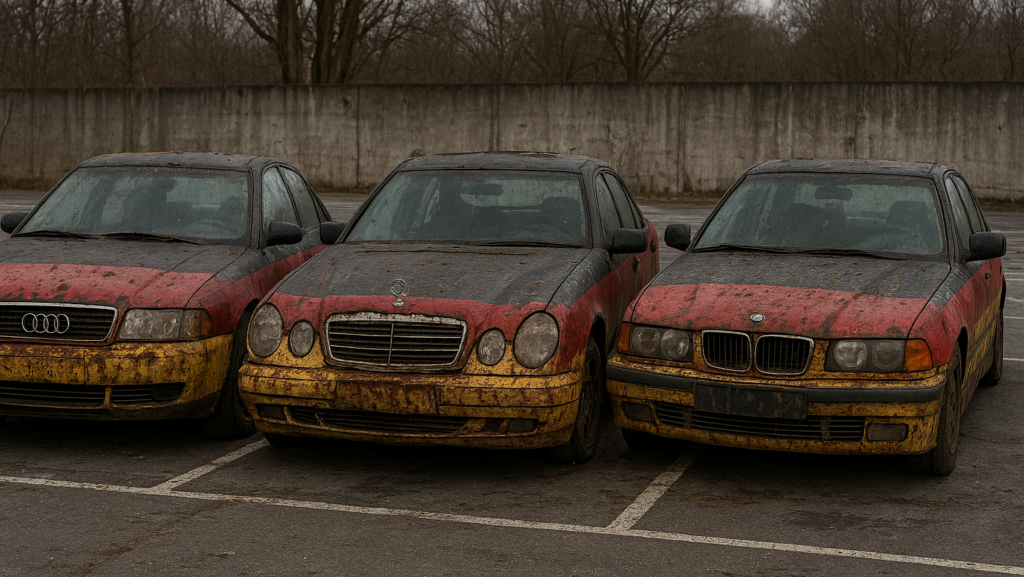
Here are three ideas that could put Europe’s largest economy back on track again.

With its ‘circular’ vision, the European Commission demonstrates its complete detachment from economic reality.

Kyriakos Mitsotakis’ New Democracy may be forced to form a coalition, something the PM has repeatedly said he wants to avoid.
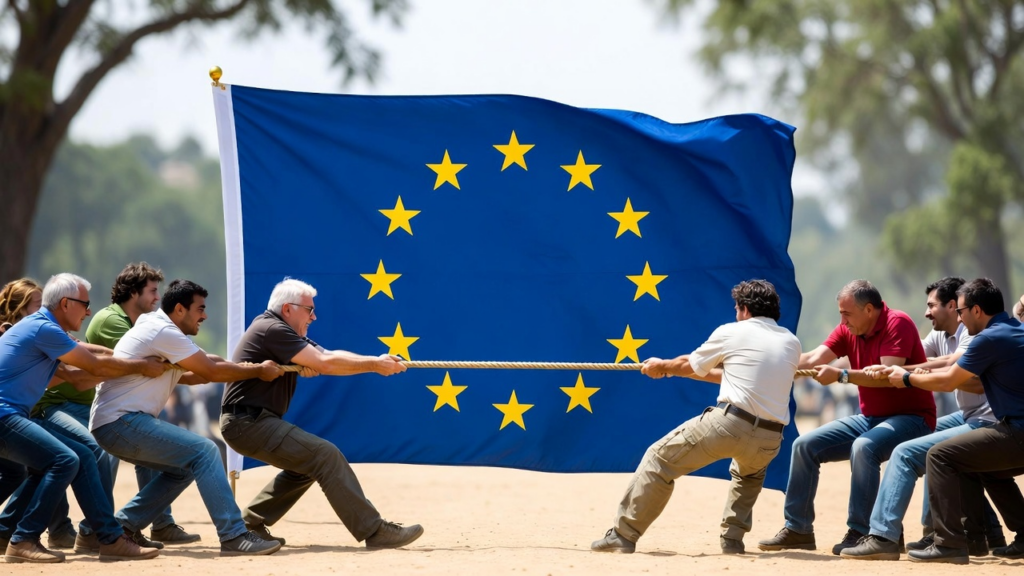
While Brussels celebrates past successes, the removal of the veto, the erosion of the Single Market, and accelerated enlargement threaten to turn the European project into something very different from what Spain and Portugal signed up to in 1986.
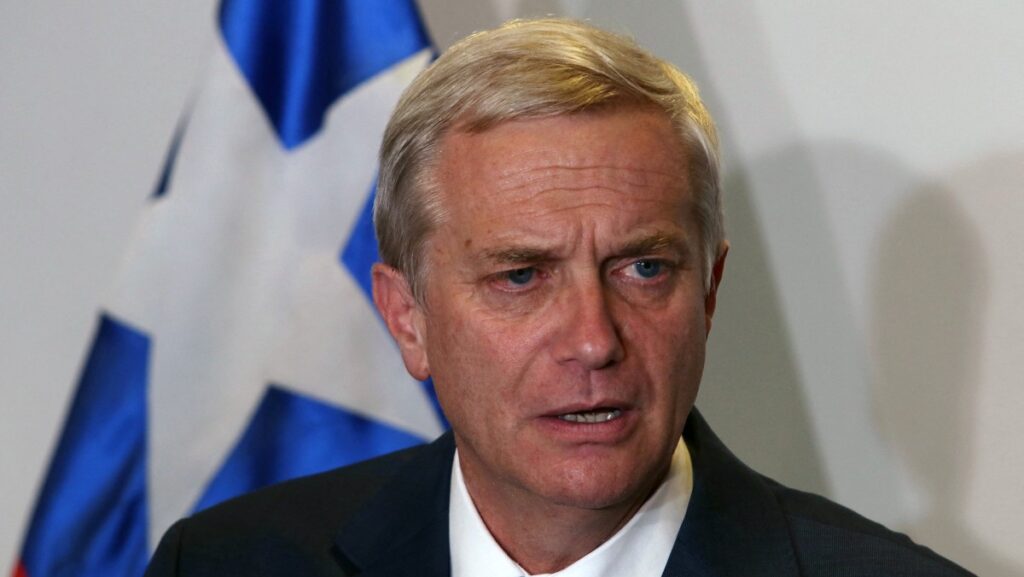
After years of state expansion, weakened public order, and institutional fragmentation, the new government aims to restore authority and sovereignty while promoting moral conservatism and protecting private property.
Europe needs an urgent, independent economic crash commission led by business leaders and economists—not Brussels politicians.
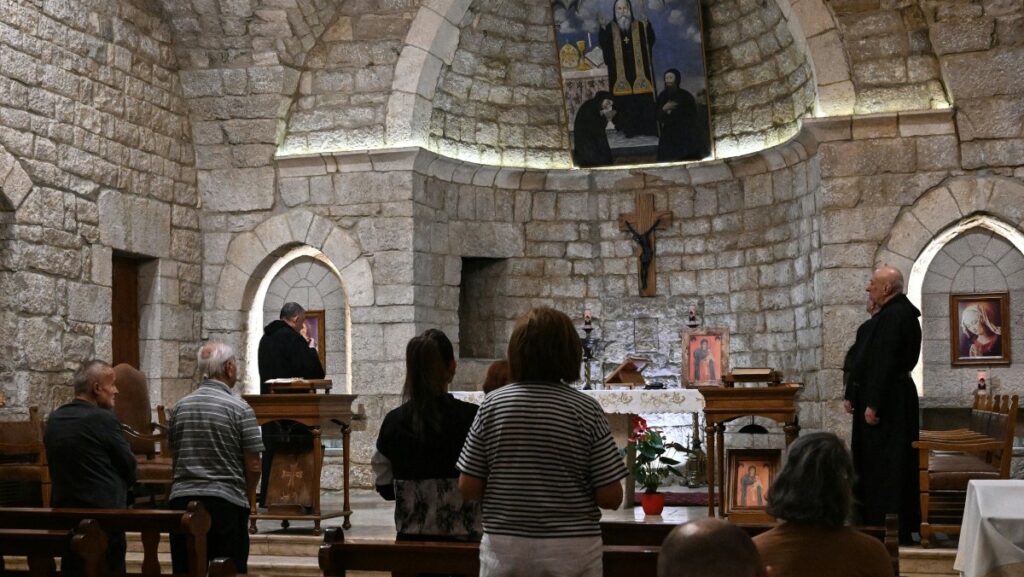
Christians were a majority until the 1980s; today they are roughly one-third, living under growing pressure from a Muslim majority.
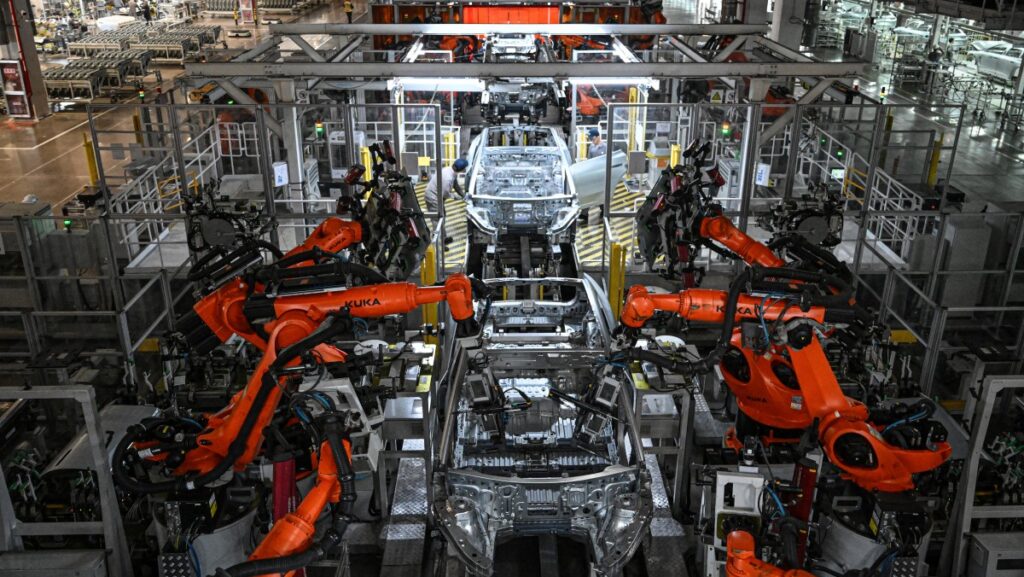
It is a mistake to introduce more protectionism before scrapping domestic policies that badly hurt competitiveness.
The central bank’s latest forecast cements Europe in a deadlock of stagnation, deterioration, and emerging economic despair.