
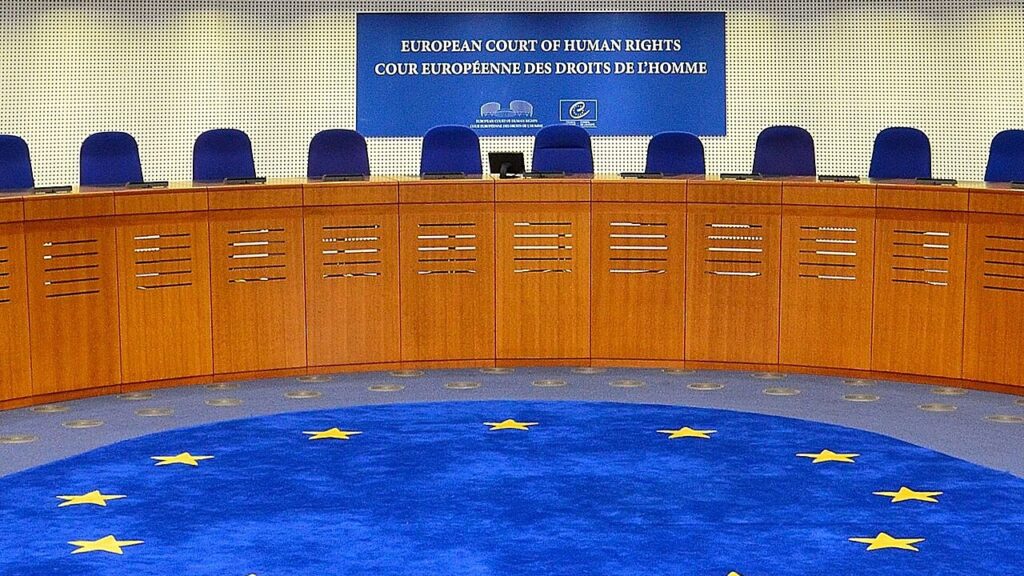
Migration, the ECHR, and Europe’s Crisis of Authority
A people permitted to vote, but not truly to decide, will not indefinitely remain loyal to an order that denies the force of its own consent.

A people permitted to vote, but not truly to decide, will not indefinitely remain loyal to an order that denies the force of its own consent.
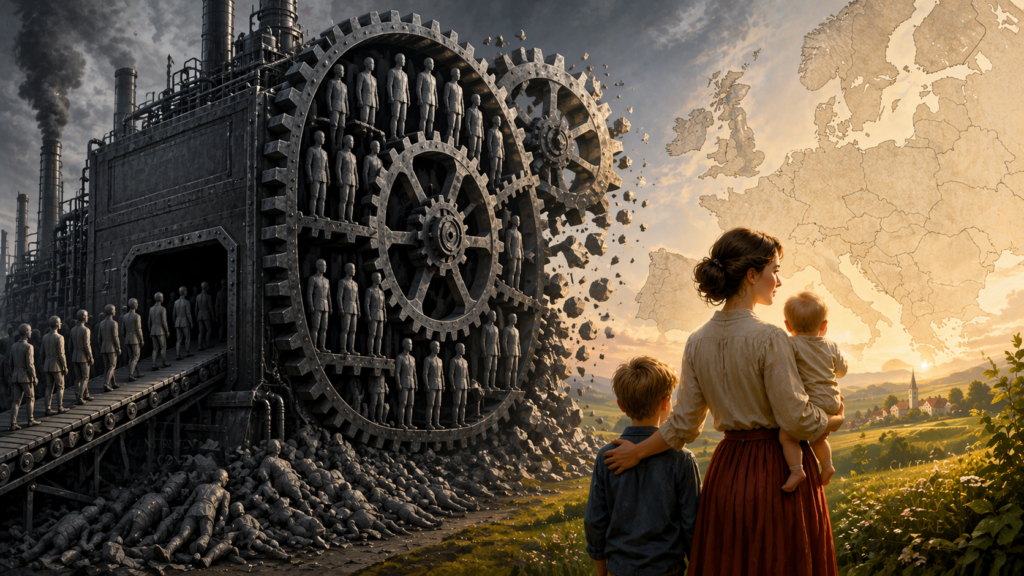
Socialists and conservatives differ on what to do about population decline. But that does not liberate them from taking political ownership of the problem.
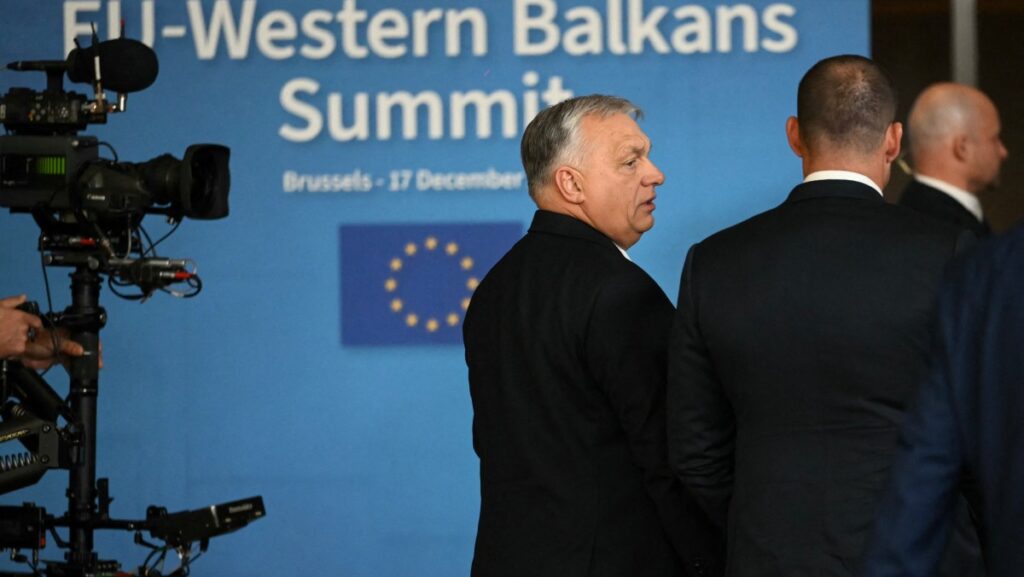
As political dynamics shift in Budapest, partners across the Western Balkans are reassessing long-standing ties and preparing for a period of adjustment.

Today, the majority of Britons know in their hearts, though they dare not say aloud, that Enoch was right.

The large number of candidates standing in the 2027 elections makes the outcome highly uncertain.
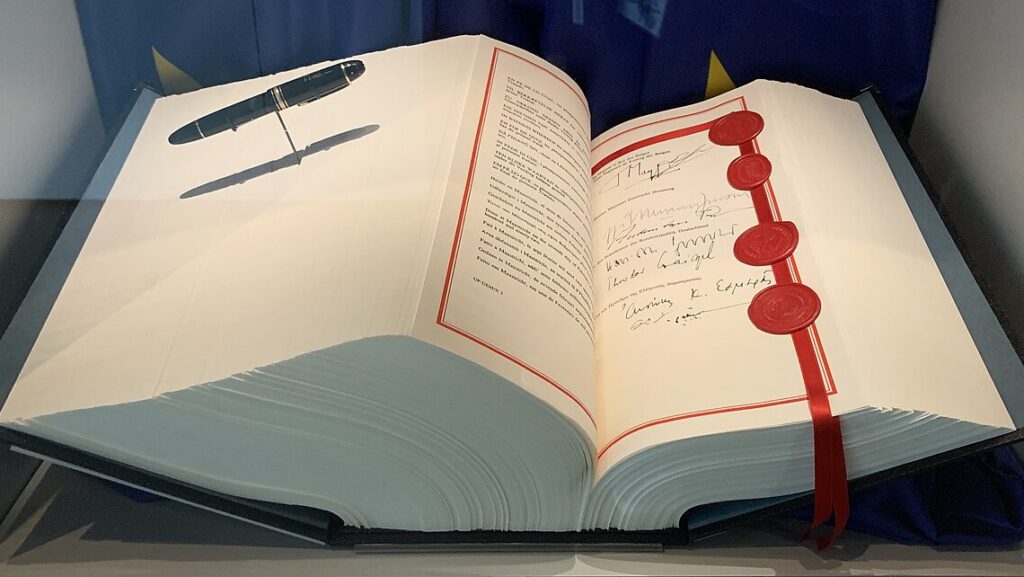
The groundwork for the current economic standstill was laid already in Maastricht in 1992.
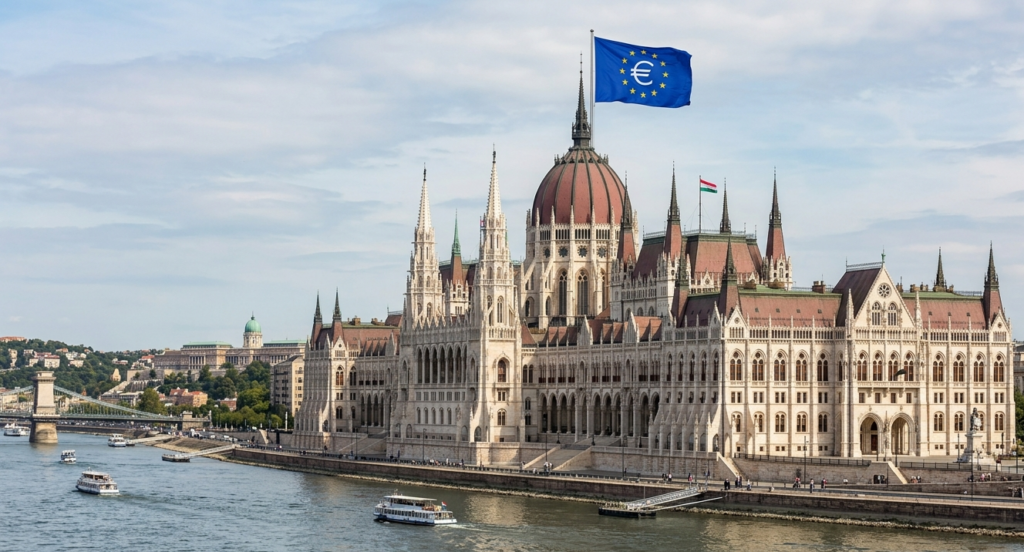
The Hungarian economy cannot afford to be forced into a one-size-fits-all monetary policy.
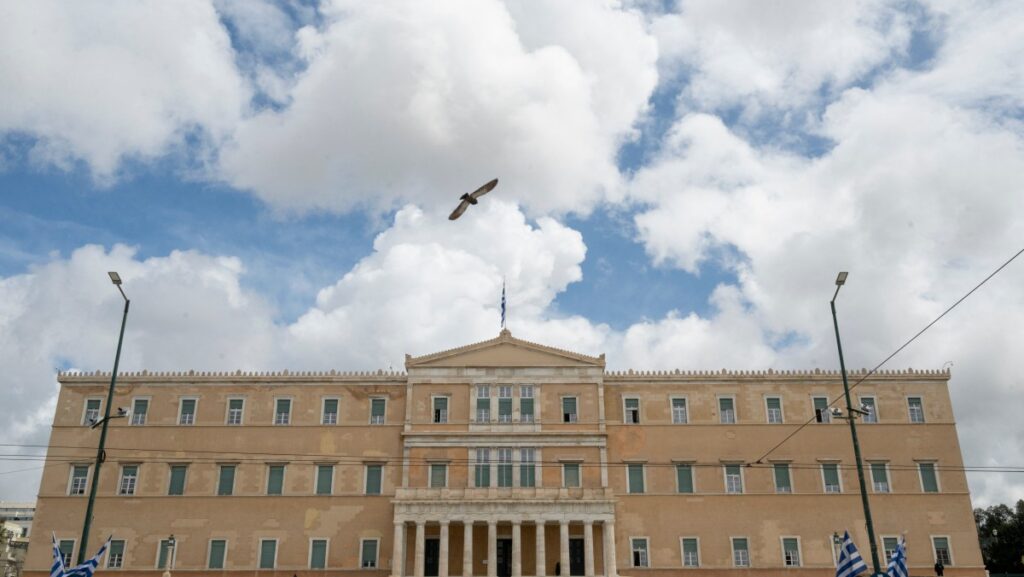
The question is no longer whether migration should be embraced or rejected in the abstract. The question is which forms of migration a state considers legitimate, under what conditions, and for what purpose.
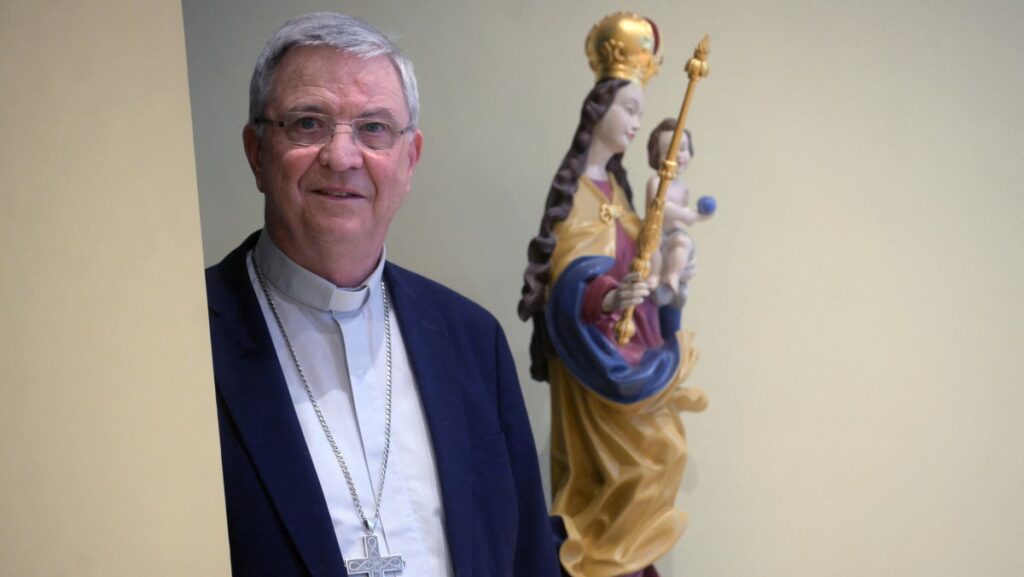
A silent, threatening fragmentation of the Catholic Church would be more difficult to correct than an open schism.
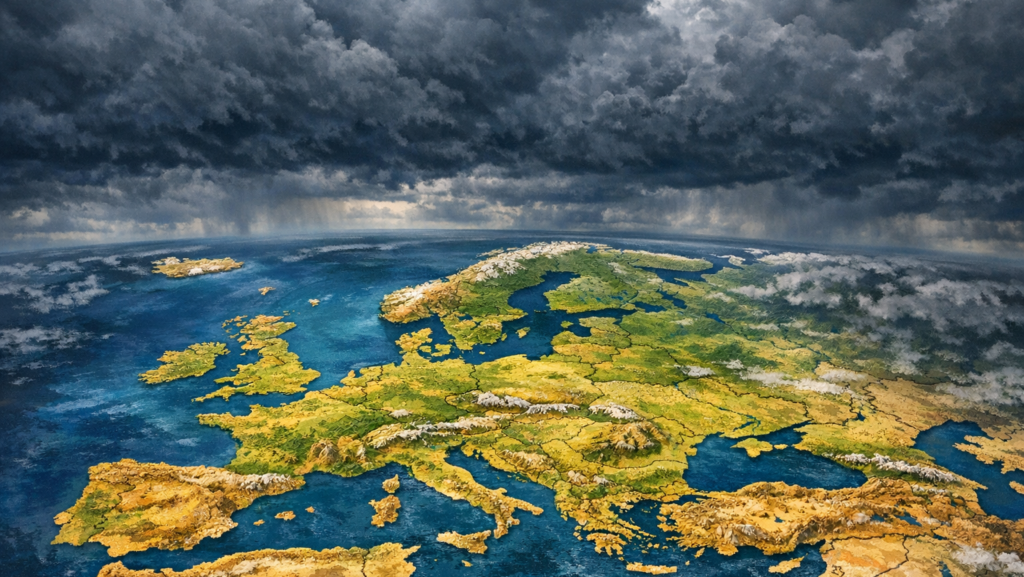
A new report points to signs of looming credit problems for the EU’s deeply indebted governments. Ignoring these signs is not an option.
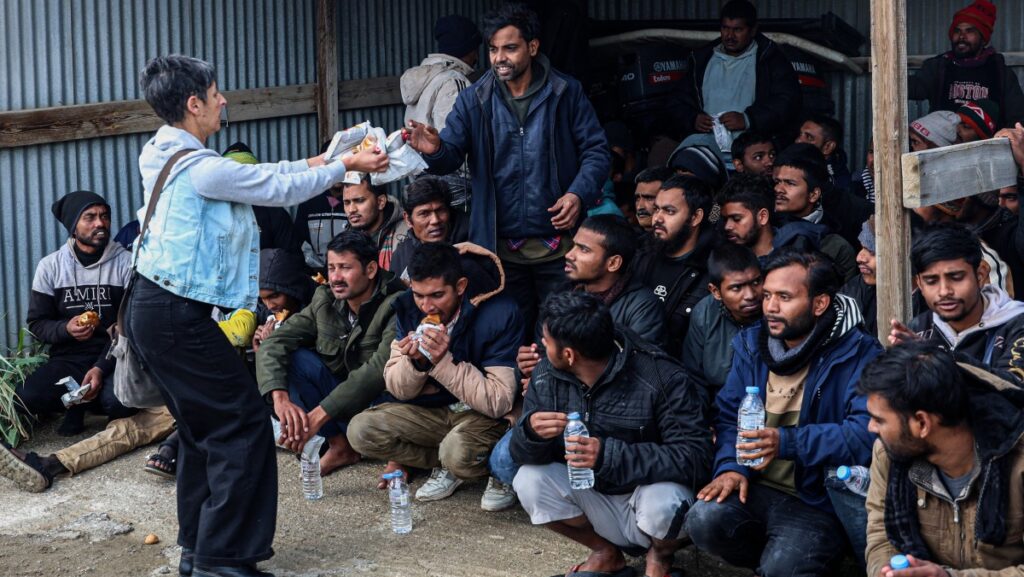
With two-thirds of Greek voters favoring stricter immigration policies and arrivals still exceeding deportations, the ruling New Democracy party faces an uphill battle to rebuild trust before next year’s elections.
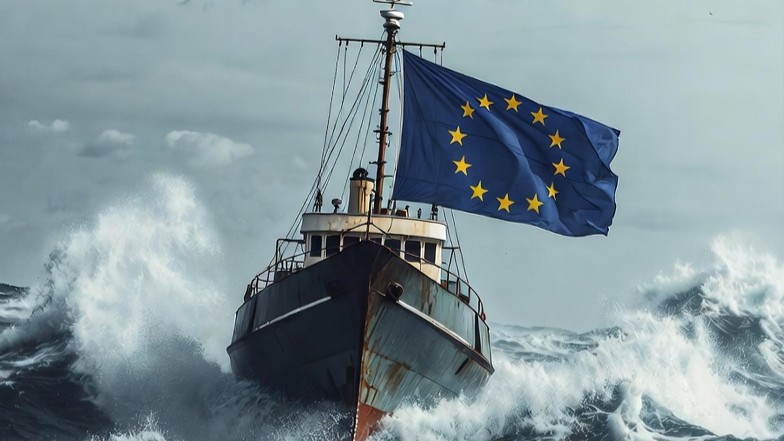
Brussels is celebrating the temporary pause of Middle East hostilities while remaining dependent on foreign energy, vulnerable trade routes, and outside protection.
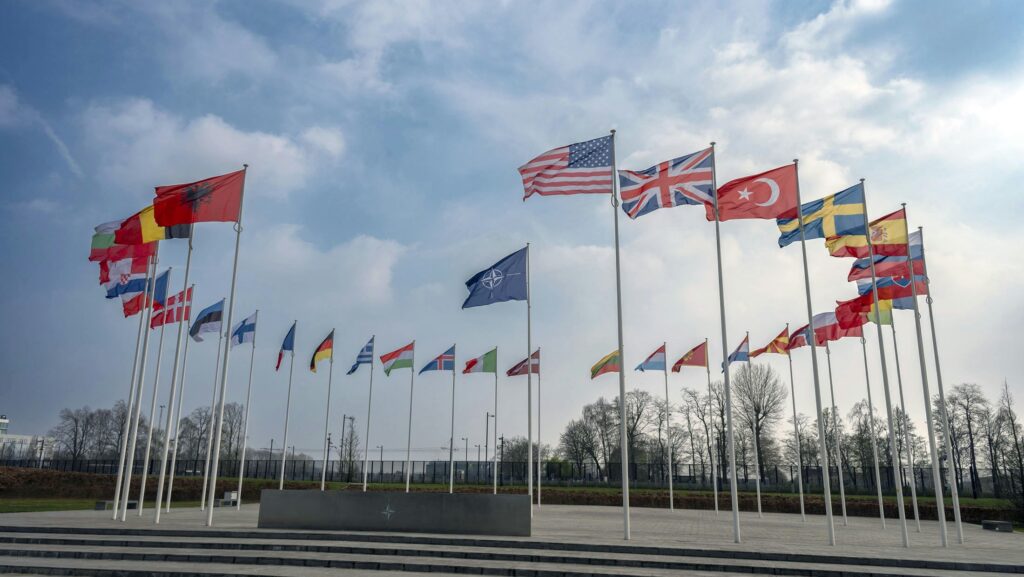
States cooperate when their interests converge and diverge when they do not. The Western alliance system has never been an exception.
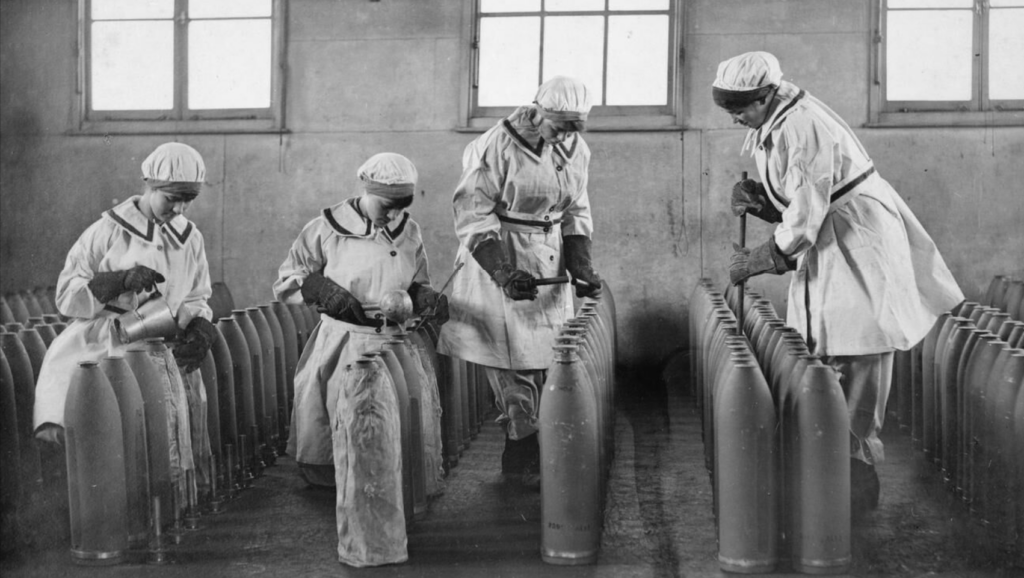
More and more signs indicate that Europe is preparing for a large-scale war. Have the planners considered the enormous economic destruction that would follow?
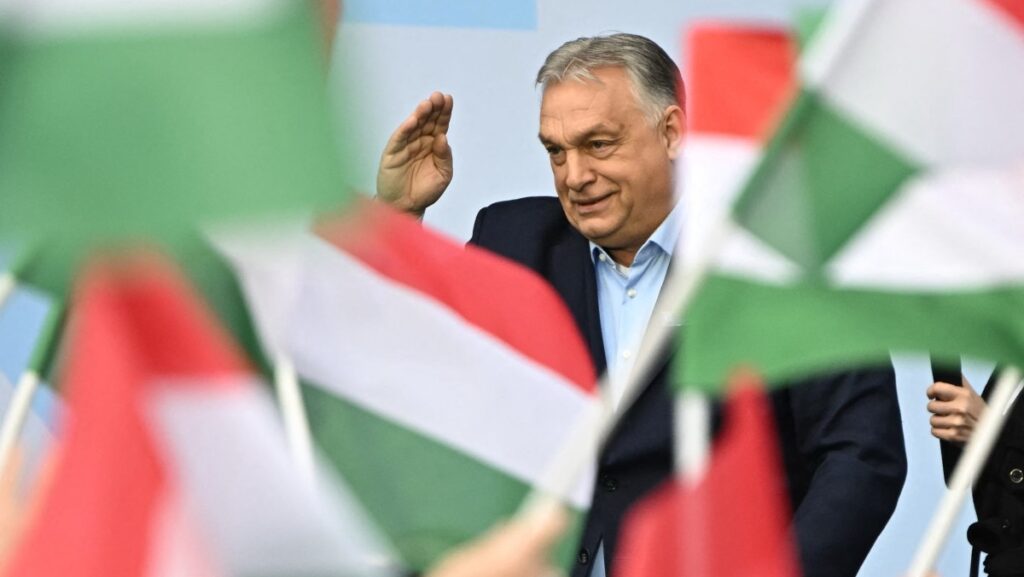
The Brussels- and Kyiv-aligned ecosystem that produces inflated polling numbers is now preparing the next step: if Péter Magyar wins, it is democracy; if he loses, it must be fraud or ‘foreign interference.’

The case is another example of the EU using legal mechanisms to press ideological change on a reluctant member state.
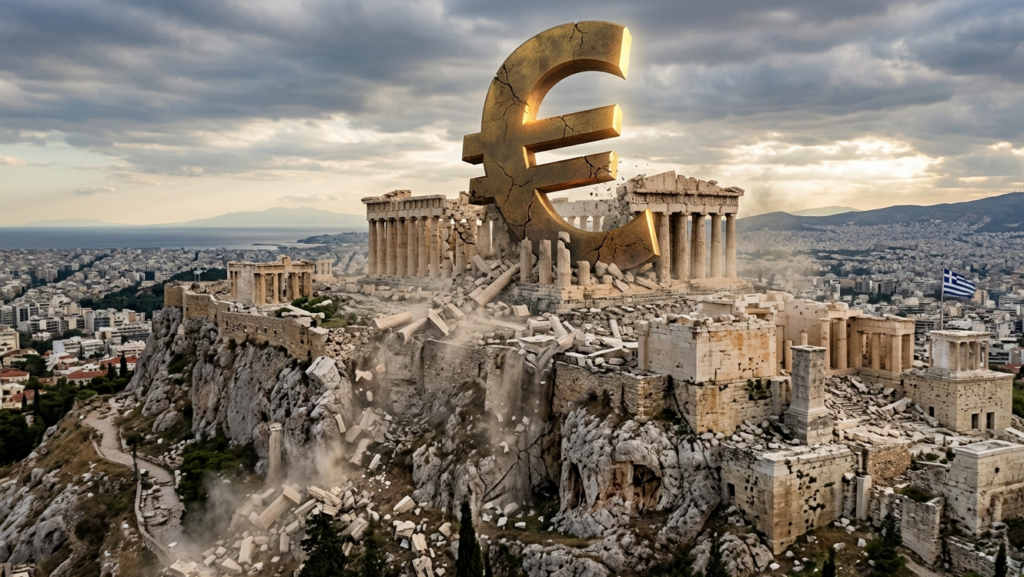
Like an abusive spouse, the central bank is rewarding compliance by the country that it beat into a depression 15 years ago.
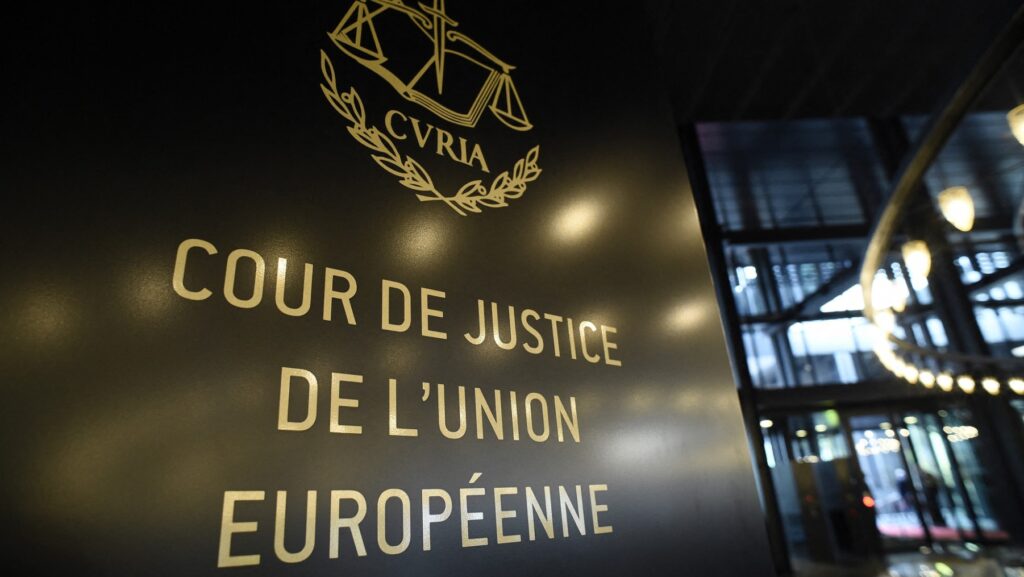
The European Court of Justice is preparing a substantive legal basis for potentially unlimited interference in the laws of member states.

The European Commission’s well-intended initiative to make life easier for entrepreneurs comes with some surprising weaknesses.
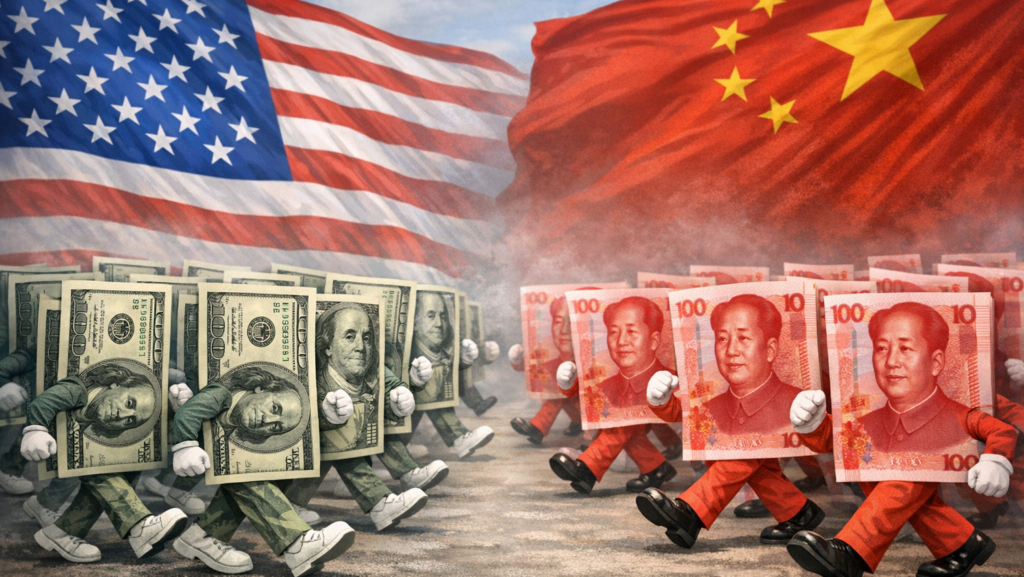
Tehran’s new demand for peace with the U.S. includes shifting oil trade to the Chinese yuan.
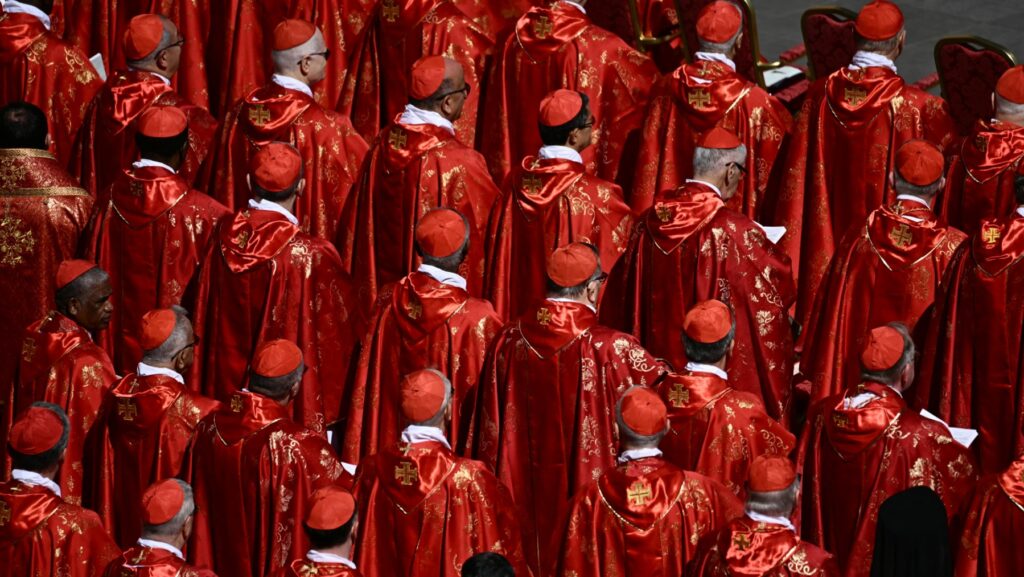
The difference between the German Synodal Path and the synodal reform initiated by the late Pope Francis appears today, more than ever, to be a mere difference of speed.
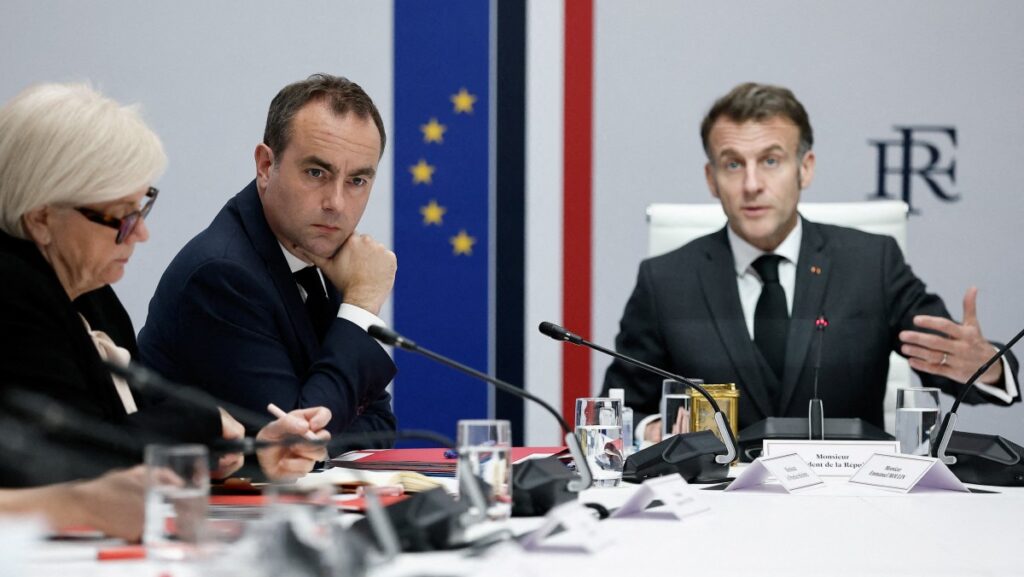
By highlighting France’s strategic capabilities without committing to sustained military operations, the current approach allows Macron to project strength while avoiding deeper involvement in conflict.