Chile: Checkmate to the Left
After years of state expansion, weakened public order, and institutional fragmentation, the new government aims to restore authority and sovereignty while promoting moral conservatism and protecting private property.

After years of state expansion, weakened public order, and institutional fragmentation, the new government aims to restore authority and sovereignty while promoting moral conservatism and protecting private property.

Europe needs an urgent, independent economic crash commission led by business leaders and economists—not Brussels politicians.

Christians were a majority until the 1980s; today they are roughly one-third, living under growing pressure from a Muslim majority.

It is a mistake to introduce more protectionism before scrapping domestic policies that badly hurt competitiveness.

The central bank’s latest forecast cements Europe in a deadlock of stagnation, deterioration, and emerging economic despair.

Coalitions are taking over national governments in Europe with only one goal: to keep national conservatives out of government. This is seriously jeopardizing Europe’s future.

What Kast’s election means is that Chileans understand that destroying the foundations of prosperity is not how one corrects its imperfections.

Spain is expanding faster than ever. But the country that grows is less Spanish each year.

Between New Delhi and Moscow, a profound power shift is emerging—guided less by ideology than by hard national interests.

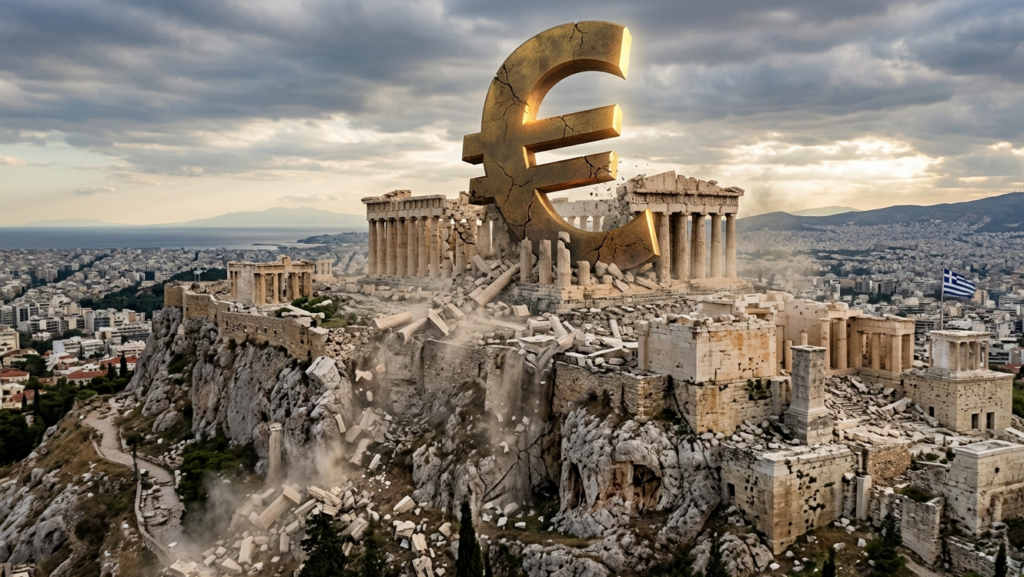
In the wake of Elon Musk’s suggestion that the EU should be abolished, it is relevant to ask what would happen to the European economy if the currency union no longer existed.
The language has changed, the uniforms have changed, but the underlying assumption—that sovereignty is a problem to be managed, not a right to be exercised—remains the same.
The incentives are plain: the CDU/CSU–SPD majority has no reason to risk its power by triggering a recount.
The leak of an alleged plan by the opposition to raise taxes drastically sharpens the contrast between two choices in the April elections.
The conflict pits an older social-paternalist national conservatism against a younger, libertarian-nationalist, anti-system Right.
‘A preferential option for the poor’ is a pithy phrase that hides the complexity of the Church’s social teaching and also the considerations that lead to better outcomes.
It’s time to finally reflect on the difficult legacy of Russian post-communism.
An act of charity turned into a political symbol reveals the ambiguity with which the contemporary Church adopts languages foreign to her tradition.
Rapid gains in living standards had aligned with prudent long-term public spending, but conditions have worsened since 2023.
The danger of 1938 was not too much realism—it was too little. And that is what we risk repeating today, not by negotiating, but by refusing to do so.
Judicial systems across Europe view themselves as guardians of an ideological order that treats populists not as a constituency to be represented but as a pathology to be contained.
The EU should closely review Pakistan’s serious religious freedom violations before extending its preferential trade and tariff benefits to the country.
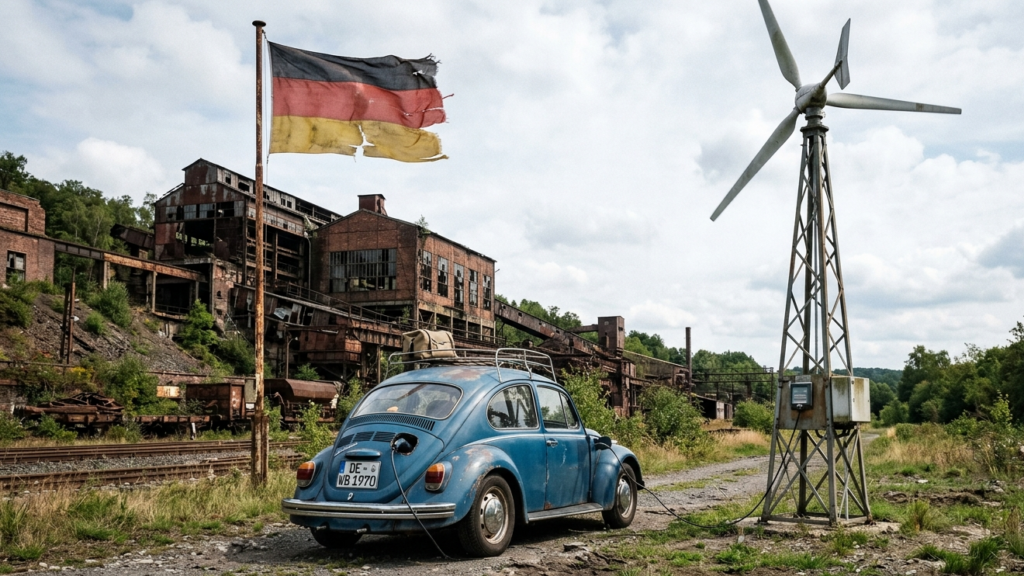
Europe’s leaders have ignored mounting economic stagnation for decades, thereby dooming an entire generation to a life in industrial poverty.