

Big Europe Has Lost the War Over Ukraine
The EU’s claim to be a global power player stands exposed as the fantasies of an ageing pretender.

The EU’s claim to be a global power player stands exposed as the fantasies of an ageing pretender.

We should only be alarmed today by the existence of conservative activists disillusioned by division within their own ranks.

A civilisation cannot endure, let alone preserve itself and nature, if its highest promise is to leave no trace of itself.

If you make a disastrous decision, the solution is not to stick with it.
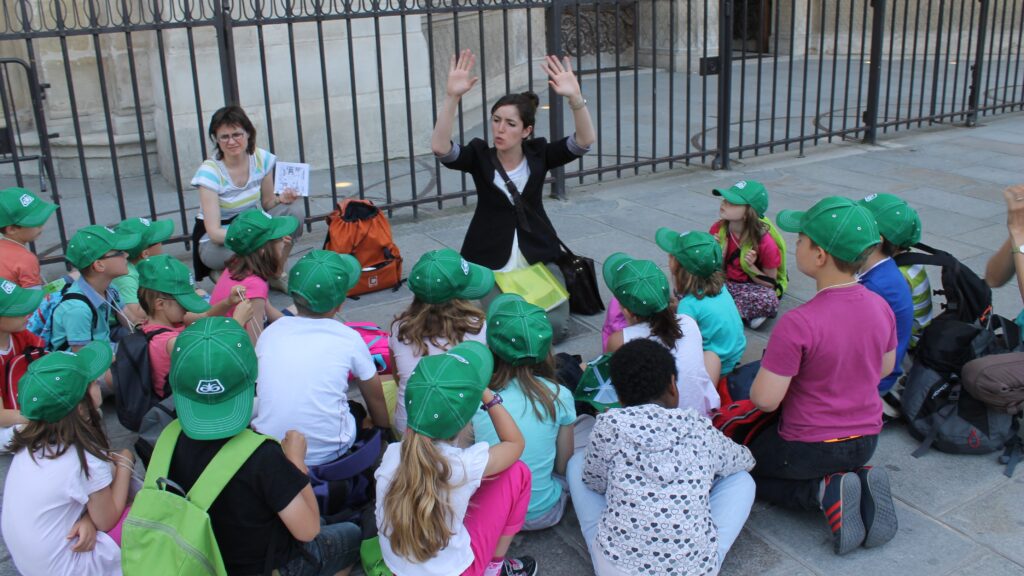
A new report exposes how uncontrolled, unassimilated immigration is destroying the French education system.

The competing legacies of Barry Goldwater and William F. Buckley still shape American political discourse, but the relationship between their conservatisms is more complex than commonly portrayed.

The U.S. president’s reaction to the Washington D.C. shooting is how any serious country should answer an attack on its citizens.

Is there any better expression to describe the mechanisms maintaining the political power of parties that have been losing votes for years?

In the name of “reintegration,” a judge has cut short the sentence of a teen who gang-raped a 12-year-old Jewish girl.

The recommendations in an ‘independent’ commission’s report will only reinforce societal divisions.

The dispute over the British broadcaster’s butchering of President Trump’s words is a telling sign of the times.

The State has no issue switching off life support for baby and granny but somehow has an attack of conscience when it comes to the Axel Rudakubanas of this world.

This dangerous nonsense plays into the hands of inept politicians incapable of solving the country’s pressing problems.

For the first time, a French television channel has been fined for allowing a guest to cast doubt on the human origins of climate change.

Mistaking digital dopamine for human connection is no way to solve the loneliness epidemic.

Public order is not an optional luxury, but the precondition for prosperity and a decent common life.

Labour’s reforms are remarkably sensible. But mass migration has already done untold damage to this country.
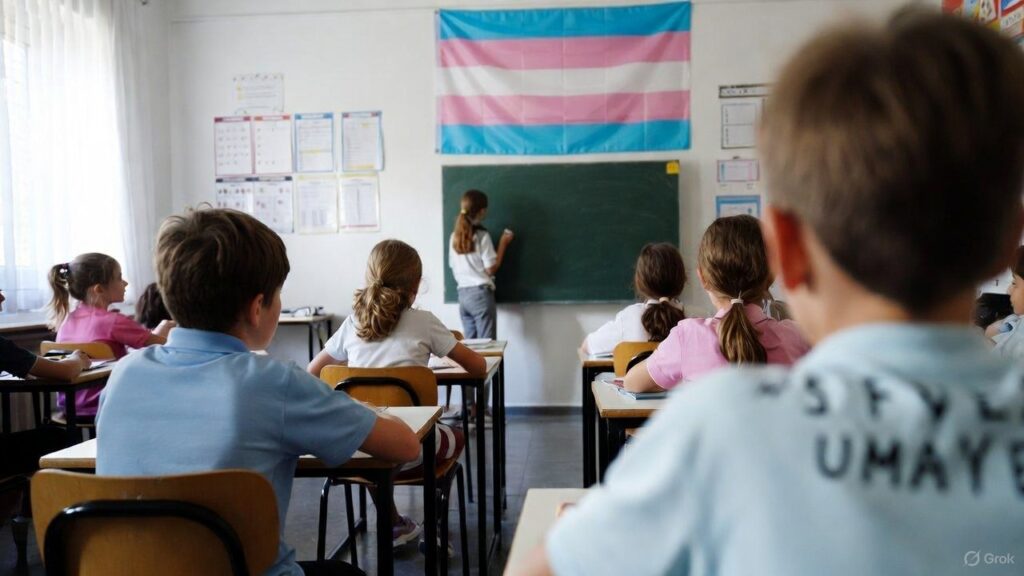
Successive left-wing governments have empowered gender-ideology NGOs in classrooms, giving them legal cover to influence children without parental oversight.

The People’s Salvation Cathedral affirms that modernisation can only occur in harmony with a people’s spiritual roots.

Pope Leo reportedly plans to grant generous, renewable permissions, softening the hard line taken under Traditionis custodes.

Viktor Orbán has positioned himself not as a reactionary but as a conservator—dedicated to preserving what is valuable against forces of destruction.

The government claims to be combating demographic decline but fails to listen to the needs of families.