Vivaldi & Others: Antonio Vivaldi—Hotheaded Priest, Star Violinist, and Universal Composer
It is frustrating, maddening even, for anyone who loves Vivaldi’s music that basic data on his development as a composer and musician is lacking to this day.


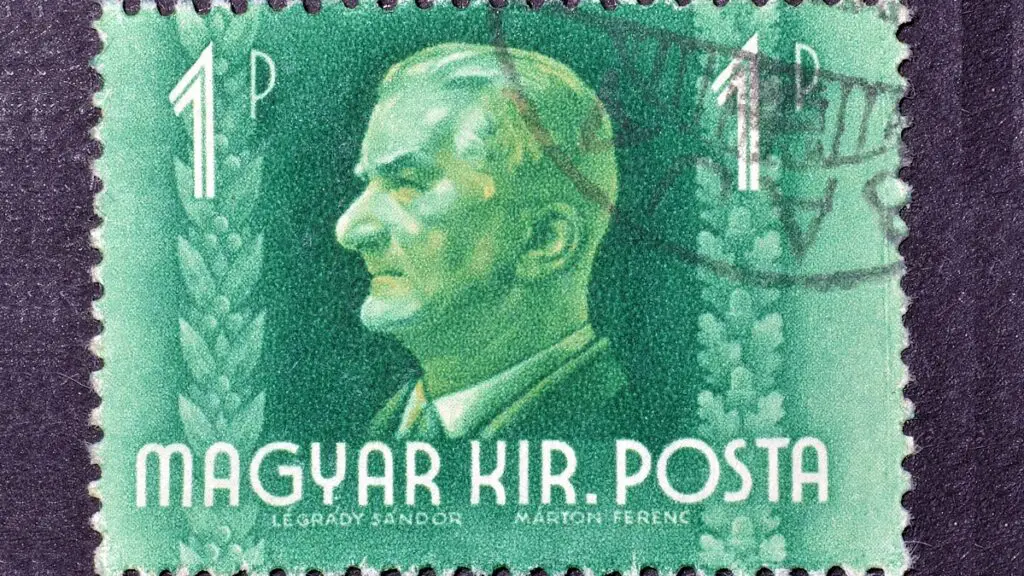
The complex and controversial legacy of Miklós Horthy defies translation.
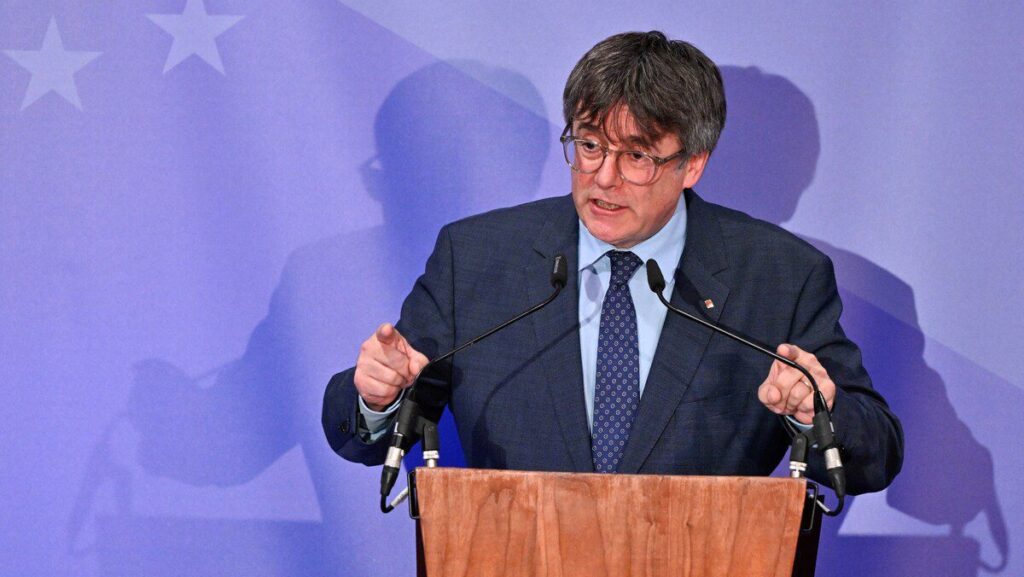
VOX’s Jorge Buxade argued that the state cannot exercise a power not expressly recognized by law.
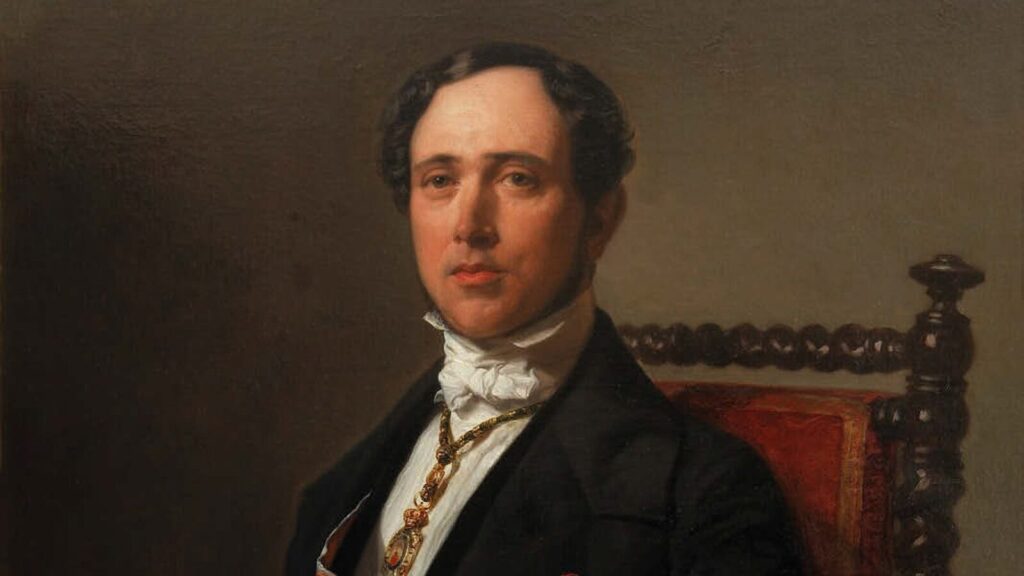
A look at three representatives of Spanish conservatism: Donoso Cortés, Ramiro de Maeztu, and Elias de Tejada.

The monstrosities in Israel crowd out moral ambivalence, but there are those whose bloodlust was merely whetted.
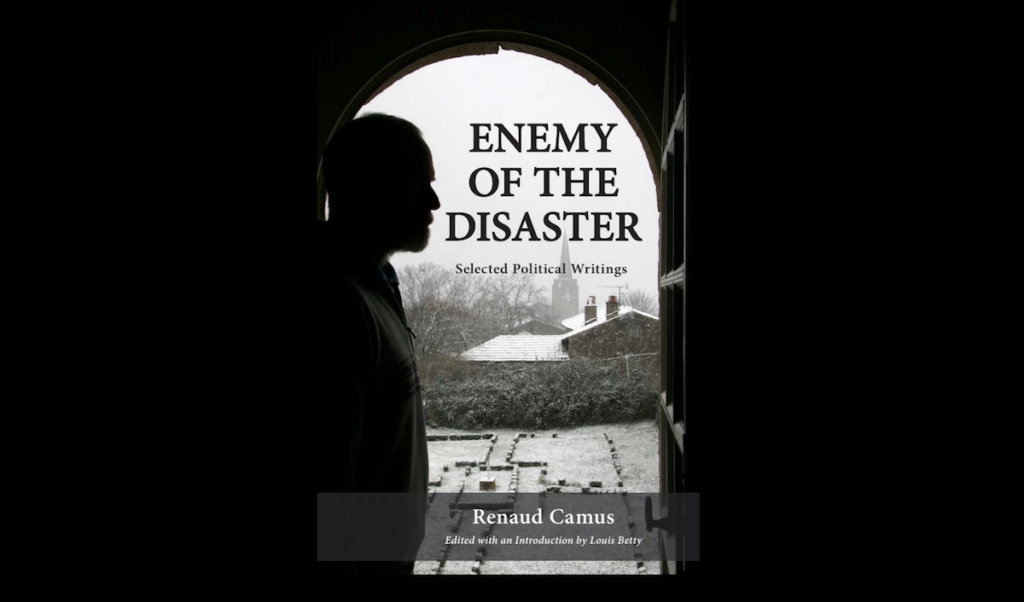
In stark contrast to the way Camus has been mis-portrayed by others, readers will encounter a heroic “committed opponent of conspiratorial thinking of all kinds.”
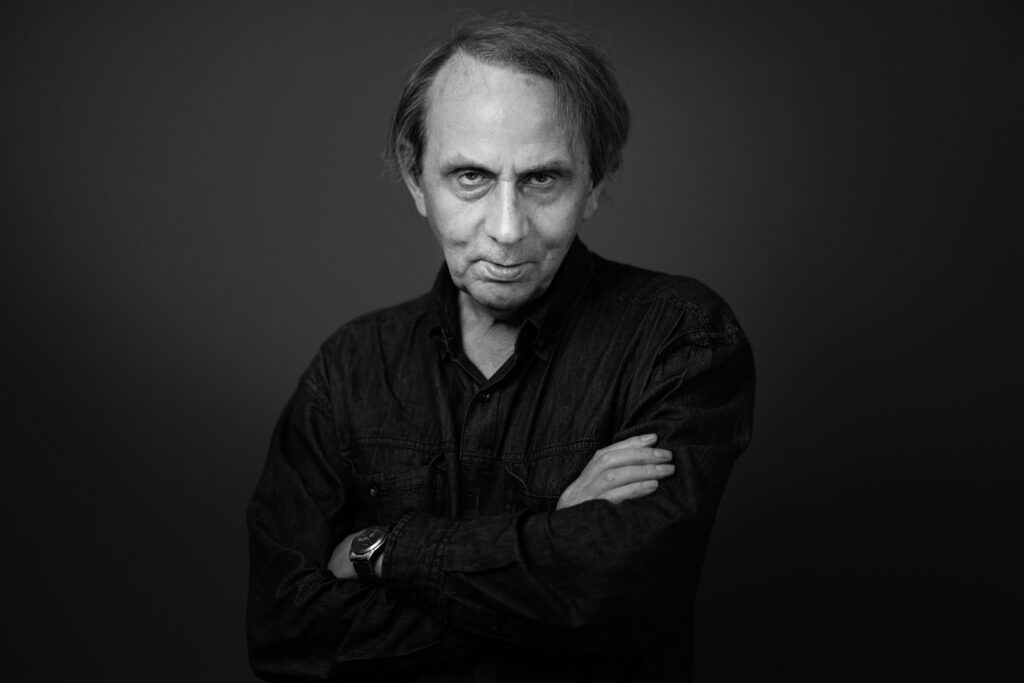
FROM THE FALL 2023 PRINT EDITION: Houellebecq is a dystopian visionary who has discovered that reality has overtaken him.
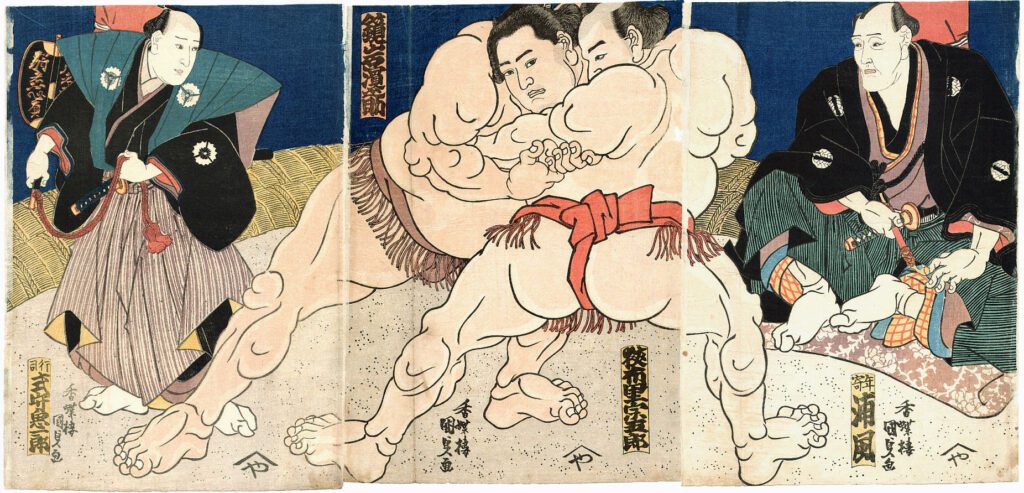
If we consider the origin myth of sumo, we may reflect on how the war between the celestial and earthly realms was tamed by the sport and turned into an arena structured by higher principles.
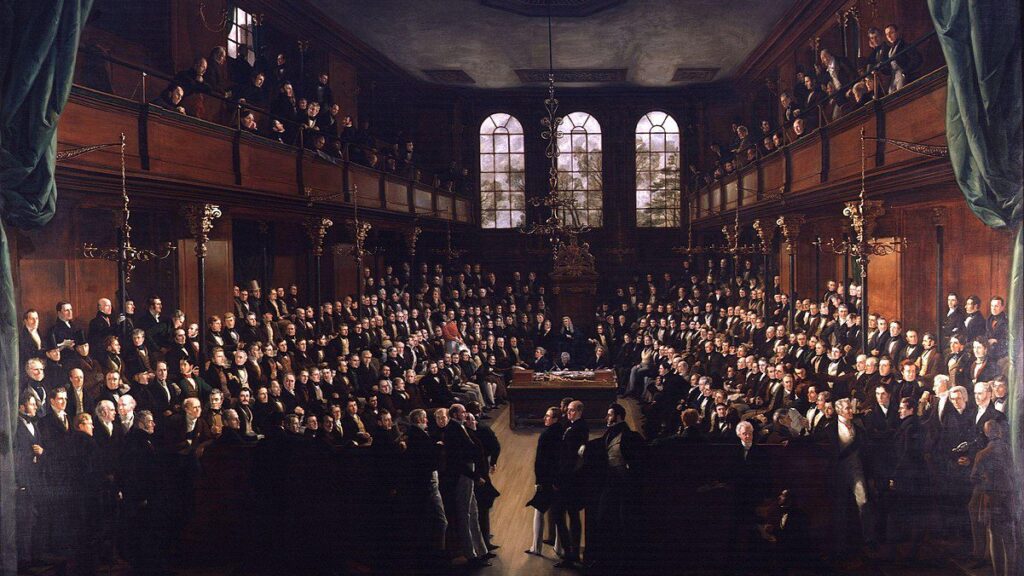
Liberalism leaves our cultural traditions and moral life at the mercy of whatever happens to result from the totality of individual human wills.
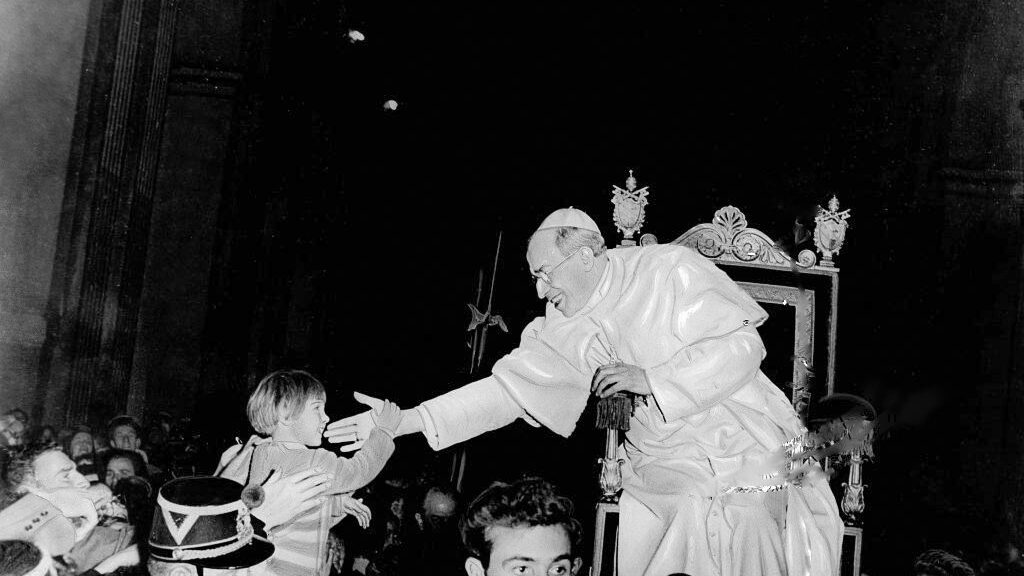
It is hard not to draw the conclusion that the observable obsessive impulse to destroy Pius’ reputation is driven more by ideology than by any objective historical inquiry.

Poles have learned the hard way that there are no holidays from history.

CBDC is a paradox: it is a money based solely on trust that is structurally set up to destroy that trust. If people lose trust in the currency, the government would lose any control it had over the economy.
Against the endless liberation of the individual and the atomization of society, conservatives must uphold a concept of man as part of society with a shared identity and a shared ethos.