

Hailing the Chiefs
The problem, of course, is that at the end of the day presidents are not monarchs. Such figures cannot serve as “living flags,” let alone constitutional guarantors.

The problem, of course, is that at the end of the day presidents are not monarchs. Such figures cannot serve as “living flags,” let alone constitutional guarantors.
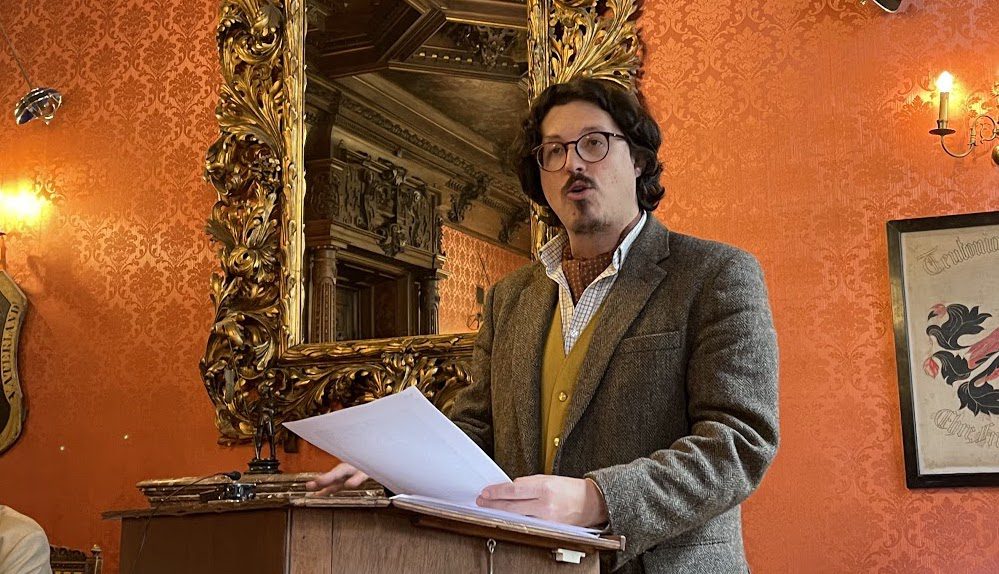
Engels invites us to free ourselves from the belief that the “nation state offers the answer to all our existential and identity problems” and proposed a “pan-European conservative front.”

When firmly set within the framework of liberalism, human ‘progress’ is largely understood as the ongoing process of privileging technique and technological advancement to eliminate suffering—suffering chiefly seen as pain.
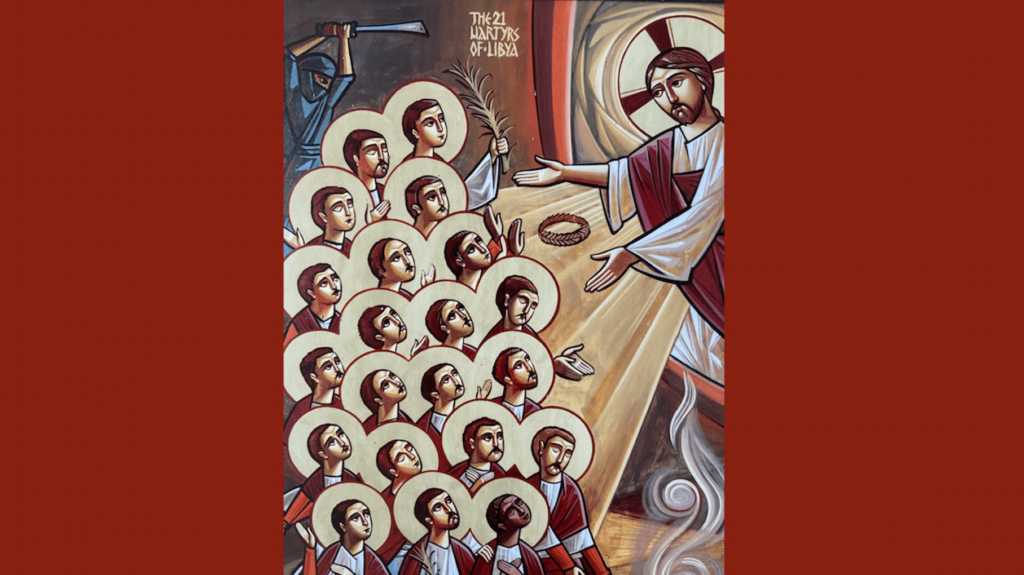
The example of the 21 Coptic Martyrs of Libya, poor, simple, faithful men, can strengthen us. Let their example give us fortitude to follow Him wherever He leads, and if it costs nothing less than everything, so be it.

Virtue-signalling is not new. But it has enjoyed a special burgeoning in recent decades, not least because modern culture sooner rewards noisy displays of passion than less visible acts of virtue.
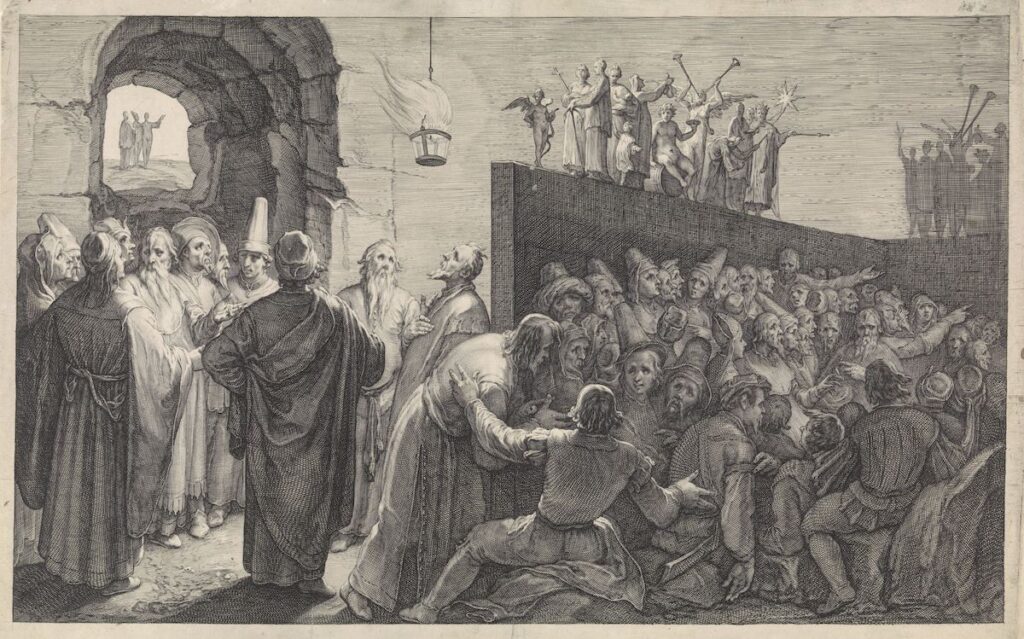
Today, the image of the cave is regarded with suspicion. It seems to call for rule by experts and social engineers, for a tyranny of technocrats: a dubious, if not diabolical, prospect.
The difference between NATO and the United Nations is pluralism. The UN Charter is explicitly predicated on the sovereign equality of states. It is an ideal, to be sure, perhaps more honoured in the breach than the observance, but NATO’s ideal is the opposite.
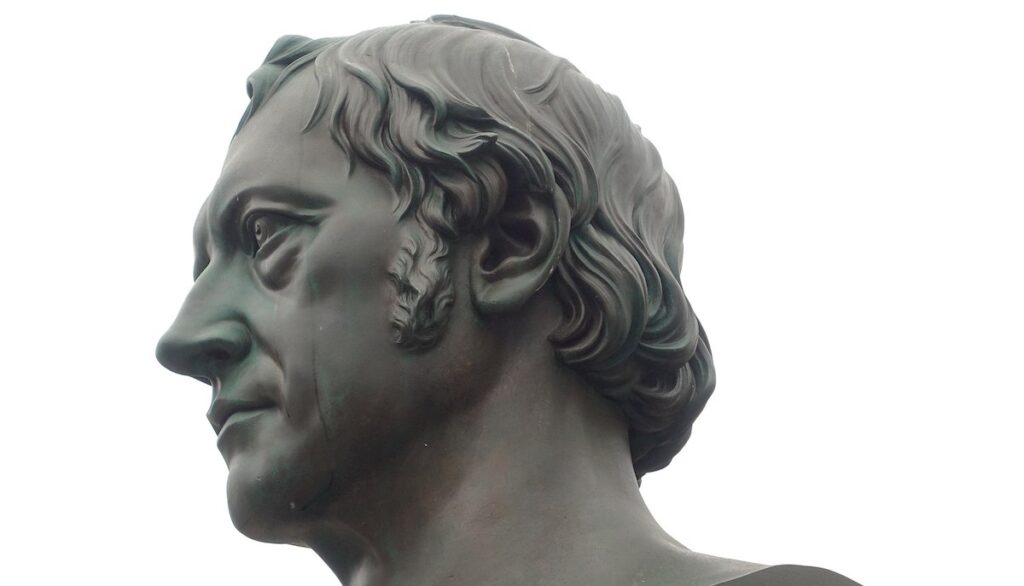
The revolutionary afterlife of Hegel’s political thought is proof of the power of a philosophical system, once seized by less cautious hands, to outpace its original creator.
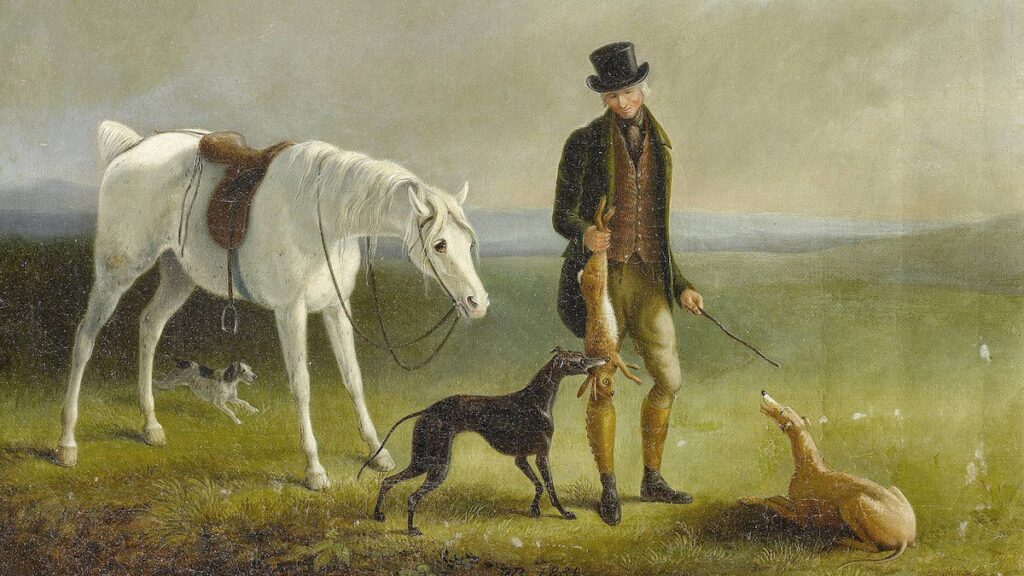
The hunt is almost the perfect antithesis of the ‘online community.’ In the hunting community, we know little of each other’s opinions. Our bond is not established by views or factions, but by our experience of belonging.
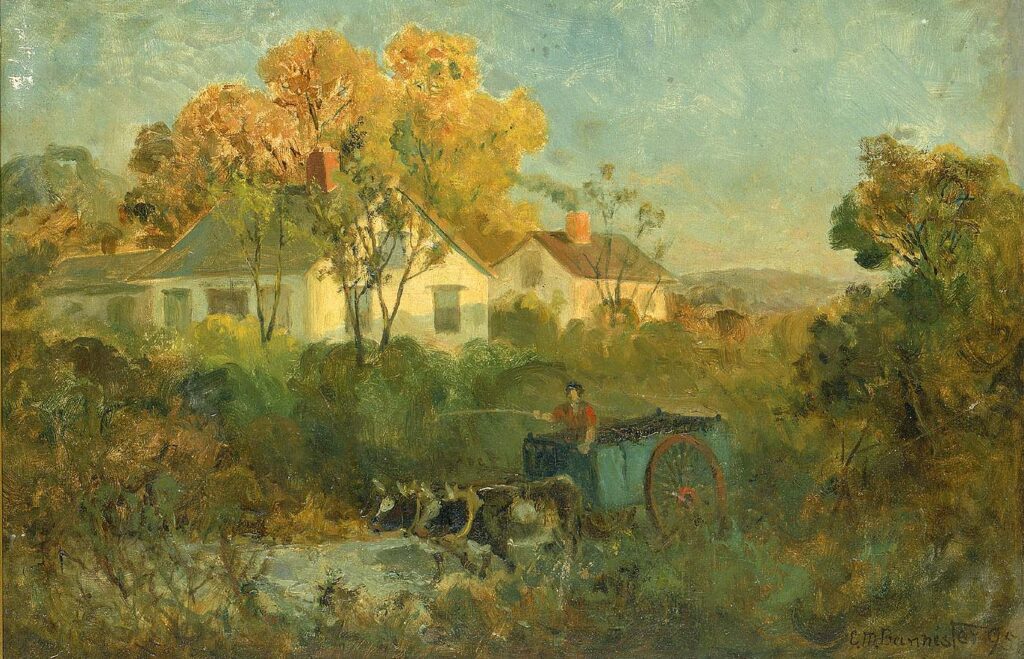
Wendell Berry’s stories are an effective evocation of the world he loves and wishes to defend; as one friend put it to me: “His stories make me love what I should love and hate what I should hate.”

Serbia’s pro-life groups recently celebrated a landmark victory with the cancellation of the ‘Europride March,’ scheduled for September 17th. Following organized protests, in which throngs of people gathered several times on the streets of Belgrade, Serbian president, Aleksandar Vučić, was forced to cancel the notoriously sensualist parade. However, exhibitions, film screenings, and a four-day international […]

There are other domains of human life that I believe are best viewed as commons, as emergent, critical societal assets prone to careless destruction by unsustainable use, less tangible than pasture land, but in many ways, much more important in our daily lives.
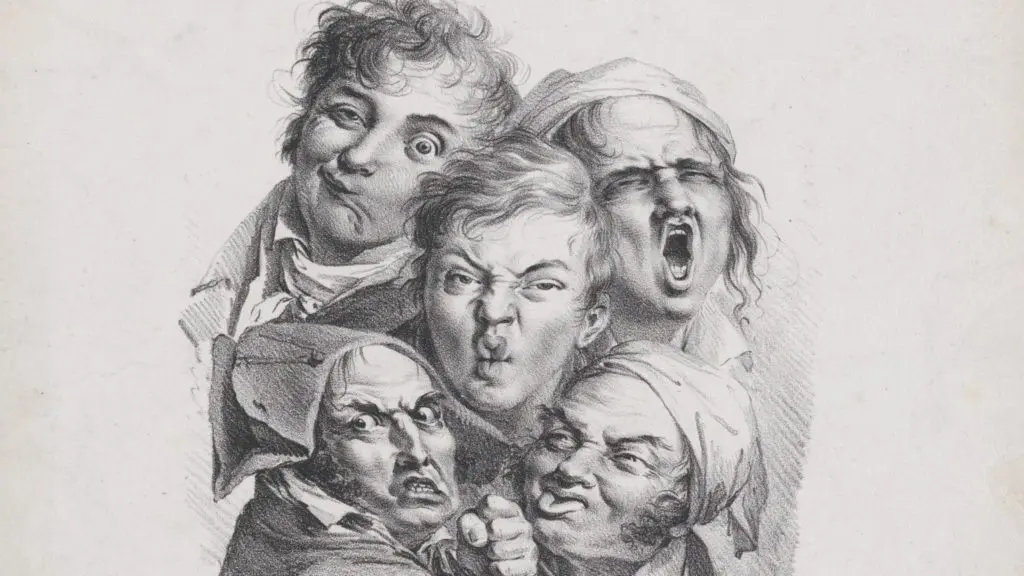
One way to limit how much insanity one absorbs is to simply limit our exposure. But this is merely a stopgap. One needs interior fortification to navigate the maze of madness, and this fortification can and should range from the silly to the sublime.
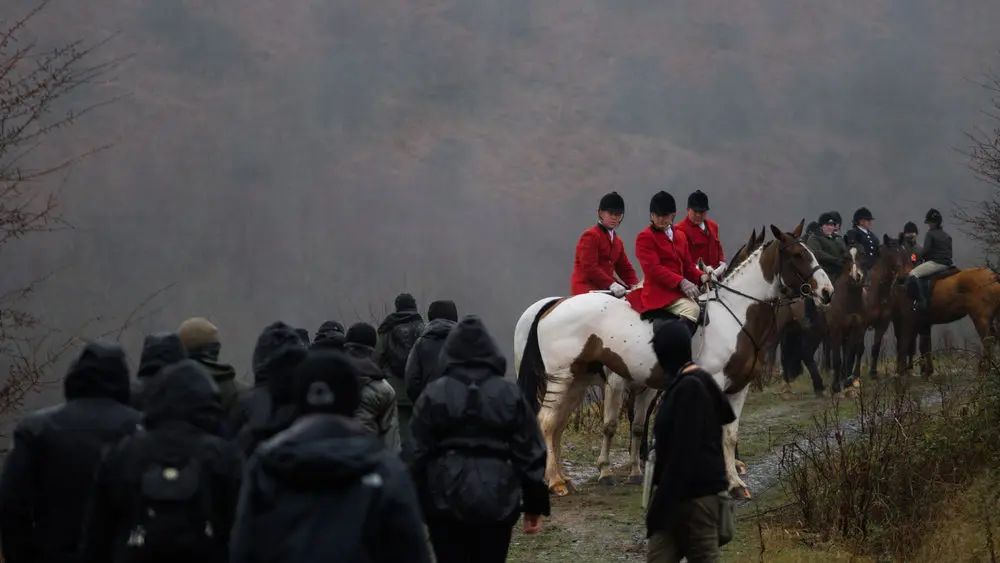
The connection between anti-hunting attitudes and fascism may, in fact, be a deep one.

In the current climate, Sinn Fein’s brand of neo-Marxist secularism, abetted by deceitful propaganda of the kind at which Communists excel, has been able to hoodwink a great many Irish voters into supporting their neo-Marxist policies.
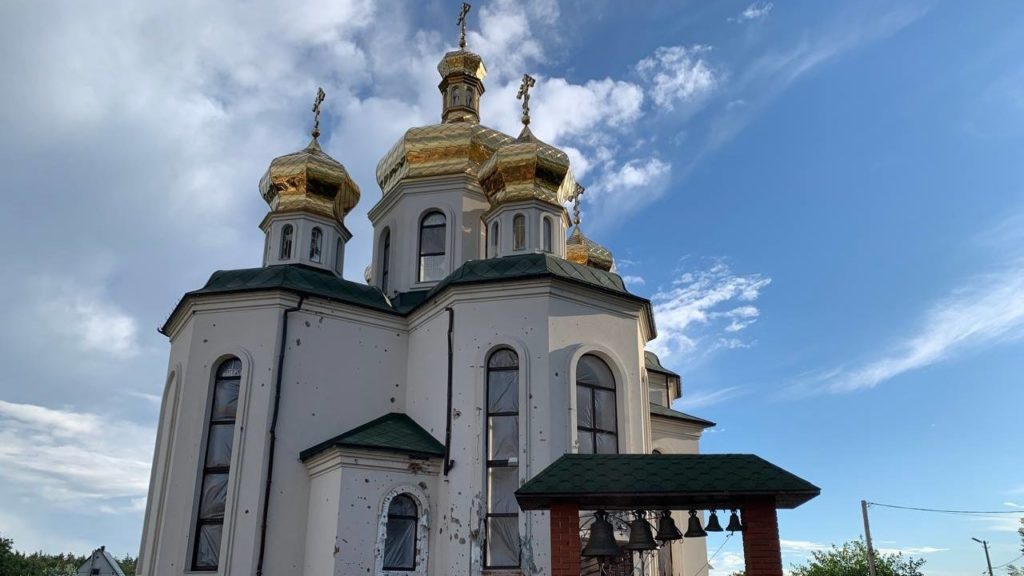
A common sentiment among the population is that Ukrainians cannot afford to indulge in woe but should do their best to rebuild, regain lost wealth, and live on.
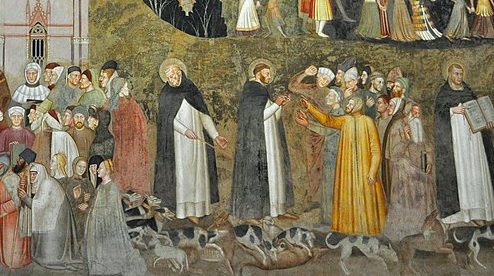
“The world is full of devouring wolves, and you, unfaithful dog, know not how to bark.”

The policies that have provoked these protests differ, but there is a common conviction driving the backlash: the elites imposing these agendas do not and will not suffer the consequences of their own policies.

Placing one’s social role ahead of one’s personal preferences is certainly a sacrifice, but the assumption by some that such a sacrifice must make it impossible to live authentically or happily is far from being true.

In radically diverse societies lacking a clear religious and cultural majority, it becomes obvious that worldviews sometimes harbour radically different ideas of what it means to be human.
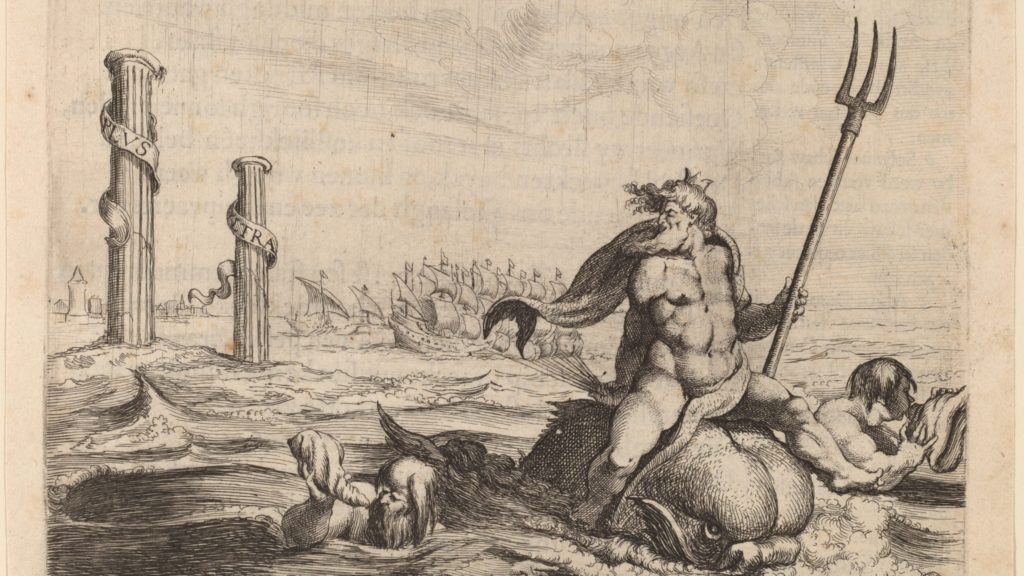
Perhaps people have bought into the various scarcity programs of recent years—the scarcity of social contacts during the pandemic, scarcity of energy, scarcity of food—because it makes them feel alive again.

This essay may not be a plug-and-play survival guide to inflation, but it should help to explain where you can go and what information you can find, in order to educate yourself on inflation, specifically energy costs.