
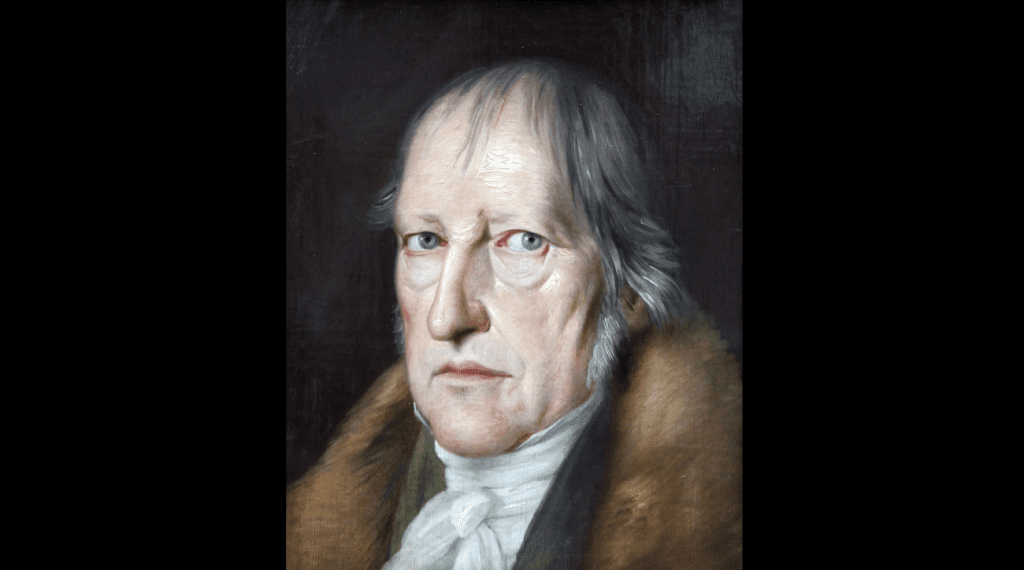
Hegel: The Conservative Spirit, Part I
Is Hegel’s political thought conservative, progressive, perhaps even revolutionary?

Is Hegel’s political thought conservative, progressive, perhaps even revolutionary?
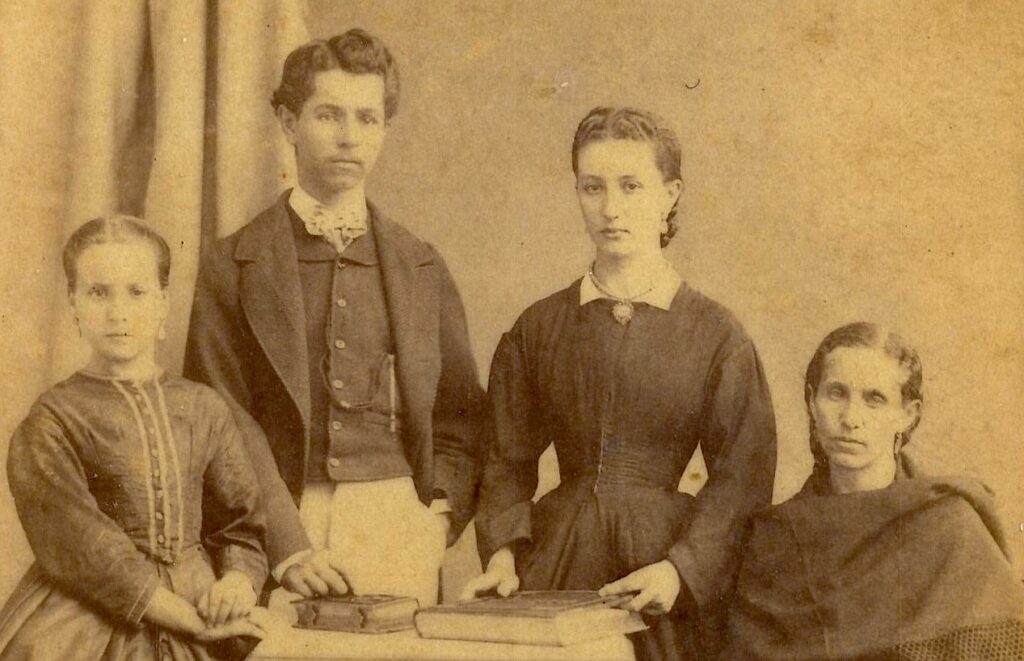
In an old hand-written Jesuit journal and a couple of letters, guarded in the Sanctuary of Loyola’s historical archive in Spain, I found a story of grace, love of God, and generosity that my family lore had already forgotten.

Where there is a human rights regime, especially if it is an international one as in Europe, the legal system is no longer rooted in social reality. It is no longer constitutive or protective of that reality; it becomes, on the contrary, an instrument for reforming or deforming it.
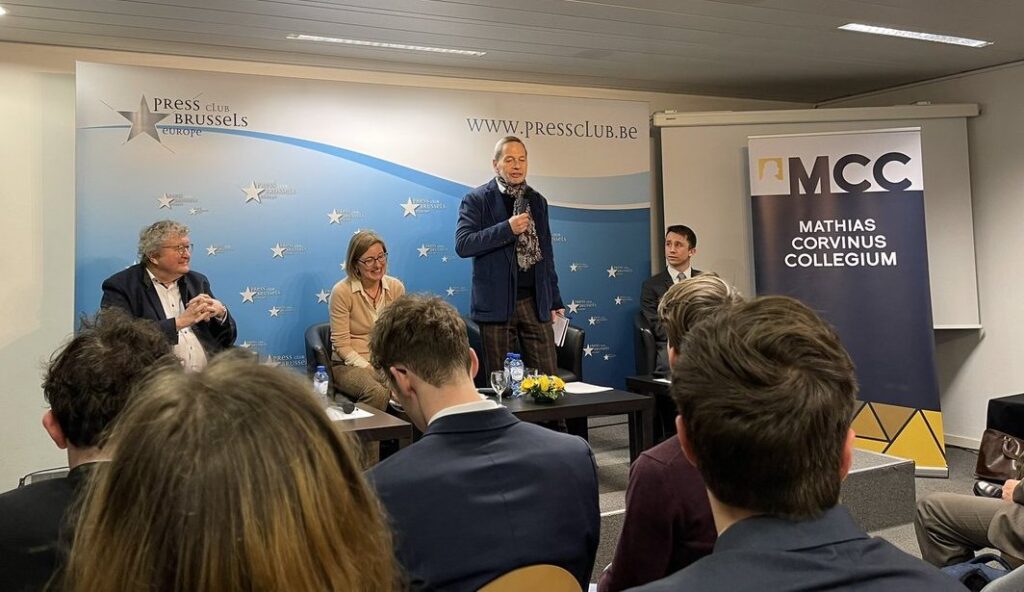
European history must stop dwelling on sins and start focusing on achievements again. A strong Europe starts with proud Europeans, according to the MCC’s panel discussion in Brussels.
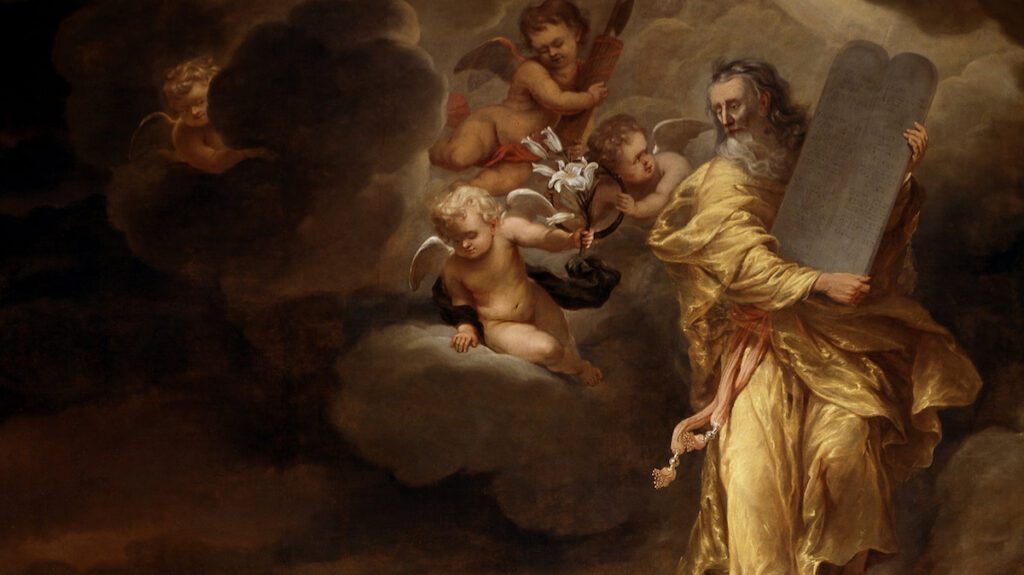
It is essential for the modern person—and tragically we are all modern people—to strive to overcome his rationalism by various therapeutic exercises.
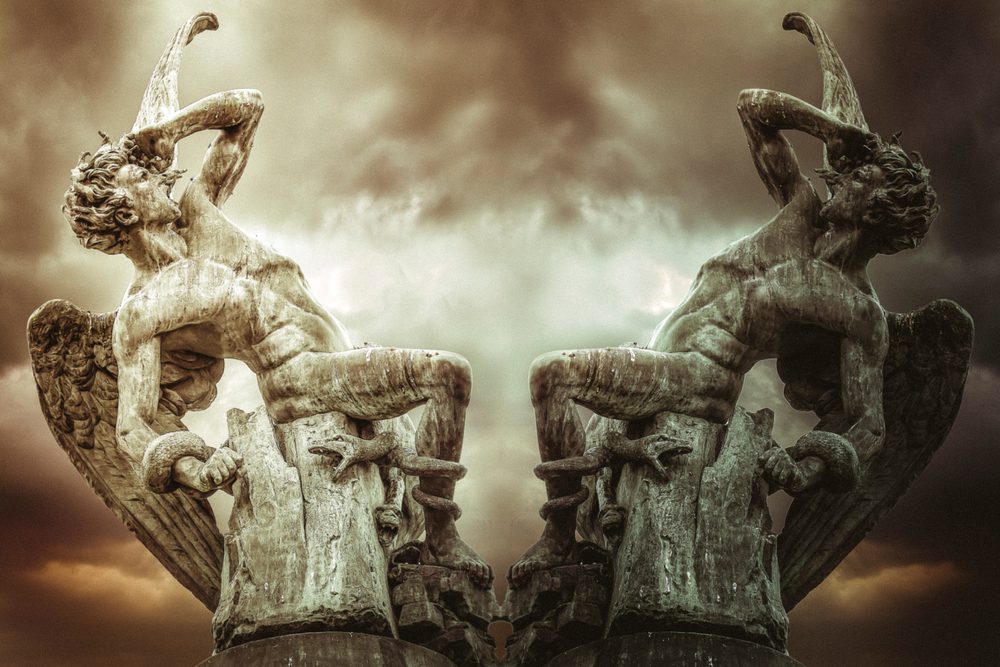
In retracing our steps back from the postmodern precipice, we should remember that evil is not the opposite of good, but its parasite. God’s truth may be highlighted by evil’s un-truth, but never rivalled.

It was exactly one year ago, on a cold, dark winter evening in January 2022, when Paul Coleman arrived in Helsinki for the modern-day heresy trial of Finnish MP Dr. Päivi Räsänen and Bishop Juhana Pohjola.
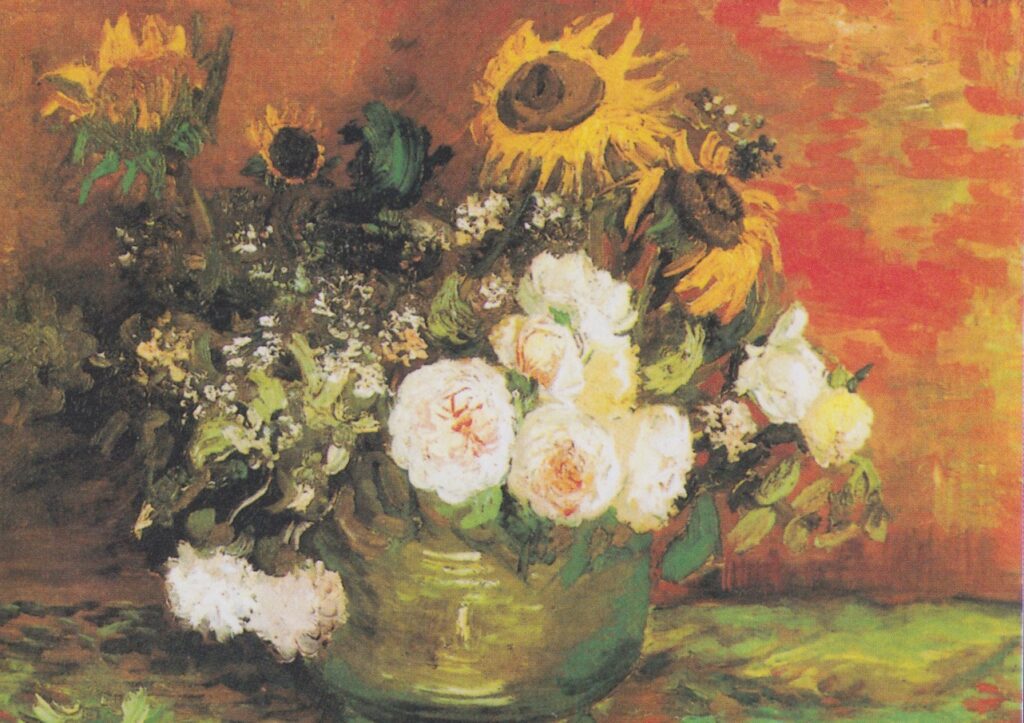
The environmentalist’s claim that man is nature’s enemy undermines any reason to steward it in the first place. To care for something, one must love it; one must feel that it belongs to them and them to it.
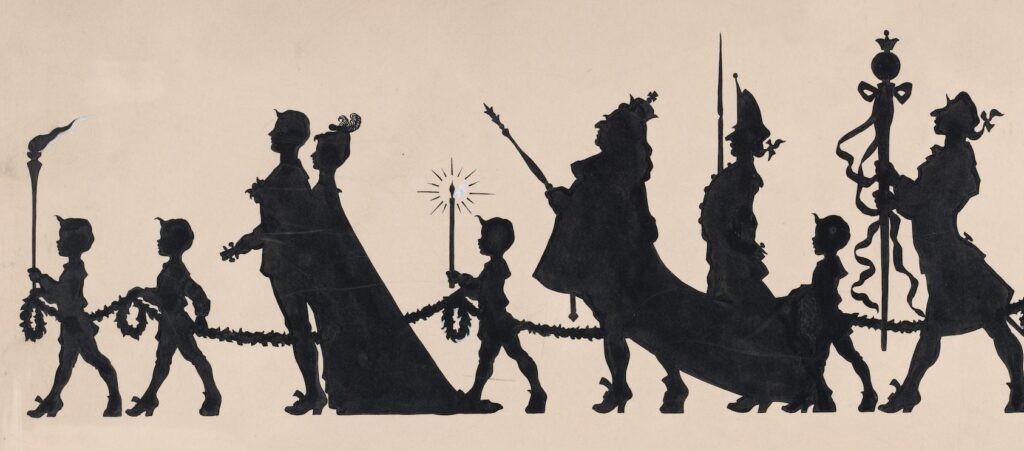
The King has chosen to be called Charles. Let us look at his predecessors, in hopes of finding some indication of where His Majesty might wish to go.
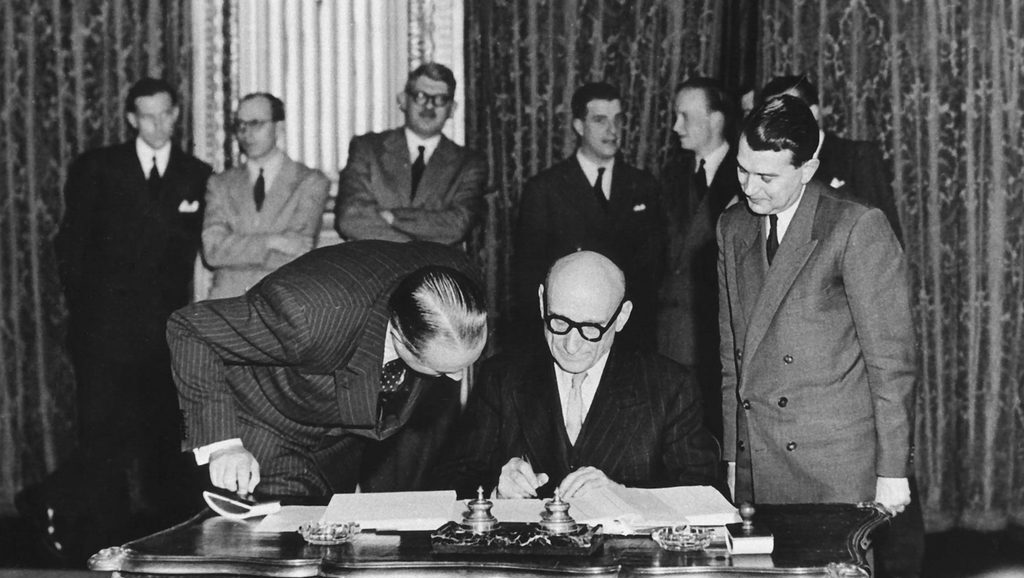
The U.S.A. was determined to unite Europe militarily, politically, and economically for its own purposes, and the Cold War provided much of the pretext.
To use the Foucauldian jargon, the new left-wing aristocrats are forever manufacturing ‘epistemes’—that is, structures of knowledge—which serve to sustain their dominance of Western society.
Listening to pop music—like the rest of modernity—marks an education in unreality, which is no education at all. Folk music, on the other hand, is invariably rooted in the concrete reality of life.
“The world is full of devouring wolves, and you, unfaithful dog, know not how to bark.”

If these four companies—WeWork, Uber, Airbnb, and DoorDash—were representative of what American capitalism had to offer, there would be reasons for grave concern about the future of our economic system.

Is there a proper way to differentiate between true refugees and opportunists? It is a hard question to answer. But one thing is sure: it is never a loss when the Church gets actively involved in a refugee’s life. While the system can be cheated, God cannot.

It is very difficult to argue for the Burkean Contract. If one sees oneself as a morally isolated, radical individual for whom history means nothing and for whom nothing is owed to the future, no amount of disputation will let in the light.
In the arena of the culture war, ideas become political brands, stitched into the terrible body of the news cycle, until they share in that sickly bloodstream. Instead of building civic participation, they get their oxygen from media attention.
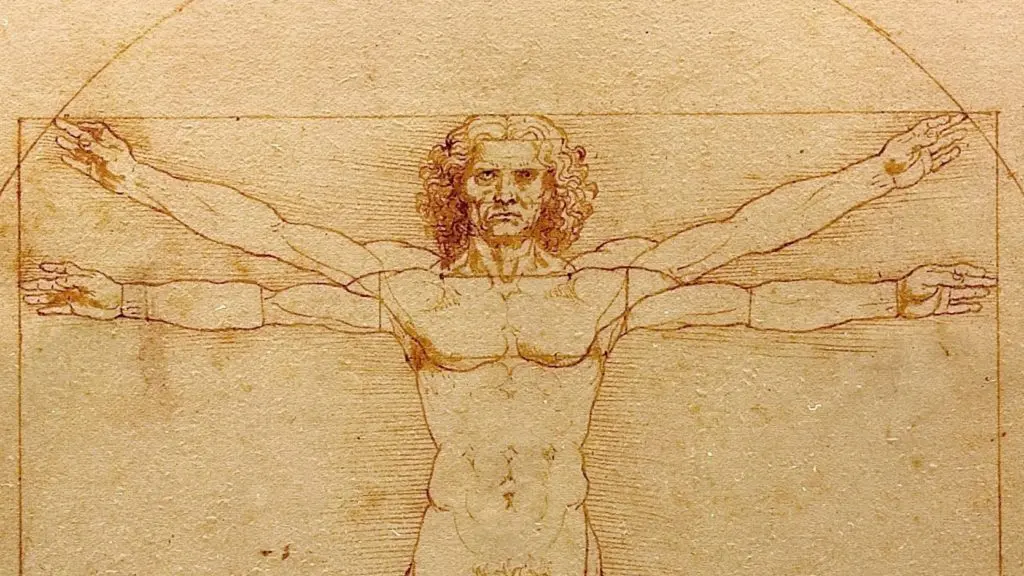
While distinguishing between good and bad taste undoubtedly smells like an elitist activity, the conditions that Hume attaches to it do not, at first glance, seem to be.
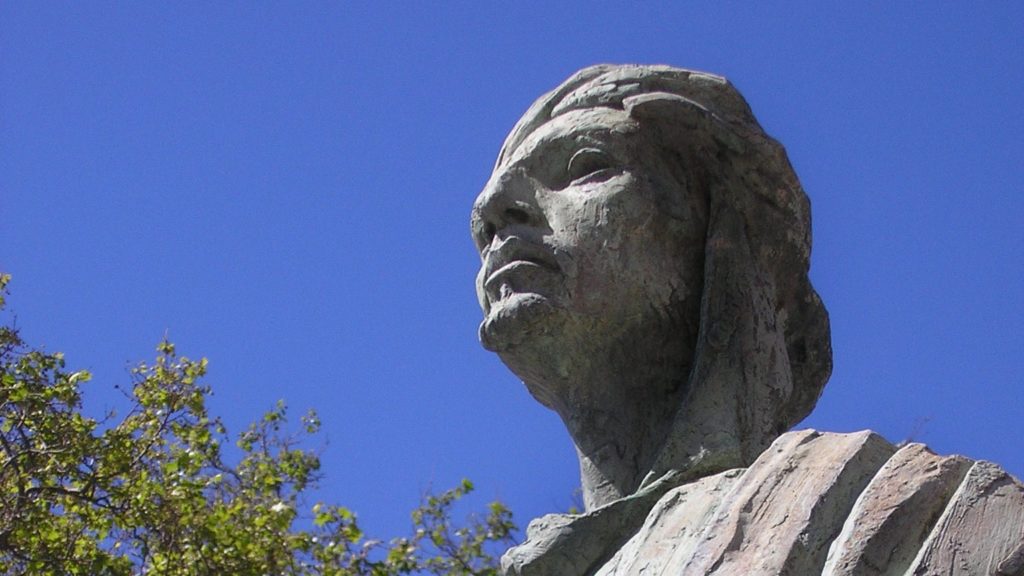
Beneath the tales of Almanzor’s campaigns is an intriguing subtext which seems to subvert preconceived modern Muslim and Christian notions of what medieval warfare between the two great religions was actually like in Al-Andalus.
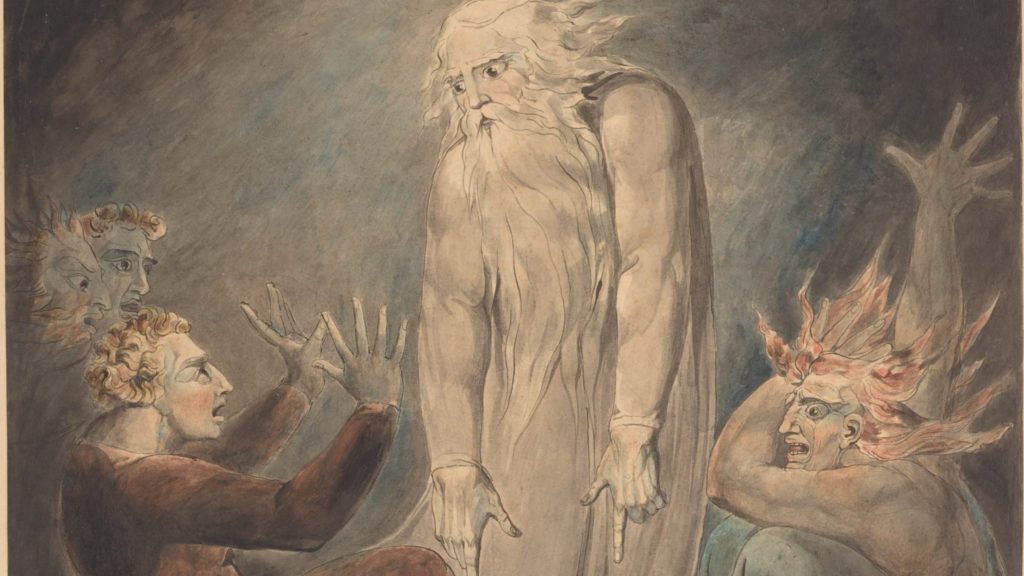
The Bible recommends that kings be anointed after the conquest of their realm. Institutions are not to be founded in the throes of a crisis, which would result in their legitimising themselves through that crisis and so perpetuating it.
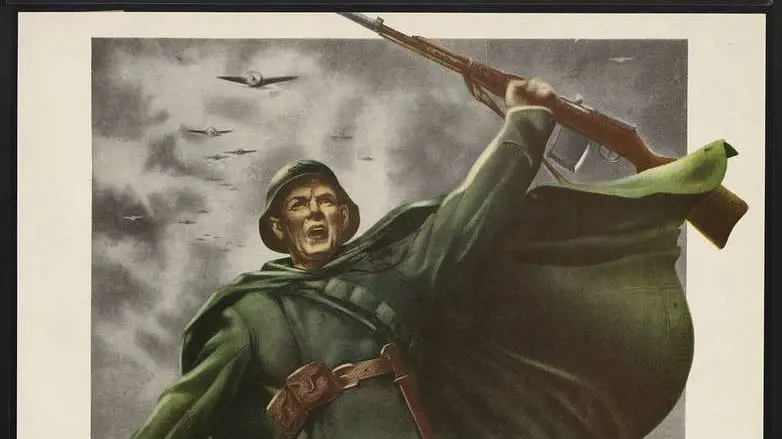
President Vladimir Putin has vowed to “de-Nazify” Ukraine. To understand the Kremlin’s propaganda, we must go back to the Second World War and even earlier.
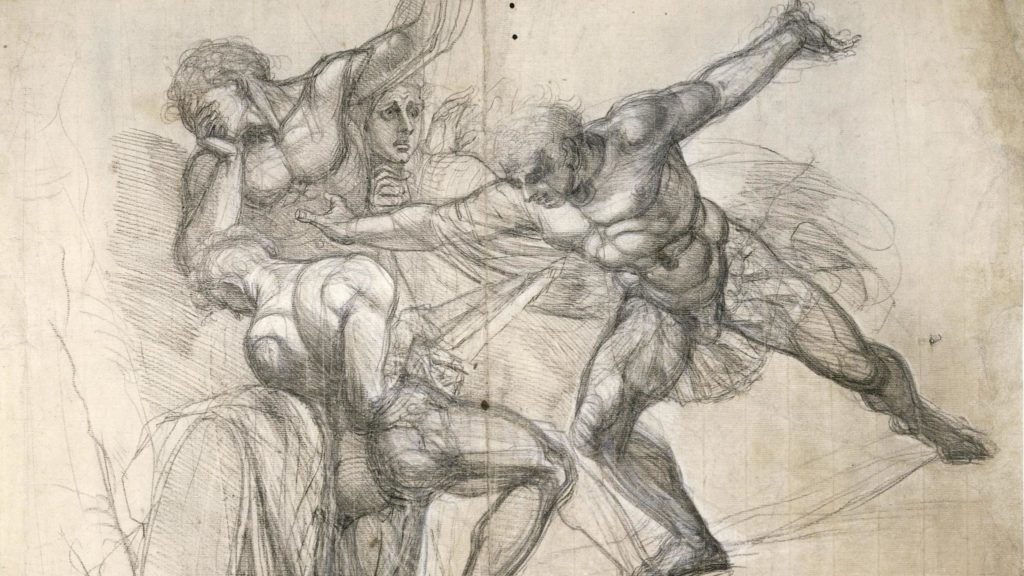
The final in a three-part series exploring Shakespeare’s engagement with pagan/Roman morality in Julius Caesar, this essay looks at suicide in the play.