

Mushrooms and the Future: Why We Should Pay Attention to Fungi
Mushrooms are teachers, and we ought to learn from them.

Mushrooms are teachers, and we ought to learn from them.
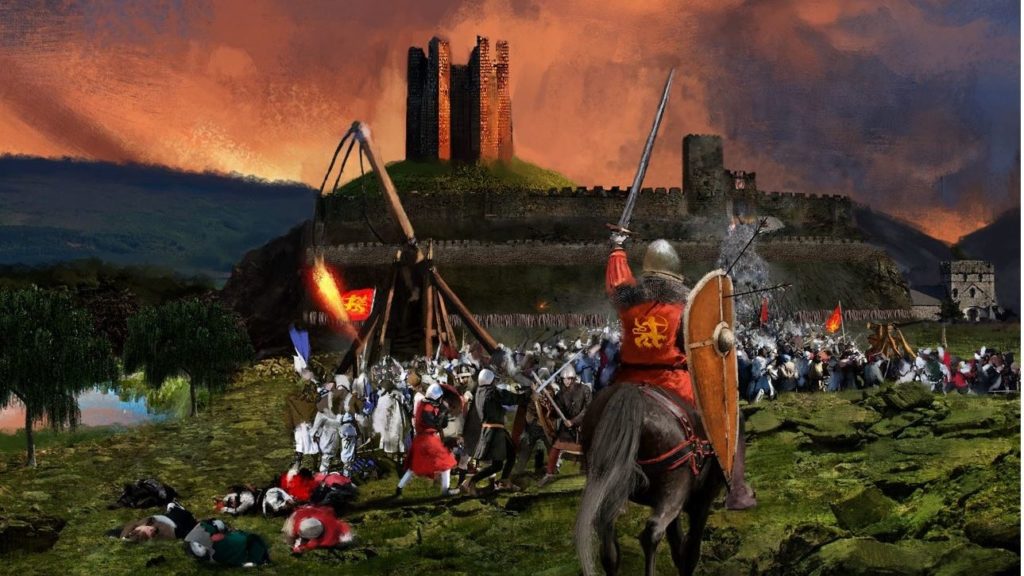
If you want your money to be spent on curation, care, and cultivation of rich history, it’s long overdue time to take back control. It takes a lot of time to create something, and a mere moment to destroy it forever.
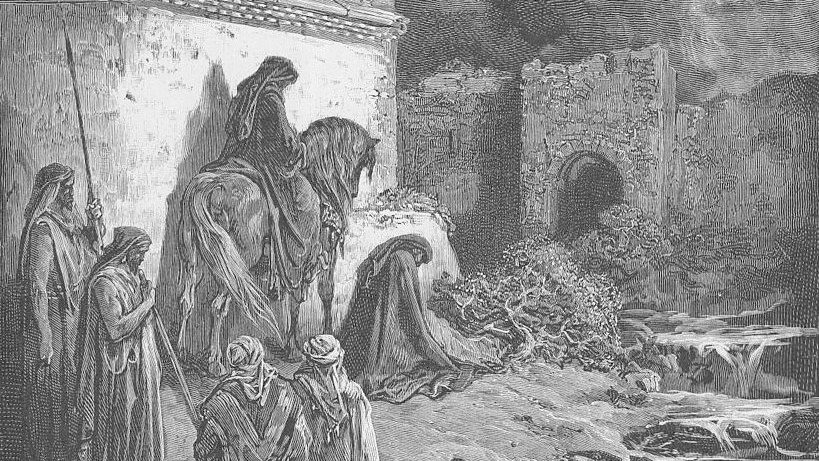
As we look upon our own societies with an ever-decreasing patience at the loss of religious values, we must collectively re-assess our city walls. Are the cracks merely contained to the surface, or does our city lie in ruins?

Horror polarises between the twin evils of chaos and control, the thing lurking outside town, and the painful secrets inside.

The techno-determinists have glimpsed the coming of a god and feel quite sure that he is impossible to resist. But we should oppose their fatalism and hubris with faithfulness to human integrity and dignity.
Many of the architects of the sexual revolution made their case for the abuse of children openly, and they were embraced by the elites, lionized by the press, and heralded as courageous thinkers.
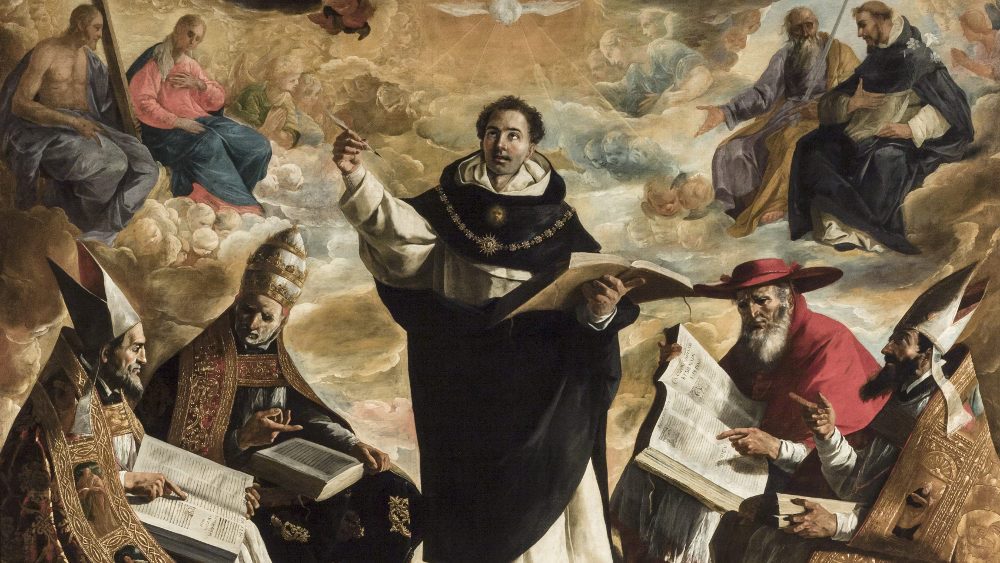
Opinions will always differ on what best approximates the common good and on the utility of law as an agent of virtue in any particular case. But to imitate the liberal silence on such crucial questions is to invite radical neo-Marxists to answer them for us.
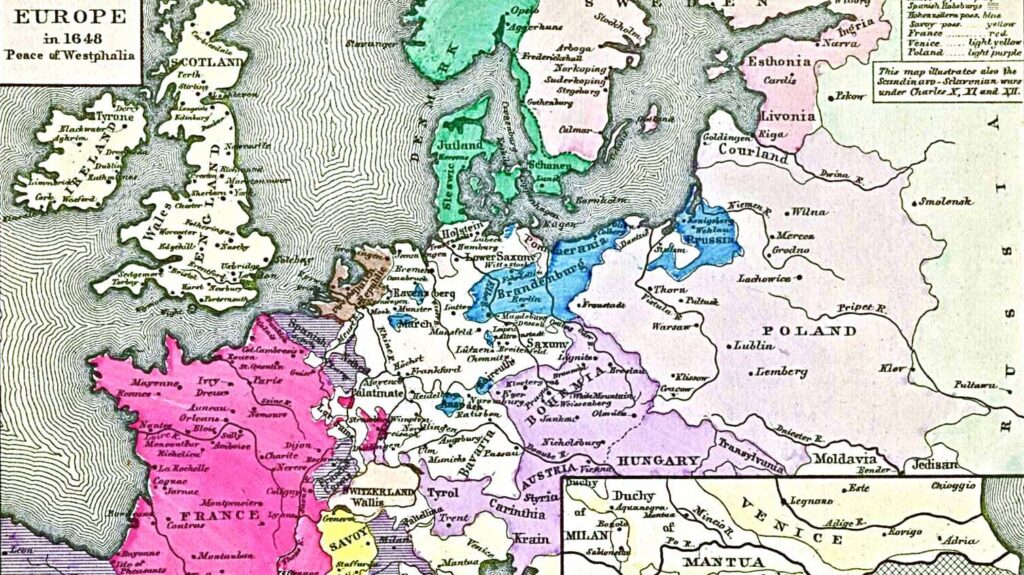
Emmanuel Macron’s invocations of “European sovereignty” notwithstanding, the nation—not Europe, nor the entire world—remains the only viable locus for the exercise of democratic power.
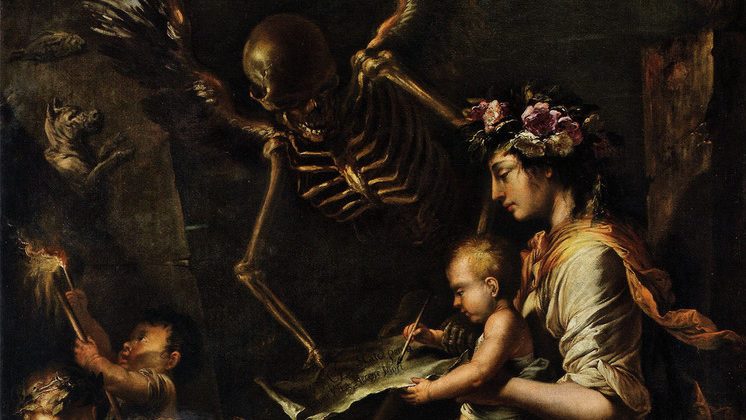
Any culture that creates a taboo around death while worshipping the most sterile forms of hedonism should prepare for a nastily ironic surprise: extinction.

Since today progressivism is the mainstream and the cultural establishment is monopolized by the Left, being a conservative is currently a rebellious position. The political revolution is coming from the Right.

It is easy to see why short-term jobs are conquering the market. They allow people to experience the freedom and moral comfort of a small business, something far more traditional than any nine-to-five job. They are also the natural response to our age of the internet and globalisation, ever-changing circumstances, and the over-bureaucratised corporate cultures.
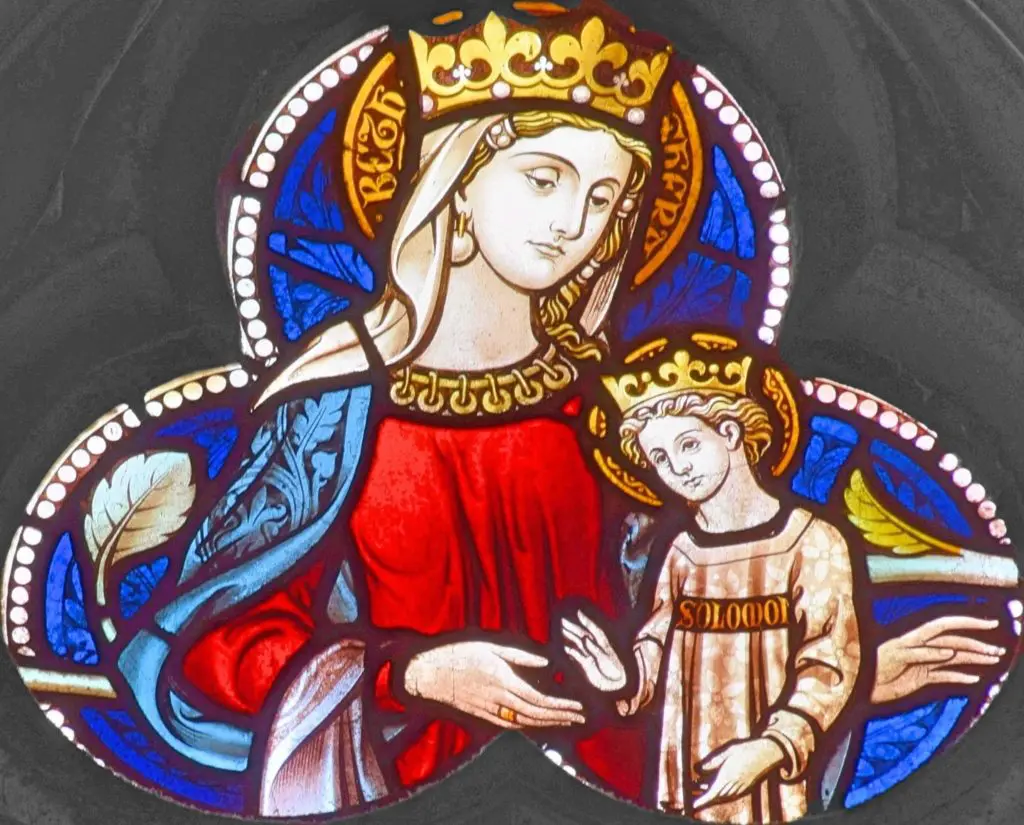
By insisting on cultural neutrality, by insisting that it merely baby-proofs every hard edge and socket, the new mentality rejects any account of the anatomy of the human mind. It does not care, or does not know how to care, whether aspects of our lives distort our nature.
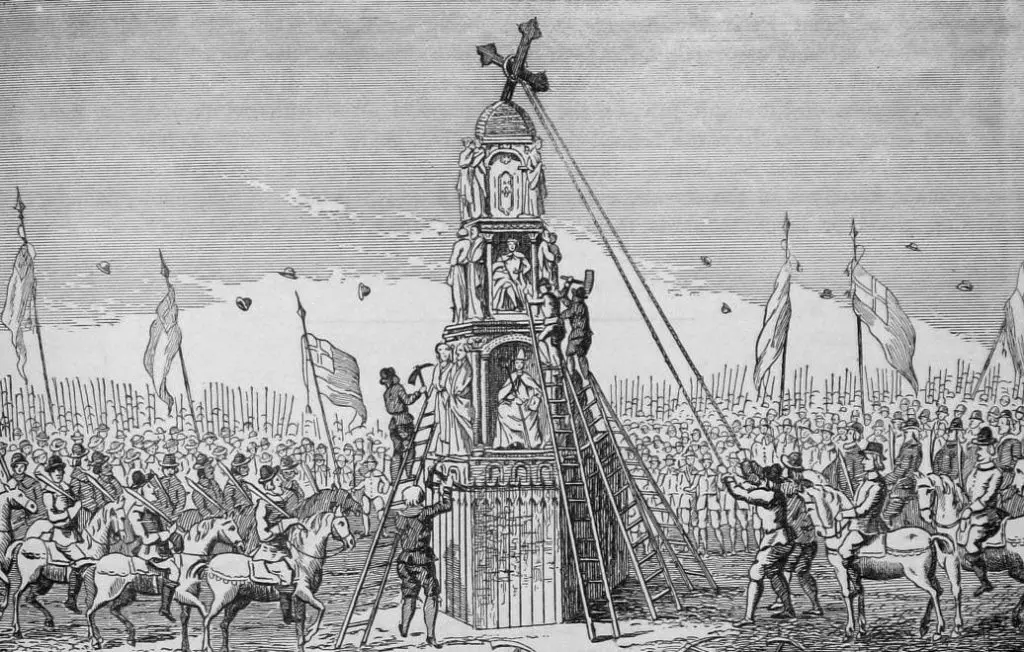
The New Puritans feign an aversion to pride and idols only insofar as it serves their political ends. They should be rejected as menacing imposters. But we should also reject a more sincere application of Puritan principles.
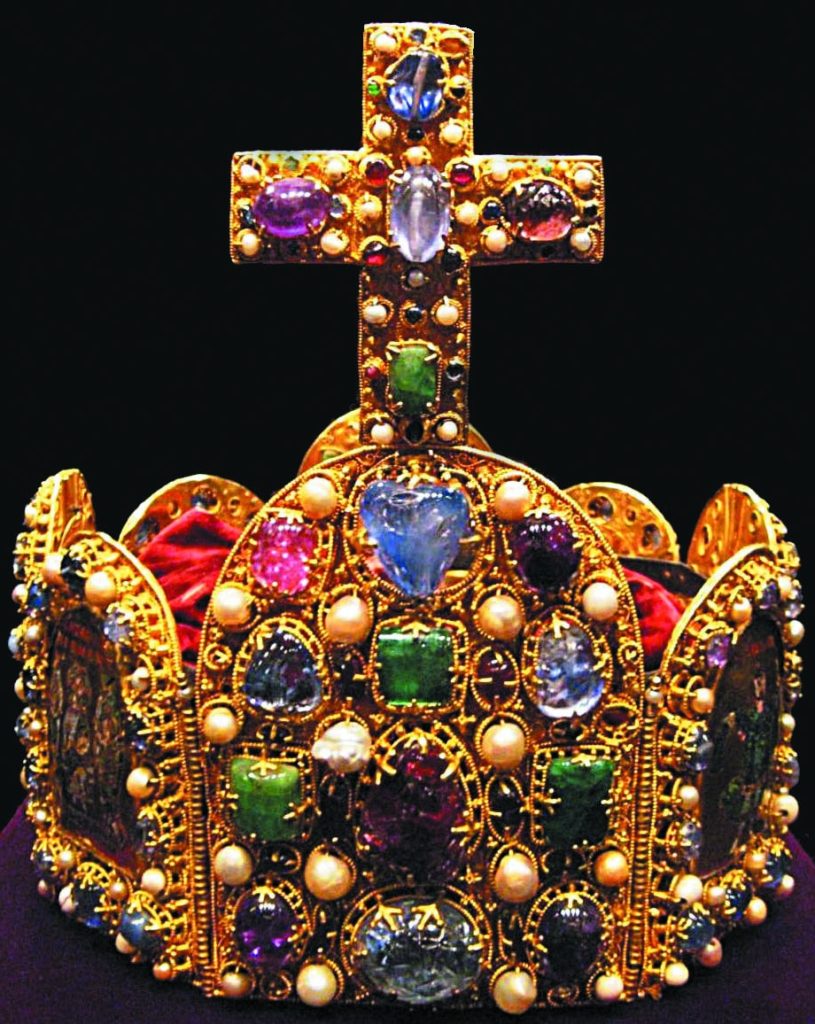
Today, we have almost forgotten the Holy Roman Empire; yet it was the empire that determined the history of Europe for almost a thousand years, and which gave the Germans a common legal framework to develop. This framework—and the shared idea of a Christian Occident—are brought together in the Imperial Crown.
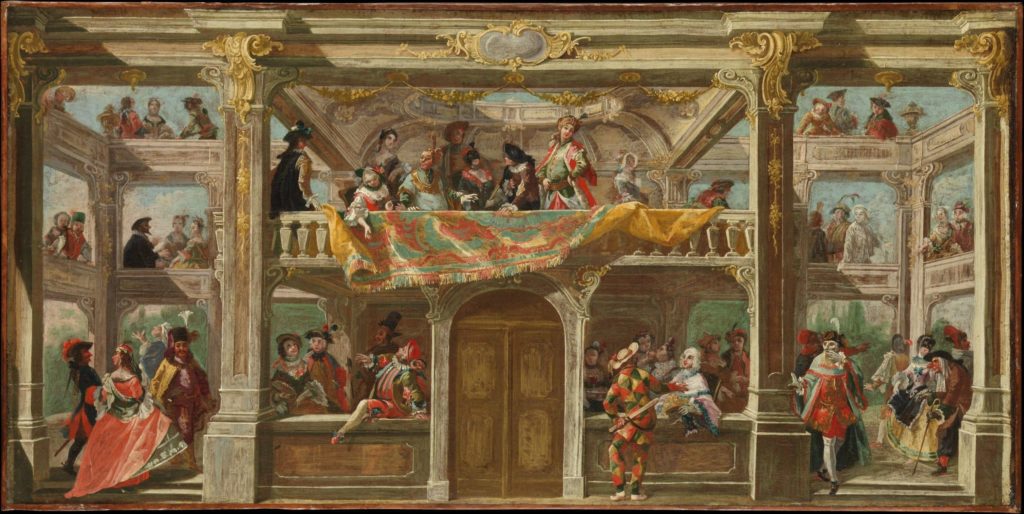
Vienna and New Orleans, despite everything, have remained themselves in the face of larger cultures, consciously or otherwise, attempting (with some success) to reduce them to mere sameness.
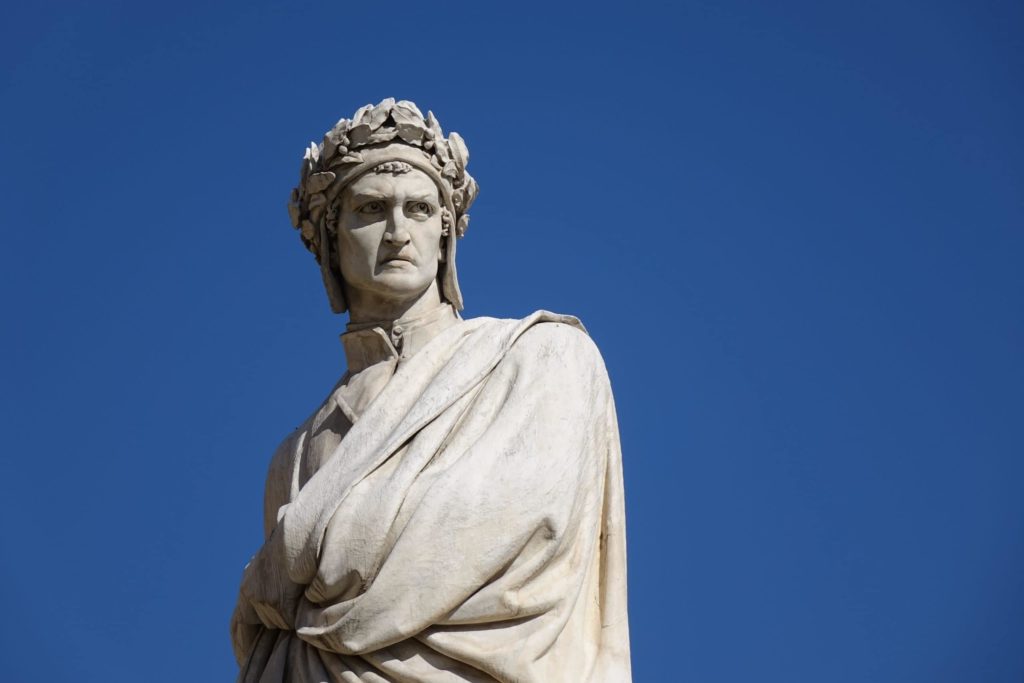
Dante Alighieri’s significance stems from his work and extends beyond it. He is the quintessential European figure, epitomising the different strands which make Europe a culturally rich and distinct continent.
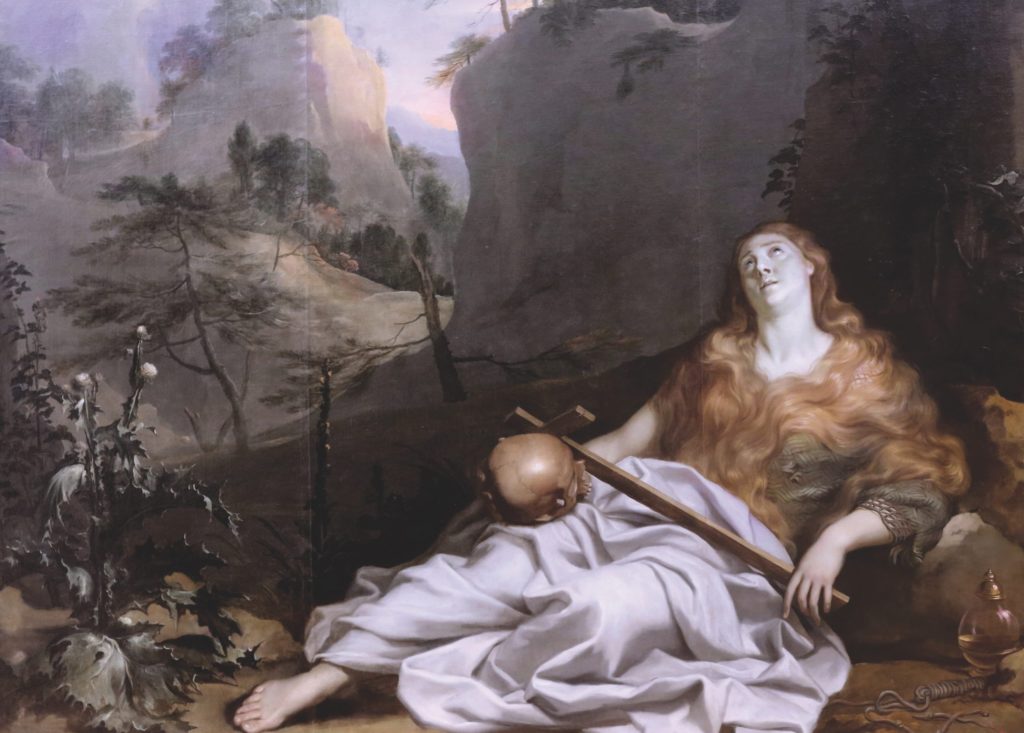
The challenge before us is to decide whether we believe in a universe created by a loving God who called us into being and who has destined us for eternal Communion with Himself, or whether we think we can only be ‘free’ by making ourselves like God and imposing our will on our body and the world?
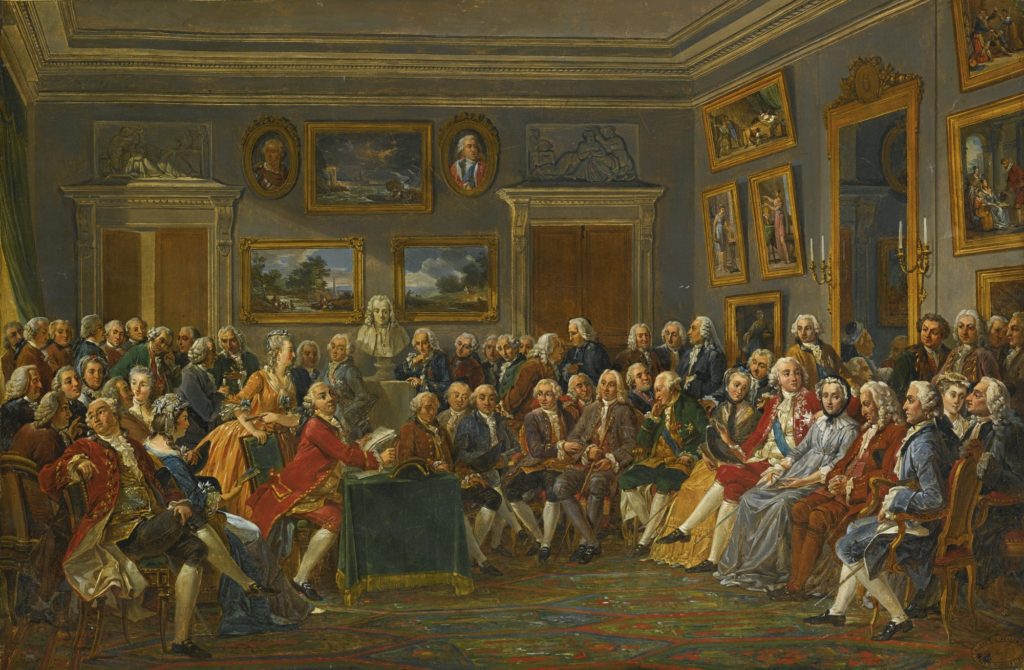
The Enlightenment had its fair share of such confusion. It was a time of truly scientific pursuits; of Voltaire’s brave and sharp remarks; of Hume’s observant rationality. But it also produced Rousseau, whose romantic view of freedom inspired generations of rebels. They thought that only monarchs and nobles could be oppressive, for they had not yet seen tyranny of the people.
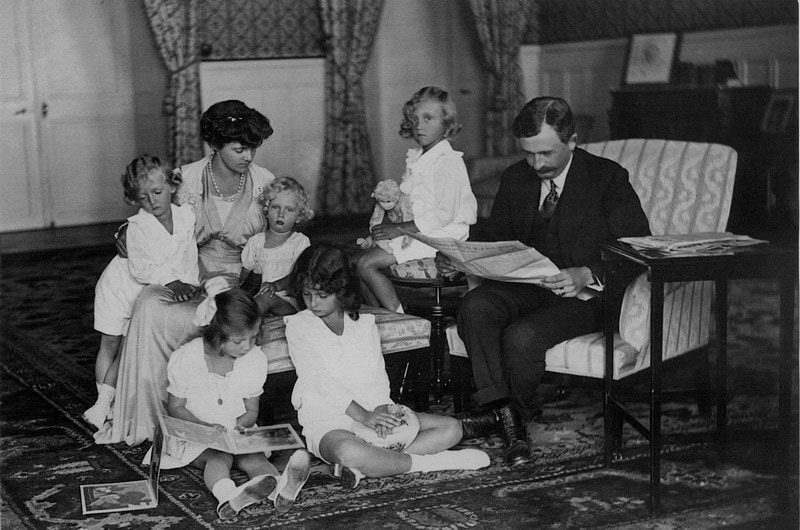
In peace or war, the Church Year was a large factor in the home life of the Imperial family, as it was for many of their subjects from Tyrol to Transylvania. Charles and Zita loved Christmas; during Advent Charles taught his children to make small sacrifices. For each of these they could put a straw into the empty manger of the Nativity scene. By the time the Christ Child would be installed on Christmas Eve, there was generally a good supply of straw!
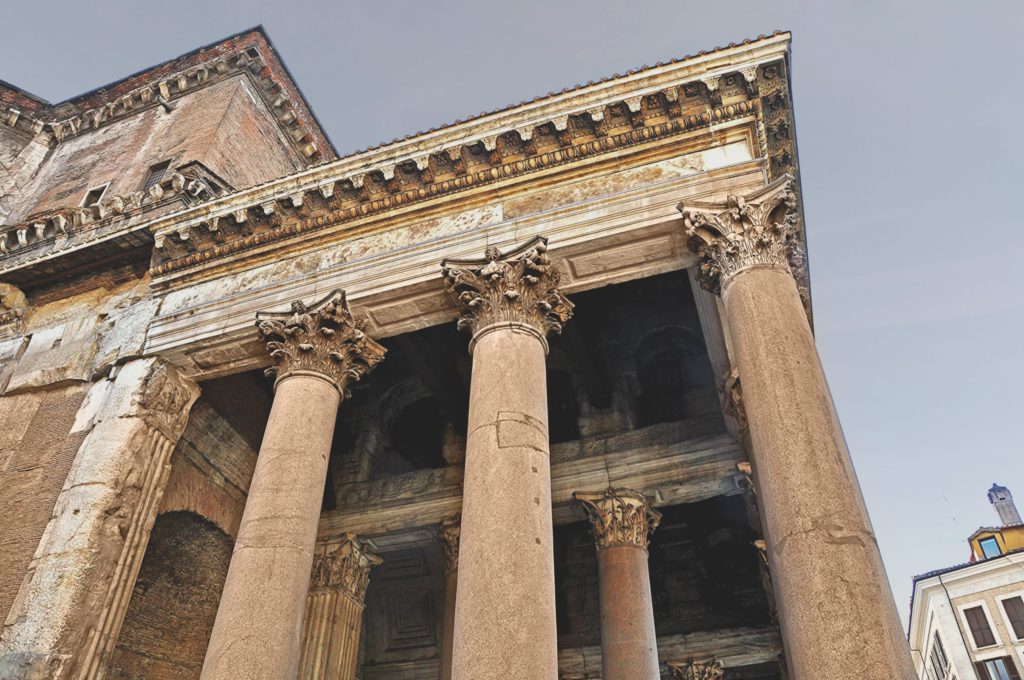
If Brussels wants to keep the project of the EU going, it must abandon its imperial trajectory.
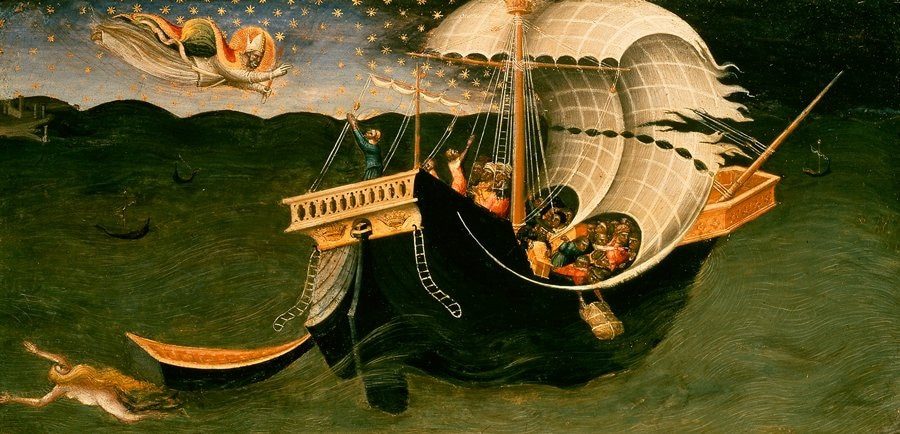
They shed tears of gratitude, knowing themselves unworthy of the boon they were making off with. Joined by the forty-seven pilgrims, the crew now departing totaled sixty-four, eight groups of eight, and like the eight reindeer pulling his sleigh, they set sail with Santa Claus among them.

On a single silent night when all was still and all was bright, Christian Germans and Christian Brits sang together and then climbed out of their trenches to greet each other—and celebrate the birth of Christ.