The Most Beautiful Thing This Side of Heaven
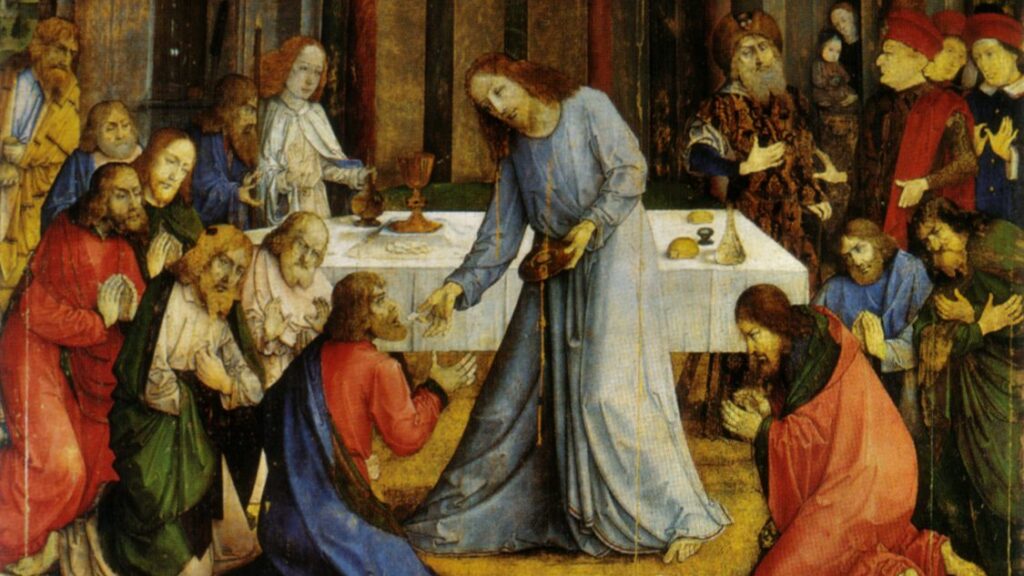
From the bell preceding the priest’s entry, I was as engaged as I had ever been in any Mass.

From the bell preceding the priest’s entry, I was as engaged as I had ever been in any Mass.

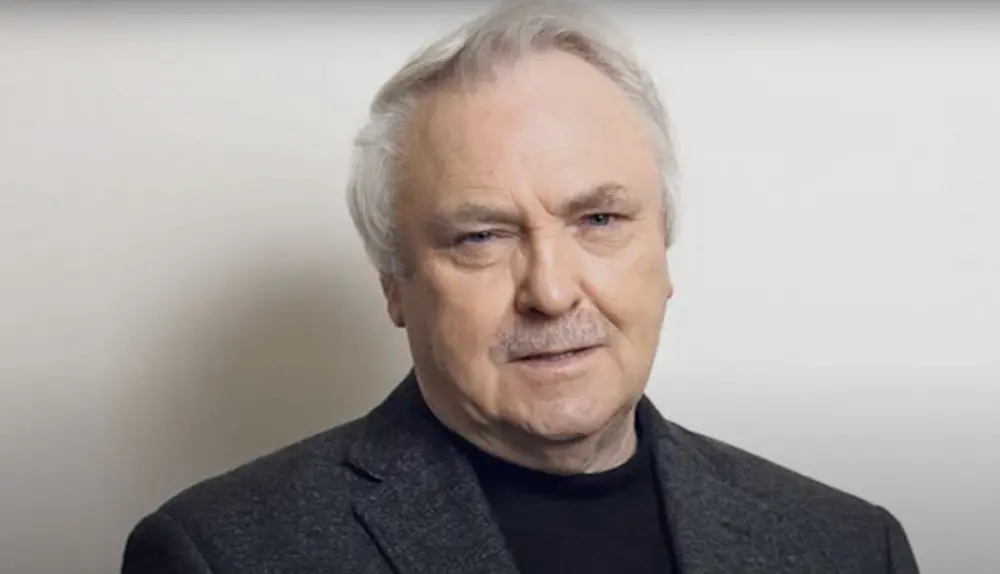
Free societies need people like Eoghan Harris—courageous contrarians who defy the culture of amnesia. Such people are the vanguard of memory, reminding us that liberty is a precious but fragile asset that we must not take for granted.

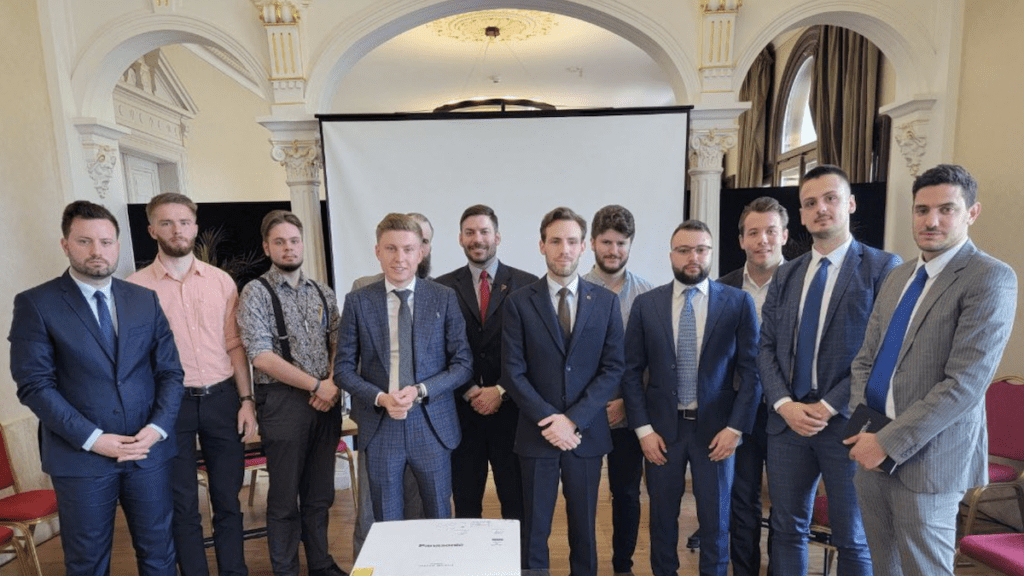
The meeting focused on issues that will play a pivotal role in the survival and renewal of Western Civilization. In a roundtable discussion, participants zeroed in on topics central to our time—like immigration, national sovereignty, and the importance of the family.

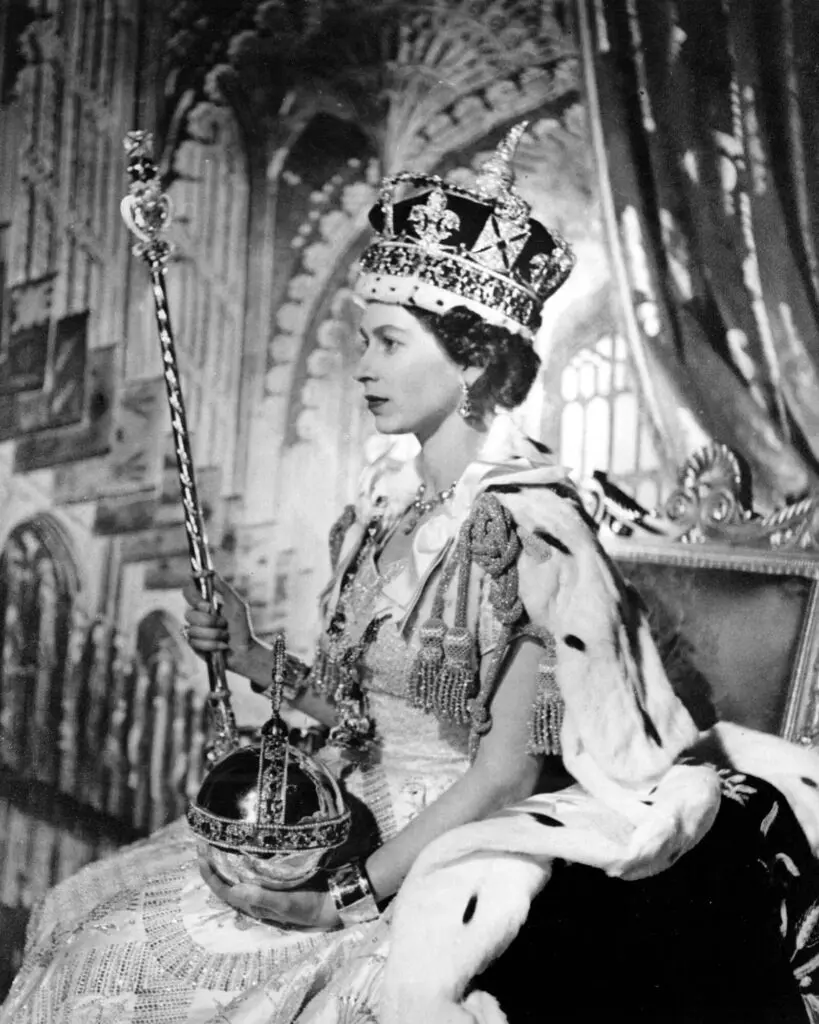
It must have been quite terrifying for such a young lady to enter the Abbey, to take on such a huge responsibility. And yet she has lived up to it—openly, publicly, avowedly, unashamedly, and consistently a Christian monarch above all, to the last.

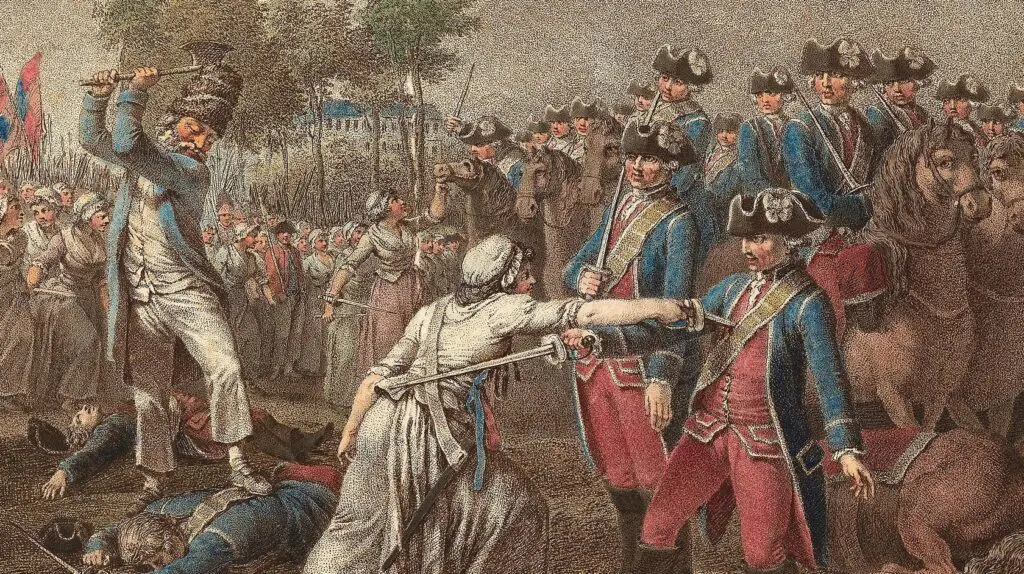
What is Davos if not a globalised version of the Palace of Versailles? What is Klaus Schwab if not an aspiring absolute king who markets himself as a benevolent technocrat?

This time, things are really getting serious because a point of no return has been reached. The French system finds itself confronted with an unprecedented situation that no one has been able to anticipate on such a scale: the recruitment of teachers is becoming impossible.

Liberal thinkers have fetishized their false image of the rule of law as a commitment to neutrality. The idea has become such a sacred article of the liberal faith, that any effort to draw upon our Judeo-Christian heritage is condemned as tyranny.

I would rather be ostracized for the truth than hide in shame living a lie. I refuse to embrace an illiberal, totalitarian ‘liberalism’ based upon distorted versions of truth, justice, and history.

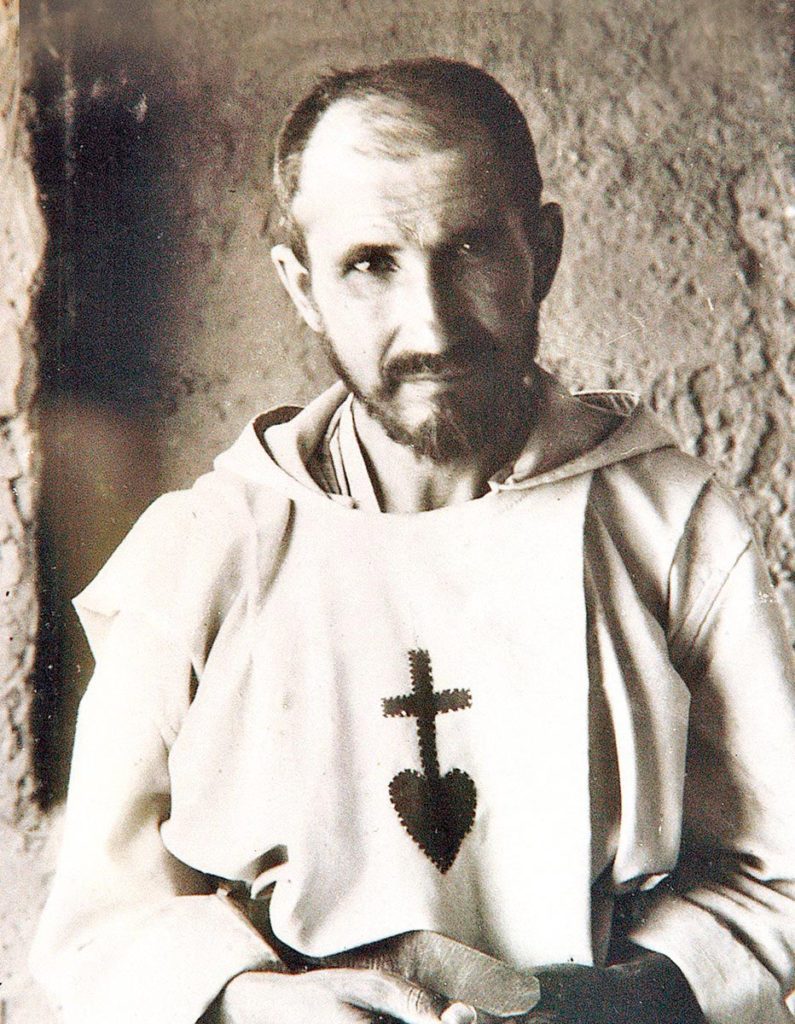
Like so many other missionaries before him, on the shores of New France or in Asia, he proved that the ardent desire for missionary work is an extraordinary spur to progressing in the knowledge of others.

“A fellow Hungarian villager, Feri Augusztin, came to my father and told him to hand over his daughters, me and my sister Ella, to the Russians. This was the same person who earlier chased the Jews out of their homes. He informed the Russians that we were wealthy Hungarians and threatened Dad, saying that they would execute him unless he gave up his daughters.”
What lies at the root of the totalitarianism that seems to be asserting itself in free societies in today’s West? The answer to this question reveals a fascinating affinity between Ryszard Legutko, a 21st century Polish Catholic philosopher and the 19-century Dutch Calvinist historian and statesman Guillaume Groen van Prinsterer.
Western governments are become more controlling, behaving like overbearing mothers rather than the aloof arbiters they are supposed to be. This is the nanny state at its worst, deciding its naughty citizens did not know what was good for them and, therefore, needed to be kept away from harm.
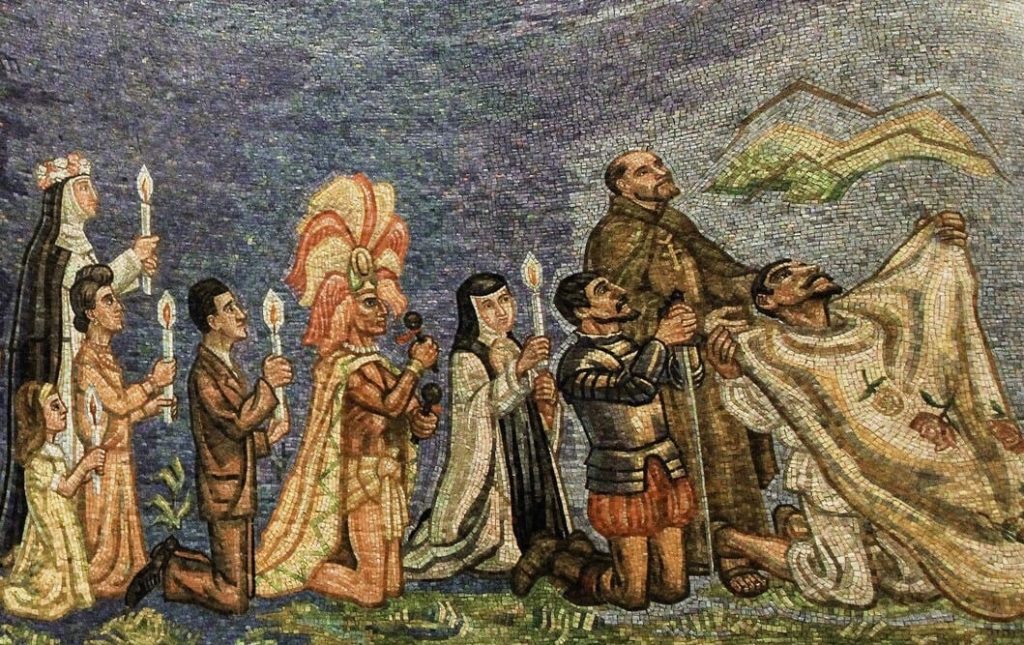
One December 9th while walking near the foot of Tepeyac hill, Juan Diego was visited by a young woman who revealed that she was the Virgin Mary. After healing his uncle from what had seemed like a fatal illness, the Virgin bid the future saint to climb a hill and collect the flowers that were blooming there despite the Mexican winter. These were strange flowers, for they were European, but had apparently found fertile ground on American soil.
If conservatism is about love for the society that is ours, what are conservatives to do when they look around and find their society increasingly unlovable?
Pre-pandemic, I flew at least one long-haul flight a month and regularly clocked 150,000 air miles annually for the previous twenty years. It was novel for my wife to see me ‘in a flap’ over simple things like checking in online and fretting over the contents of my bags.
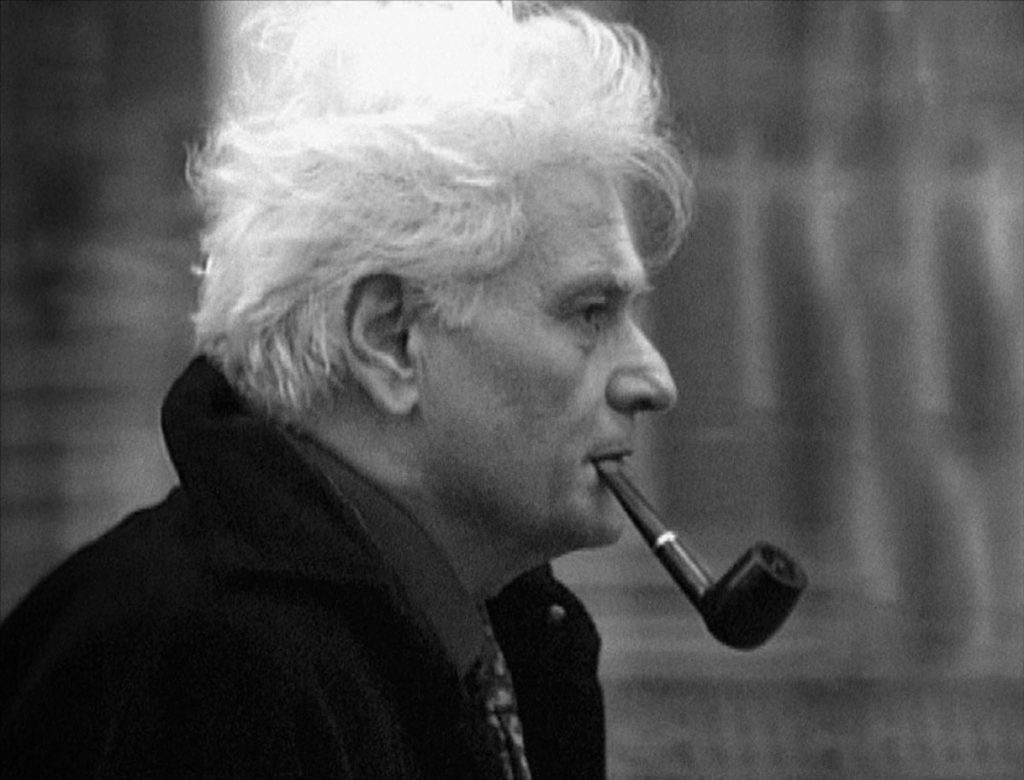
What I saw in Derrida was a man of equal genius whose affirmative understanding of home redeemed French thought from its obsessive oikophobia.
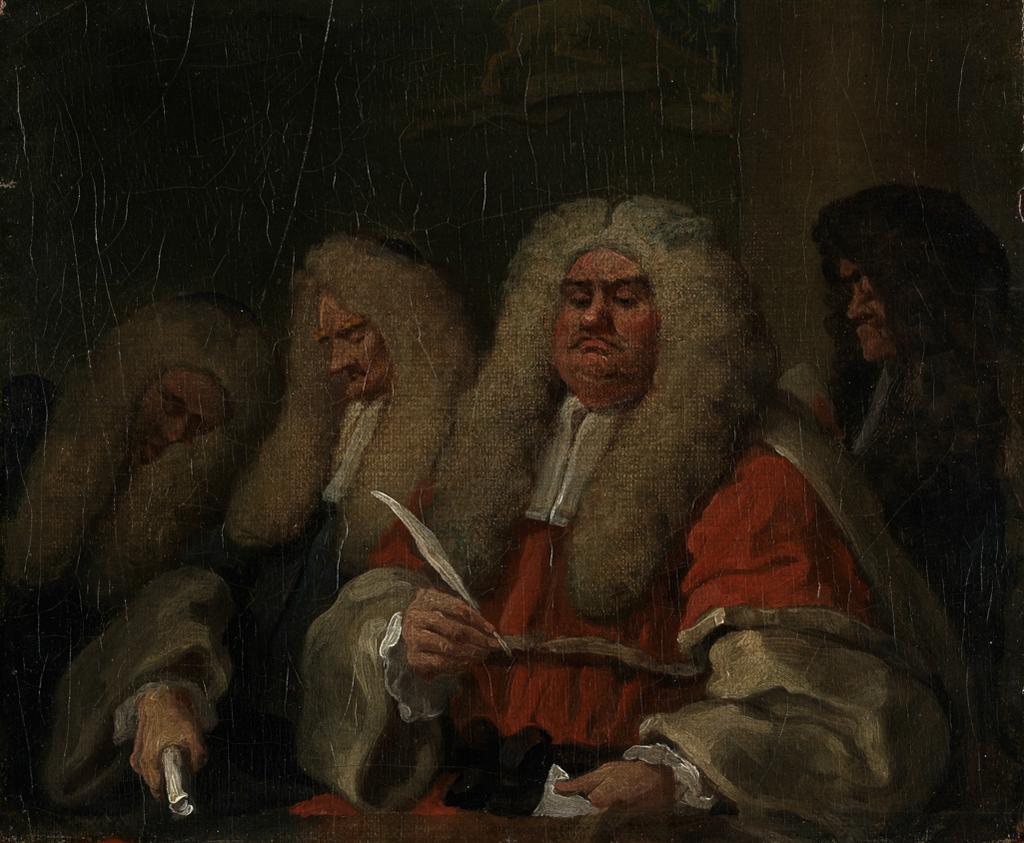
Our ancestors were far wiser than we; they knew that a legal system cannot be an end in itself. It must serve a higher power. If to-day’s courts and judges are to be allowed to retain the prestige and trappings of their illustrious predecessors, let them be once more made to serve what those judges of the past served.
Reigning or not, it is far from beyond the realm of possibility that one or more Royals may one day find the situation forcing or inviting them to mobilise precisely those traditions they embody in order to save their people from whatever dire fate otherwise awaits them.
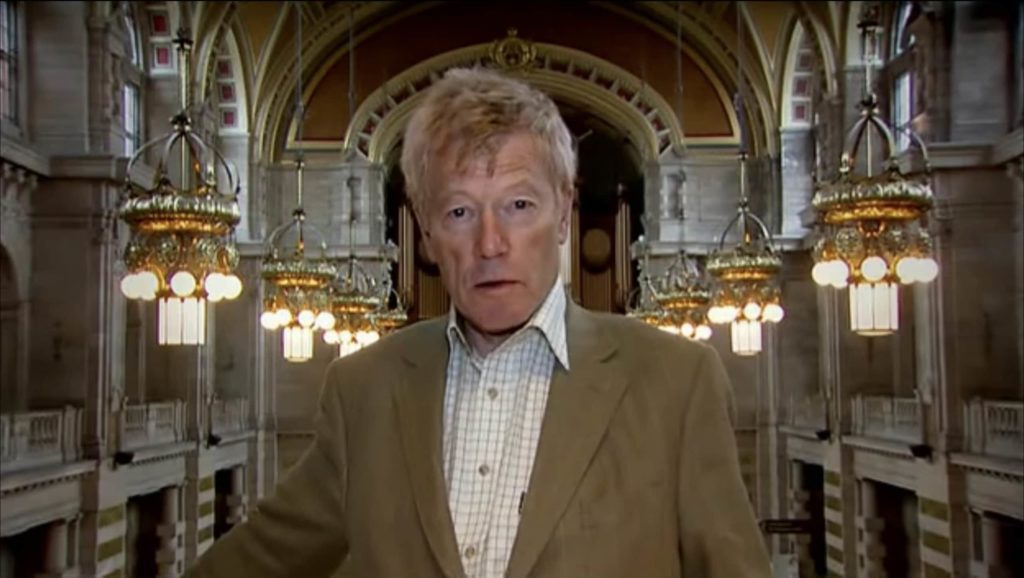
With the Roger Scruton Memorial Lectures, conservative thinkers and ideas will finally have a space at the University of Oxford.
We are, then, in a rather odd situation. It seems that conspiracies are deemed believable when they arise in fiction. It also seems that conspiracies are thought to have really happened, and are considered an essential component in even a superficial understanding of history. But anyone who suggests that we may be in the grips of a conspiracy now is a ‘conspiracy theorist,’ a pejorative term that denotes a person who does not assent to all he is told by mainstream media outlets.
Our institutions of higher learning nevertheless reveal how, even within a formal meritocracy, entrenched privilege can co-exist with an appearance of fairness. When the lower rungs of the ladder are kicked away by those already on top, social mobility grinds to a halt and the meritocratic promise loses its capacity to inspire.
The mere hint that a point of view is outdated serves as a signal that it need not be taken seriously. It can be legitimately vilified and condemned.