
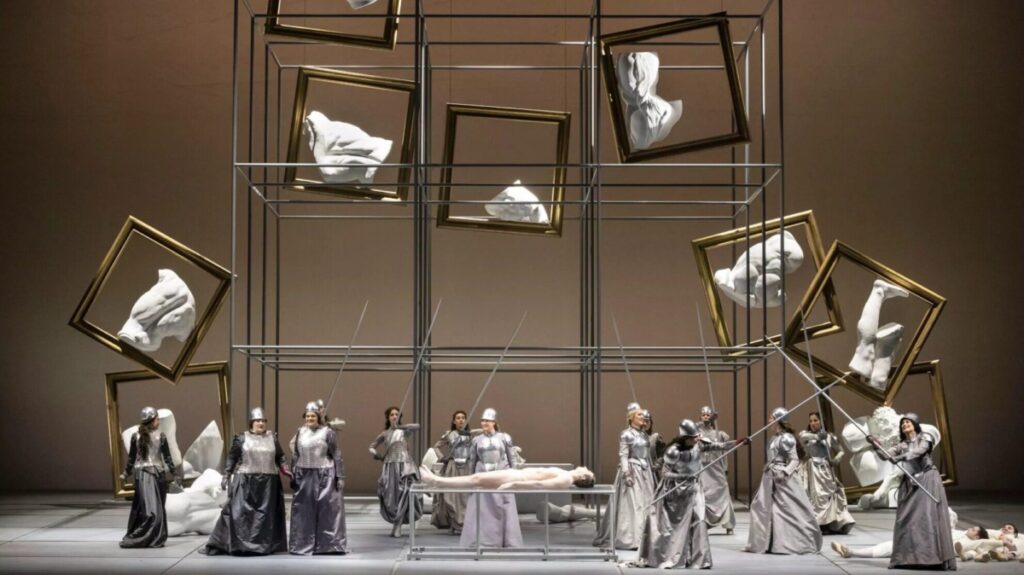
A Promising Role Debut Puts Teatro San Carlo’s Die Walküre on the Map
Tiezzi’s production eschews the interpretive fripperies and psychological baggage common in contemporary Wagner productions in favor of appealing abstractions.

Tiezzi’s production eschews the interpretive fripperies and psychological baggage common in contemporary Wagner productions in favor of appealing abstractions.
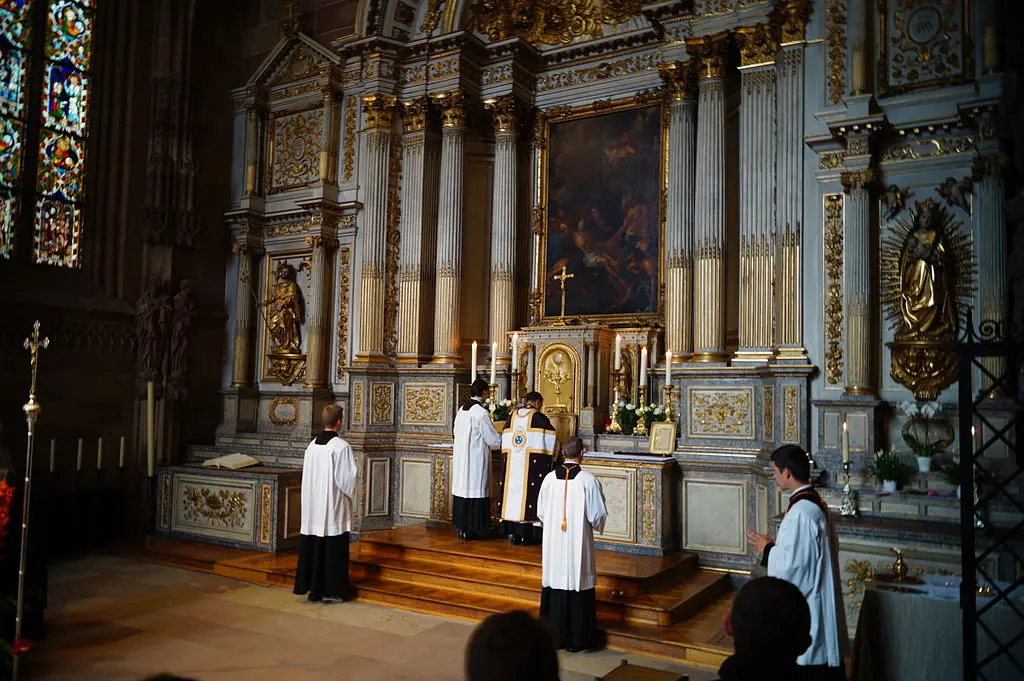
The Once and Future Roman Rite is an historical study and a call to action. The author writes that, “We are privileged to be living at a moment when it is possible for the laity and the lower clergy to be taking the steps needed to recover our glorious inheritance.”
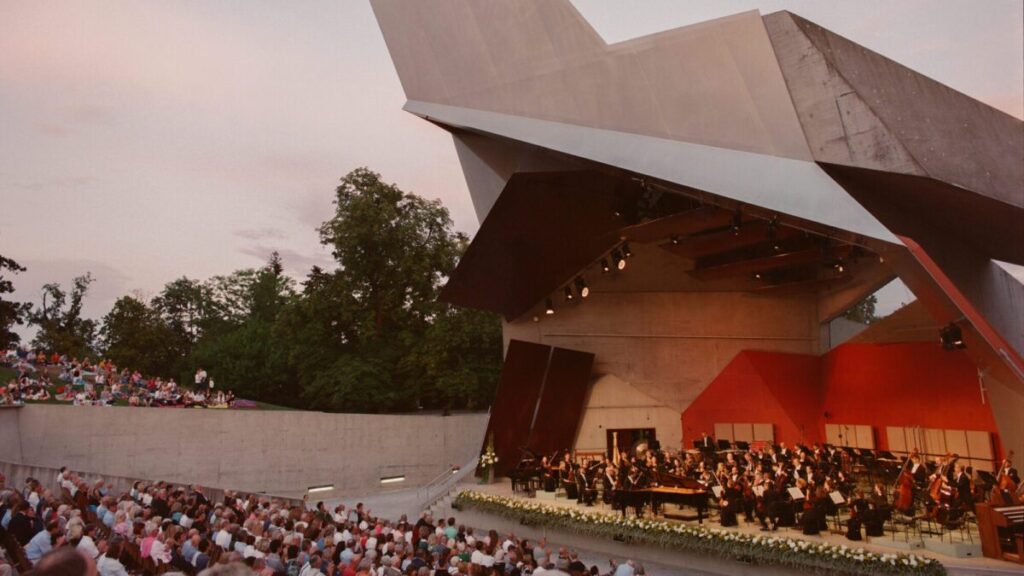
Grafenegg has risen to become one of the finest regional European music festivals. The unique blend of nature, architecture, and music makes one feel as though the great romantics are still at home here.
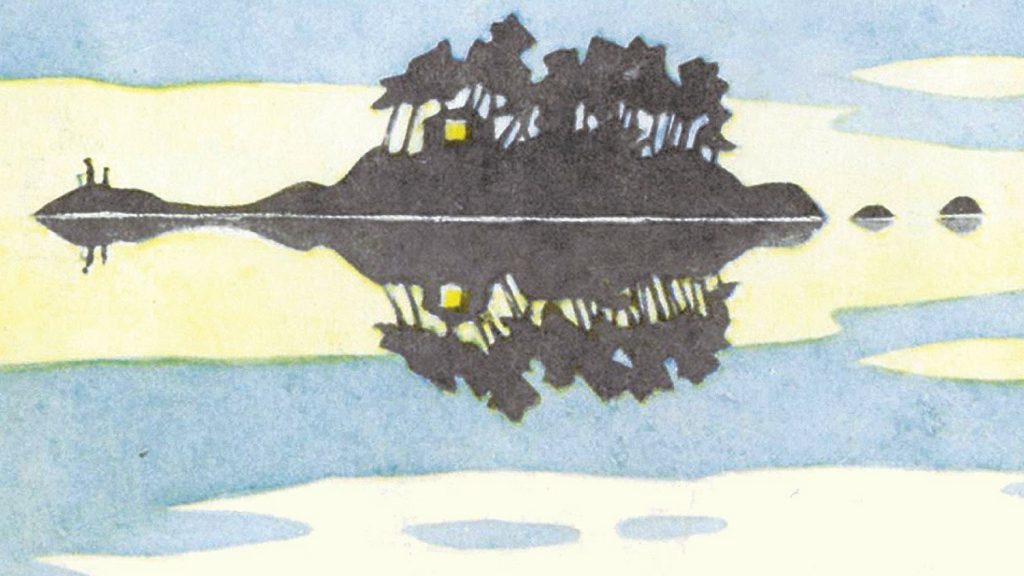
Despite her own failings, Sophia’s grandmother offers us a model of presence and love.
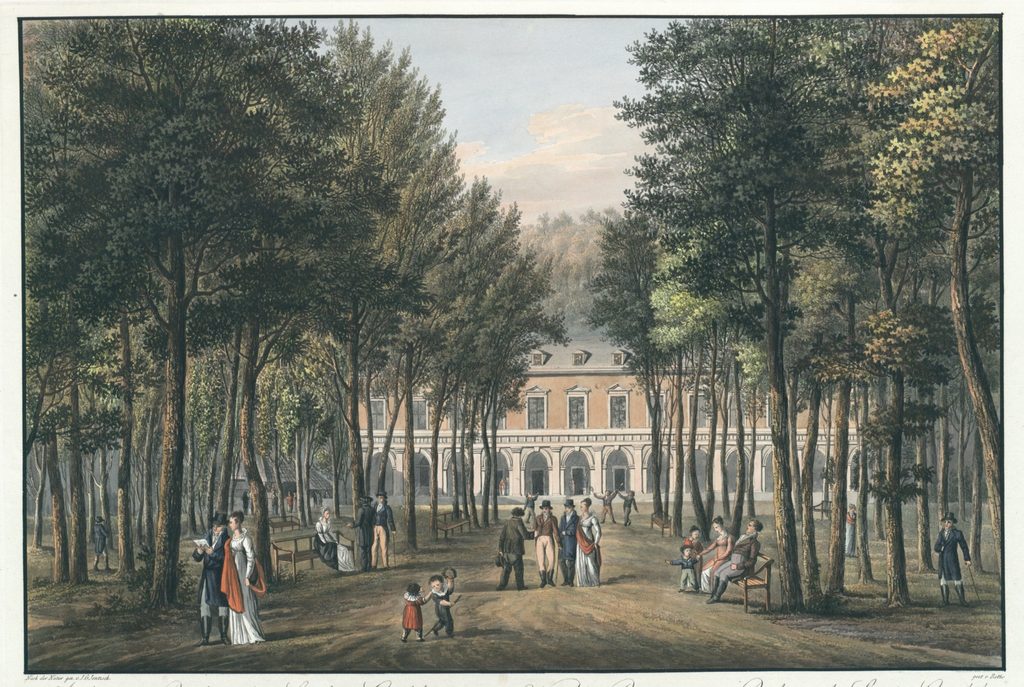
From Habsburg in Vienna to Jefferson at Monticello, this special exhibition focuses on the overriding power of the garden as a pendant in the life of civilized society.
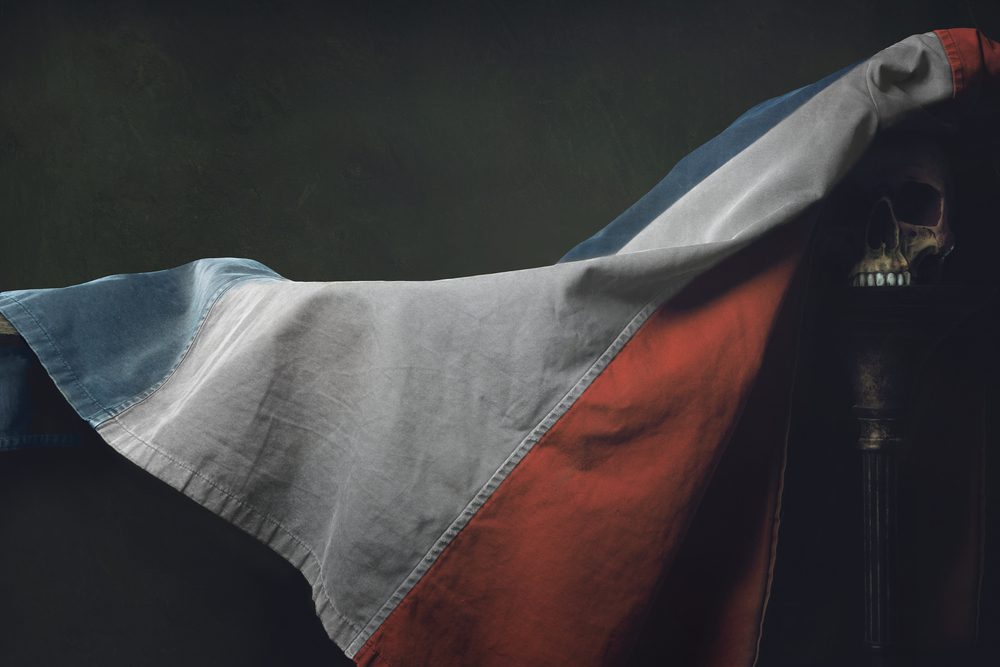
Andrea Chénier‘s high melodrama and appealing theme of feminine self-sacrifice has proved more lasting and appealing than the true story it is based on—but this is how opera thrives.

History is a story that is at once true and false, a story in which truth sometimes requires us to record a falsehood, if only so we do not forget that a falsehood was once told.
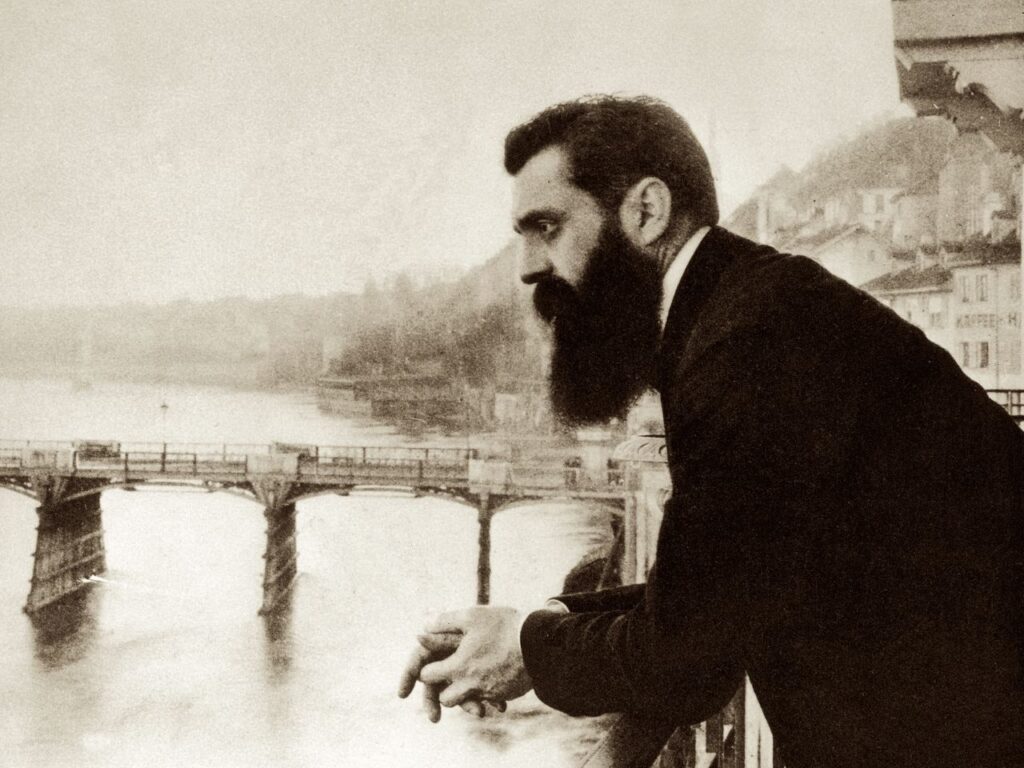
A new book traces the words and deeds of eight leaders who devoted their lives to their fellow Jews.

A segment of Spanish society—the Left’s leaders, if not their voters—has been too quick to paper over the difference between lawful politics and violence.
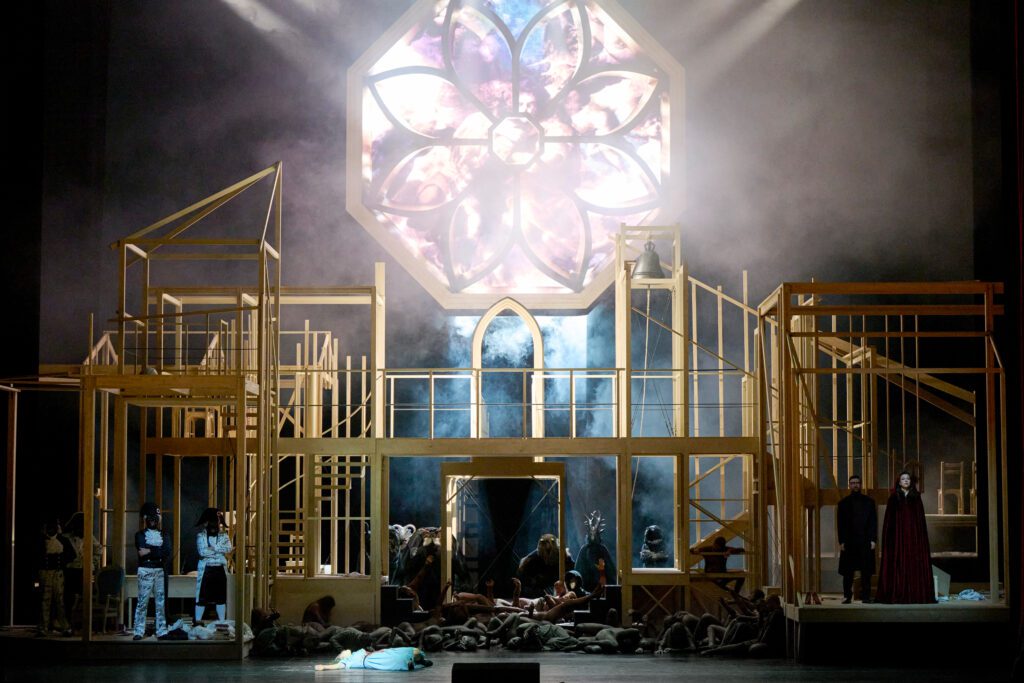
Bernanos and Poulenc dare us to ask why men of differing opinions would condemn their fellow men to death, leading to new waves of chaos and destruction.
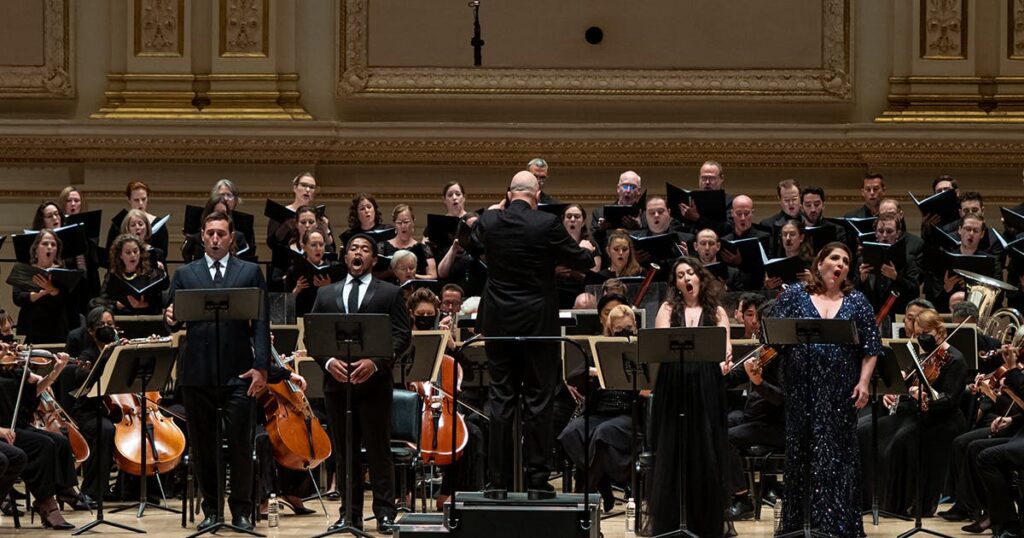
Strauss’s opera prizes innocence in a time of chaos, beauty over disorder, and the transcendence of suffering. Daphne is precisely the work that could lend itself to the revitalization of an opera company.
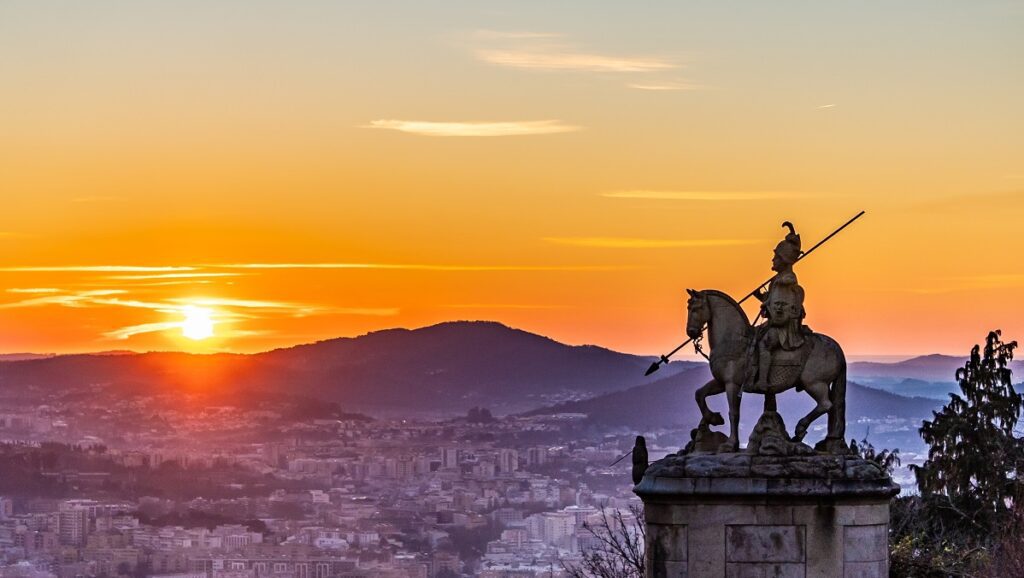
The Spear serves as a lectio divina of sorts, that is, as an opportunity to imagine oneself in the action of the Holy Scriptures.

Ultimately, the founding and the success of the State of Israel can only be described in religious terms: the flourishing existence of today’s Israel is a miracle.
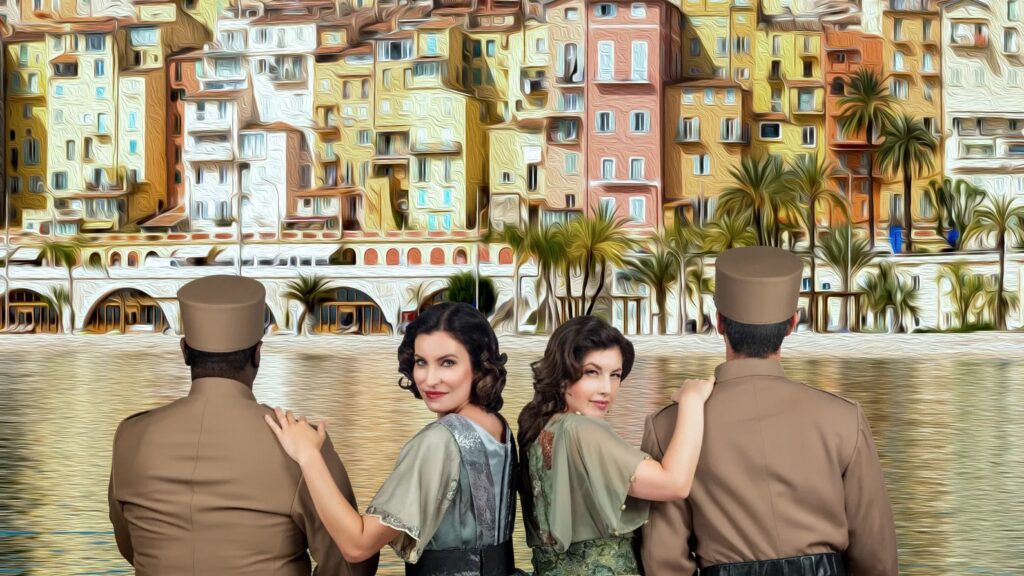
A step up from the very literal productions usually seen here, this co-production by Opéra de Monte-Carlo and San Francisco Opera removes the action from its usual eighteenth-century setting to the fateful year of 1914.
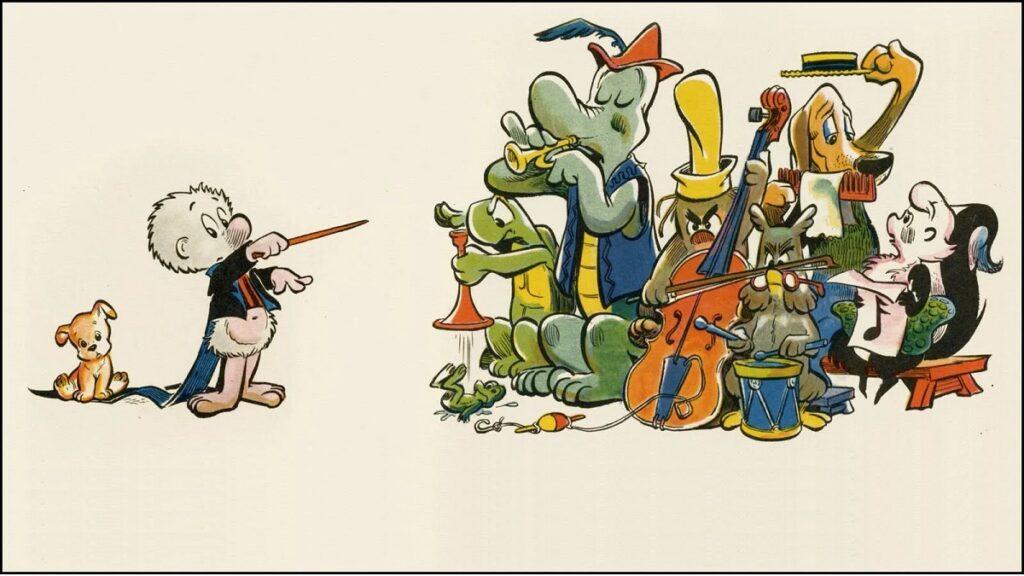
Pogo’s use of politics complements the other layers of art and satire perfectly. In a world where we are surrounded by bad art made for purely political purposes, Walt Kelly’s work is a breath of fresh air.

Bauerlein demonstrates in clear, elegant prose that a common frame of reference no longer exists, and the result for Millennials and Gen Z has been a disaster.
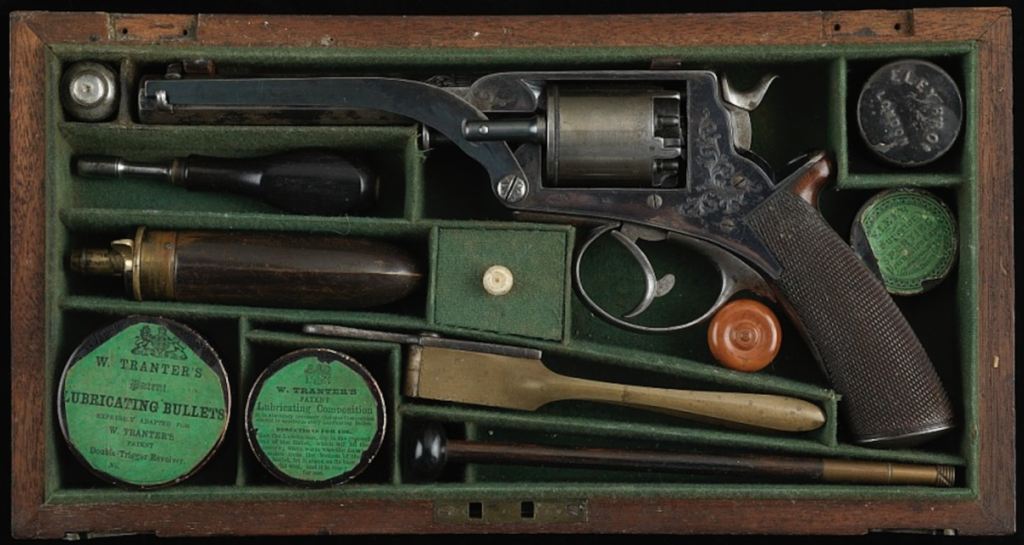
One only hopes that the current wave of political masochism in America will crest and that elites will understand that you cannot build a stable future by destroying the past or demonizing your heritage.
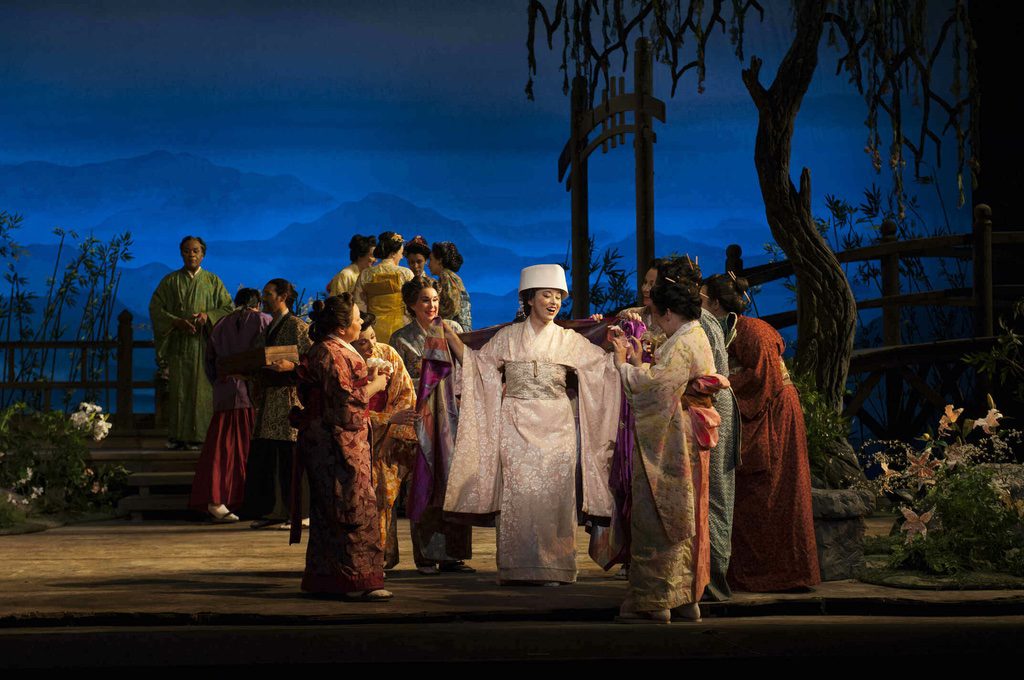
This is the Madama Butterfly we know and love—almost to the point of guilty pleasure.

“In the shadow of the eccentric, the charming, and the zany, terror lurks. Maybe that’s the background against which man’s wickedness is clearest.”—Lars von Trier
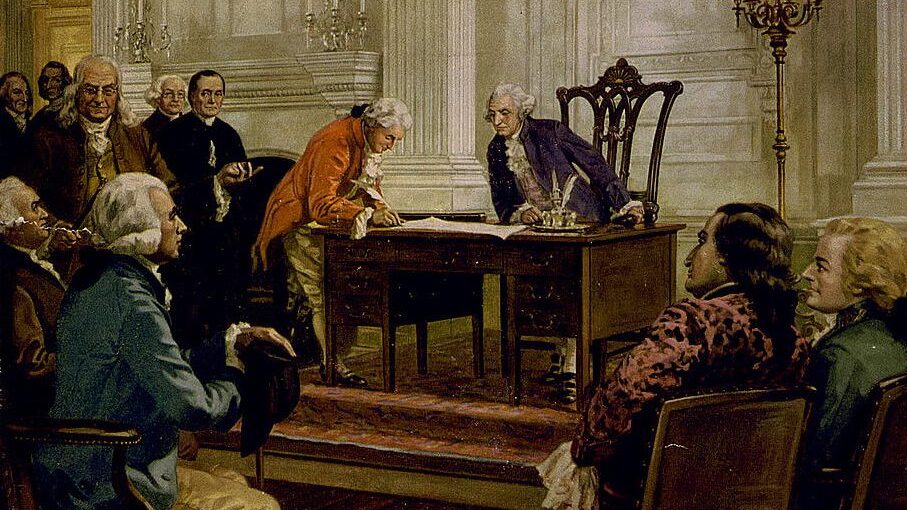
By asserting that the common good does exist and can be defined and applied, Vermeule contests the cultural Left and libertarian Right’s chimera of a values-neutral jurisprudence.
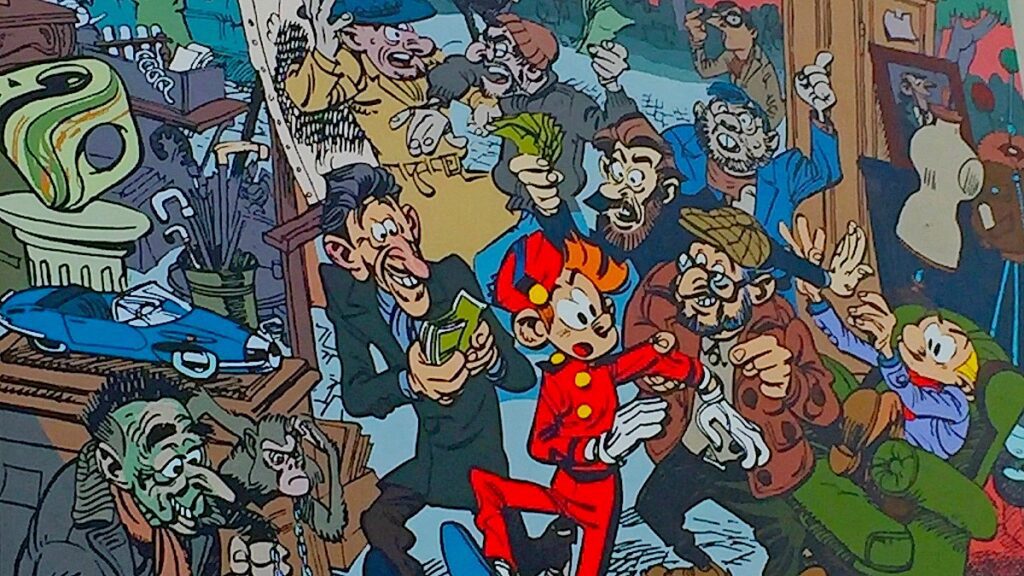
To read Franquin’s Spirou and Fantasio comics is to blur the line between child and adult and to enter a world of wonder of which we could all use a taste.
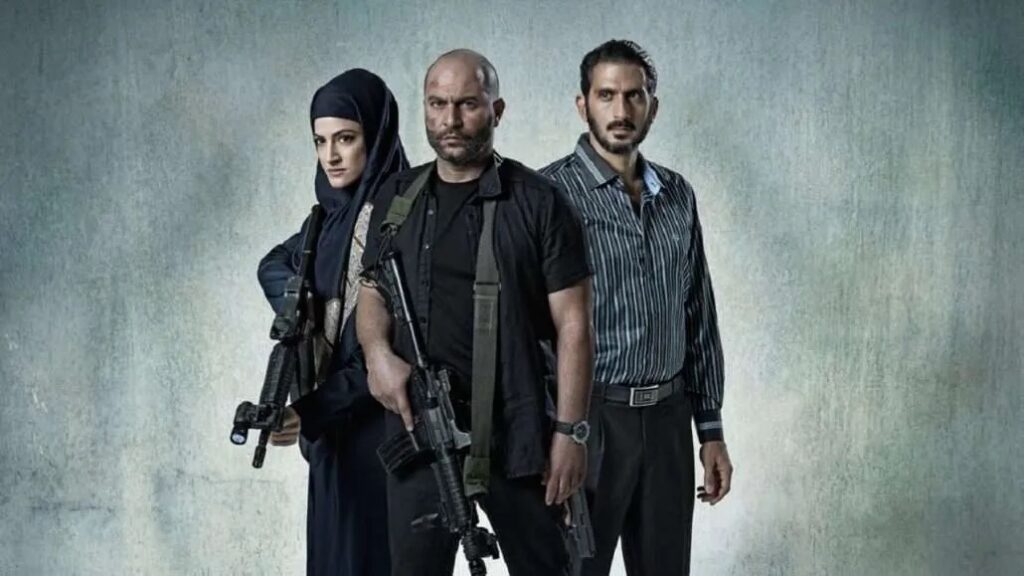
Could Fauda prove the clearest testament yet to the Palestinian question’s irreducible unsolvability?