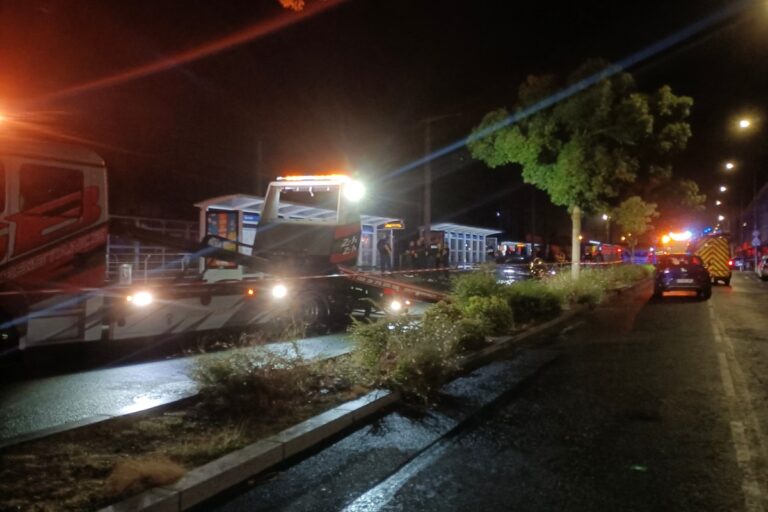
A drone strike caused damage close to the United Arab Emirates’ Barakah nuclear power plant on Sunday, May 17th sparking a fire near the facility and intensifying fears that conflict with Iran could spill further across the Gulf region. UAE authorities said there were no injuries and no radiation leak, but the incident marked the first known attack on the Arab world’s only operational nuclear power station.
According to Emirati officials and the International Atomic Energy Agency, the strike caused a fire in an electrical generator outside the plant’s main perimeter, while one reactor temporarily switched to emergency diesel power. The UAE’s nuclear regulator insisted that all reactors remained operational and that safety systems were functioning normally.
Barakah is the UAE’s largest electricity provider, generating 40 terawatt-hours annually and meeting about a quarter of the nation’s demand. IAEA chief Rafael Mariano Grossi expressed “grave concern” and warned that military activity threatening nuclear facilities was unacceptable.
No group immediately claimed responsibility for the strike, although Abu Dhabi has repeatedly accused Iran and Iran-backed militias of carrying out drone and missile attacks in recent weeks. The attack comes as a fragile ceasefire linked to the wider Iran conflict appears increasingly unstable, with U.S. president Donald Trump warning that hostilities could resume.
The incident highlights a dangerous new phase in regional warfare, where drones are increasingly targeting strategic civilian and energy infrastructure, including nuclear facilities. The UAE has reported nearly 3,000 Iranian attacks since late February.
The incident also comes just weeks after the United Arab Emirates announced its withdrawal from OPEC and OPEC+. Analysts say Abu Dhabi’s decision to pursue a more independent energy strategy could further reshape regional alliances and global oil markets at a time of escalating instability in the Middle East.