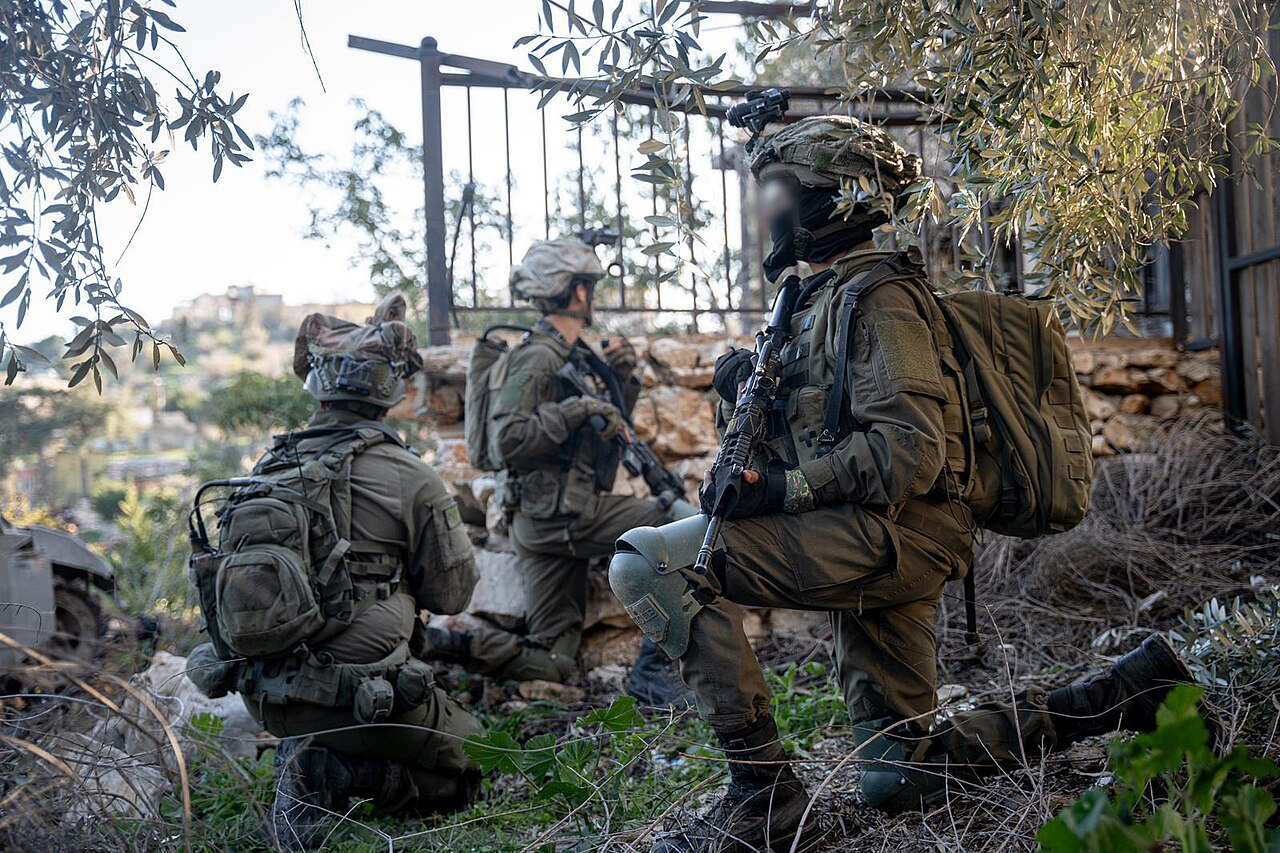
IDF forces operate in south Lebanon, Operation Roaring Lion 2026
Israel launched a new wave of airstrikes across southern Lebanon on Saturday, May 17th—just one day after the two sides agreed to extend a fragile ceasefire by another 45 days. The attacks targeted alleged Hezbollah assets in more than two dozen villages, displacing residents.
Lebanon’s state-run National News Agency reported strikes across wide areas of the south, including locations more than 50 kilometres from the Israeli border. Israeli authorities said the military was targeting Hezbollah infrastructure and positions, while evacuation warnings were issued for residents in several villages before the bombardment began. Thousands of civilians reportedly fled towards Sidon and Beirut as the strikes intensified.
Later on Saturday, Hezbollah announced retaliatory drone attacks against northern Israel, saying it had targeted the Ya’ara military barracks with what it described as a “swarm of attack drones”. The group also claimed multiple operations against Israeli troops operating in southern Lebanon. The Israeli military separately confirmed that one soldier had been killed in combat, bringing the total of Israeli military deaths since the start of the current conflict with Hezbollah to 21.
The latest escalation comes despite diplomatic efforts led by the United States to preserve the ceasefire. UN Secretary-General António Guterres welcomed Friday’s announced additional 45-day extension, and urged all sides to respect the cessation of hostilities. However, Hezbollah has strongly criticised ongoing negotiations involving Washington, accusing the Lebanese government of making concessions while Israeli attacks continue.
Many displaced residents in Lebanon’s south say the ceasefire exists only on paper. Lebanese authorities say more than 2,900 people have been killed since the conflict began, including over 400 since the truce first took effect in April. Fears grow that the conflict could spiral into a broader regional confrontation once again.