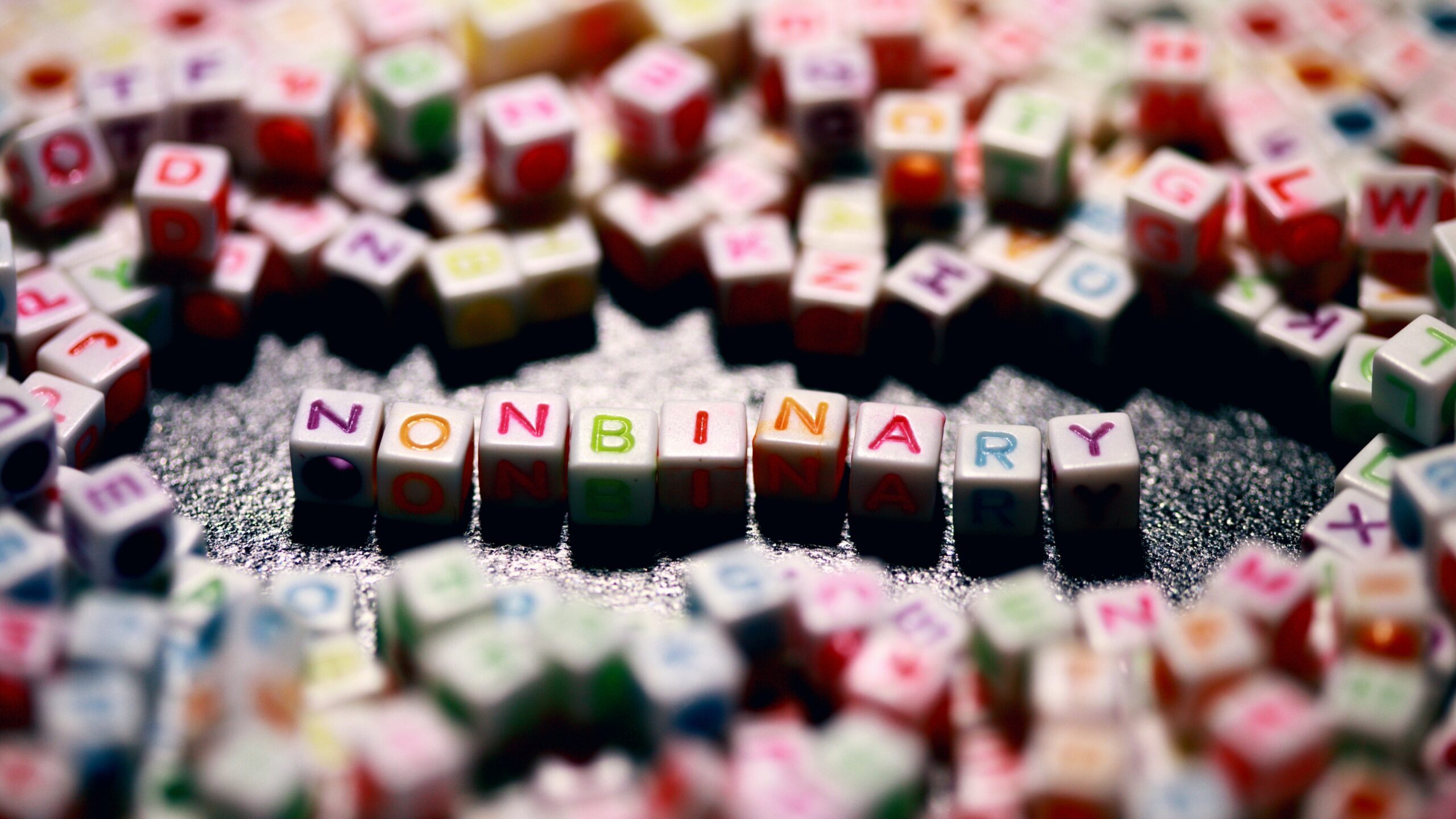
Guidance allowing GCSE students in Britain to use gender-neutral pronouns and expressions in French exams has come into force this year, with language exams taking place in June, The Telegraph reports. The Pearson Edexcel GCSE guides for French, Spanish and German contain a section on the “use of gendered language” where they state that in order to be inclusive, assessments will “include the vocabulary for ‘trans’ and ‘non-binary’”, and “recognise students’ use of new adjectival endings according to their preferred way of identifying.”
Exam boards in England, Wales and Northern Ireland will permit 16-year-old students to use gender-neutral French terms in writing and speaking exams, including newly created hybrid pronouns that are increasingly used by some activists and younger speakers online. Critics argue that many of these forms are not formally recognised or widely accepted in French-speaking societies.
The guidance created by Stonewall-linked Pearson encourages the use of ‘inclusive pronouns’ despite they having been rejected by Emmanuel Macron, as well as the L’Académie Française, the body tasked with preserving the purity of the language, which decreed in 2017 that the form was counterproductive to anti-discrimination and “harmful to the practice and comprehension of the French language.” The debate also touches on broader tensions in France, where attempts to introduce inclusive writing into official settings have repeatedly faced political and institutional resistance.
Supporters of the changes argue that language naturally evolves and that schools should reflect the way some younger people identify and communicate. They also say allowing gender-neutral forms gives students greater freedom of expression without forcing others to adopt the terminology.
The controversy comes amid wider cultural debates across Europe over gender identity, inclusive language and the role schools should play in addressing social change‒issues that have increasingly become part of broader political battles over education and national identity.