A ninth consecutive night of military confrontation between the United States and Iran has pushed global oil prices past $90 (€79) a barrel and threatened critical civilian infrastructure in the Gulf.
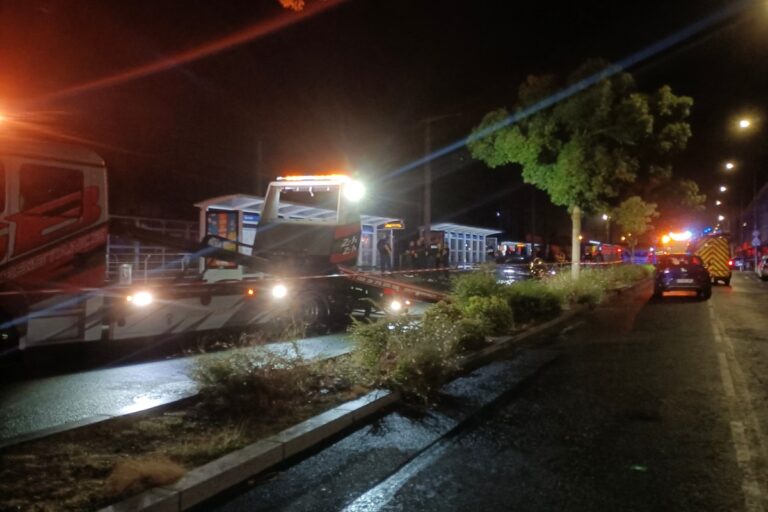
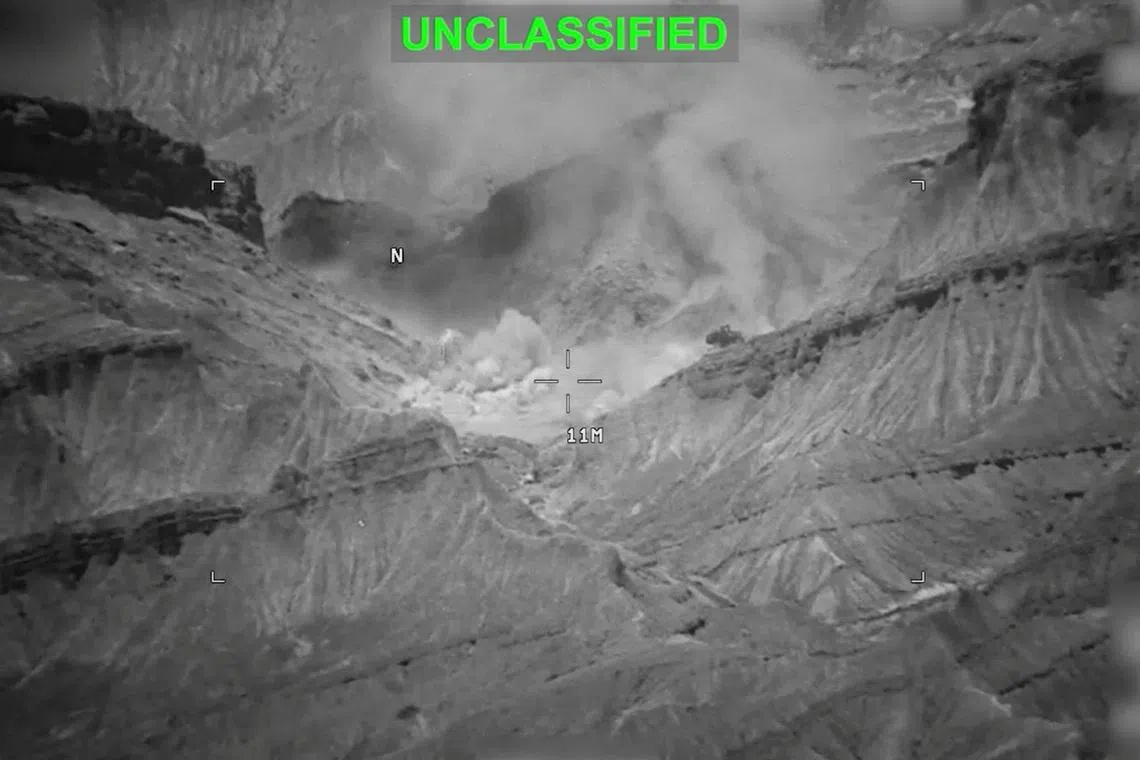
Iran’s Islamic Revolutionary Guard Corps struck out at U.S. military assets across Jordan, Kuwait, and Syria on Monday, July 20th—following another night of heavy American bombardment of several Iranian cities. The escalation has disrupted vital shipping through the Strait of Hormuz, while U.S. gasoline prices rose above $4 a gallon, increasing domestic political pressure on President Donald Trump ahead of the November midterm elections.
In a dangerous expansion of the conflict, both nations have increasingly targeted critical desalination facilities, raising fears of severe drinking water shortages in one of the world’s driest regions. Kuwait’s government reported that a major desalination plant was hit on Sunday for the second consecutive day, causing a fire and threatening supplies for millions of residents. Iran, which has previously accused Washington of targeting its own water infrastructure, warned that it would continue to target such facilities in Gulf states in retaliation for U.S. strikes on its energy network.
Despite the intensifying violence, both Washington and Tehran have separately signaled that they remain open to a diplomatic resolution to end the conflict, which began in late February. U.S. Secretary of State Marco Rubio vowed that the military campaign would continue as long as commercial shipping remains under threat, but added that the administration always remains open to talks. Similarly, Iranian Foreign Ministry spokesperson Esmaeil Baghaei stated on Monday that diplomacy remains a tool to pursue national interests, with Iranian officials expected to hold talks in Pakistan, which has served as the primary mediator between the two countries.