Iran Promises Safe Passage Through Strait of Hormuz
The IRGC claims it has established new protocols for safe passage in the Strait, signaling a defiant attempt to manage maritime security independently of U.S.-led coalitions.

The IRGC claims it has established new protocols for safe passage in the Strait, signaling a defiant attempt to manage maritime security independently of U.S.-led coalitions.

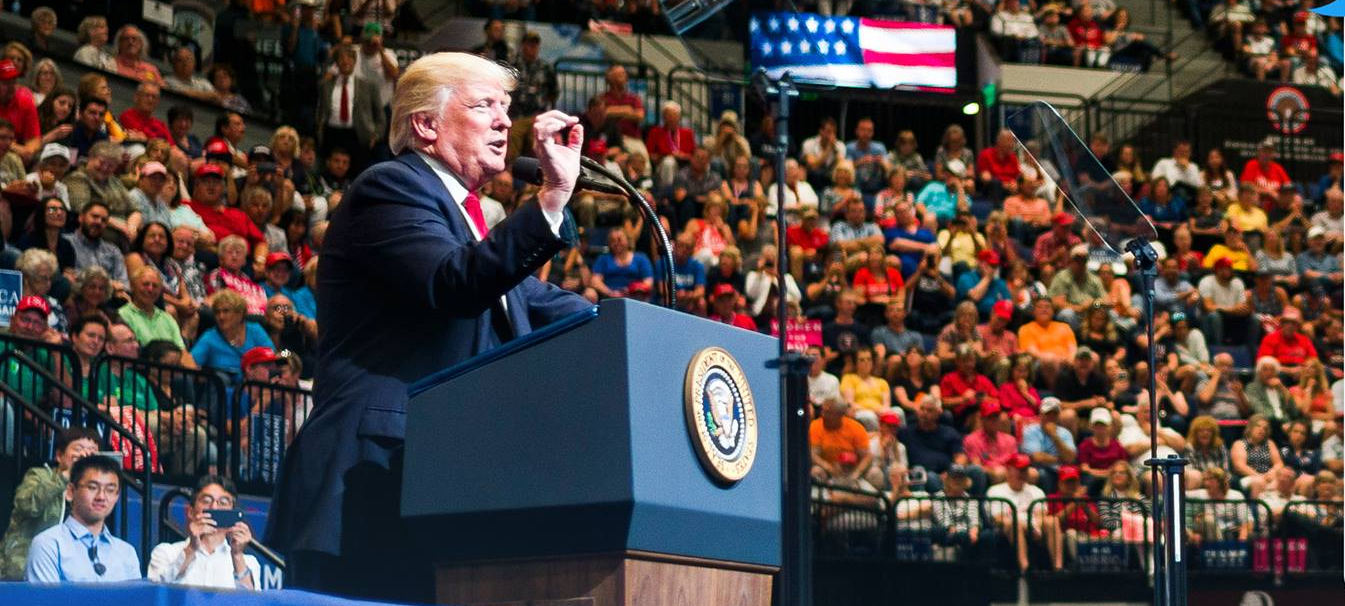
Trump predicted his maritime blockade of Iran could go on for months—prompting oil prices to spike to a four-year high.

President Trump now claims a historic ‘common ground’ with King Charles III, telling a White House State Dinner that the British sovereign fully supports the U.S. mission to block Iran from ever acquiring a nuclear weapon.

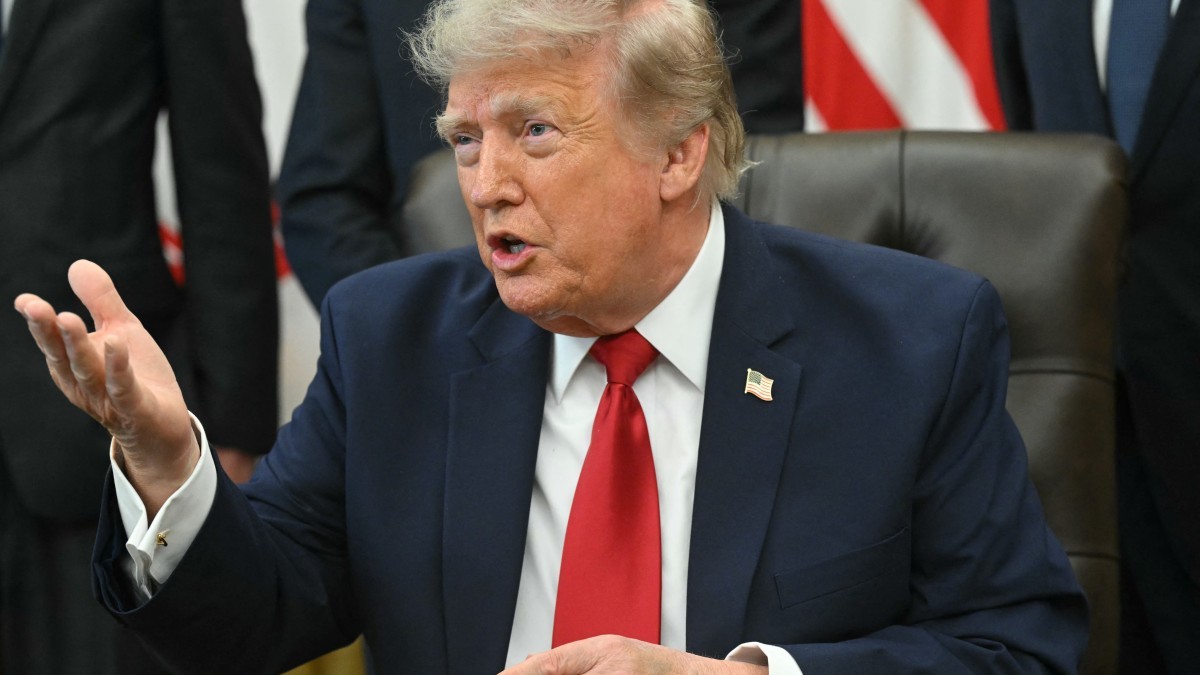
Trump said Iran could “come to us, or they can call us,” stressing that Tehran must not obtain a nuclear weapon.

Global air traffic resumes from the Iranian capital following the latest ceasefire—a step closer to restoring regional connectivity.

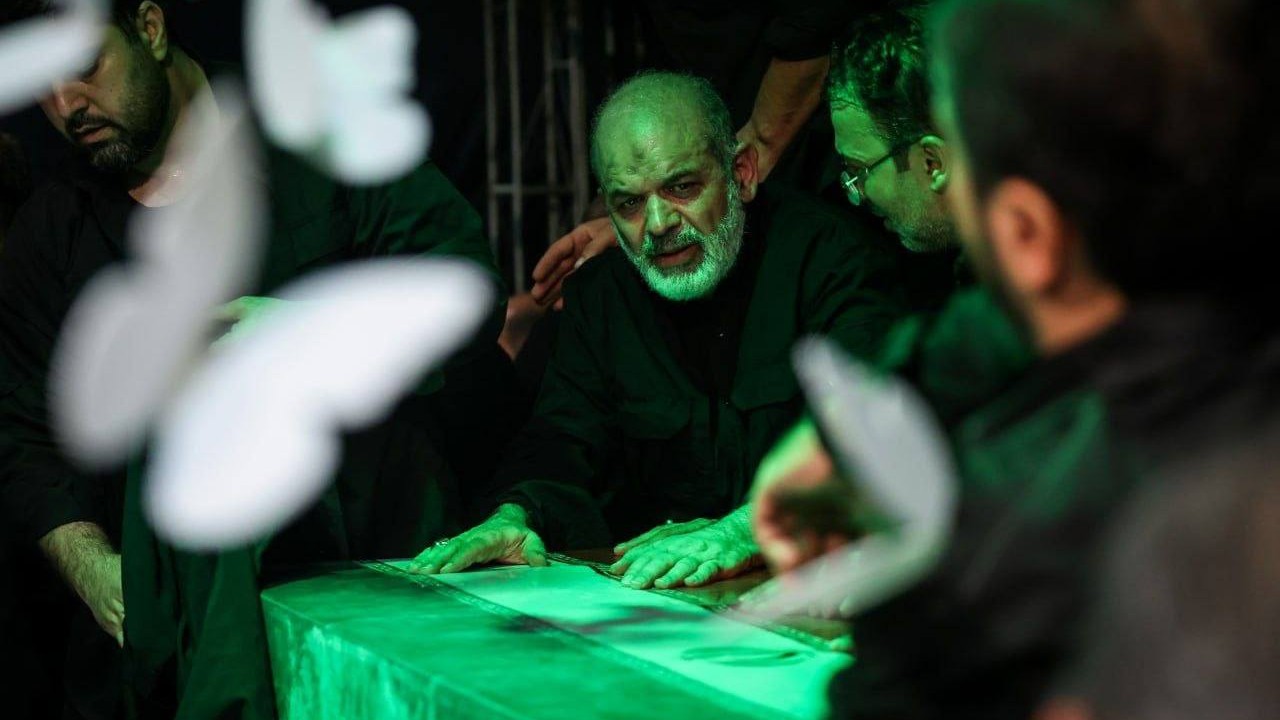
On the anniversary of its 1979 foundation, the IRGC has emerged as the definitive authority in Tehran, under the leadership of General Ahmad Vahidi.

The National Council of Resistance of Iran is calling on the EU to start treating the group as a political alternative to the regime.

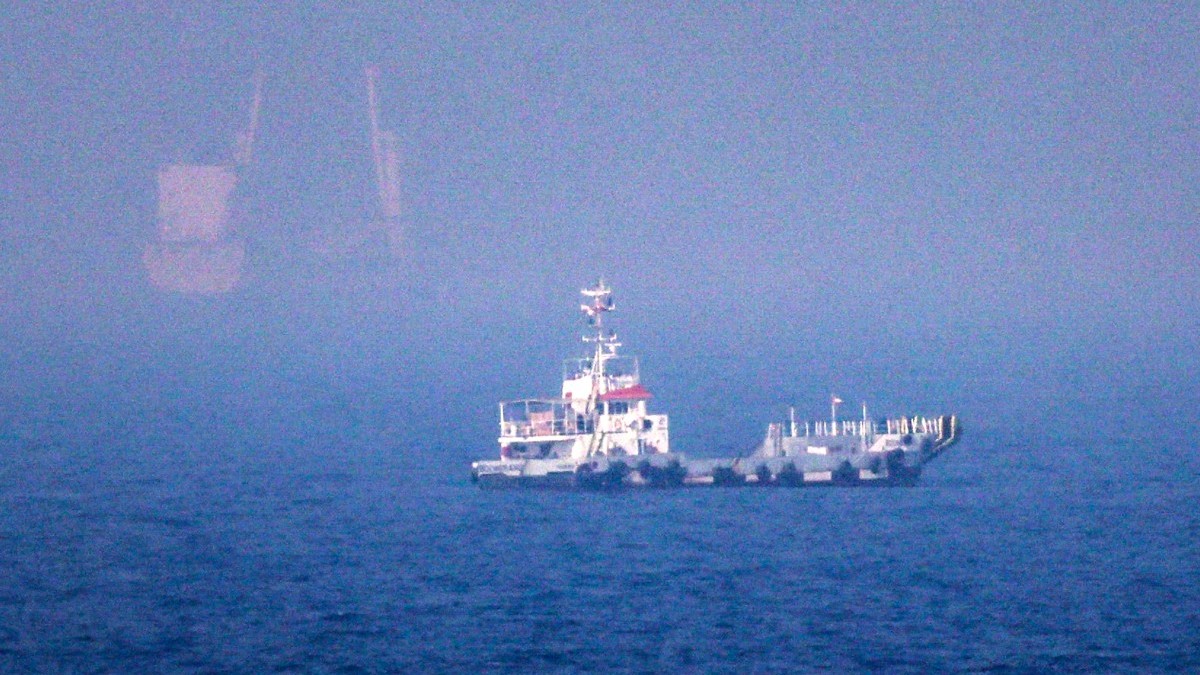
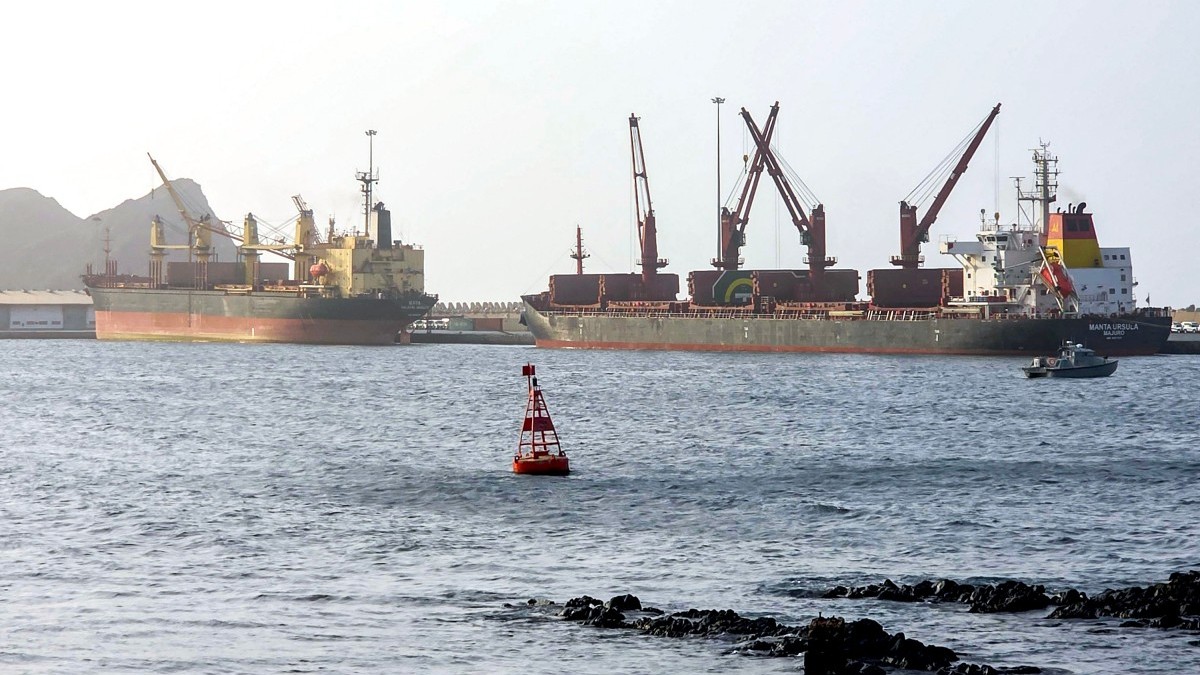
Iran’s revolutionary guards said they intercepted two vessels in the Strait of Hormuz and diverted them into Iranian waters in response to alleged rule violations.

The White House claims that a ceasefire will remain in place until Tehran’s ‘peace proposal’ is submitted and discussions are concluded.

The Met’s Deputy Commissioner points to a pattern of criminal conduct which suggests a network of organised “thugs for hire.”