The urgent necessity of NATO allies significantly increasing weapons production will dominate the meeting of their military chiefs in Brussels, driven by the demands of the ongoing U.S.-Iran war.
The conflict has already cost the U.S. military over $29 billion (€25 billion), rapidly depleting its stockpiles of high-end munitions, including Patriot air and missile defense systems.
Consequently, NATO leaders are deeply concerned that the complex military hardware supplies essential to the alliance’s security cannot be replenished fast enough to match consumption rates, potentially delaying or canceling the delivery of U.S. weapons systems previously purchased by European nations for Ukraine.
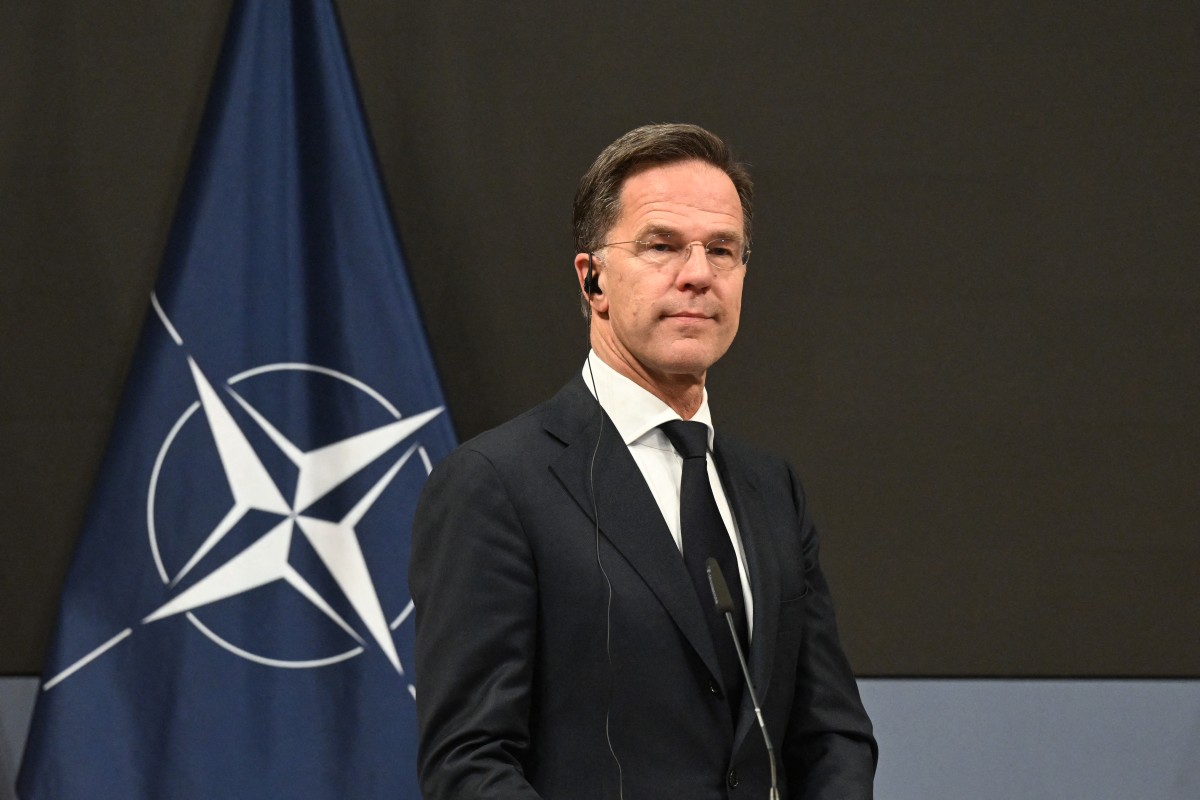
Led by Supreme Allied Commander Europe (SACEUR) General Alexus G. Grynkewich and attended by Secretary General Mark Rutte, the summit will assess the broader impact of this depletion on NATO’s collective deterrent capabilities.
Furthermore, the SACEUR will deliver a comprehensive capability assessment, addressing Washington’s unexpected cancellation of a 4,000-strong troop deployment to Poland.
As diplomatic efforts to end the Middle East conflict remain precarious despite a paused U.S. offensive, NATO faces mounting pressure to achieve simultaneous conflict readiness and massive production scaling.