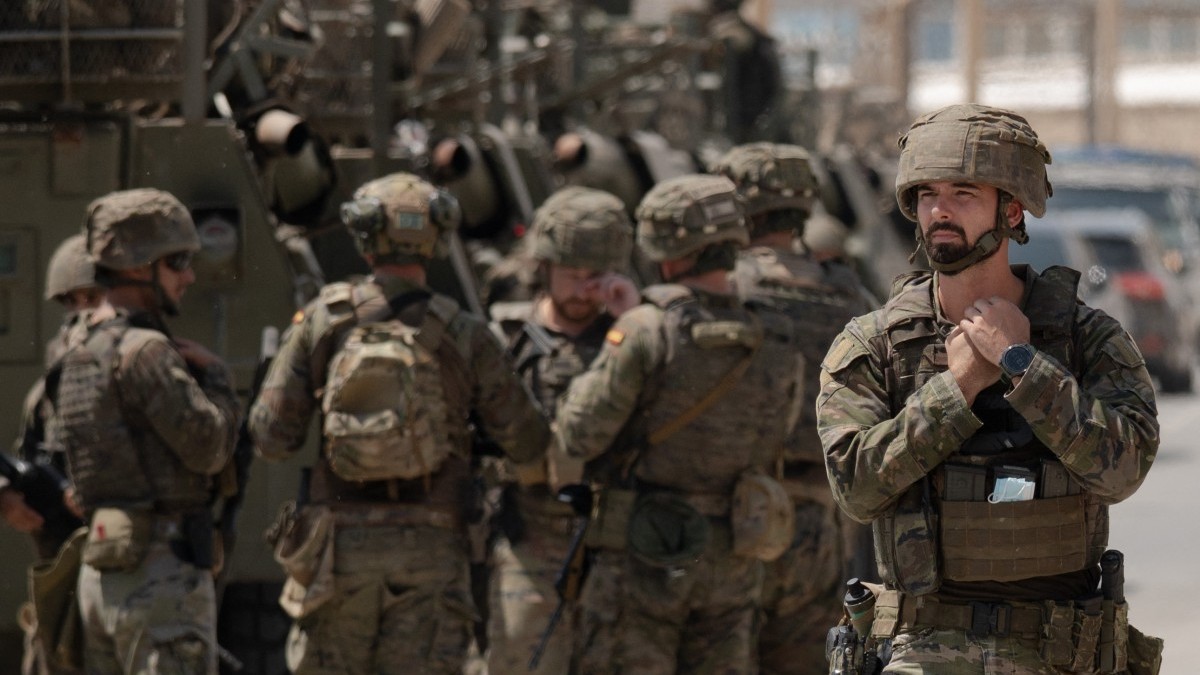
Spanish soldiers pictured at the border fence between Morocco and the Spanish North African enclave of Ceuta on August 15, 2026
JORGE GUERRERO / AFP
Ceuta has endured another night of violence, but this time the crisis has crossed a new threshold.
Tensions that have been building for almost a month have now resulted in physical clashes between groups of residents and invaders camped on the beaches and, hours later, in an attack on soldiers deployed to monitor the city.
More than 2,000 Ceuta residents took to the streets again on Wednesday to demand a solution to the crisis that began with the mass entry at the end of July. Some of the demonstrators later broke away from the march and headed towards El Trampolín, the beach where dozens of invaders remain despite previous evictions and the opening of temporary reception facilities.
🇪🇸🇲🇦 | Los ceutíes se echan a las calles una tarde más para exigir la expulsión de los invasores tras un mes. pic.twitter.com/8Ye5PhjZWx
— ʜᴇʀQʟᴇs (@herqles_es) August 26, 2026
Once there, they attempted to dismantle part of the encampments themselves. The Police Intervention Unit deployed a large number of officers and riot-control equipment to prevent a direct confrontation between the two groups.
🇪🇸 | Noche de disturbios en Ceuta: choques entre vecinos e ilegales en la playa tras la manifestación. pic.twitter.com/cXxV94Ob97
— ʜᴇʀQʟᴇs (@herqles_es) August 26, 2026
The police intervention against residents has added another source of irritation in a city where a growing part of the population accuses the state of enforcing public order only when Ceuta residents themselves decide to take matters into their own hands.
The problem is not a complete absence of police action, but an increasingly reactive response to a crisis that continues to generate new outbreaks of violence.
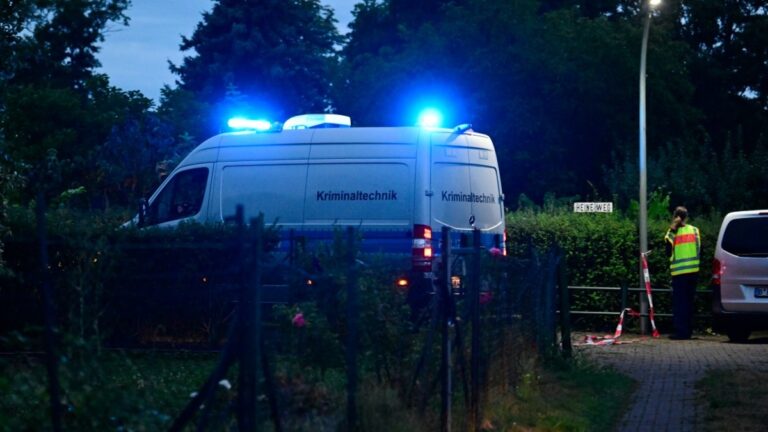
The most serious incident came at around 5:30 a.m. in Benzú.
According to police sources, a group of between 30 and 40 immigrants surrounded a vehicle carrying four soldiers from the 54th Regulares Group towards a surveillance post and began attacking it with large stones. The soldiers were forced to abandon the vehicle and flee on foot towards Calamocarro while being chased and continuing to come under a barrage of stones. All four were injured.
Más imágenes de la emboscada de invasores marroquís a tropas españolas desarmadas por órdenes de políticos cobardes. ¿Les hacemos ya un mapa sobre lo que es insurgencia? pic.twitter.com/ImxLCpcC49
— VíctorSánchezdelReal (@sanchezdelreal) August 27, 2026
The National Police and Civil Guard subsequently launched an operation that resulted in the arrest of twelve Moroccan nationals. Some of those involved fled towards the sea. The investigation remains underway to locate the others involved.
The Union of Rank-and-File Military Personnel has denounced what it described as the “operational and legal helplessness” of the deployed troops and said it had previously warned of the existing risks.
Almost a month after an entry that the Interior Ministry estimates involved around 80,000 people on July 30 and 31, Ceuta is no longer facing a migration emergency only. It is simultaneously confronting a problem of security, social coexistence, and state authority.
Every night that passes without a solution narrows the room for restoring control without violence once again deciding who controls the streets.