

Pexels
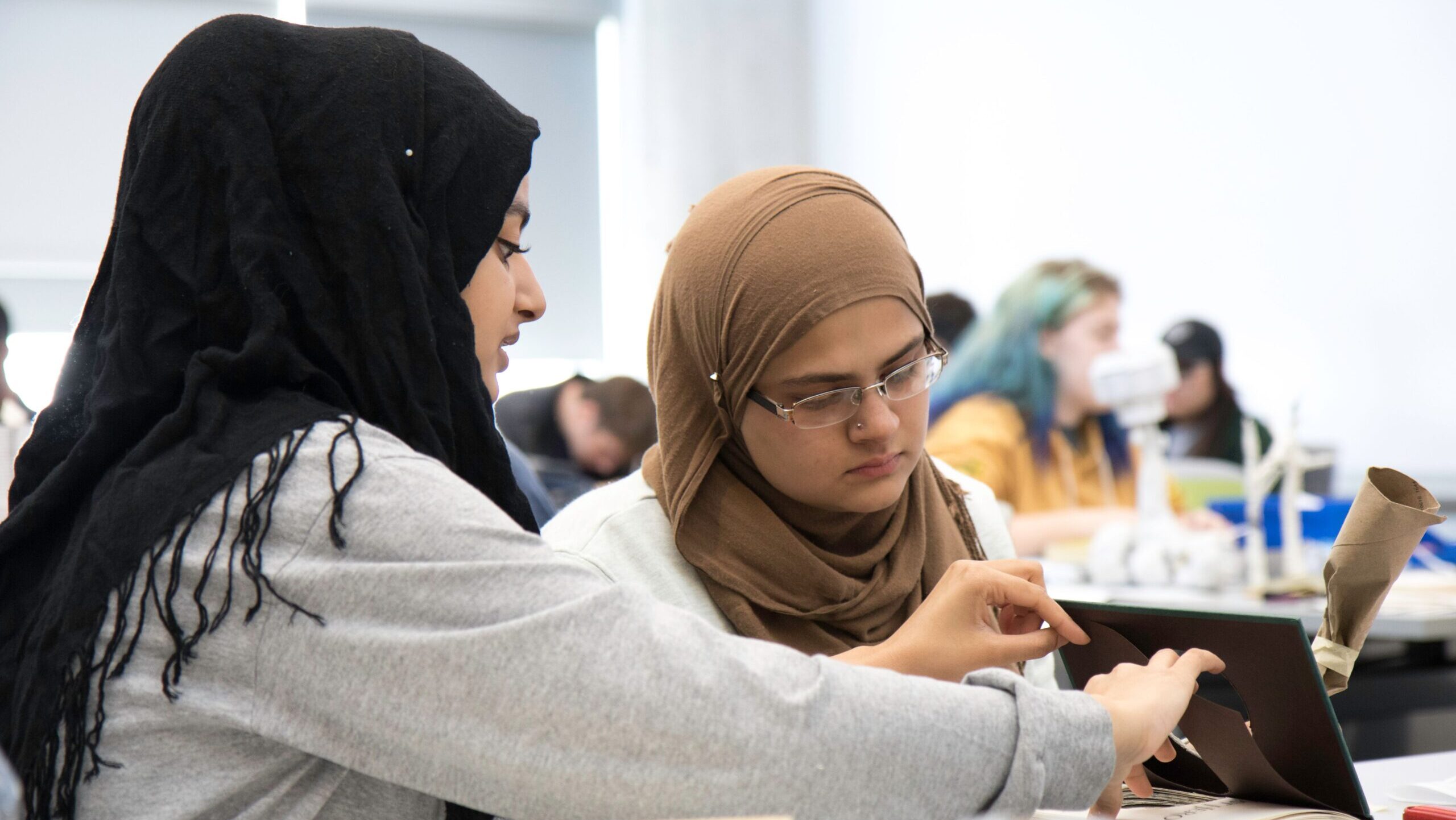
The Netherlands is spending millions of euros each year on a rapidly expanding network of Islamic schools, even as concerns grow over integration, foreign influence, and the emergence of a new religious pillar within Dutch society.
More than 20,000 pupils were attending Islamic primary schools in the Netherlands at the beginning of 2025, with the number continuing to rise, according to NieuwRechts.
Between 2009 and 2019, enrolment in Islamic primary schools increased by 60%. In the following five years, it rose by a further 23%. Nine new Islamic primary schools are expected to open in 2026, bringing the total to more than 100 nationwide. Islamic secondary schools are also expanding rapidly.
The growth has been helped by reforms that lowered the threshold for establishing new schools. Introduced in the name of educational diversity, the changes have made it easier for faith-based institutions to secure public funding.
As a result, Dutch taxpayers now spend vast sums on Islamic education. NieuwRechts cites figures showing that, with roughly 20,700 pupils enrolled and average funding exceeding €7,000 per child, public support for Islamic primary schools alone amounts to nearly €145 million a year.
Alongside the formal school system, there has also been a significant increase in evening and weekend schools that operate largely outside the supervision of education inspectors. Their stated aim is often to strengthen Islamic identity among young people, with religious instruction at the centre of the curriculum.
Concerns about these institutions have grown in recent years. Dutch intelligence and security services have warned that foreign governments, including Saudi Arabia and Kuwait, have sought influence through funding for mosques, Islamic schools, and informal educational programmes. Those concerns helped prompt legislation aimed at restricting foreign influence in religious institutions, although the Dutch Senate ultimately rejected the proposal.
Critics also point to the role of the Muslim Brotherhood, which has long advocated the gradual Islamisation of society and the establishment of states governed by Sharia law. They argue that publicly funded Islamic institutions can, even unintentionally, provide an environment in which such ideas gain influence.
Supporters of Islamic schools argue that parents should be free to choose an education that reflects their beliefs. Yet that raises a difficult question for a secular state: should taxpayers be required to fund schools whose primary purpose is to strengthen a separate religious identity?
As the number of Islamic schools continues to grow, that question is likely to become increasingly difficult for Dutch politicians to avoid.



One Response
Islam violates basic human rights. It can therefore not be recognized as a religion. Islam is a geo political movement obsessed with the elimination of Jews and Christians. Islam is an evil cult of male pedophiles having their way with woman and children.