Kaja Kallas
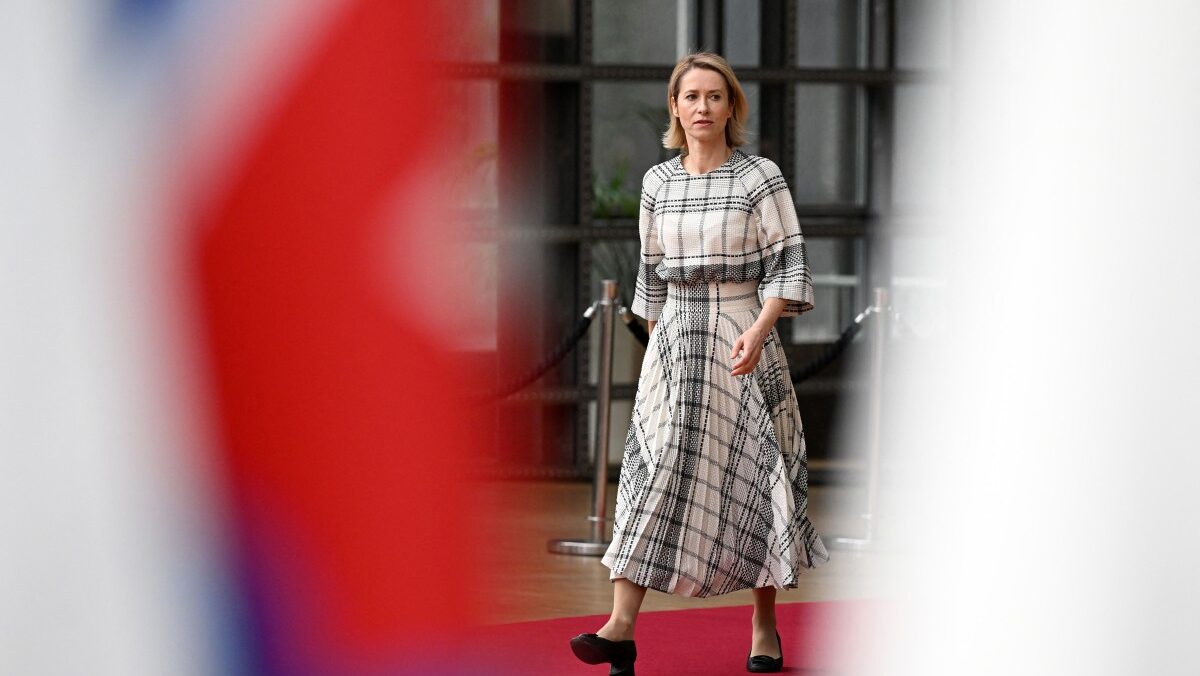
Nicolas TUCAT / AFP
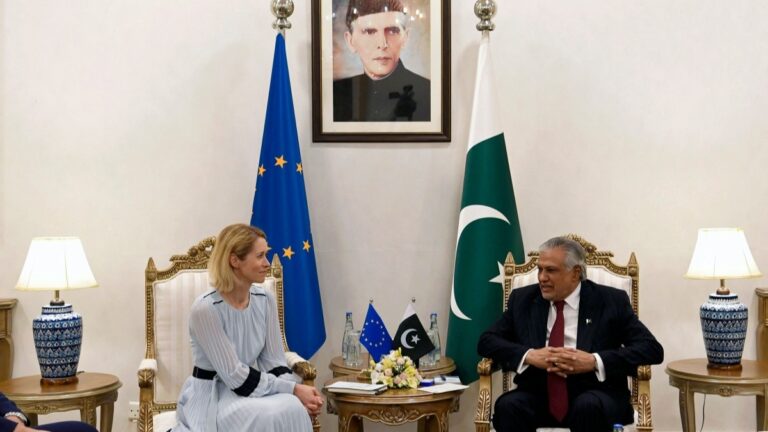
The European Union is considering cutting or redirecting foreign aid to countries that maintain friendly ties with Russia or Iran, marking a major change in how Brussels uses its global funding programmes.
EU foreign policy chief Kaja Kallas suggested on Monday that countries seen as too close to Moscow or Tehran could lose access to European funding, signalling that Brussels increasingly sees foreign aid as a way to reward allies and pressure governments that refuse to side clearly with the West.
If Europe wants to be a geopolitical actor, we need to be more strategic in our external action.
— Kaja Kallas (@kajakallas) May 18, 2026
At today’s Development Council, we will discuss how Europe can better align aid, trade, security, and defence partnerships with both the development needs of our partners and our own… pic.twitter.com/9BM1HBYcKl
The comments come as the bloc prepares the next phase of Global Gateway, its international investment programme, which since 2021 has backed more than €306 billion in public and private projects.
Kallas made clear that Brussels is becoming less willing to fund countries that also work closely with Europe’s rivals. If EU money indirectly strengthens governments aligned with Russia or Iran, she argued, Europe should “readjust” its approach.
That marks a clear change in tone. Foreign aid is increasingly being treated as a political weapon rather than simply development assistance.
European Commissioner for International Partnerships Josef Síkela put it bluntly: “Foreign policy cannot be sentimental.”
The EU’s main foreign aid instrument, NDICI–Global Europe, has a budget of €79.5 billion between 2021 and 2027. More than €60 billion is allocated through regional programmes, while another €9.5 billion is reserved for emergencies and changing priorities.
In practice, Brussels controls roughly €11 billion a year that can be redirected according to political priorities.
Sub-Saharan Africa receives the largest share, with around €29 billion allocated for the current budget period. Countries bordering the EU receive more than €19 billion. In regions where Russia, China, Turkey, and Gulf states have all expanded their influence, those funds give Brussels considerable leverage.
The proposal is striking because it suggests the EU is becoming less concerned with Russia alone and more concerned with countries that refuse to fall into line diplomatically.
After years of trying to isolate Moscow, Brussels now appears increasingly focused on how other countries vote at the United Nations, who they trade with, and whether they remain neutral between global powers.
In effect, the EU is beginning to use foreign aid in ways more commonly associated with the major powers it has long criticised.
Another notable detail is who was not mentioned. Russia and Iran were singled out directly. China was not.
That omission stands out given that NATO strategy documents increasingly describe China as the West’s main long-term challenge. Yet Europe still depends heavily on China economically, making Brussels far more cautious in its language toward Beijing.
The timing also matters. The proposal comes as the United States steps up its confrontation with Russia, Iran, and China.
At the same time, some European politicians are already beginning to discuss what relations with Moscow might look like after the war in Ukraine ends.
Russia will remain Europe’s neighbour regardless of the war’s outcome: a nuclear power on the continent’s eastern border.
Brussels is increasingly tying access to European money to political loyalty abroad—even as Europe itself remains divided over how long confrontation with Russia can continue.