Jordan Bardella
SEBASTIEN BOZON / AFP
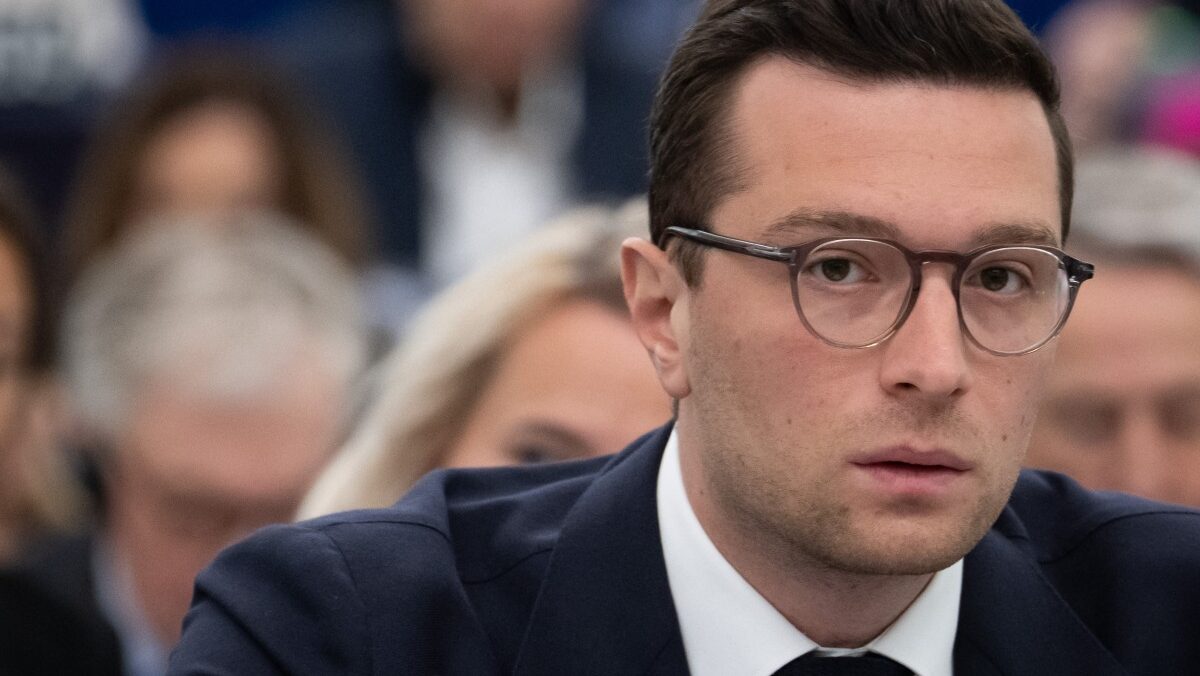
French right-wing presidential hopeful Jordan Bardella has spent months doing something the European establishment did not expect: behaving like a normal politician.
The Rassemblement National (RN) leader has been holding private meetings, carefully refining his message, and promoting policies on migration and deregulation that are not so different from those increasingly adopted by Berlin, Rome, and Warsaw. Far from reassuring Brussels, this has made many in the EU establishment even more nervous.
Ten months before the French presidential election, Bardella’s allies are already discussing in hushed tones how Paris would manage its relationship with European governments if the RN wins. The strategy has a name—“charm offensive”—and a clear objective: to stop Europe from panicking. “He needs to reassure the continent and be transparent about our intentions, because for years we were portrayed as crazies,” a French official from Patriots for Europe said.
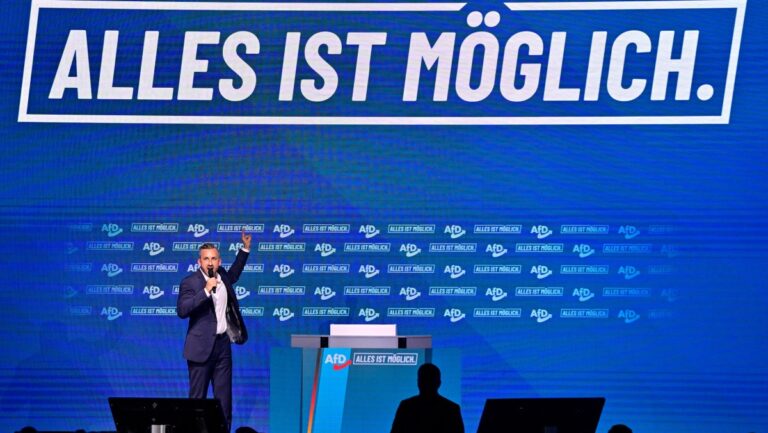
Bardella has praised German chancellor Friedrich Merz, kept his distance from the AfD, and backed policies that often overlap with those of Europe’s mainstream centre-right parties. As a result, opponents are finding it harder to portray him as an extremist or political outlier.
As Bardella has become more difficult to attack on policy, attention has shifted to speculation about his political alliances. One recurring rumour is that the Rassemblement National could leave Patriots for Europe and join Giorgia Meloni‘s European Conservatives and Reformists (ECR) group after the next European elections.
On paper, the idea has some logic. The ECR enjoys greater influence in Brussels and is closer to the centre of European decision-making. But the theory overlooks a basic political reality: Meloni already leads that camp. “There can only be one leader,” an RN MEP cuts in. Another calls the idea “stupid.” From the RN’s perspective, the speculation says more about outsiders looking for divisions on the European Right than about any genuine plan to change groups.
Patriots for Europe is the third-largest group in the European Parliament. Far from being politically isolated, it has become an increasingly influential force, particularly as its positions on migration and climate policy gain support among voters and are echoed by governments that once dismissed them.
As concerns about migration and the Green Deal have grown, many European governments have adopted positions closer to those long championed by Patriots.
The more important question is not whether Bardella moves closer to Giorgia Meloni, but whether a Bardella presidency would strengthen his influence across the European Right. If the RN wins power in France, Meloni and other conservative leaders could come under pressure to adopt tougher positions on issues such as migration and EU integration in order to keep pace with a government in Paris led by Bardella.
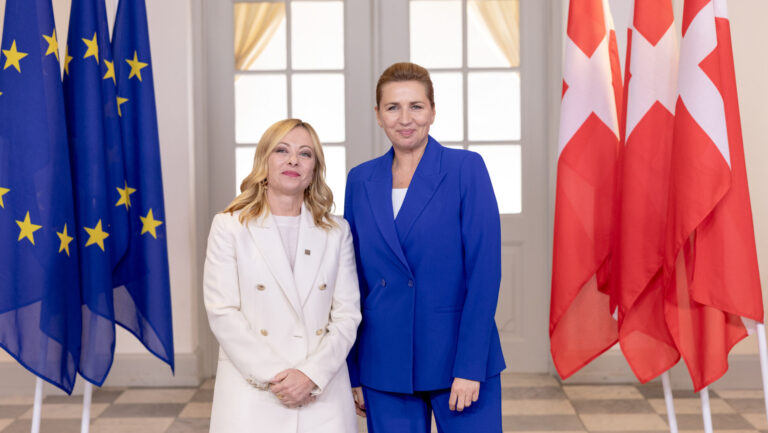
Senior figures on both sides already appear aware of this possibility. Carlo Fidanza Procaccini, Meloni’s deputy in Fratelli d’Italia and co-chair of the ECR group, has stressed that French and Italian conservatives can work closely together even while remaining in different political groups in the European Parliament.
Seen in that light, what Brussels describes as a “charm offensive” is simply the continued mainstreaming of Bardella and his party. The concern among many in the European establishment is not that Bardella is persuading people with a new message, but that positions once seen as outside the mainstream are becoming increasingly accepted across Europe.