@MarioNawfal on X, 12 May 2026
Anti-asylum shelter protests in Loosdrecht continued on Wednesday evening, with police deploying a water cannon to disperse demonstrators after fireworks were again thrown at officers. Four people were arrested during the unrest.
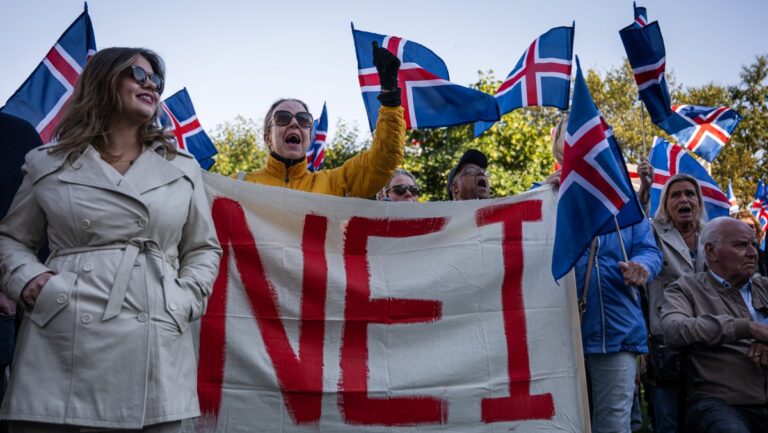
The protest began peacefully near the Loosdrecht town hall, where the municipality recently opened a temporary emergency asylum shelter, despite clear opposition from locals. Around 50 people attended the demonstration.
Riot police intervened and positioned themselves to prevent demonstrators from reaching the town hall, where 15 asylum seekers arrived this week. Officers eventually used a water cannon to break up the crowd.
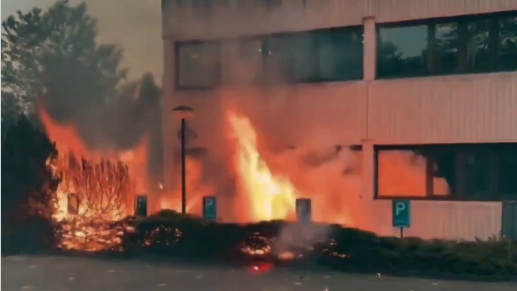
Earlier this week, the immigrant shelter was set alight after the arrival of the asylum seekers. Protesters threw fireworks at the building, and bushes adjacent to it caught fire. Emergency responders had trouble putting the fire out as locals were attempting to stop them from reaching the building.
A police spokesperson described the situation as “very unsettled,” though less severe than the violence seen on Tuesday night. The unrest is linked to plans by the municipality of Wijdemeren, which includes Loosdrecht, to house up to 70 single male asylum seekers for six months in an unused section of the council building.
Local authorities had not publicly announced the arrival of the first asylum seekers in advance because of weeks of tensions surrounding the shelter plan.
Following Tuesday’s violence, the municipality introduced strict security measures to prevent further escalation and protect those staying at the shelter. Only people with “a demonstrably reasonable purpose” are currently allowed access to the town hall area. Gatherings have been banned in a wider perimeter around the building, face-covering clothing is prohibited nearby, and police have been granted stop-and-search powers in the area.
This continues the deepening opposition between locals and municipalities. Past protests expressed that local governments never consulted the people living in those areas, despite promising to do so. The townspeople feel that police and the government are suppressing their voices and prioritizing the protection of illegal immigrants.
According to the Association of Dutch Municipalities (VNG), municipalities are taking responsibility for housing asylum seekers at the Cabinet’s request but are “increasingly confronted with intimidation, threats, violence, and organized disruptions.” The VNG described the incidents as “forms of terrorism and intimidation” and warned that local authorities and police forces are reaching their limits.
PVV leader Geert Wilders on Wednesday appealed to municipalities to take legal action against the Spreidingswet, the law that mandates towns to take in a quota of immigrants. “With your Spreidingswet, you are turning the Netherlands into one large asylum center. And it is right that people strongly resist that,” Wilders told asylum minister Bart van den Brink.
Van den Brink revealed that the Dutch intelligence agency AIVD had launched an investigation into the anti-asylum riots to determine whether there is more “organization” behind the demonstrations than simply local residents expressing concerns.
According to the minister, investigators are examining “whether there is organized activity” behind the protests, as well as “what patterns there are and what lies behind them.”