
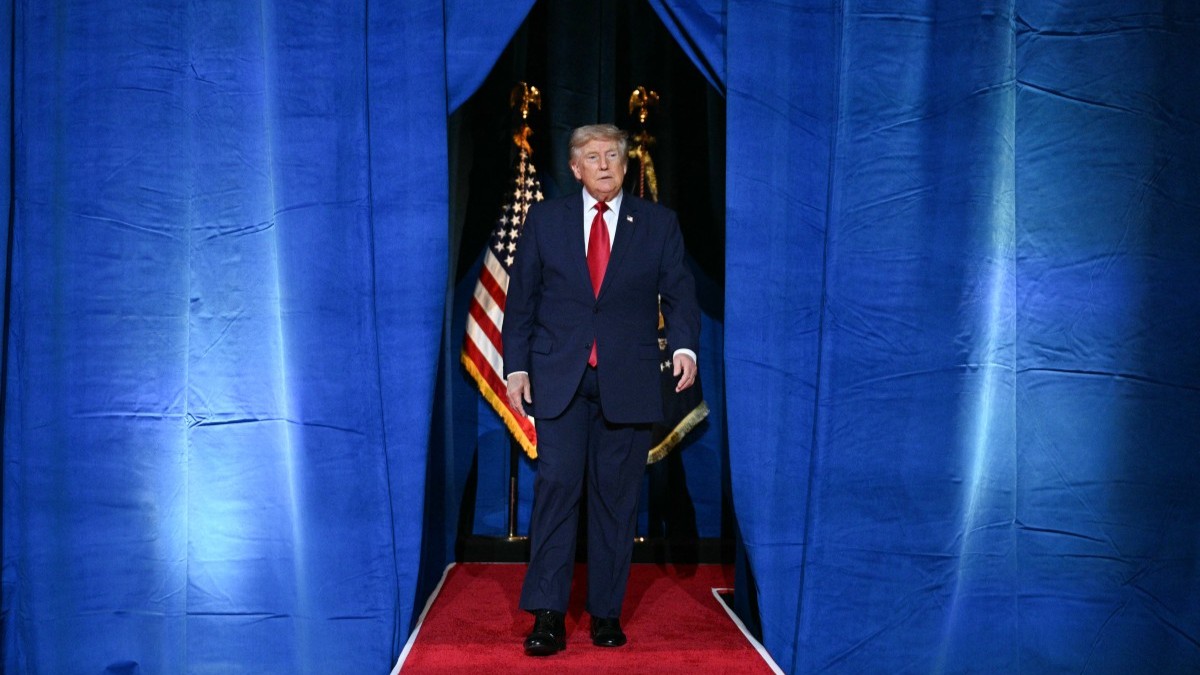
U.S. Doubles Funding for ‘Trump Route’ Project in South Caucasus
Washington has boosted its funding for the TRIPP+ Enterprise Fund to over $400 million, accelerating the South Caucasus-based major economic infrastructure scheme.

Washington has boosted its funding for the TRIPP+ Enterprise Fund to over $400 million, accelerating the South Caucasus-based major economic infrastructure scheme.
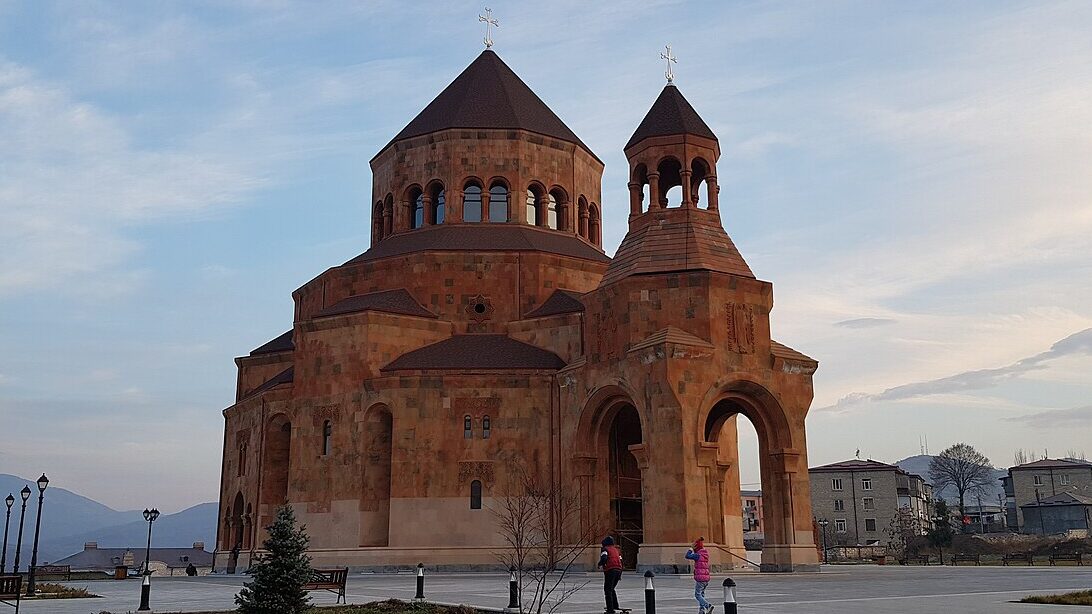
The wars over Nagorno-Karabakh have claimed thousands of lives over the past three decades. The wounds remain fresh in a nation still recovering from repeated conflict and loss.

Commentators are treating the return to power of the ruling party in Yerevan as a gain for a Brussels ally—and a blow to Putin.

The speech by a Civil Contract MP, delivered weeks after the Armenia–EU summit, has opened a fierce internal debate about national identity, demographics, and the country’s strategic direction.
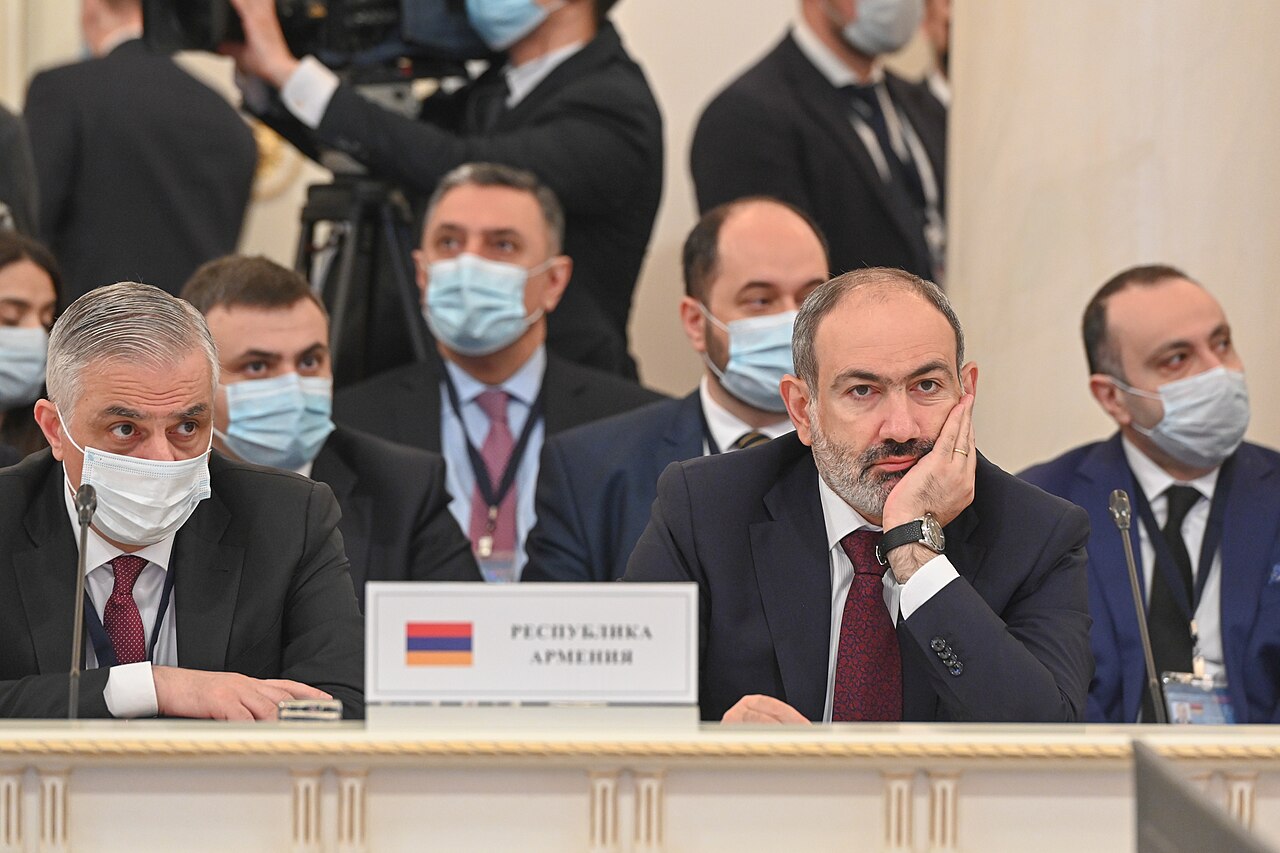
Yerevan insists it will not harm Moscow’s interests as it pursues a “balanced” and increasingly Brussels-oriented foreign policy.
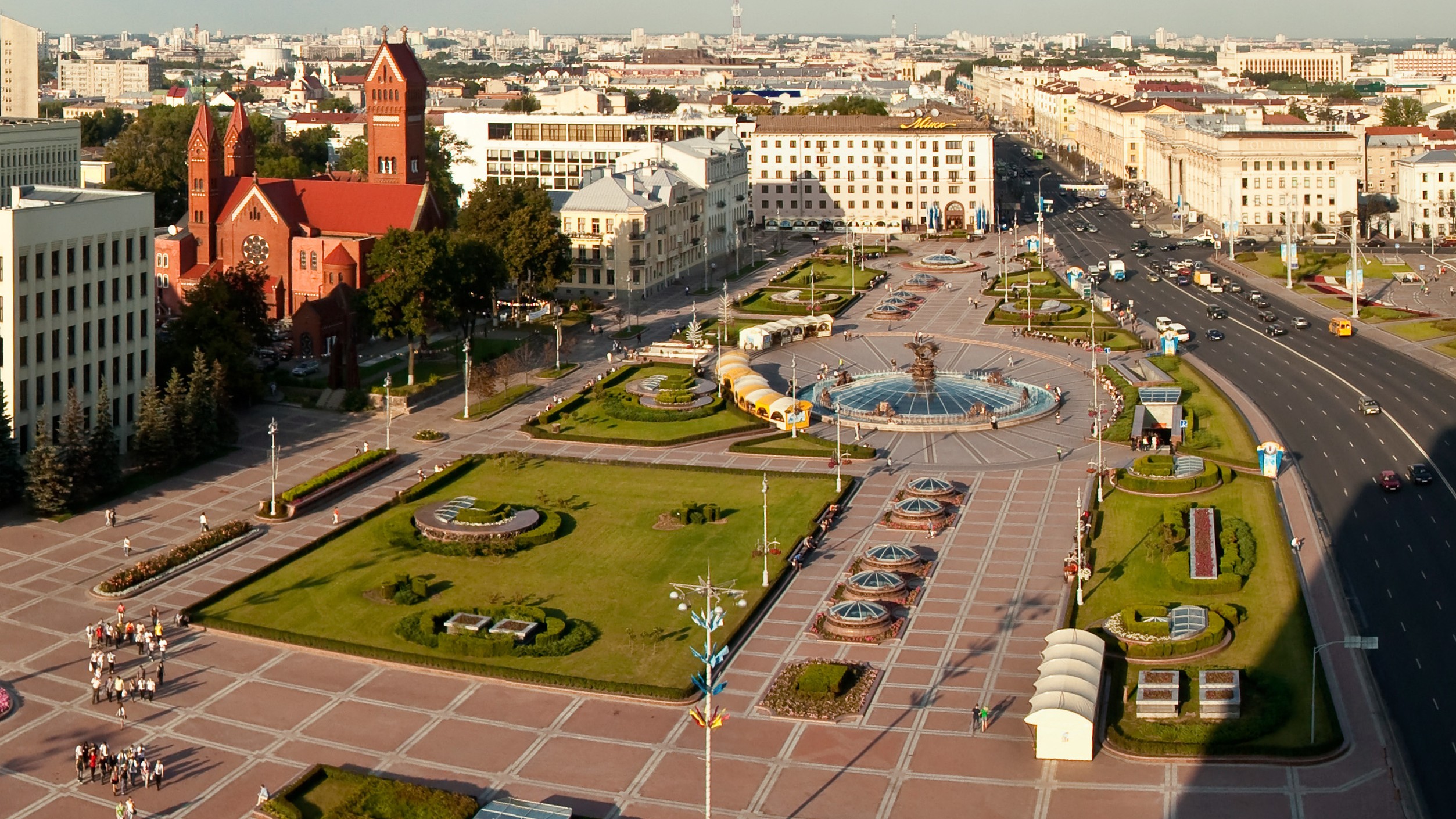
The dispute between the two countries escalated after Armenian diplomat Alen Simonyan said, “Armenia should not become a [province] and be governed the way Belarus is.”
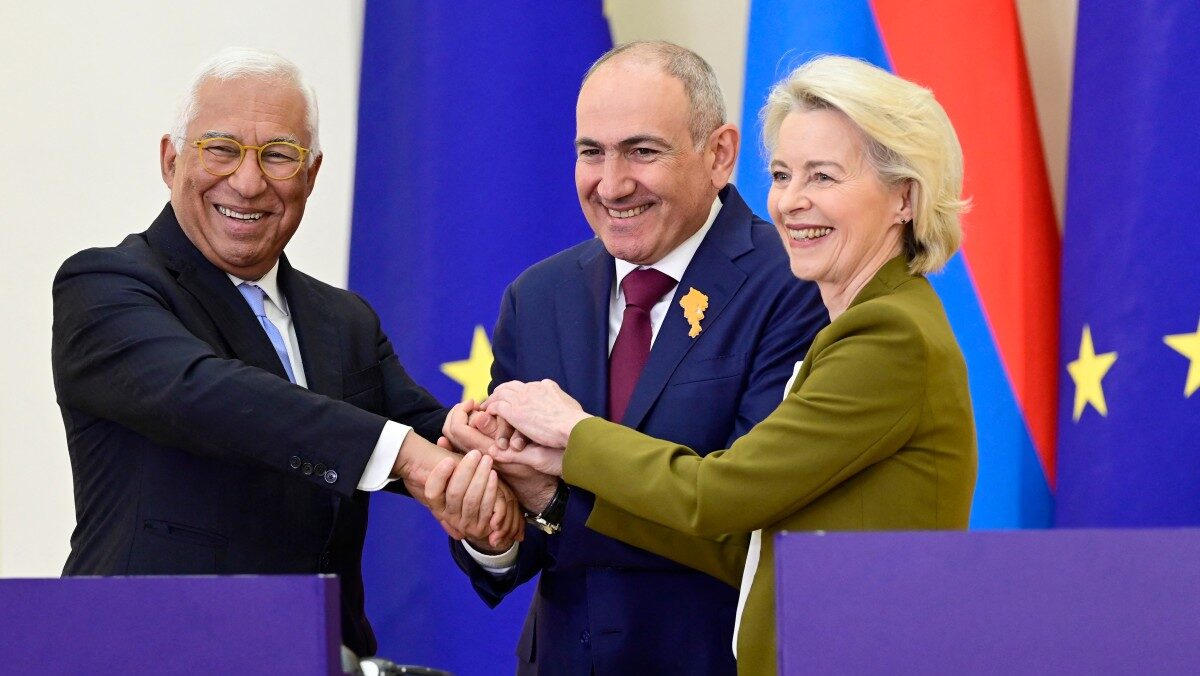
War in Ukraine and Red Sea disruption are forcing Europe to find new routes for trade and energy.
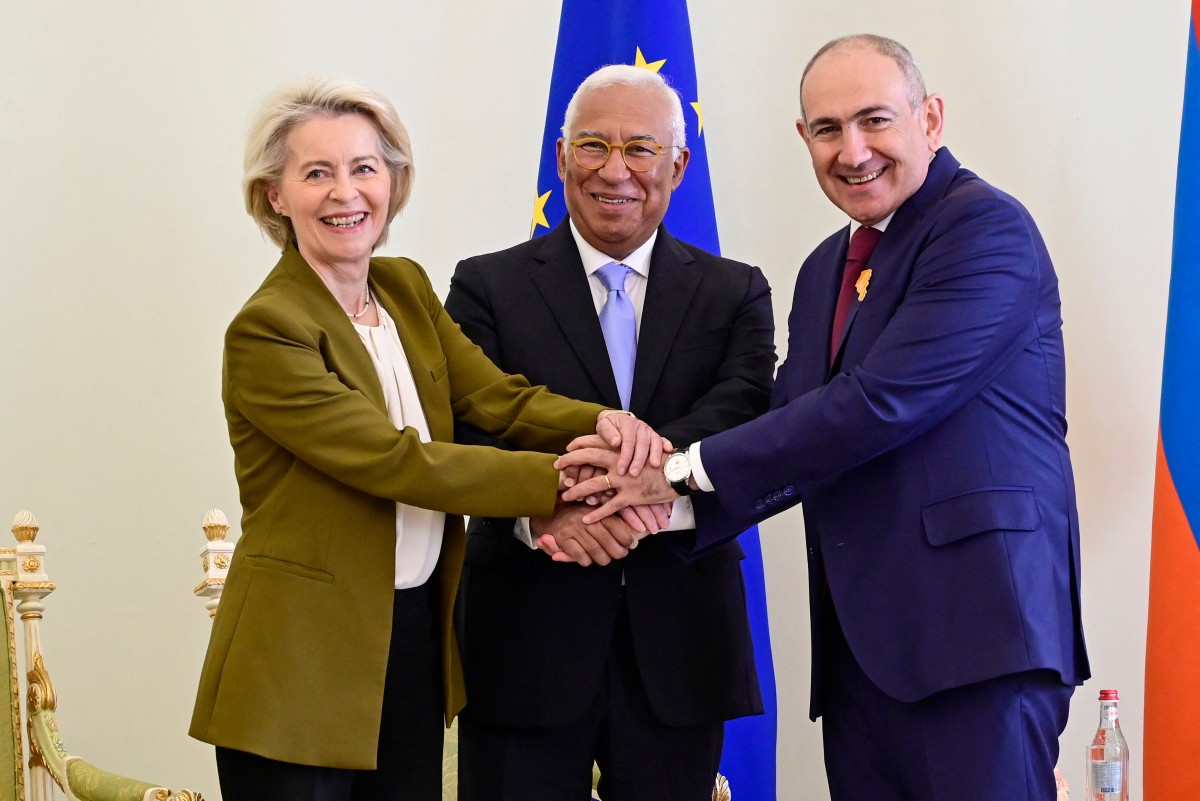
The EU-Armenia Connectivity Partnership is designed to strengthen transport, energy and digital links, supporting trade, job creation, and regional stability.
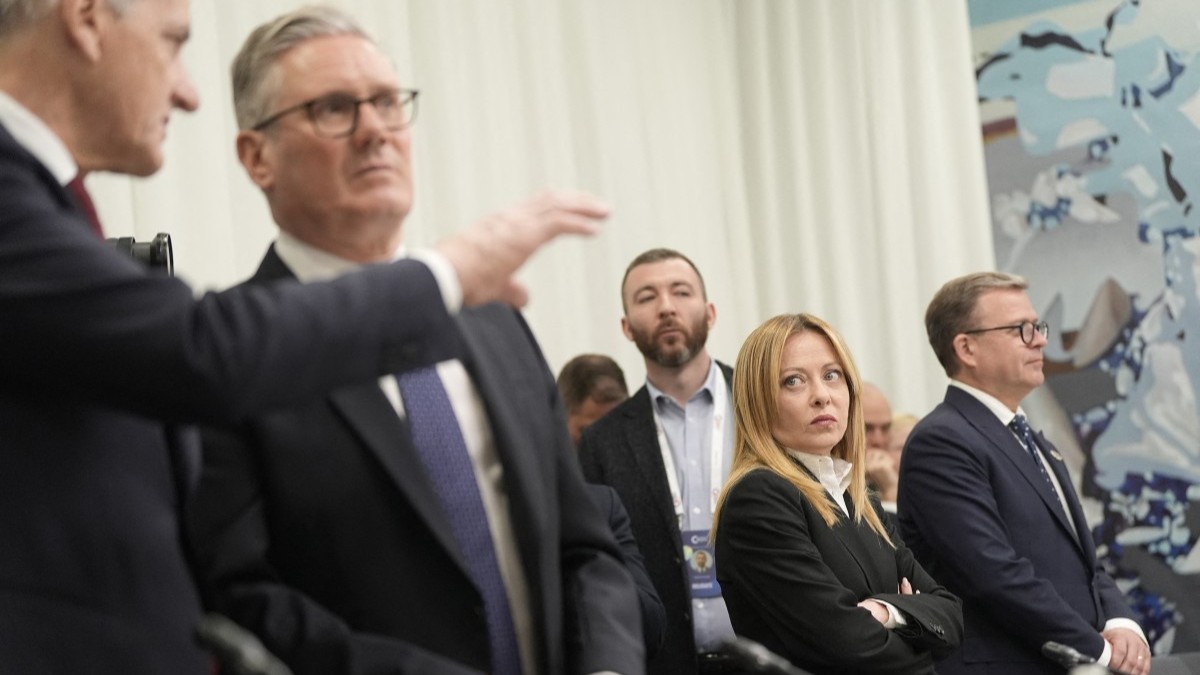
The meeting in Armenia brings together nearly 50 leaders, but once again confirms the declarative nature of a format that Brussels uses more to project narrative than to produce effective results.
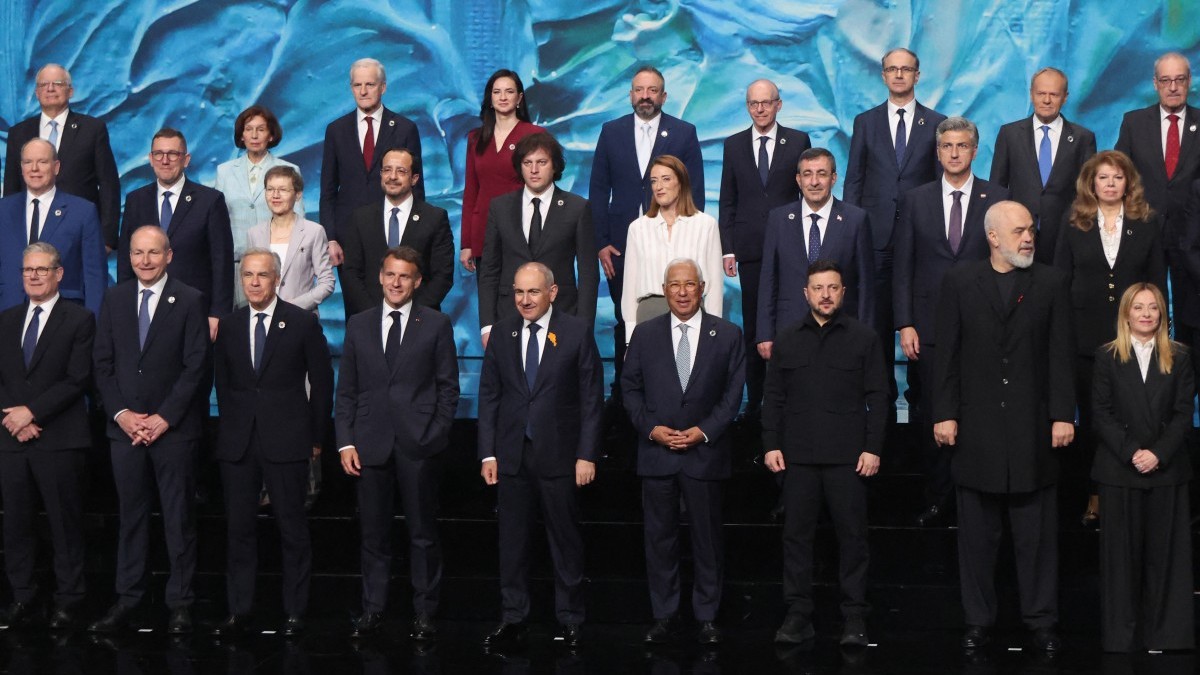
Over 30 European leaders gathered in the Armenian capital as the Caucasian country clearly pivots toward the EU.