
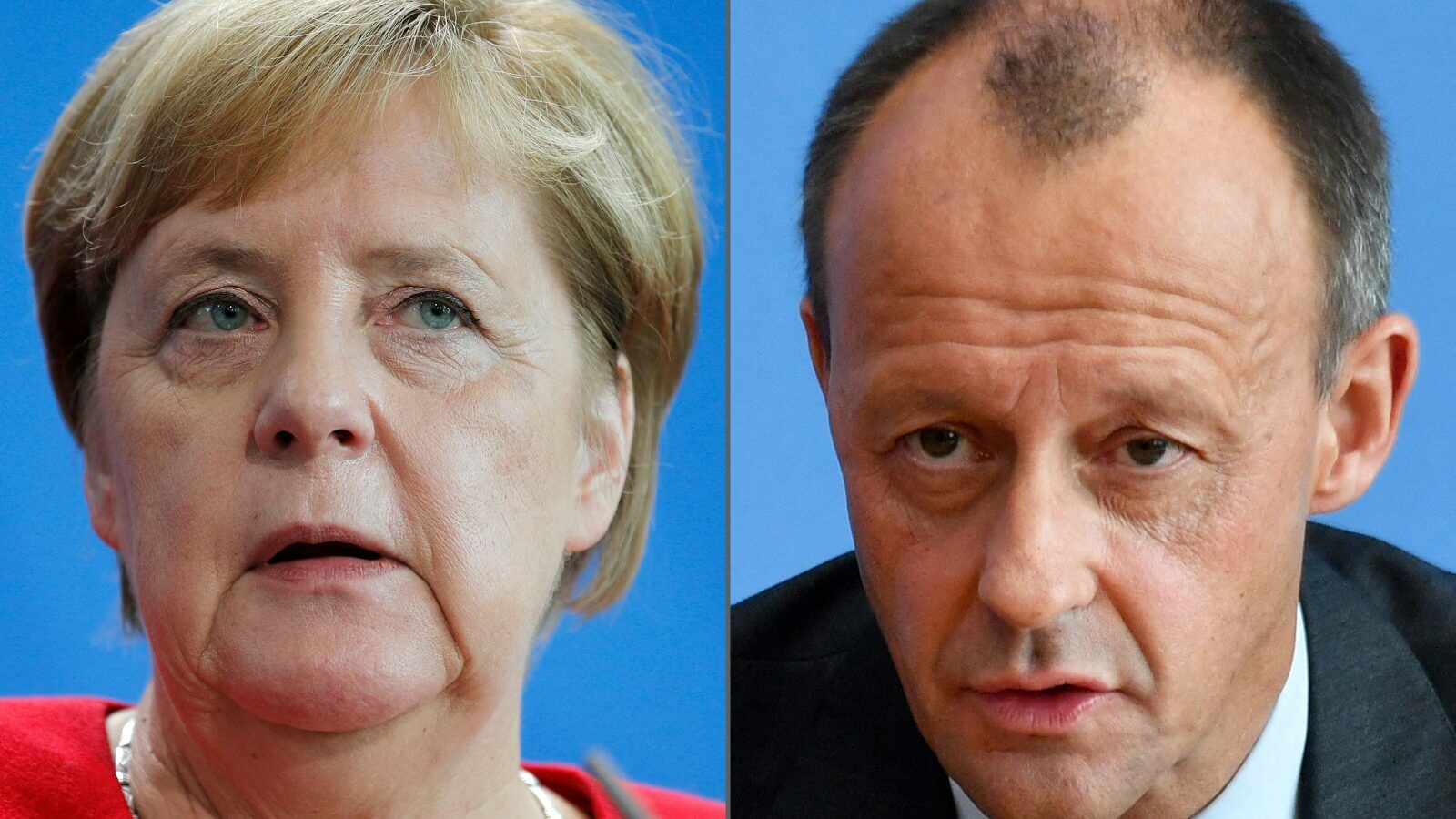
The Fraud of Compromise
It was not compromise but the avoidance—even suppression—of critical debate that lay at the heart of the technocratic governing style for which Merkel and her successors stand.

It was not compromise but the avoidance—even suppression—of critical debate that lay at the heart of the technocratic governing style for which Merkel and her successors stand.

The fall of Evika Siliņa’s government does not alter the strategic line toward Ukraine, but it introduces political uncertainty at a sensitive moment and creates space for patriotic Latvia First.
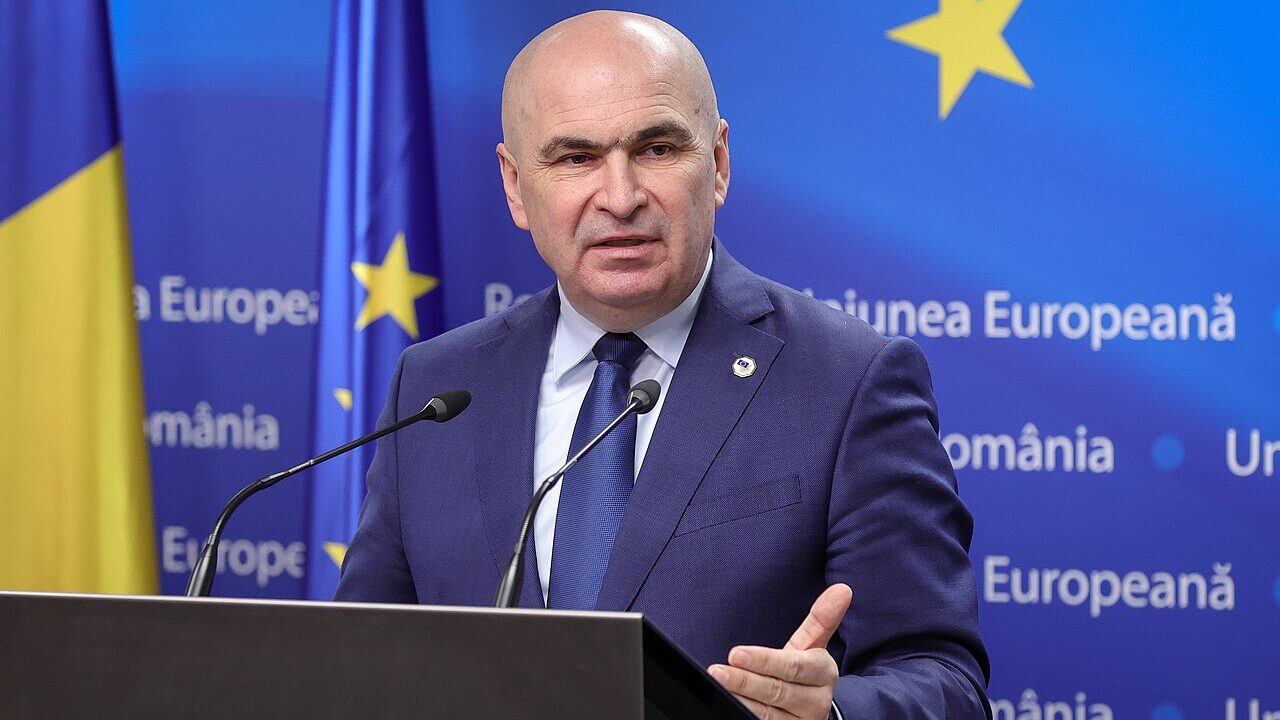
The coalition crisis in Bucharest reflects falling poll numbers for the Social Democrats and growing competition from the right-wing nationalists.
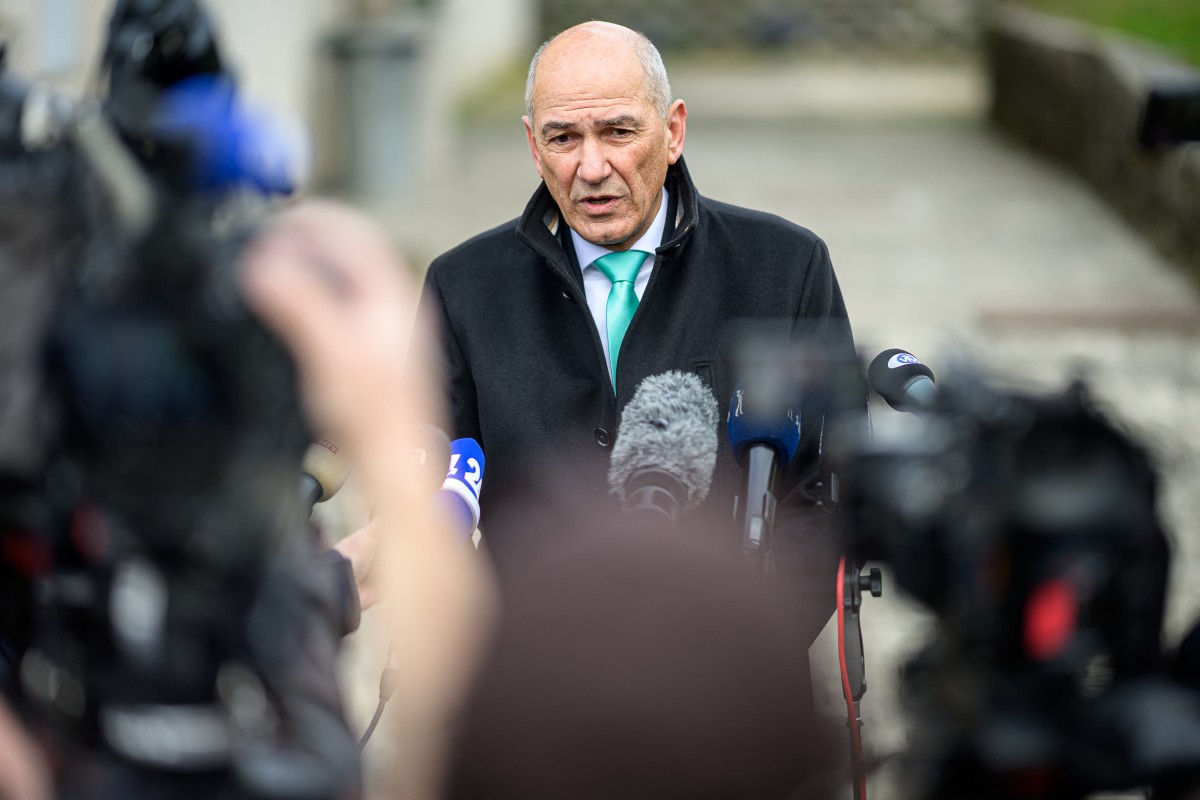
Despite winning the election, the Prime Minister has struggled to build a stable governing alliance.

With no parliamentary majority and several sensitive dossiers already on the table, the cabinet’s stability is far from assured.

Excuses for failure: at the CDU’s national party congress, Friedrich Merz defended his record, his debt U-turn, and his refusal to cooperate with the AfD.

The minority cabinet presents itself as a fresh start, but its plans raise serious questions about whether the Netherlands will actually be better off.

Reform proposals are a key element of the coalition agreement between the CDU and the Social Democrats, now under strain.
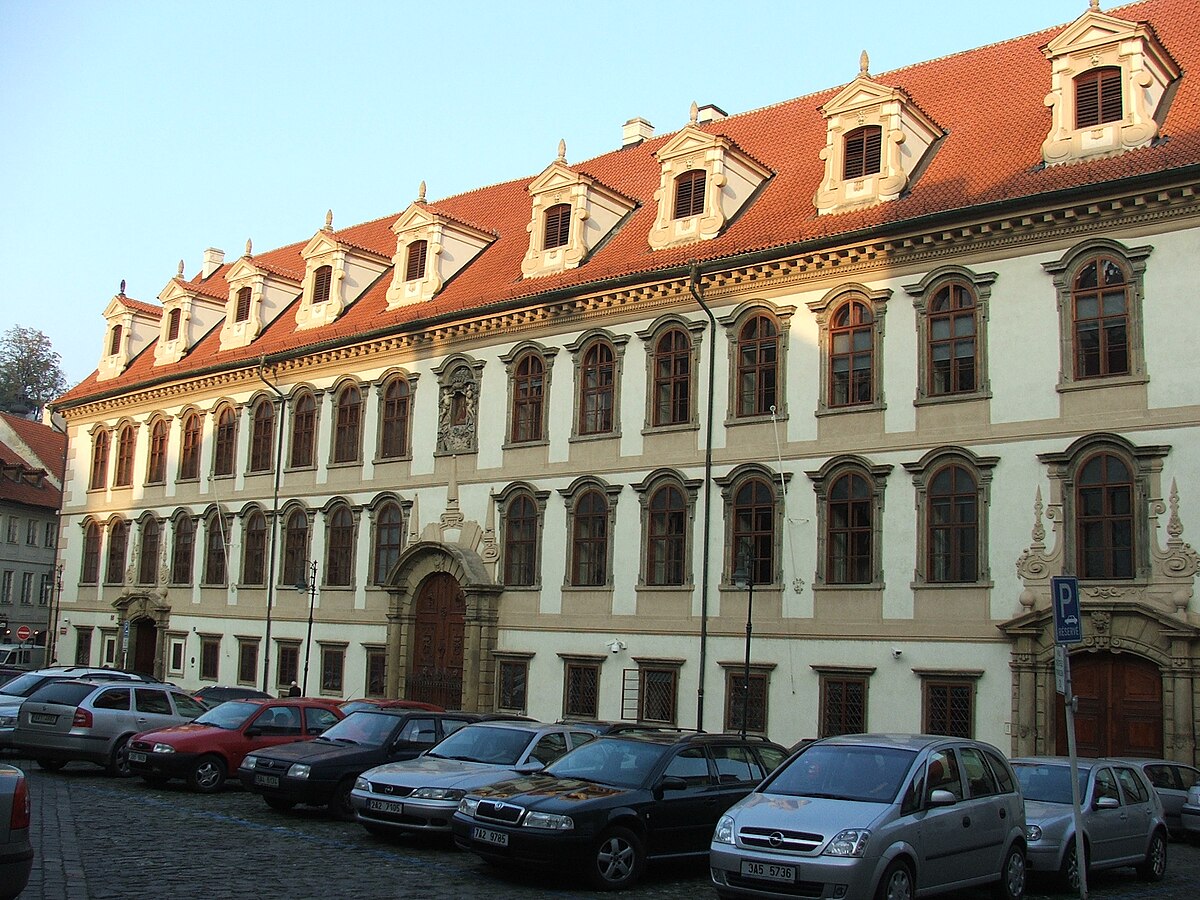
ANO, SPD, and Motorists’ Party to sign a coalition agreement as rules and key positions are finalized.