

Magyar Pledges to Release Hungary’s Gas Deal With Gazprom
In September 2021, Hungary signed a contract with Gazprom for the supply of 4.5 billion cubic meters of gas per year over the next 15 years.

In September 2021, Hungary signed a contract with Gazprom for the supply of 4.5 billion cubic meters of gas per year over the next 15 years.
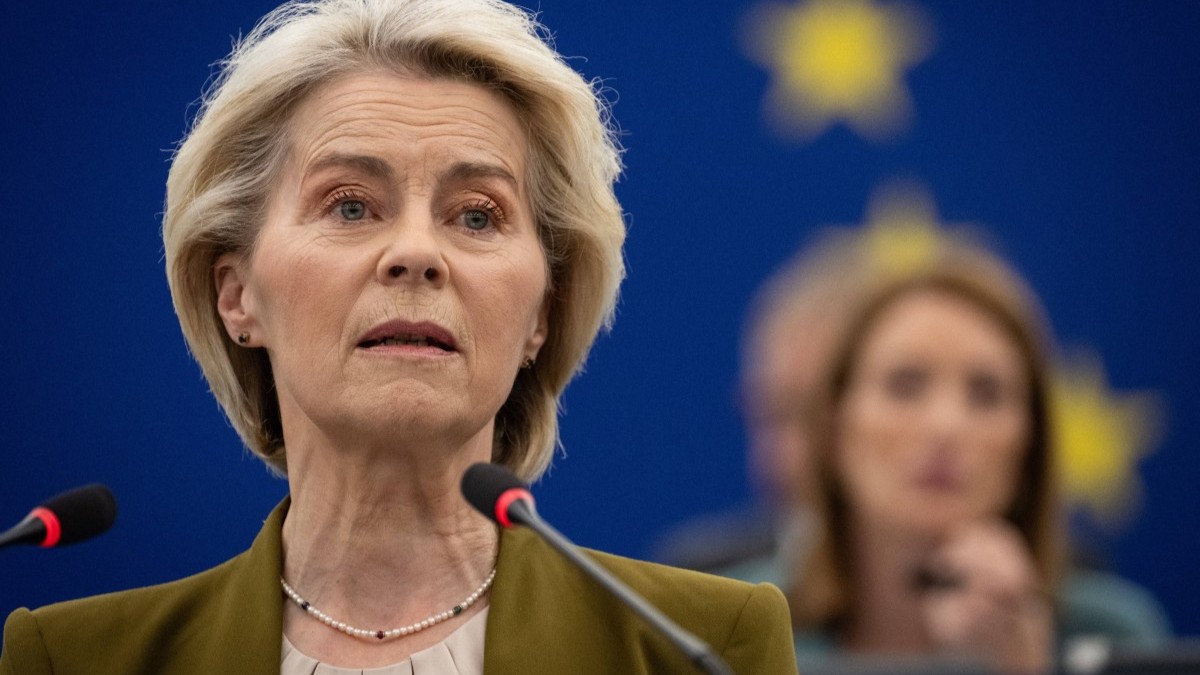
As MEPs in Strasbourg discussed security and energy after the Gulf shock, establishment groups clung to the Green Deal framework amid growing pressure on industry and households.
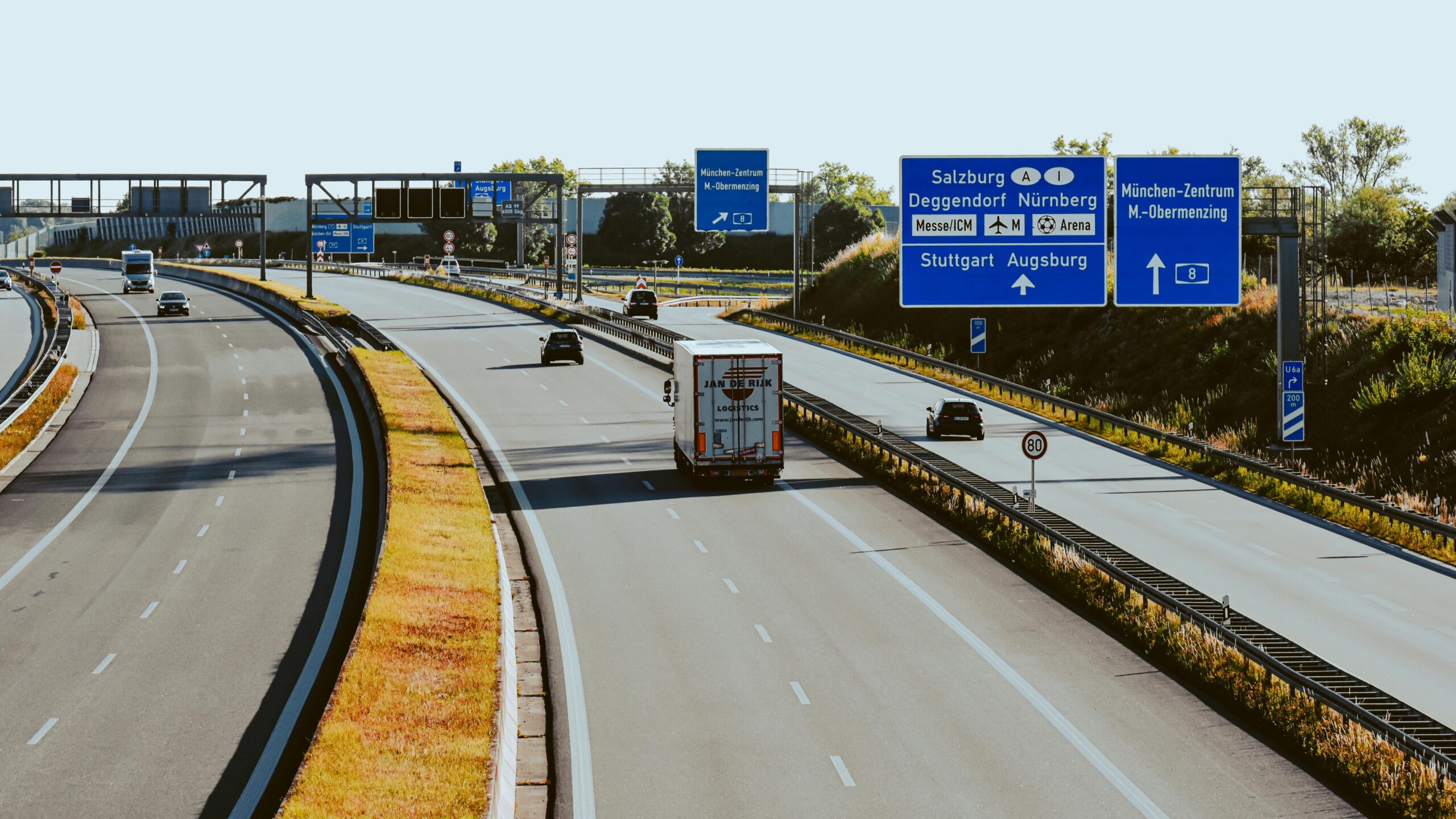
The new law could leave Europe’s largest economy increasingly dependent on energy imports, undermining claims of greater independence.
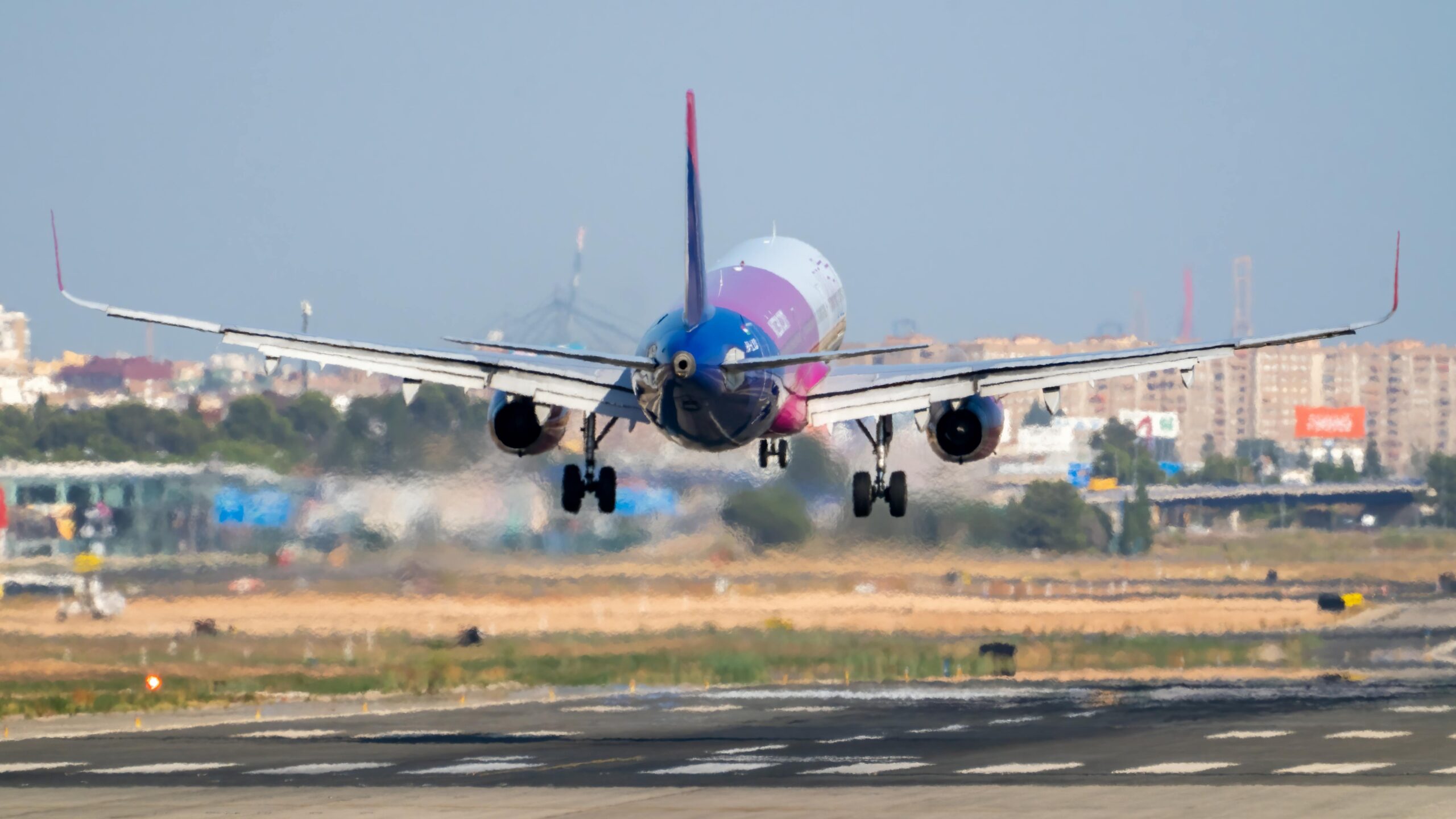
Brussels denied for days that there was any risk of an aviation fuel shortage, then admitted jet fuel is “the main concern.”
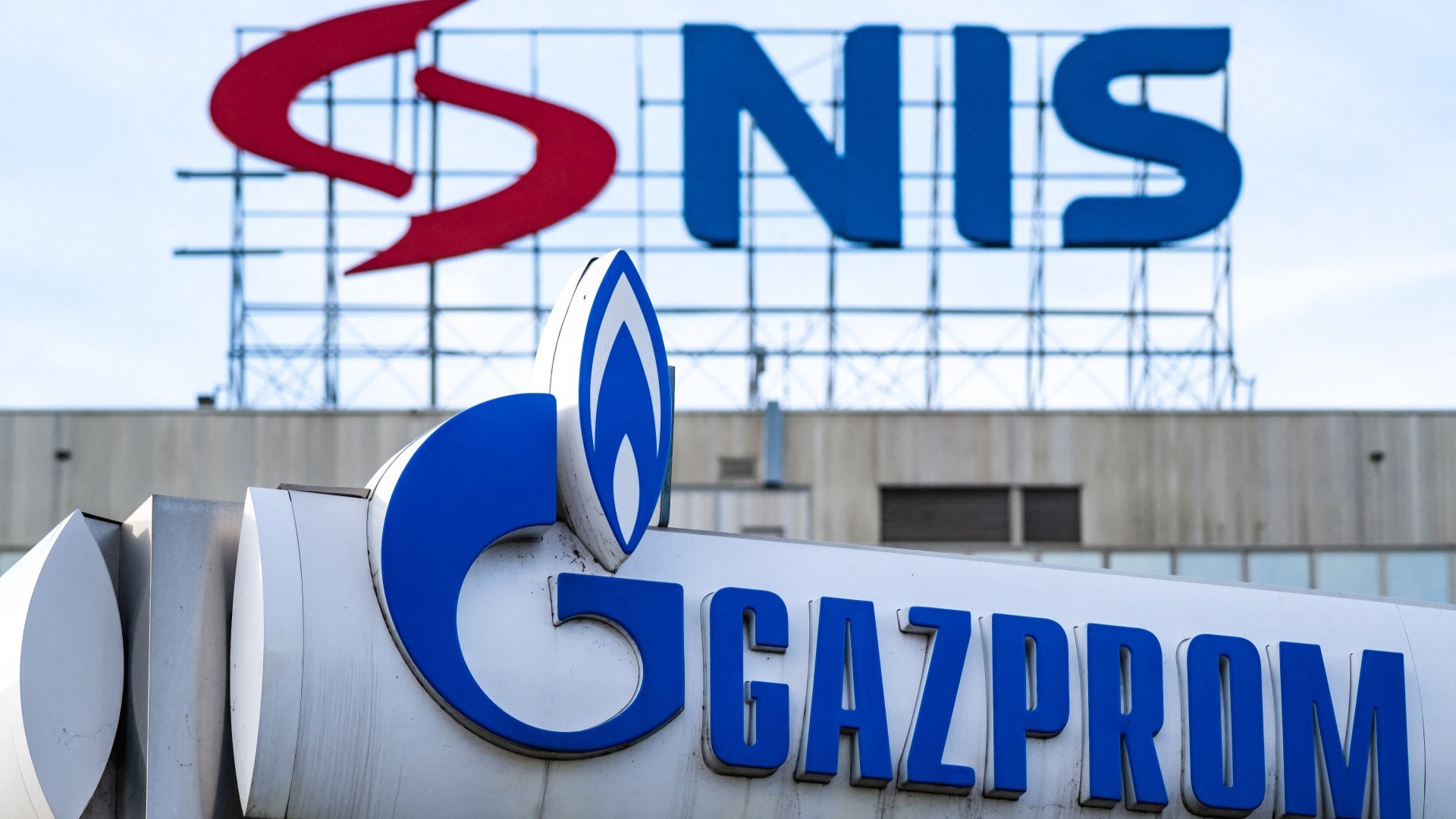
While Brussels promises to cut Moscow’s energy dependence, countries like France and Spain continue buying Russian gas as if nothing had changed.
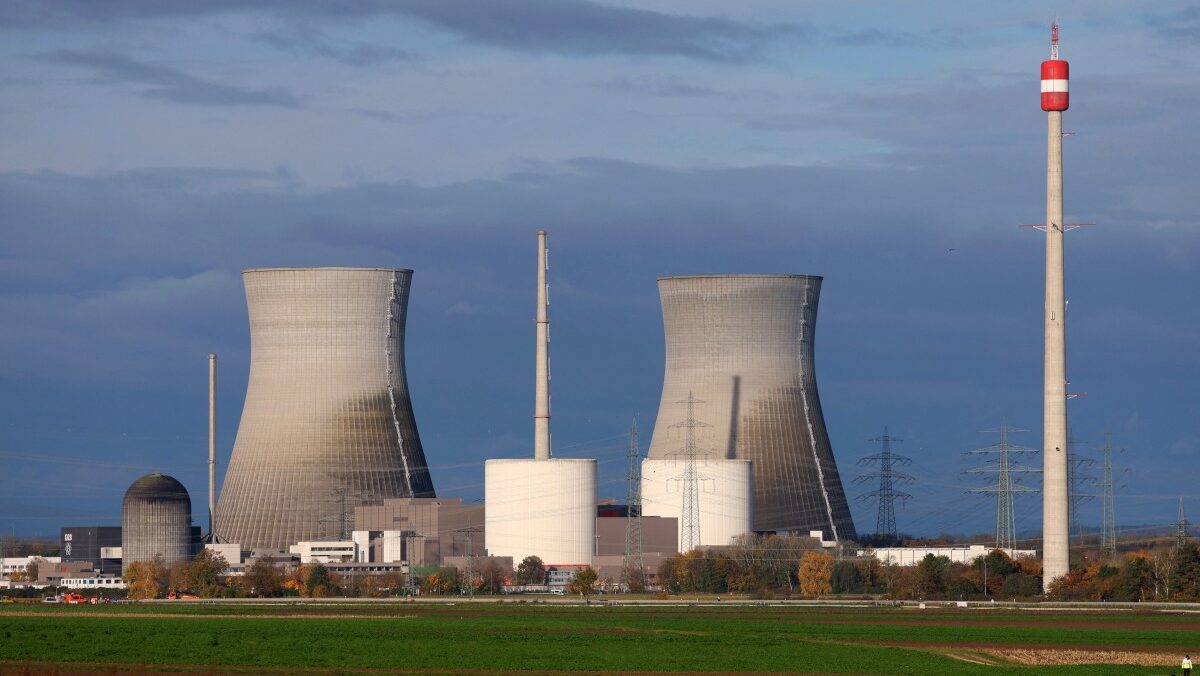
The party’s parliamentary group wants a return to reliable energy sources.
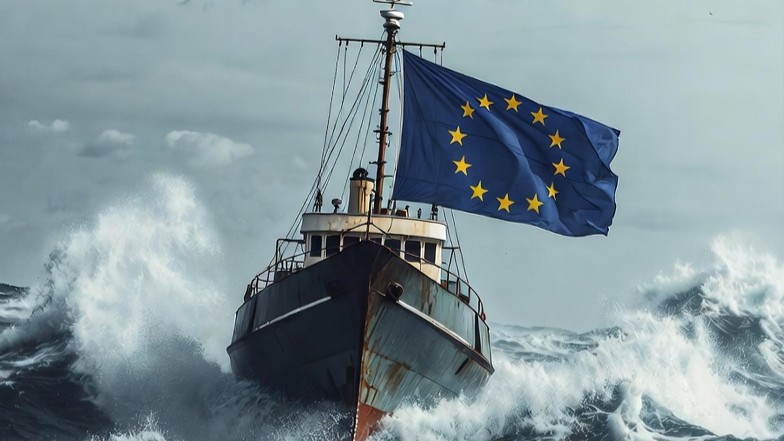
Brussels is celebrating the temporary pause of Middle East hostilities while remaining dependent on foreign energy, vulnerable trade routes, and outside protection.
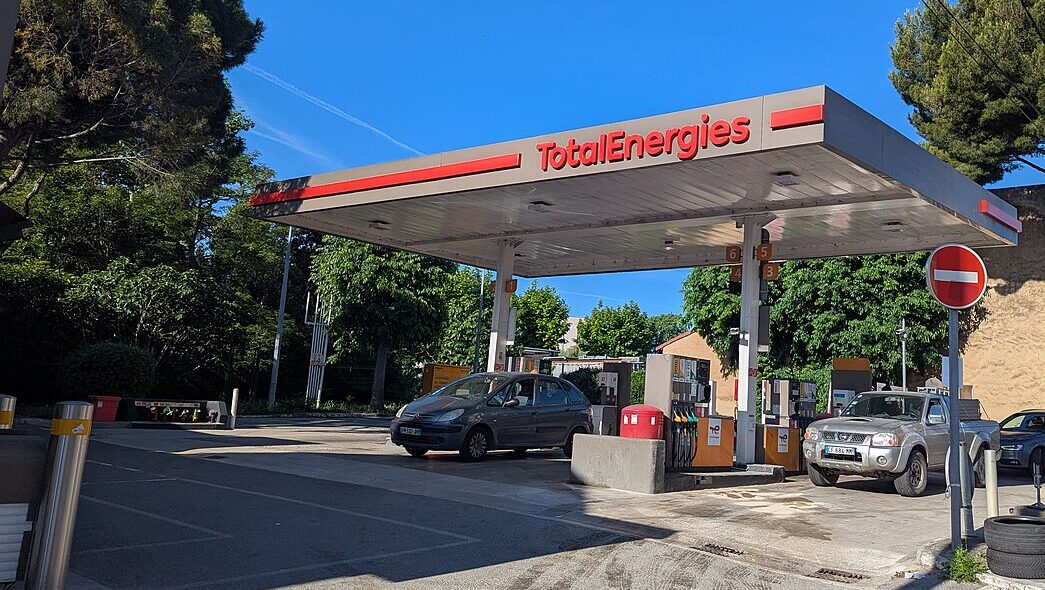
Three years after reducing its dependence on Russian gas, Europe is still heavily dependent on imported oil and on strategic routes. The supplier may have changed. The dependence has not.
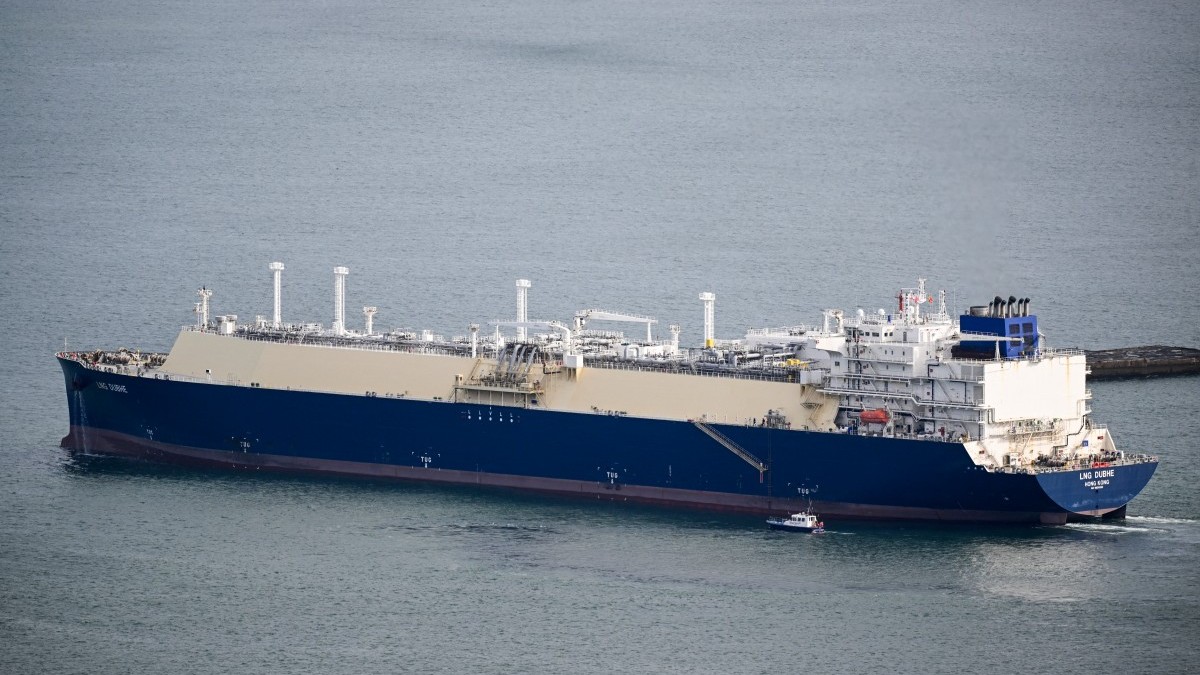
Brussels is opting for technical adjustments in response to the shock caused by the Iran crisis.
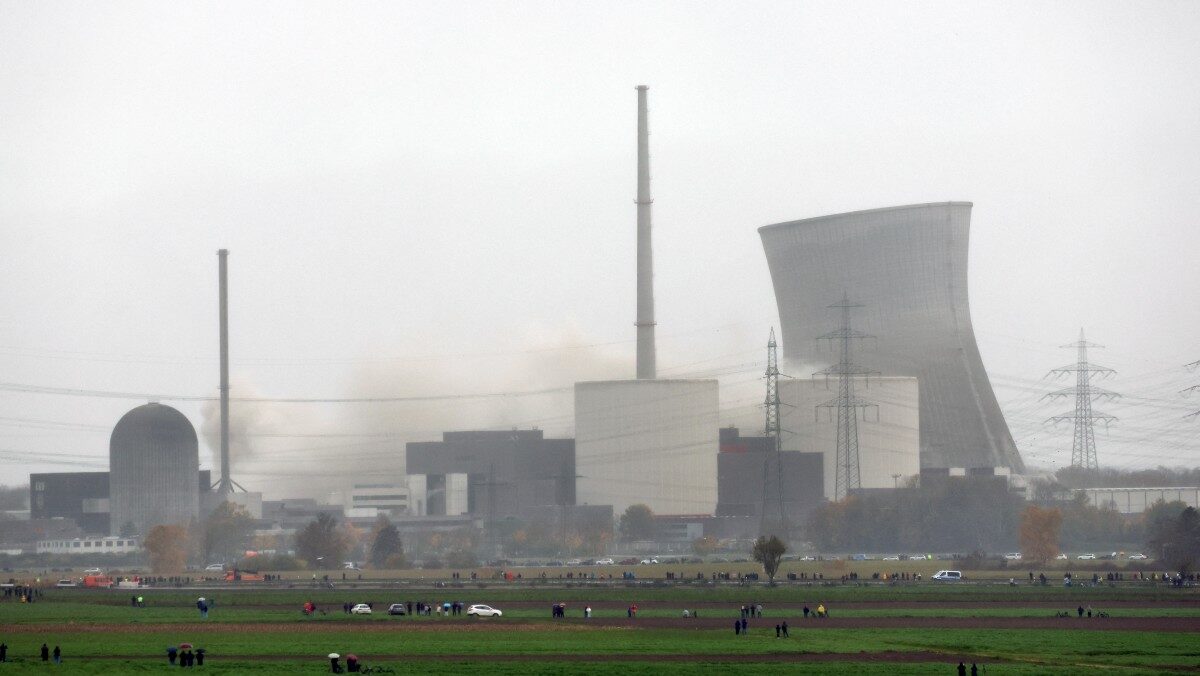
To simultaneously obliterate Germany’s nuclear sector and to cut off energy ties with Russia wasn’t simply foolish—it was self-sabotage of the highest and most unforgivable order.