Pakistan Pushes U.S.–Iran Talks as Hormuz Tensions Rise
Failed talks and a new U.S. blockade in the Strait of Hormuz raise the stakes as mediators race to prevent a wider escalation.

Failed talks and a new U.S. blockade in the Strait of Hormuz raise the stakes as mediators race to prevent a wider escalation.

With Gulf shipping routes under threat, Europe rejects Washington’s approach while remaining heavily reliant on the very flows the U.S. seeks to control.

Two NGOs warned that Tehran’s use of the death penalty surged 68% last year and may escalate further amid political turmoil and ongoing conflict.

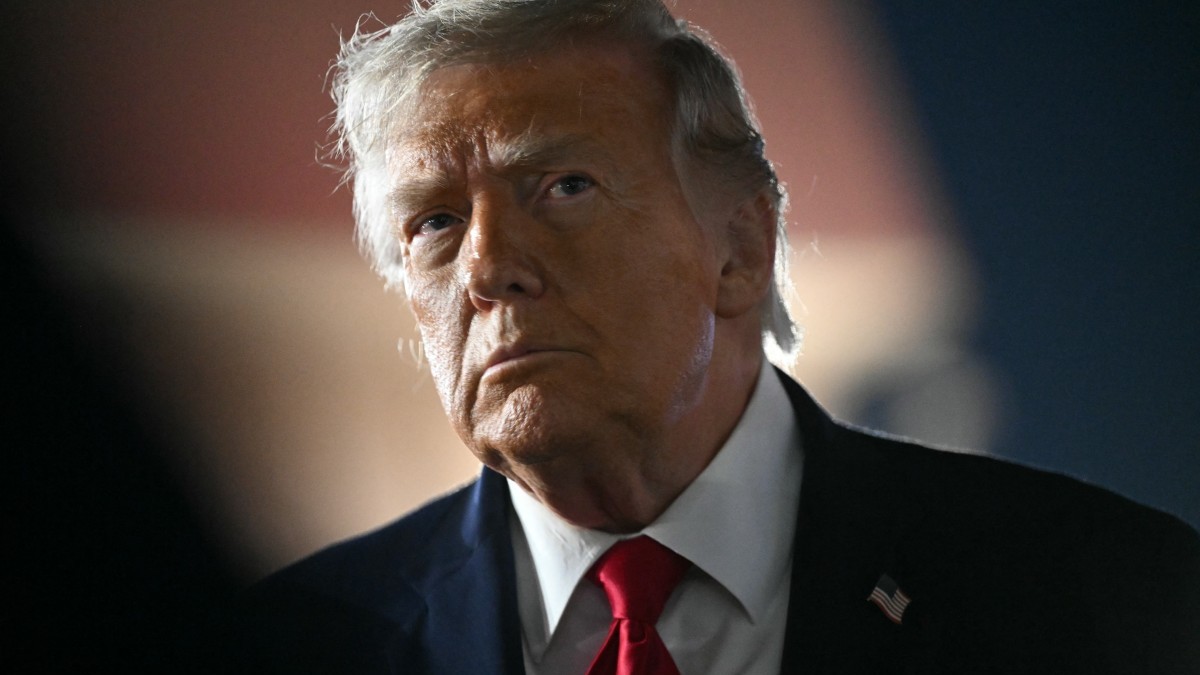
As Pakistan-hosted peace talks broke down, Trump blamed Tehran’s refusal to curb its nuclear ambitions and vowed to seal off Iran’s maritime trade routes.

Iran’s state broadcaster IRIB said negotiations stalled over “unreasonable demands of the American side.”

Mojtaba Khamenei is reportedly recovering from severe injuries sustained in a deadly airstrike, adding uncertainty to Iran’s leadership.

The U.S. vice president is in Islamabad, working on stabilizing a fragile ceasefire.

Washington is ‘ready for constructive talks—if Iran engages seriously.’

Protests in Ireland and early fuel shortages in France point to mounting pressure as costs begin to feed through the economy.

Mass gatherings see thousands pay tribute to Ali Khamenei, the late Supreme Leader killed in U.S.-Israeli strikes.