
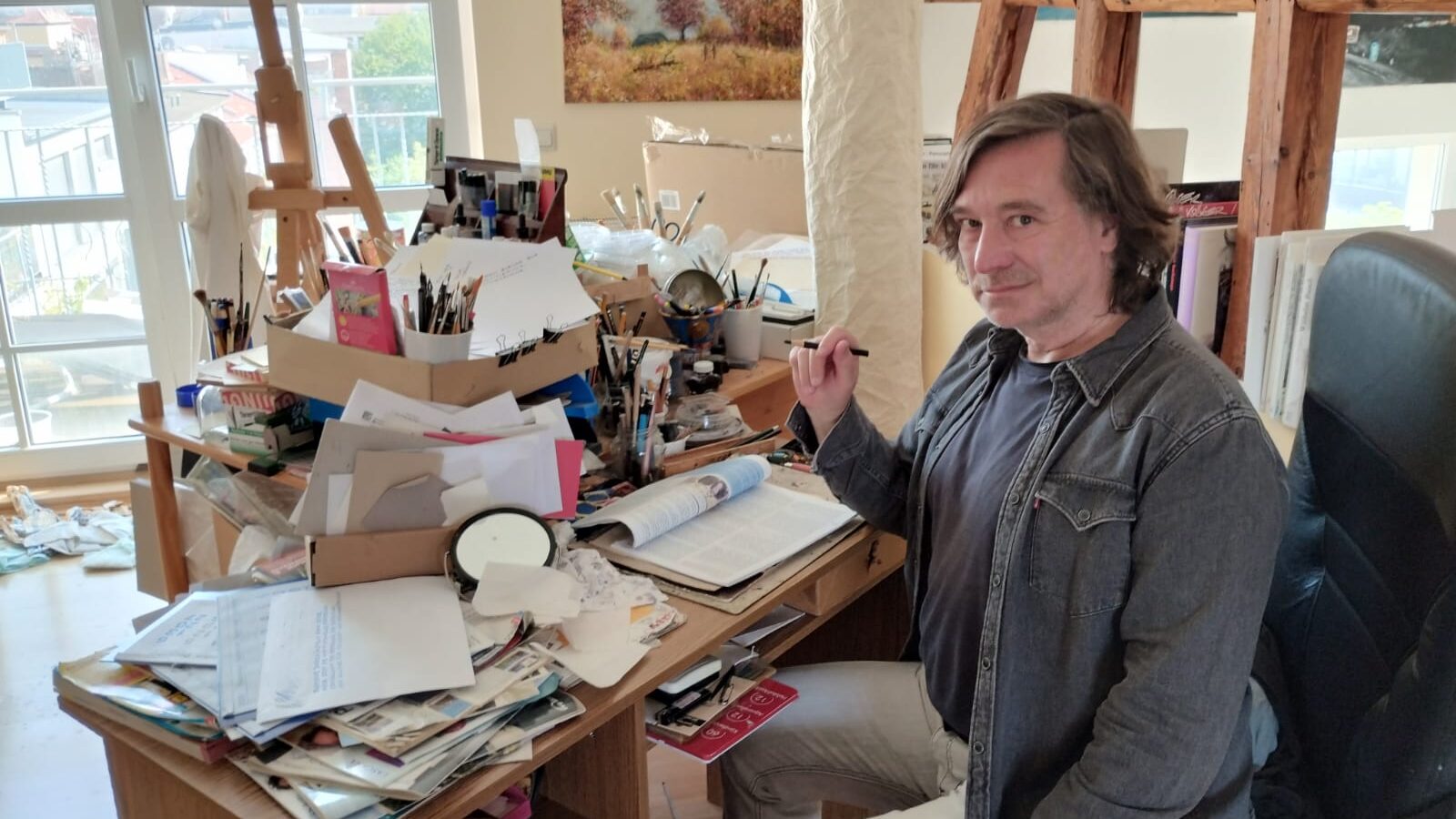
Satire in the Age of Cancel Culture
For German cartoonist Bernd Zeller, the more sacred the political consensus becomes, the richer the material.

For German cartoonist Bernd Zeller, the more sacred the political consensus becomes, the richer the material.
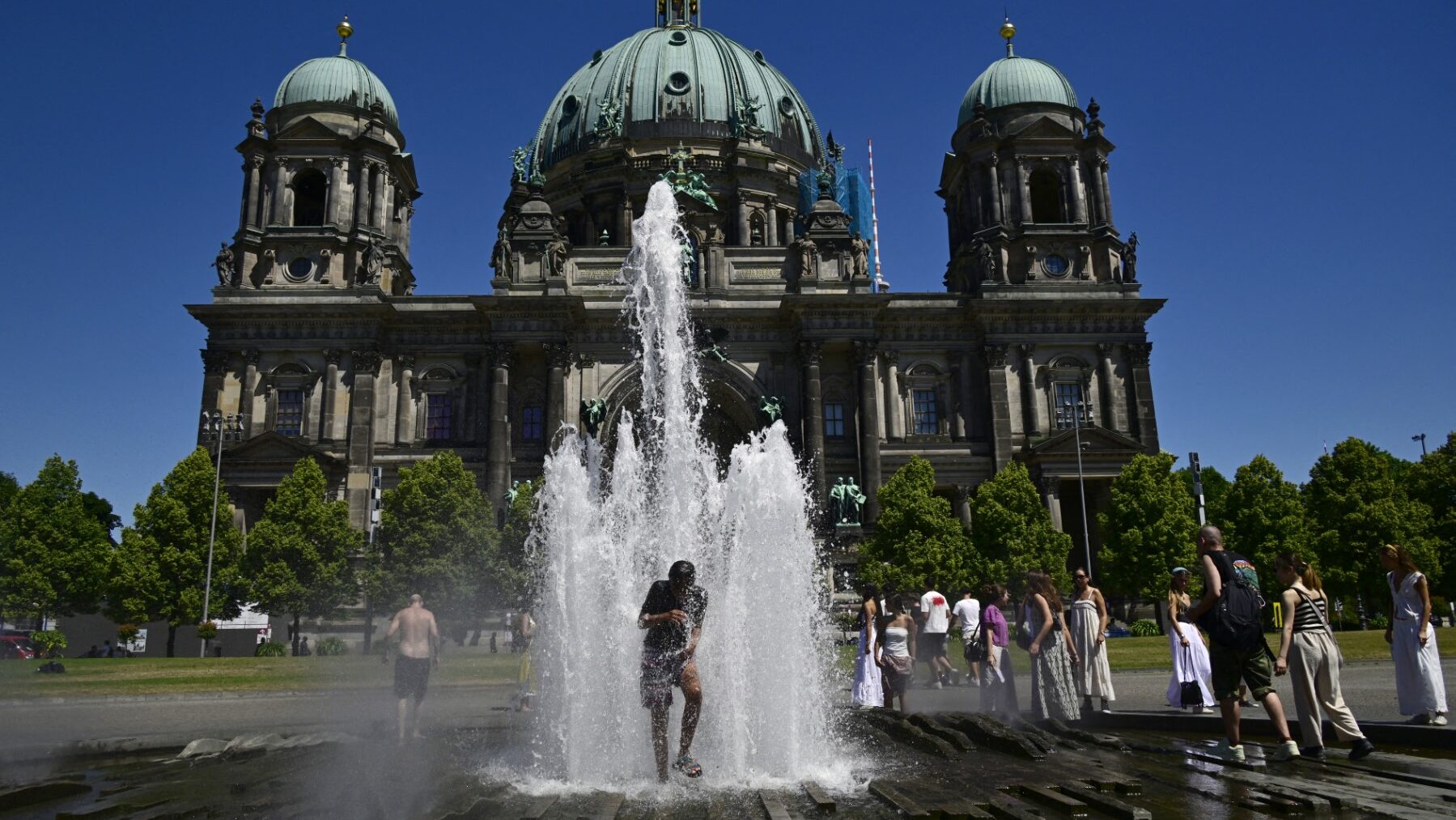
The heat wave exposed more than rising temperatures—it revealed decades of neglected infrastructure, political drift, and a government that struggles to perform its most basic functions.
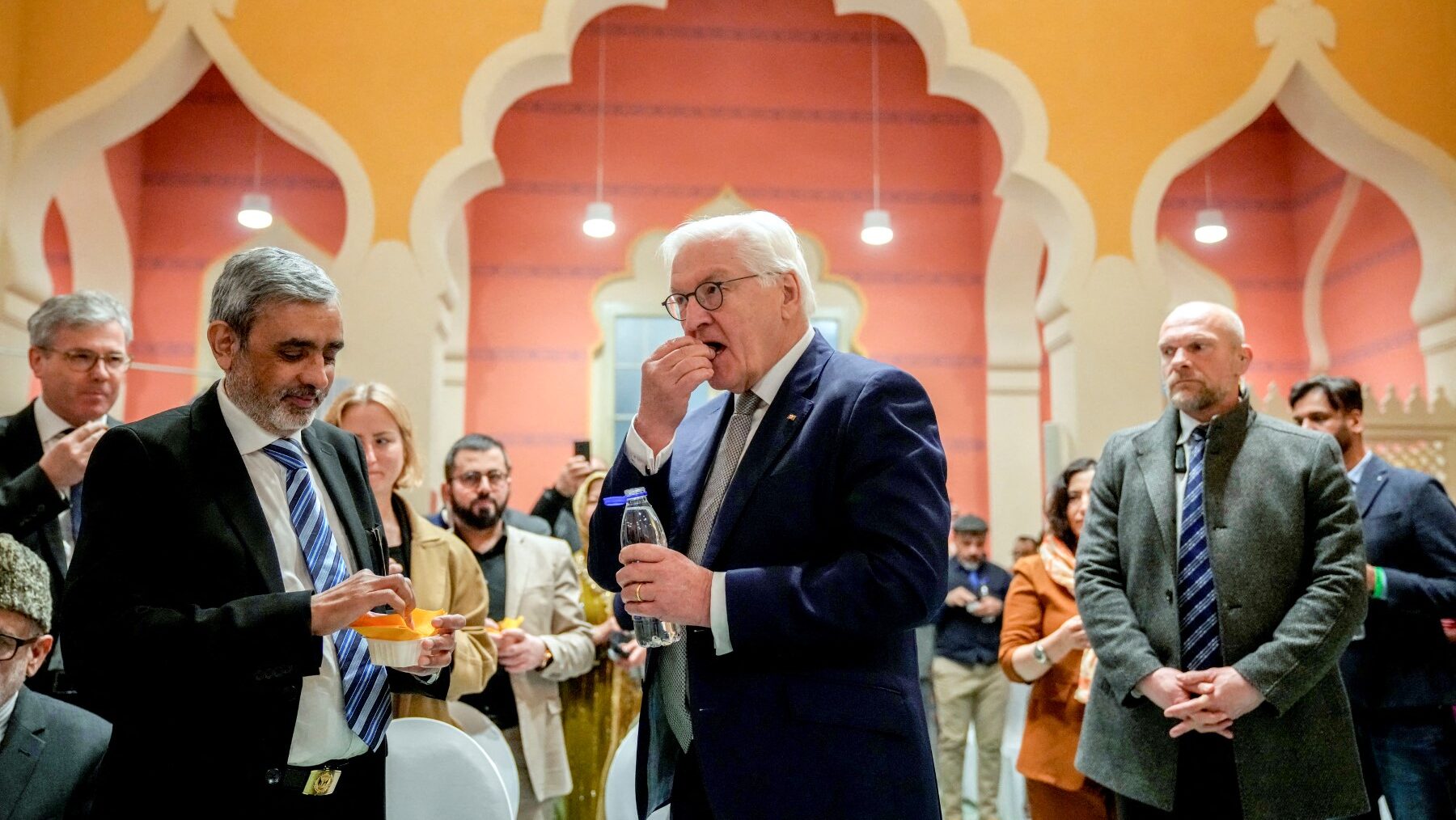
The charge of Islamophobia has served Islamists well. It has allowed them to dodge scrutiny and isolate their critics, often with state approval.
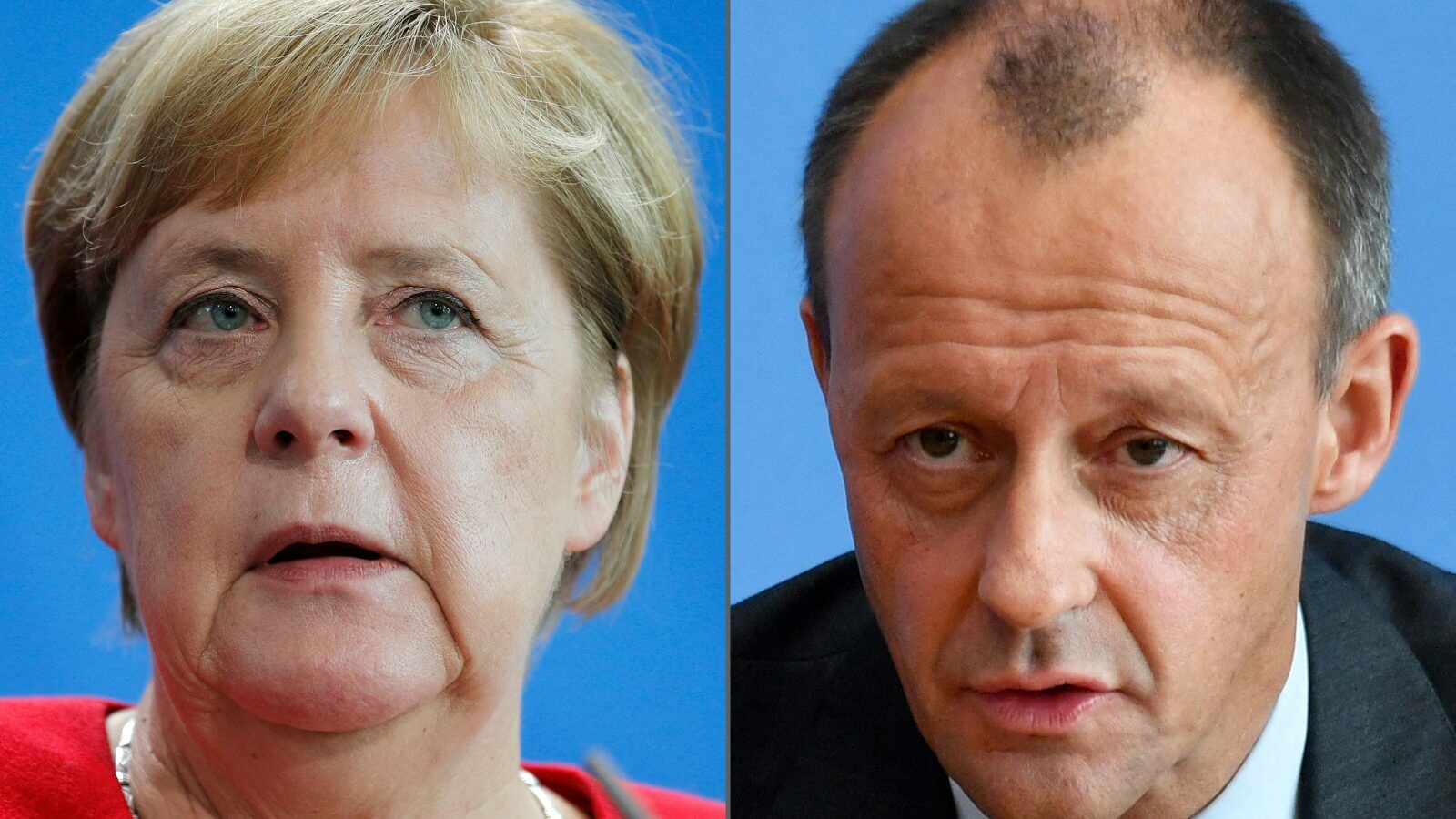
It was not compromise but the avoidance—even suppression—of critical debate that lay at the heart of the technocratic governing style for which Merkel and her successors stand.

East Germans are flocking to the AfD because they’ve lived through socialism once, Wolfgang Blume says—and they can see it returning in the increasingly socialist policies of the establishment parties.
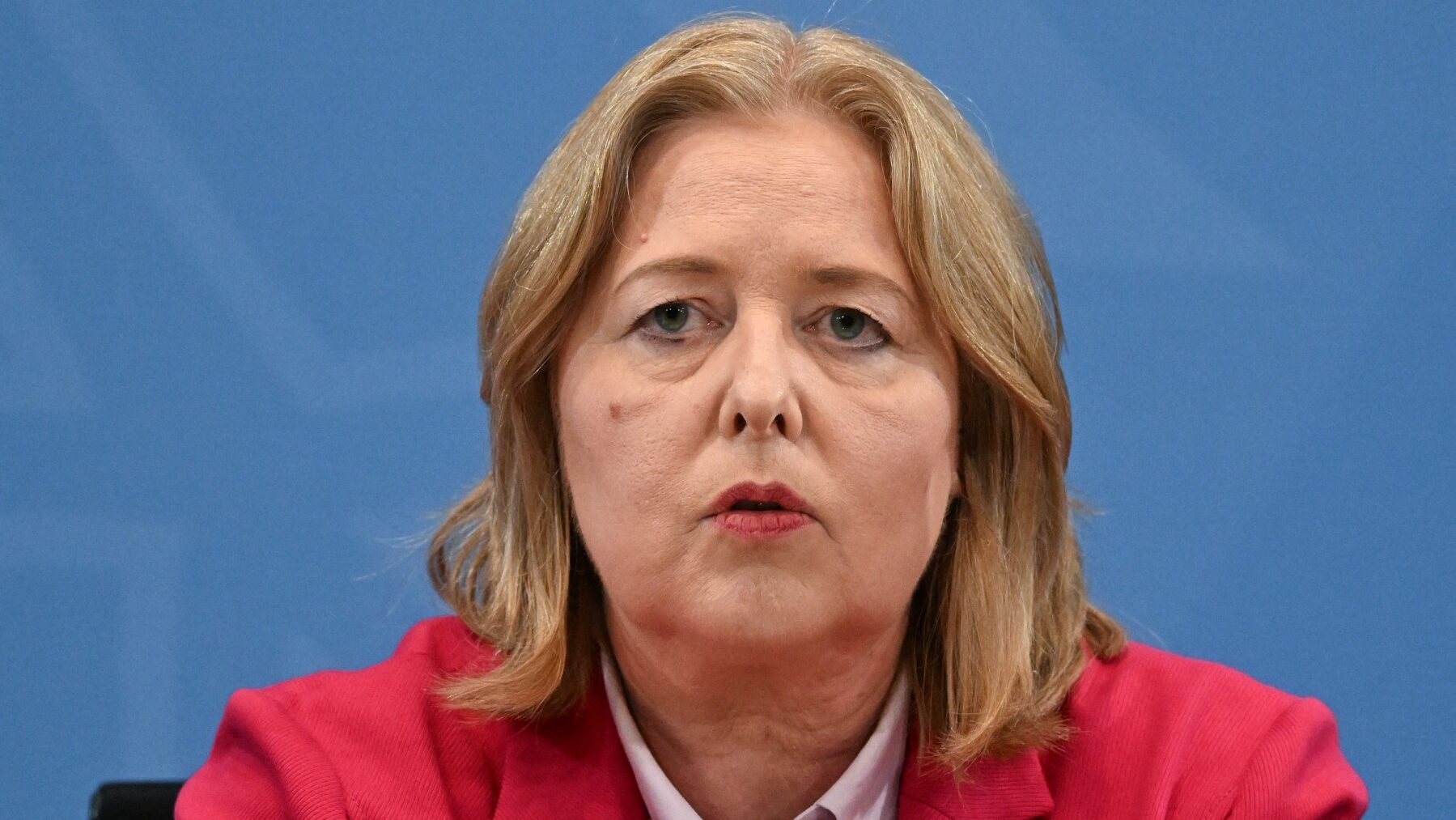
The German labour minister’s attack on the country’ss supposedly “grey” and “brown” citizens exposes how far her party has drifted from the people it once claimed to represent.

A feminist charged with “insult” for calling a man identifying as a woman a “man” was told she should have used the phrase “woman with a penis.”
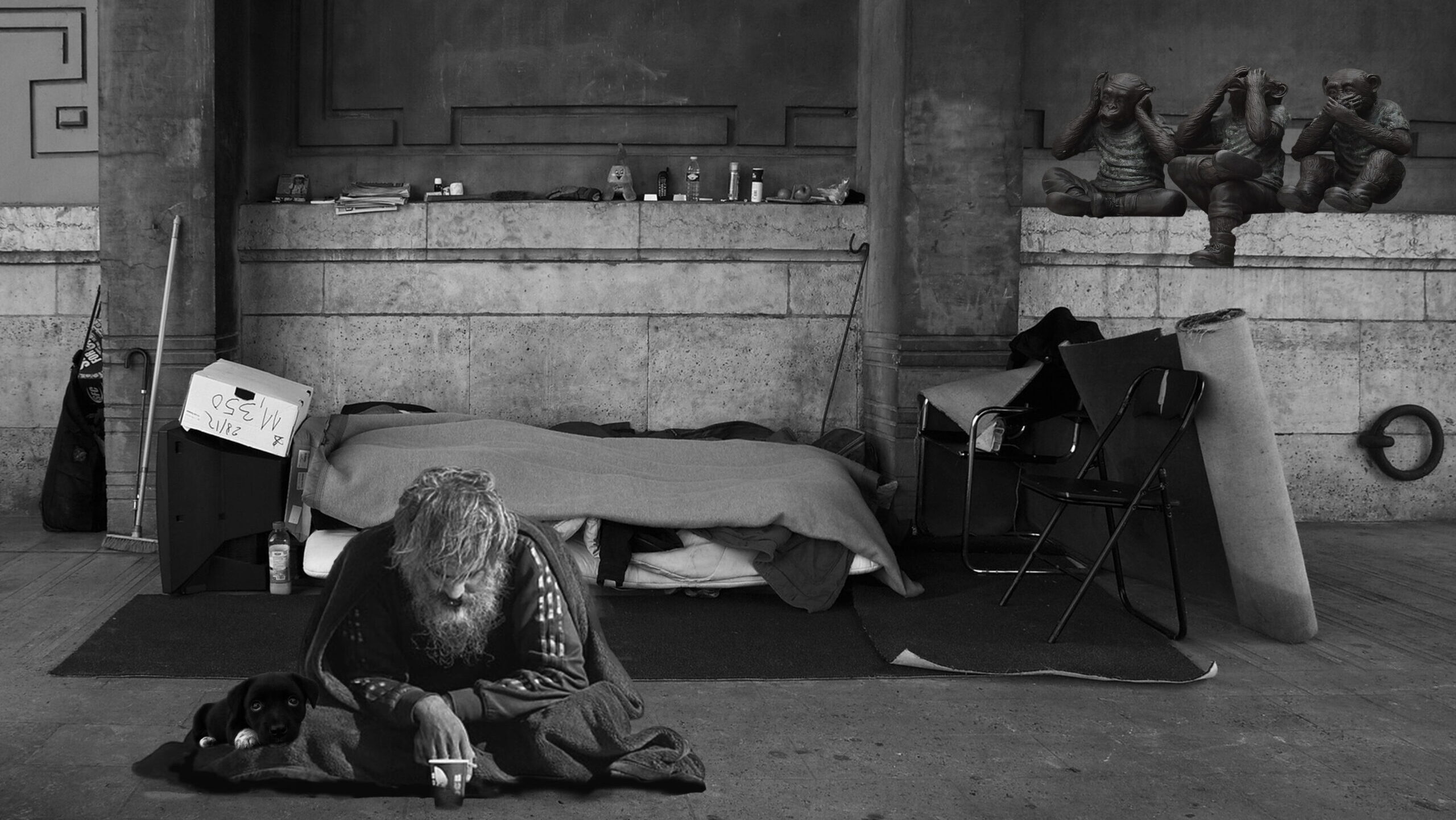
For all the official rhetoric about caring for the poor, their interests have been sacrificed on the altar of energy-efficiency targets and green ideology.
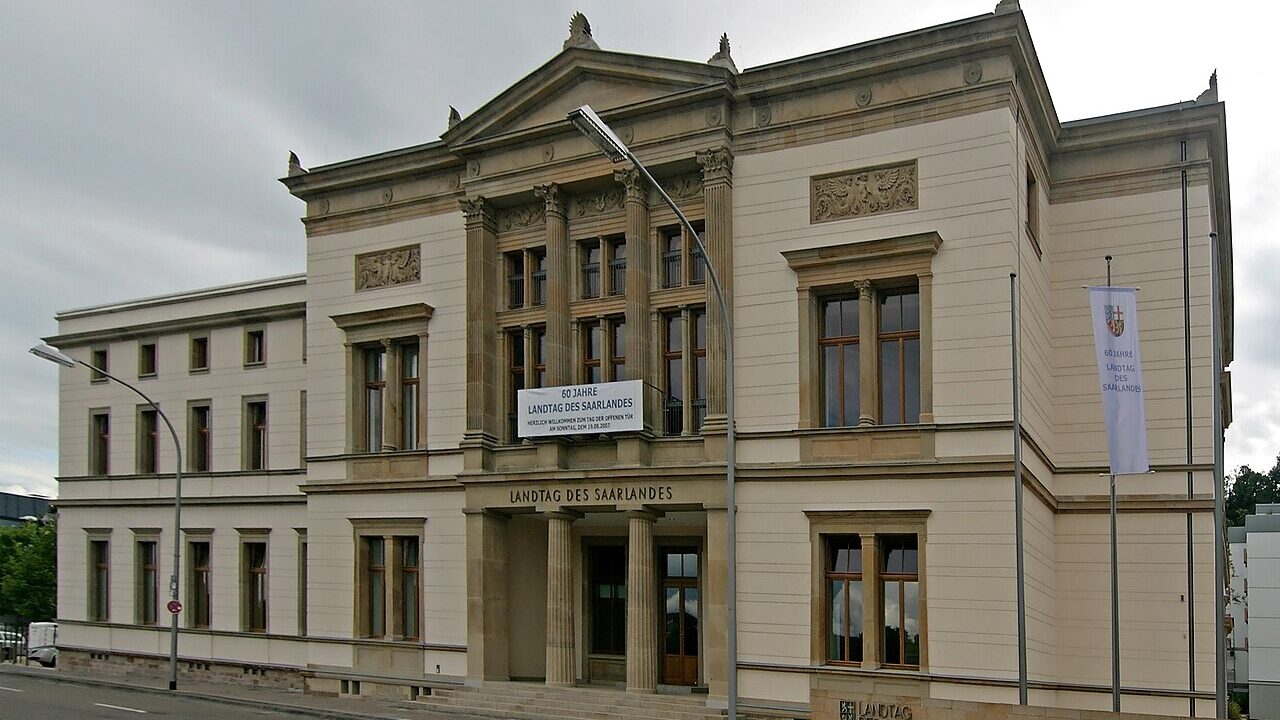
Rather than lifting us out of our current political trench warfare, the dispute over a reference to God in the Saarland constitutional preamble merely illuminates it.
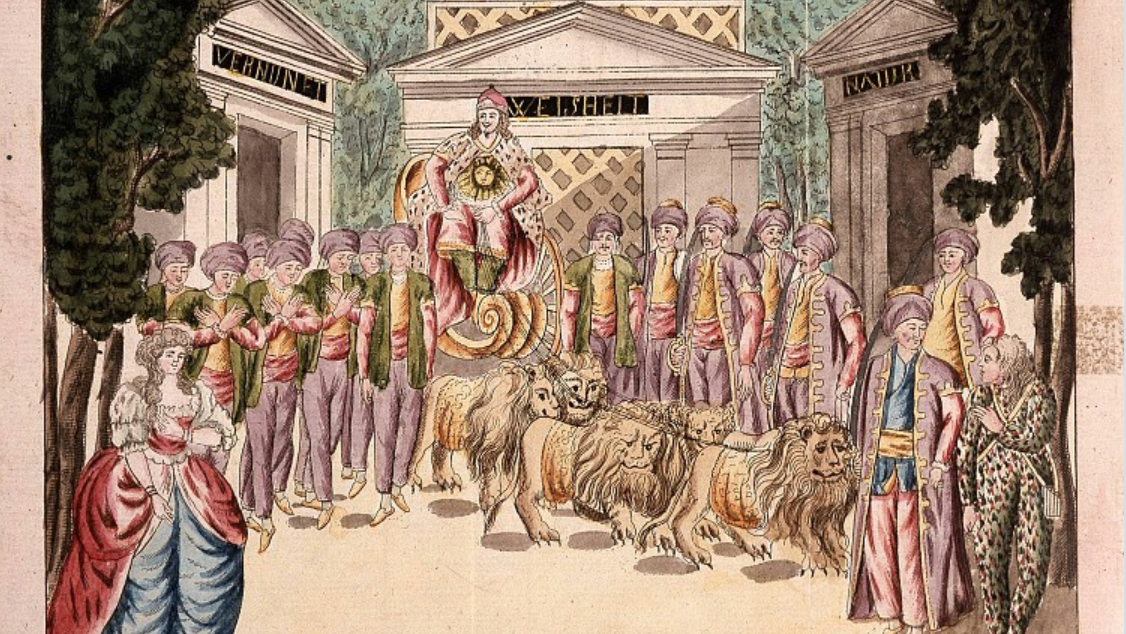
Saxony-Anhalt’s AfD seeks healthy national pride through patriotic cultural policy. The establishment calls it fascism.