
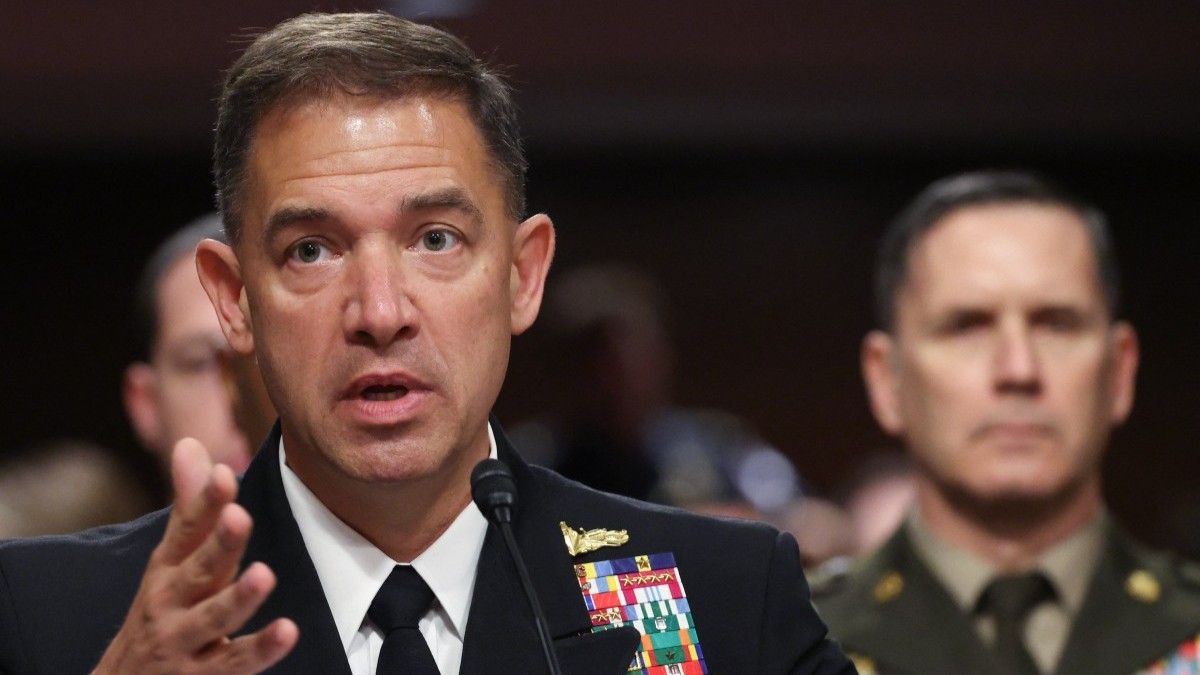
U.S. Strikes on Iran Followed by Tehran Retaliation in the Region
NATO Secretary General Mark Rutte said the U.S. attacks were “absolutely necessary.”

NATO Secretary General Mark Rutte said the U.S. attacks were “absolutely necessary.”
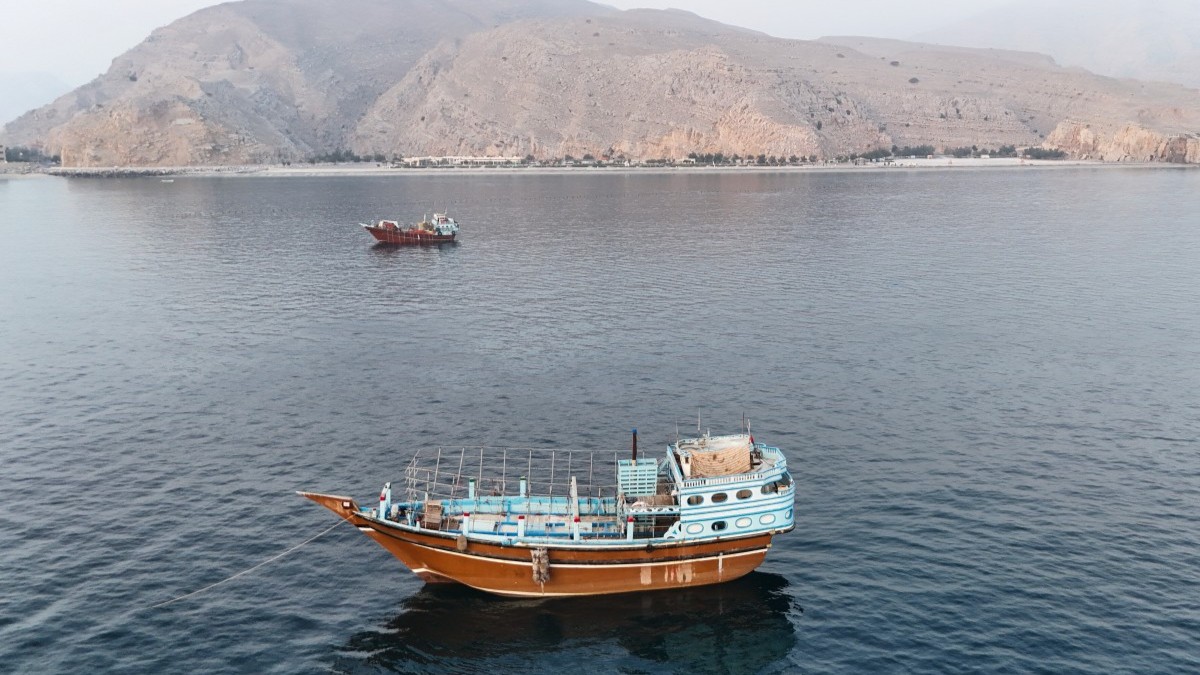
Washington–Tehran relations appear calm, for now, following a weekend of projectile strikes despite the ceasefire.
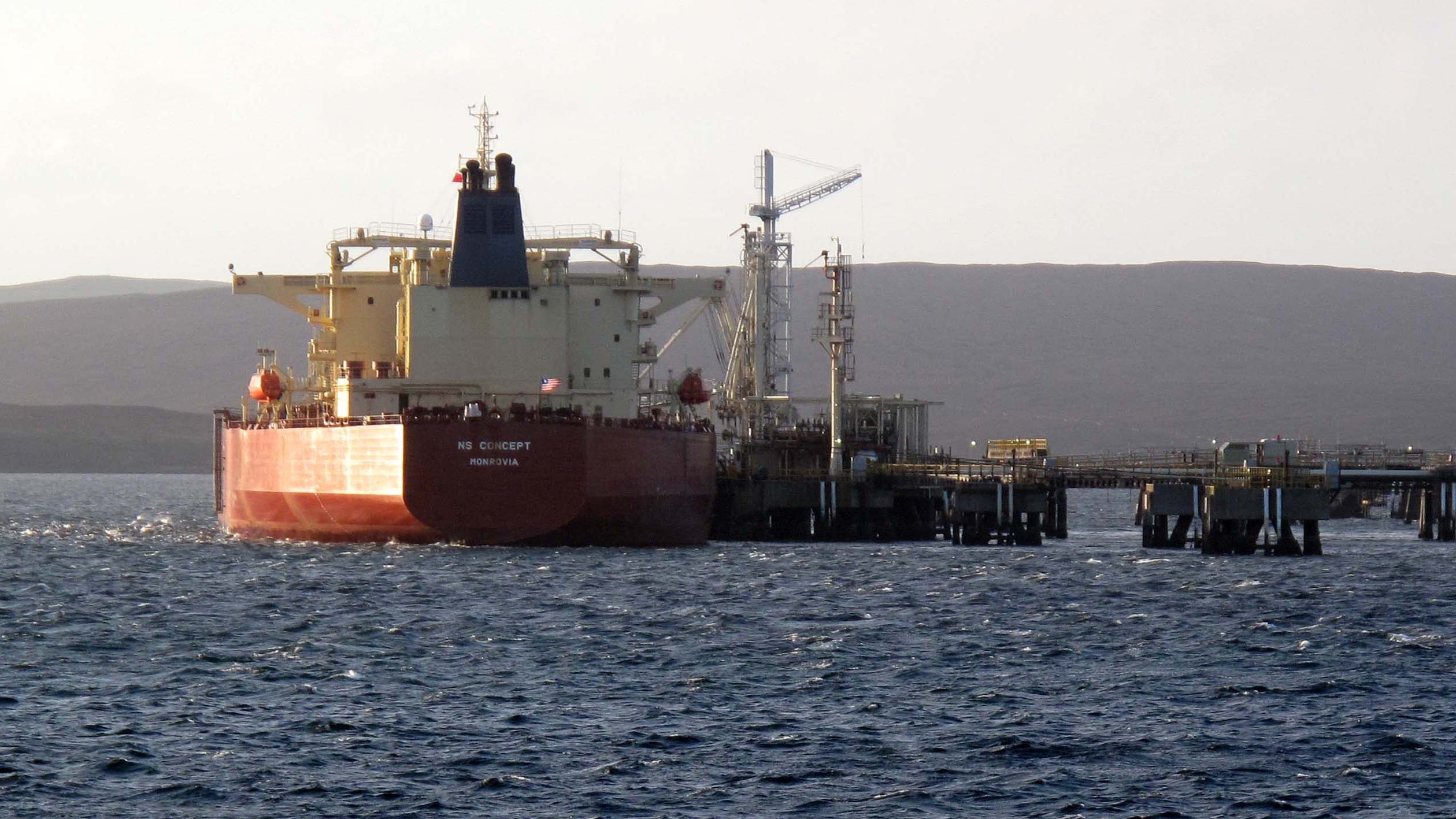
With safe passage through the Strait of Hormuz resuming, it appears that oil prices are falling back to pre-conflict levels.

Iran presents its own naval routes as the only acceptable ones, while its neighbours look on.
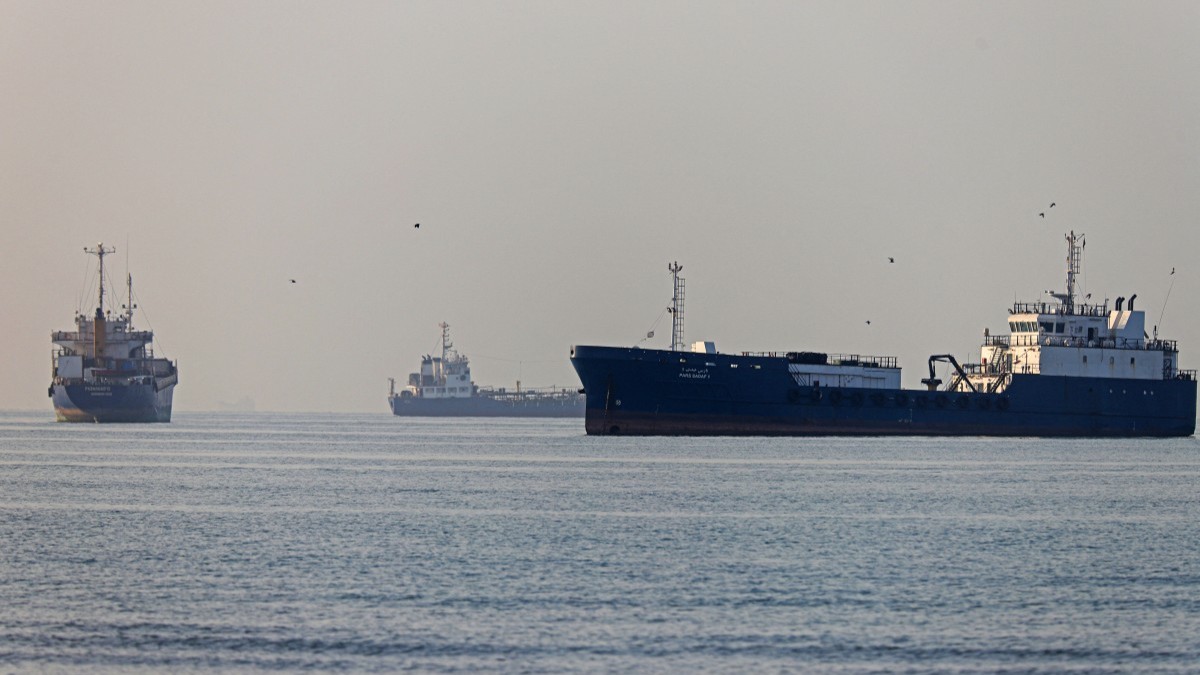
Oil prices tumble as Gulf shipping resumes after months of conflict.
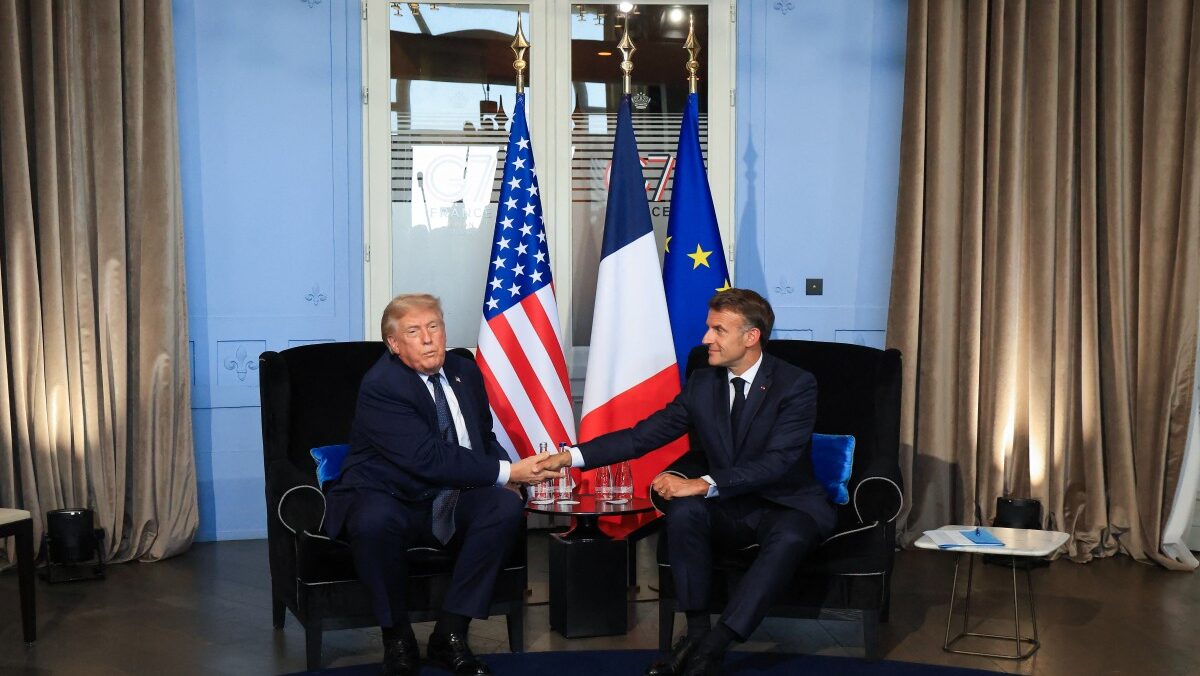
The White House’s message to G7 members in Évian is that war in the Middle East is over.
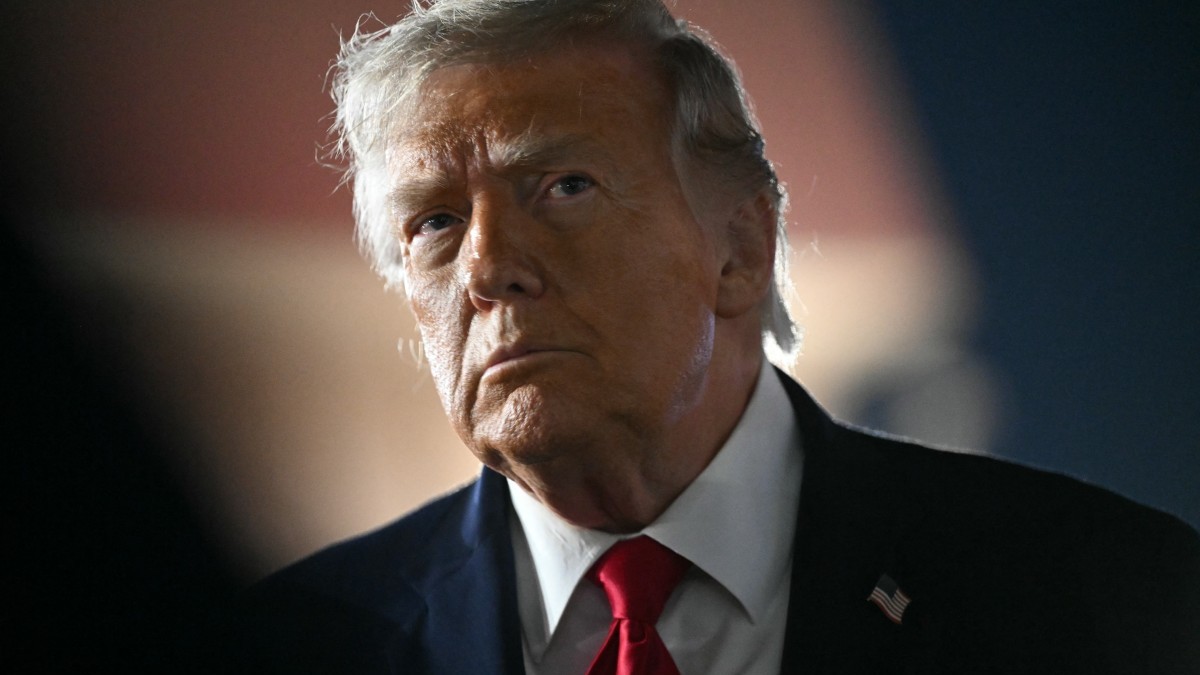
Trump ordered air strikes after a U.S. army helicopter was brought down, leading Tehran to retaliate.
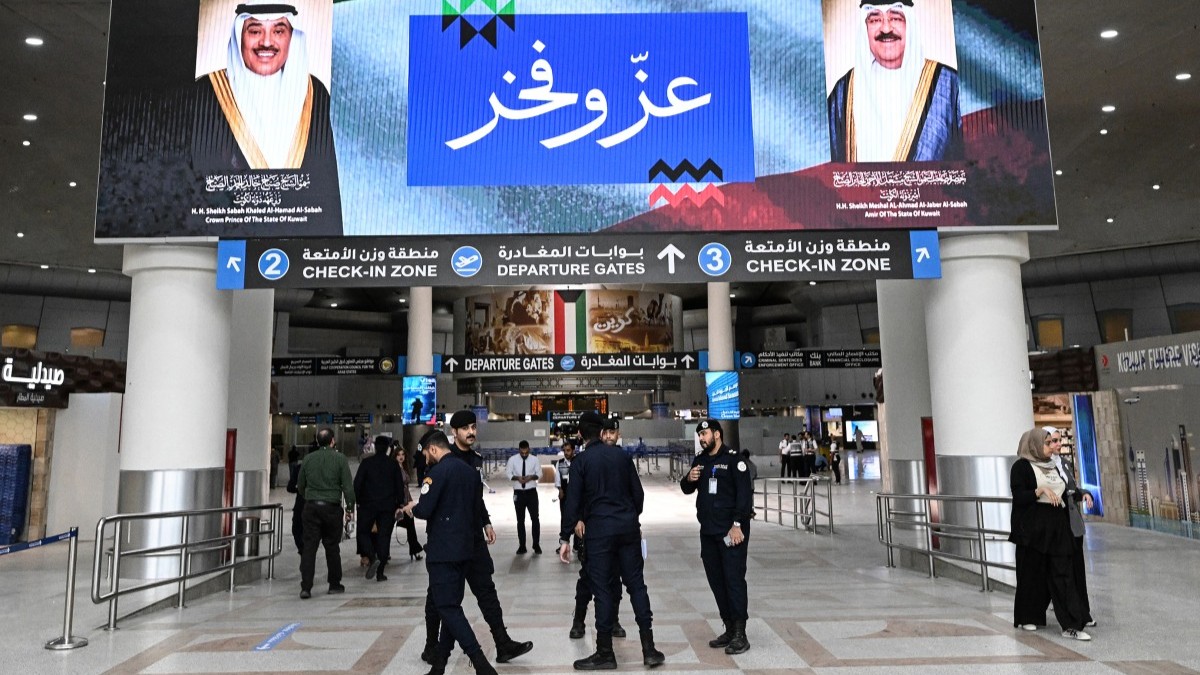
Multiple strikes launched by both sides with, among other sites, Kuwait International Airport and a Botswanan tanker hit.

Expert report flags up how war in the Persian Gulf is causing Beijing logistical headaches.

Official Tehran sources claim to have seen a draft memorandum of understanding with Washington which would stop the conflict between the two nations and reopen the Strait of Hormuz.