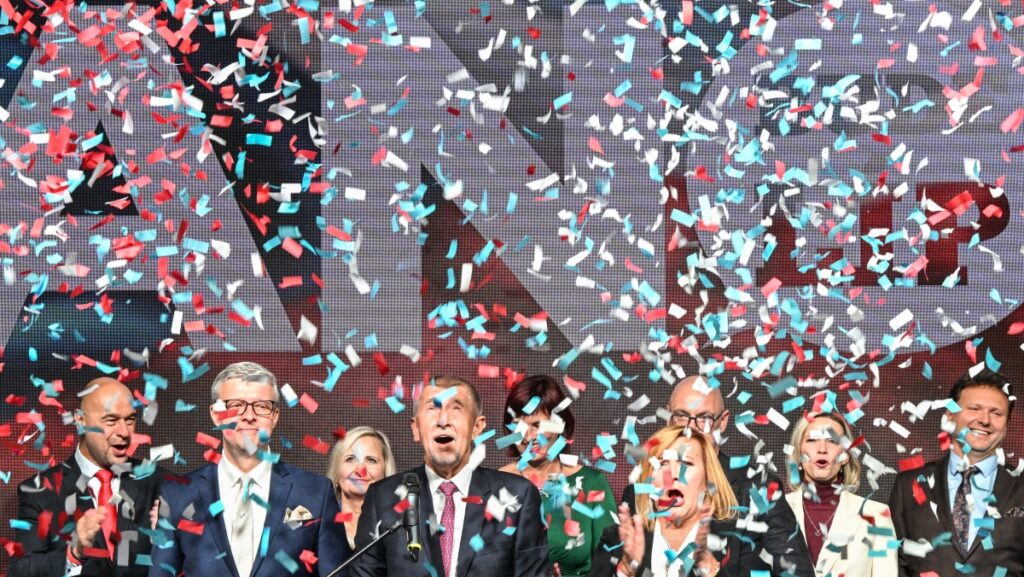
Andrej Babiš, leader of the ANO movement, and party members at the ANO headquarter on October 04, 2025 in Prague during the parliamentary elections.
Michal Cizek / AFP
For much of the past century, Central Europe struggled to make itself heard—it was a region defined less by what it had acquired than by what it had lost. Once a powerful center of influence under the double-headed eagle of the Habsburgs, the region was relegated in the twentieth century to the sorry position of being Europe’s fault line: first torn apart by the horrors of Nazism, then flattened by brutal Soviet domination, and subsequently integrated into a Brussels-based European Union in which silence was taken as consent and the will of nations too often crushed.
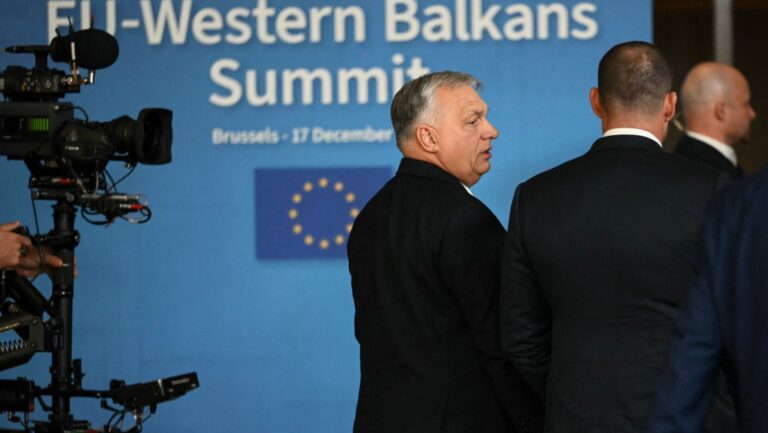
Following recent elections, that silence may have started to crack. With Andrej Babiš’ return to office in Czechia, Viktor Orbán’s courageous conservative government in Hungary, and Robert Fico’s election in Slovakia, there is now a distinct Central European bloc back on the stage. Their shared skepticism of deeper EU integration and their preference for diplomacy over more conflict when it comes to Ukraine have put them at odds with those Western capitals formerly in the business of speaking on behalf of all of Europe. Austria, too, can soon join this pro-peace, pro-sovereignty, pro-European revival bloc should the country’s Freedom Party continue its ascent.
It is difficult not to see the historical symbolism of it all. A little more than a hundred years after the dissolution of Austria-Hungary, all these former Habsburg realms are again going in the same direction. Their political cultures vary, and so do their domestic circumstances, but all three share the same fear: that the European project has lost touch and that Brussels is utterly at odds with its peoples’ best interest. Where integration may have been intended to bring security and common prosperity by subsidiarity and mutual respect, Central Europeans today see a machinery of domination increasingly removed from national control—and, indeed, more and more hostile to the peoples it ought to serve.
It is more than a revolt against Brussels. It is, also, a return to geopolitical consciousness. The lands between Vienna and the Carpathians long understood the dangers of their location between larger empires—initially Berlin and Moscow, now Moscow and Brussels. Their peoples’ call for restraint in the war to the east stems from a regional memory in which great-power wars are not just abstractions. They are repeated tragedies not easily forgotten by nations that suffered so much in the 20th century. To Hungary, Slovakia, and Czechia, the buzzwords of “European unity” ring thin if they risk leading the continent further into a war whose front is just so close to themselves.
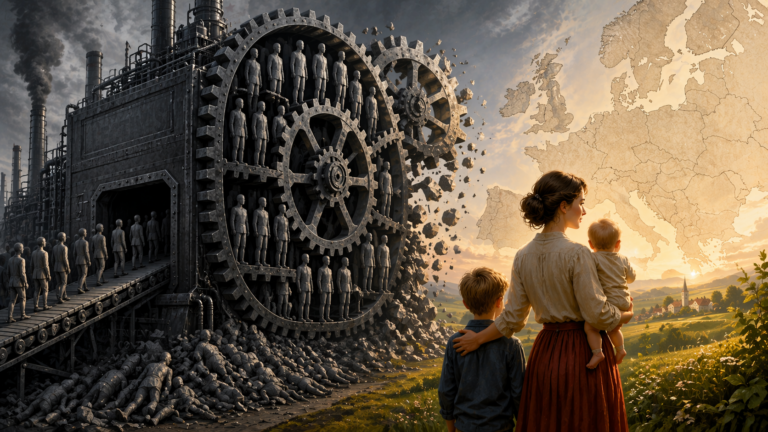
More than welcome, this sense of history and yearning for prudence is urgent. Misled by a class of inexperienced poseurs, our continent-home is teetering on the brink of disaster. A toxic mix of vapidity, fanaticism, and an ideological—globalist—disregard for the welfare of their nations and peoples has led the Brussels mandarinate to go further in its reckless war policy than any rational observer would have imagined. For years, their stubborn refusal to negotiate with the Russians has bred record-high energy prices for Europeans, mass deindustrialization, imploding global relevance for the continent, and untold miseries for the Ukrainian people. Drunk on hubris, they are still bent on further escalating the conflict, seeking to undermine U.S. President Donald Trump’s peace efforts and conspiring to keep the fires of war burning on. With Babiš back in power in Prague, the pro-war axis has lost one of its most important members—and the pro-peace coalition won a valuable friend. Indeed, the new PM has already announced his rejection of both further Czech support for the war and for Brussels’ extraordinarily irresponsible plans to have Ukraine join the EU.
The political earthquake in Prague will also make it immeasurably harder for Brussels to triumph in its designs to crush the broader pro-sovereignty Central European bloc. Before Babiš’ victory, the Commission had been hard at work to support a change of power in Budapest. Whether on migration, wokery, energy, or war, Viktor Orbán’s Hungary has for years stood almost alone in resisting the European suicide mandated by the delusional bureaucrats in Brussels. They have used almost everything at their disposal to prop up the pro-establishment Péter Magyar into power in Hungary’s upcoming 2026 general election, knowing that if Hungary can be tamed, Slovakia will be too tiny and weak to resist their pressure. Yet, now the conservative, patriotic revolt in Central Europe has grown larger and stronger rather than weaker. There will be much seething in Brussels after what happened in Prague. That is not because Europe lost the election—it is because Europe won.
Over a century ago, Emperor Karl of Austria-Hungary attempted to preserve Europe from further bloodletting in WW1 in the name of compromise and peace. His efforts were ultimately futile, submerged in the madness of that era. That the successor nations to his empire now again talk about prudence and restraint is a reminder as to how little the history of Central Europe has been learned—and how much its peoples deserve to be listened to today.