
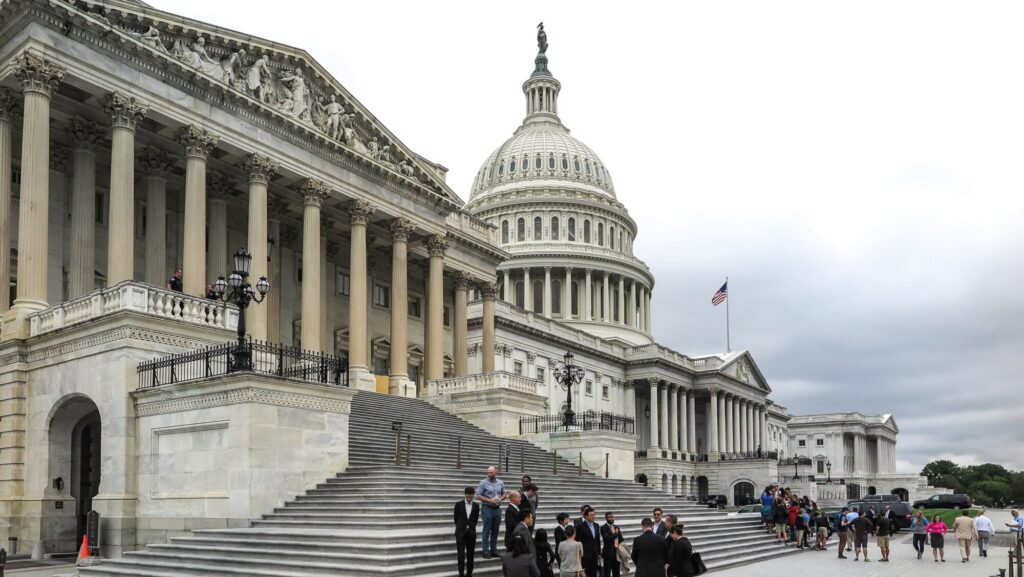
Euros & Dollars: How Big Is the American Government? Part I
More people than ever get their paycheck from taxpayers. At the same time, some numbers seem to suggest that the era of big government is over. How is this possible?

More people than ever get their paycheck from taxpayers. At the same time, some numbers seem to suggest that the era of big government is over. How is this possible?

Ursula von der Leyen is scrambling for enough votes in the Parliament for reelection, and she could also be excluded from the talks in the Council about her own position.

Snap election leaves all sides calculating how to form the next government amid suspicions Macron is playing a long game.
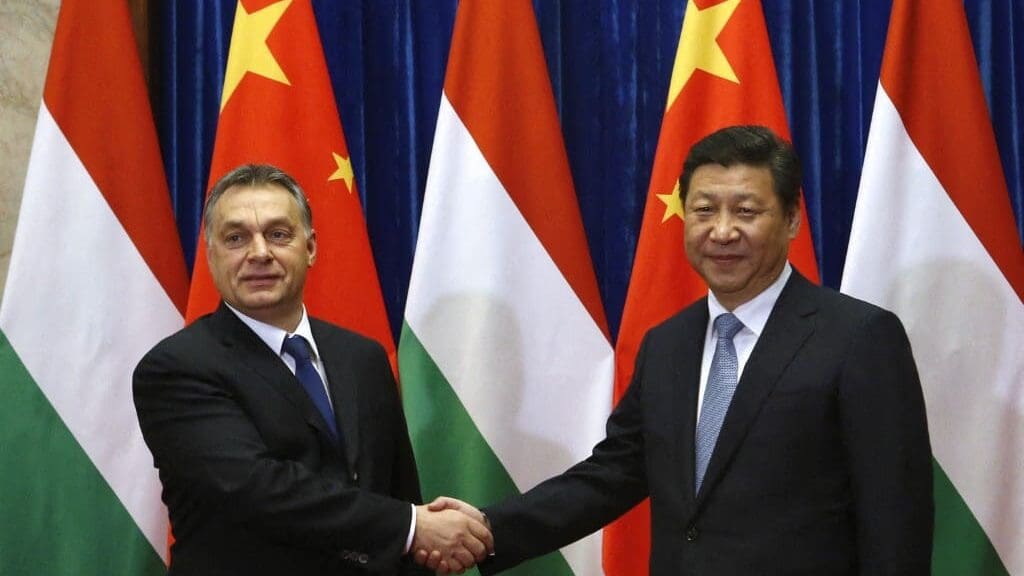
McConnell errs by assuming that Hungary can and should divorce its domestic interests from its foreign policy commitments.

For the first time since 1994, South Africa’s ANC does not have an absolute majority. What comes next will be an important test for the RSA.

There are signs that the policymakers at the ECB realize that this rate cut was not a very good idea.

China, which is a partner rather than an OECD member, has been allowed to block a wider role for Taiwan.

The skirmish between Prime Minister Sunak and Labour leader Starmer over health care funding reveals a deeply rooted structural flaw in the British economy.

Donald Tusk’s government is like the “extended arm” of the European Union, conservative Polish journalist says.

For two major reasons, you should plan your personal finances on the premise that interest rates will remain high for the long haul.

NATO is a defense insurance program. What happens to your insurance policy when you don’t pay your monthly premium?

Whatever—or whoever—caused Navalny’s death, it is a clear signal to the world that Russia’s leader will not tolerate internal opposition.

The Left won’t forgive the media outlet for its decisive role in the development of Éric Zemmour’s political persona—and success.
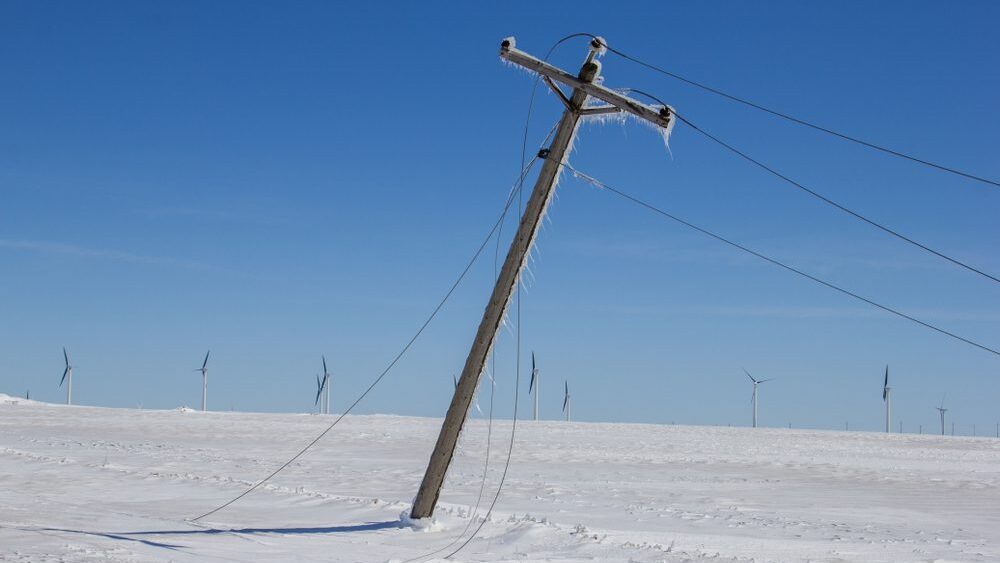
With facts and logic speaking against the green transition, countries headed for an economic recession should urgently rethink their energy policies.
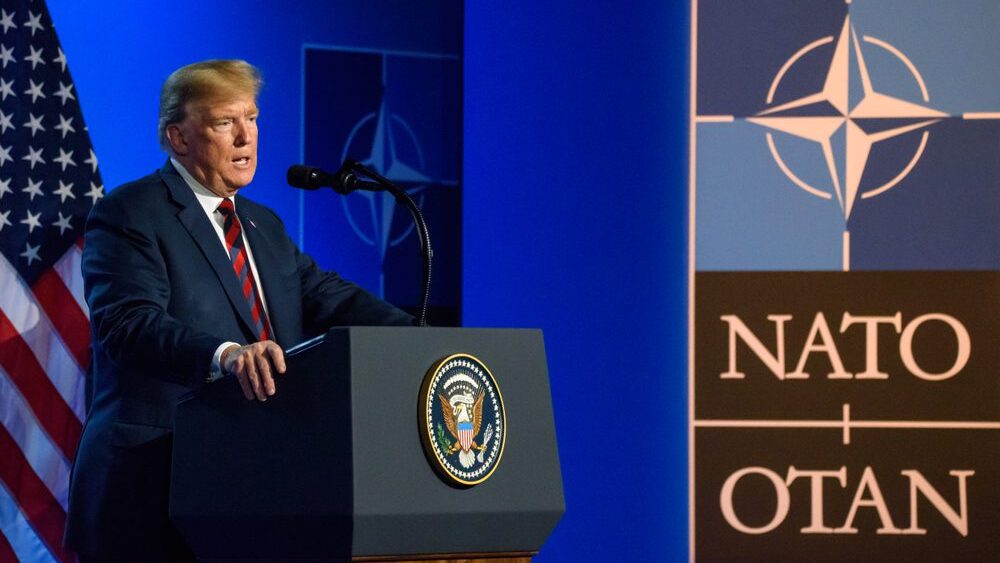
Anyone proposing more U.S. defense spending with borrowed money should consider what happens when increasingly uneasy investors have had enough of U.S. debt.

A review of the past 60 years of inflation and monetary policy shows why the Fed must be conservative as it considers rate cuts later this year.

Low inflation and rising unemployment suggest that the ECB will soon abandon its tight monetary policy.
The system that is used to measure a nation’s economy is so complex that it would take a group of national-accounts experts to even attempt to forge the data.
There are two quiet trends at work in the market for U.S. debt that analysts normally do not pay attention to. They should: if these trends continue, there will be turmoil in the market.
There is a big need for structural reforms to the Slovakian welfare state. Such reforms require a level of political leadership that Europe so far has only seen in Hungary.

Questions have been raised about the veracity of the IMF report showing Russian economy outperforming the West. But it is extremely difficult to falsify GDP data.
Despite differences in inflation rates and macroeconomic trends, many central banks make their policy decisions based on what the Federal Reserve does.