

Euros & Dollars: EU Interest Rates Rise at a Bad Time
European interest rates rise and fall closely with American rates. This can be good for Europe, but it can also be bad, especially if America is hit by a fiscal crisis.

European interest rates rise and fall closely with American rates. This can be good for Europe, but it can also be bad, especially if America is hit by a fiscal crisis.

François-Xavier Bellamy’s position is difficult to defend since his party belongs to the EPP group whose positions are often at odds with his own.
After months of falling, U.S. interest rates are rising again. There is no apparent economic reason for this, which suggests that investors are worried about government solvency.
The EU’s new fiscal rules are supposed to solve the problem with member state budget deficits. But so far, neither the European Parliament nor the European Council has addressed the two biggest problems with their reform efforts.

The U.S. central bank is predicting an economic slowdown, but their numbers are only preliminary. Here is what data to look for in the coming weeks to see if they are correct.
The British economy has stopped growing. Despite Remainers’ claims, Brexit is not to blame.

With their economy in a recession, the Bundestag may be forced to subject the Germans to harsh austerity policies, whether they want it or not.
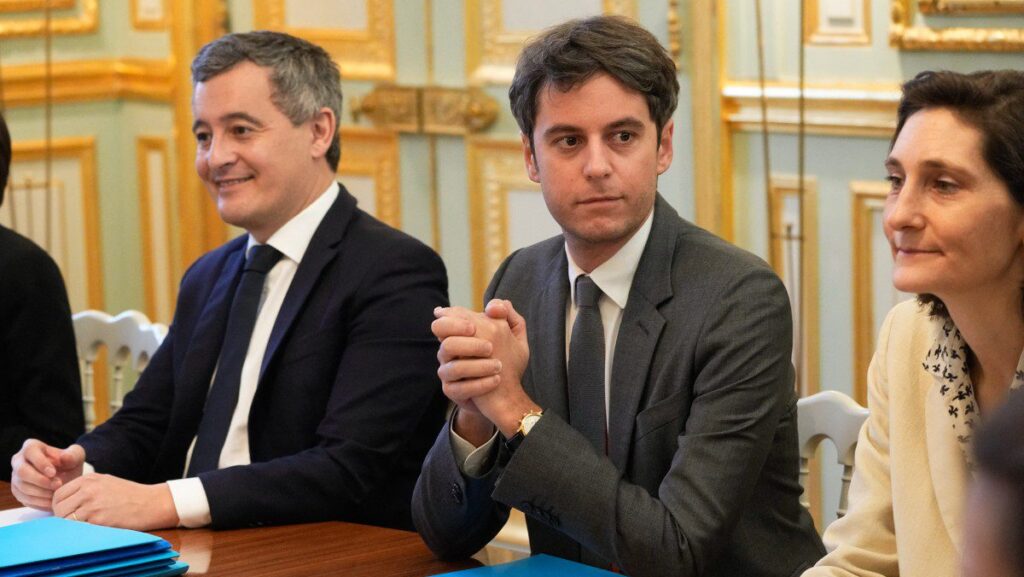
Nothing’s new in Macron’s world: lack of ideological consistency and mediocre political coups.
This week, the media made a big deal out of the December numbers on U.S. inflation. There was no reason for that.
The U.S. government now borrows 35 cents of every dollar it spends. Congress, meanwhile, is busy trying to keep the offices of the federal government open.

Regional elections in May signalled a deep concern in Spanish society about not only the social policies of Sánchez’s government but also its authoritarian slide.
A euro-zone membership would put Sweden on a fast track to a fiscal crisis like the one in the 1990s. That would be bad: the country cannot absorb the fallout from repeating its disastrous mistakes from back then.
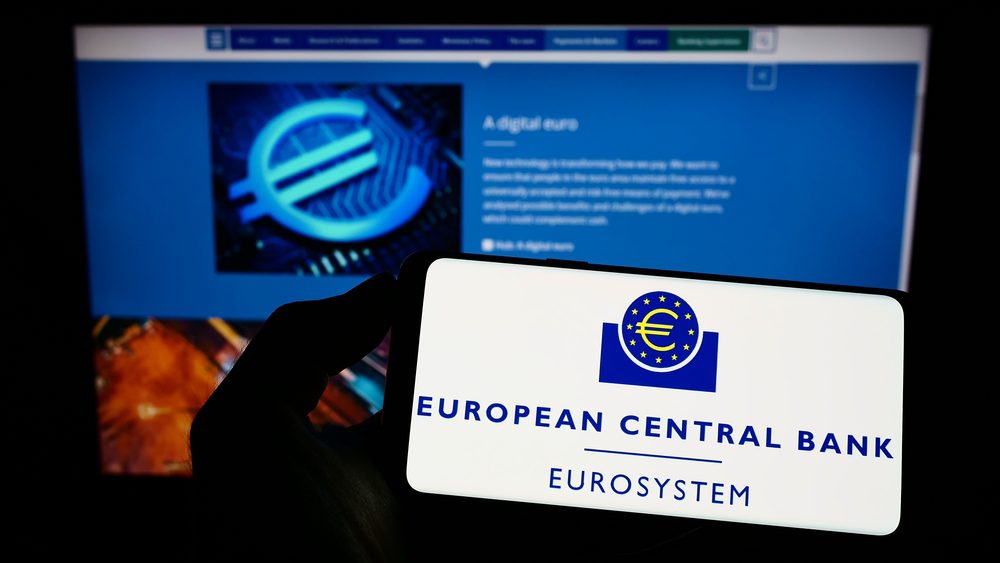
Christine Lagarde, ECB president, opined that even small transactions using the digital euro should be subject to control.

How long can the South American nation withstand the onslaught from Washington and Brussels?

If Sweden were to join the euro, its economy would be less unstable, but more stagnant. The situation for Swedish households and domestic-oriented businesses would go from bad to worse.

The Act addresses the question of who owns and has the right to store and make use of non-personal digital data produced in the Internet of Things (IoT), and to the massive windfall such data can represent for industry.

Mercosur members agree on rejecting the EU’s environmental conditions, but are divided on allowing members to negotiate bilaterally to open up their market, as Uruguay is trying to do.

After six nights of rioting, it would appear that the movement is ebbing slightly. But this apparent return to calm should in no way be seen as a victory because, as in 2005, the fundamental problem still remains.
The Greek economy was almost destroyed because politicians prioritized the Greek budget deficit over the Greek economy, and because economists at the IMF were not properly educated.

The Greek economic disaster a decade ago was totally preventable. It was inflicted upon Greece by arrogant politicians and incompetent economists. If we learn its lesson, we can avoid similar disasters when Europe enters its next recession.

The rise of AfD to record highs of almost 20% has alarmed the established parties. In particular, the CDU is under pressure. Will AfD be able to enter East German governments for the first time?

A review of the economies of each of the 27 EU member states.