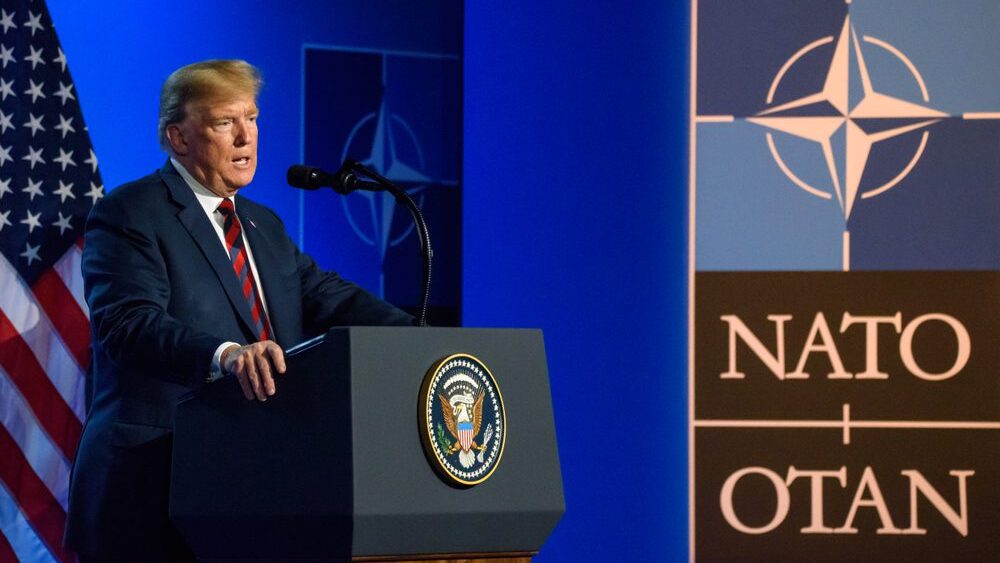
Euros & Dollars: Trump, NATO, and Budget Deficits
Anyone proposing more U.S. defense spending with borrowed money should consider what happens when increasingly uneasy investors have had enough of U.S. debt.



America is not in a recession. But is one coming? We have the answer.

Regional elections in May signalled a deep concern in Spanish society about not only the social policies of Sánchez’s government but also its authoritarian slide.
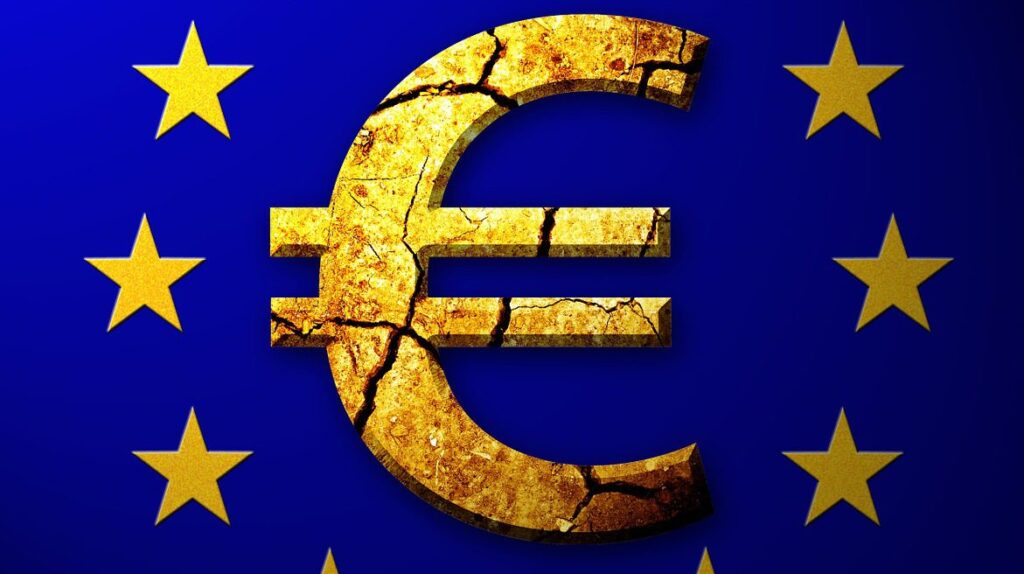
A euro-zone membership would put Sweden on a fast track to a fiscal crisis like the one in the 1990s. That would be bad: the country cannot absorb the fallout from repeating its disastrous mistakes from back then.

Christine Lagarde, ECB president, opined that even small transactions using the digital euro should be subject to control.

How long can the South American nation withstand the onslaught from Washington and Brussels?

If Sweden were to join the euro, its economy would be less unstable, but more stagnant. The situation for Swedish households and domestic-oriented businesses would go from bad to worse.

The Act addresses the question of who owns and has the right to store and make use of non-personal digital data produced in the Internet of Things (IoT), and to the massive windfall such data can represent for industry.

Mercosur members agree on rejecting the EU’s environmental conditions, but are divided on allowing members to negotiate bilaterally to open up their market, as Uruguay is trying to do.

After six nights of rioting, it would appear that the movement is ebbing slightly. But this apparent return to calm should in no way be seen as a victory because, as in 2005, the fundamental problem still remains.
The Greek economy was almost destroyed because politicians prioritized the Greek budget deficit over the Greek economy, and because economists at the IMF were not properly educated.

The Greek economic disaster a decade ago was totally preventable. It was inflicted upon Greece by arrogant politicians and incompetent economists. If we learn its lesson, we can avoid similar disasters when Europe enters its next recession.

The rise of AfD to record highs of almost 20% has alarmed the established parties. In particular, the CDU is under pressure. Will AfD be able to enter East German governments for the first time?