

The New French Government: A Mixture of Bad Political Calculations
Nothing’s new in Macron’s world: lack of ideological consistency and mediocre political coups.

Nothing’s new in Macron’s world: lack of ideological consistency and mediocre political coups.
This week, the media made a big deal out of the December numbers on U.S. inflation. There was no reason for that.
The U.S. government now borrows 35 cents of every dollar it spends. Congress, meanwhile, is busy trying to keep the offices of the federal government open.

The EU hints that it wants to get involved in health care funding. If it does, it could disrupt national health care models and grow government at the expense of other ways to pay for medical services.

The U.S. government just revised its jobs numbers for 2023. Why did they do it? Is it all a big Biden conspiracy?

In a nefarious attempt to grab power, the EU keeps pushing for its own tax revenue—and to be allowed to spend a lot more money.

In the cacophony of EU criticism, it is easy to forget that Hungary is one of Europe’s most enduring economic success stories. The unfolding recession has not changed that.

Here is why the seven EU member states who still have their own currency should stay out of the euro zone.

Next year is shaping up to be tough, both for the euro zone and European countries outside of it. How bad will the recession be? Our forecast goes beyond conventional economic wisdom to find out.

The U.S. Congress must make a choice—and make it now. Do they want to play fiscal defense and let the debt grow? Or do they want to play fiscal offense and solve the problem for good?
If neither wages nor energy prices can explain why the ECB is right in being concerned about persistent inflation, then what can explain it? There is a candidate that nobody wants to talk about: taxes.

We will only get one chance to save America from the abyss of a debt crisis. Let us make sure we get it right on day one.
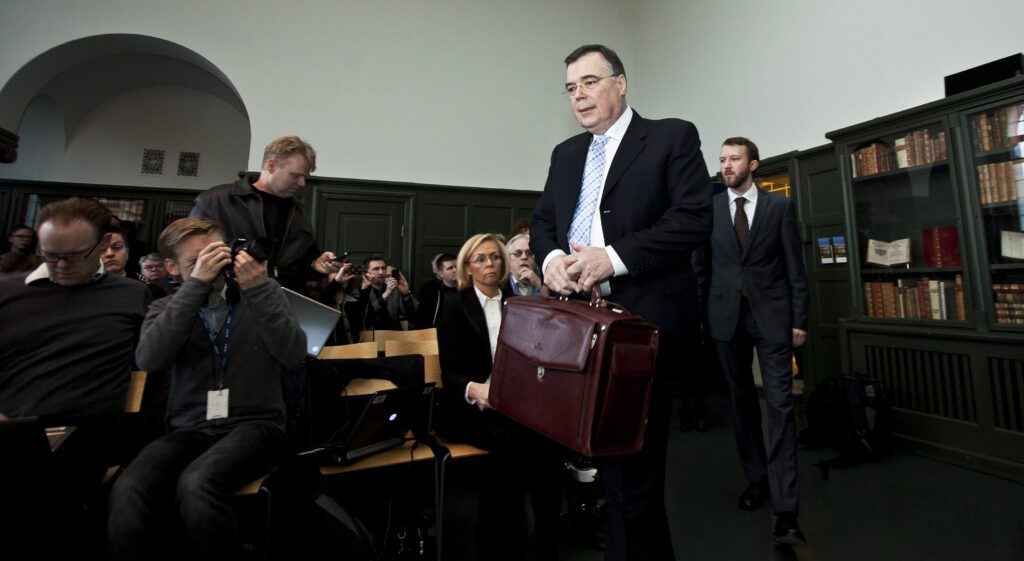
In Part II of this series, Hannes Gissurarson lays out the case that Geir Haarde was unfairly singled out and blamed for the bank collapse in a flawed and biased process.
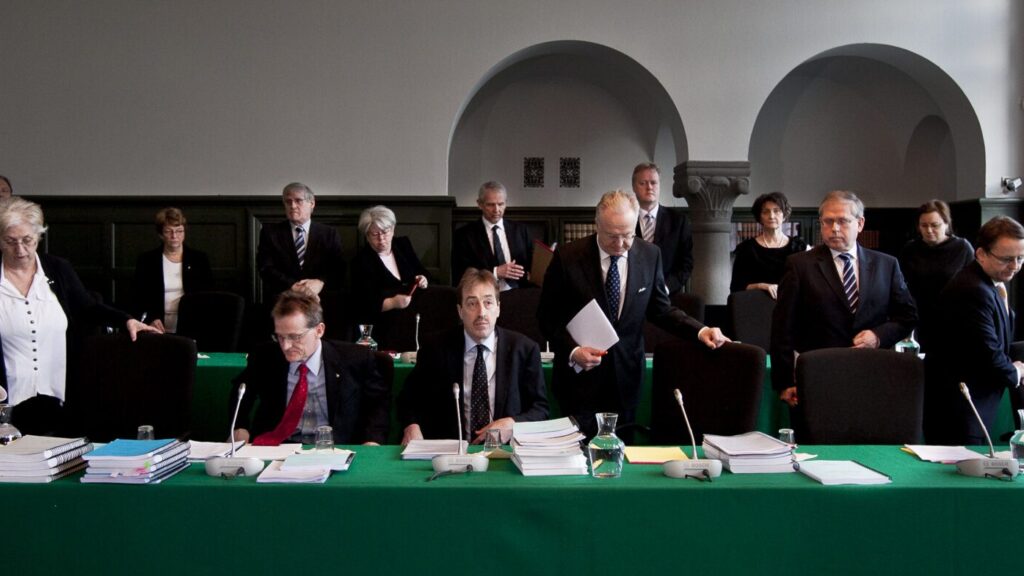
Hannes H. Gissurarson argues that the whole impeachment process was unjust and that Geir Haarde’s conviction on a fairly trivial charge was legally groundless.
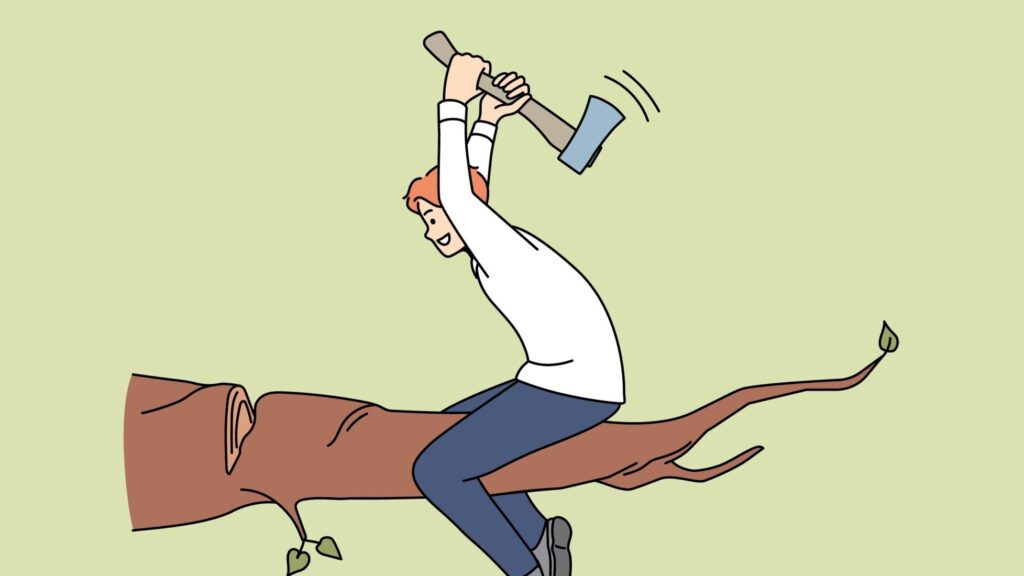
The overall trend in the European economy points in the wrong direction. Therefore, it is a very bad idea to raise any taxes in the EU. It does not matter that the taxes the EU has proposed will fail to generate the revenue that the MEP tax grabbers are hoping for.

Jamie Dimon, the CEO of J.P. Morgan Chase, the U.S.’s largest bank, has suggested that in order to allow Green Energy to develop properly, the government may need to seize private property.
Politicians are known for two things: they never do what they should, and they always do what they shouldn’t. First, they do not prevent a debt crisis, then they aggravate it.

France is at a fork in the road, where her political leaders have shrinking maneuverability, where they are running out of time, and where they cannot afford to repeat the mistakes of the past.

Democrats and Republicans are bickering over the debt ceiling. They will reach an agreement before the June 1st “default” date, but it will only be a stopgap measure. At some point, Congress will face such high costs for its debt that not even the most optimistic investors can trust the U.S. Treasury any longer.

While the stars are lining up for another fiscal crisis in Europe, the ECB’s chief economist fails to even mention the threat. Is the ECB ignorant on what is coming down the pike?
The downgrade by Fitch is a slap in the face for the French government, and especially for Emmanuel Macron.

The official story is that the U.S. economy grew by 1.1% in the first quarter. This number is heavily modified and tells us nothing. We have the real numbers.