
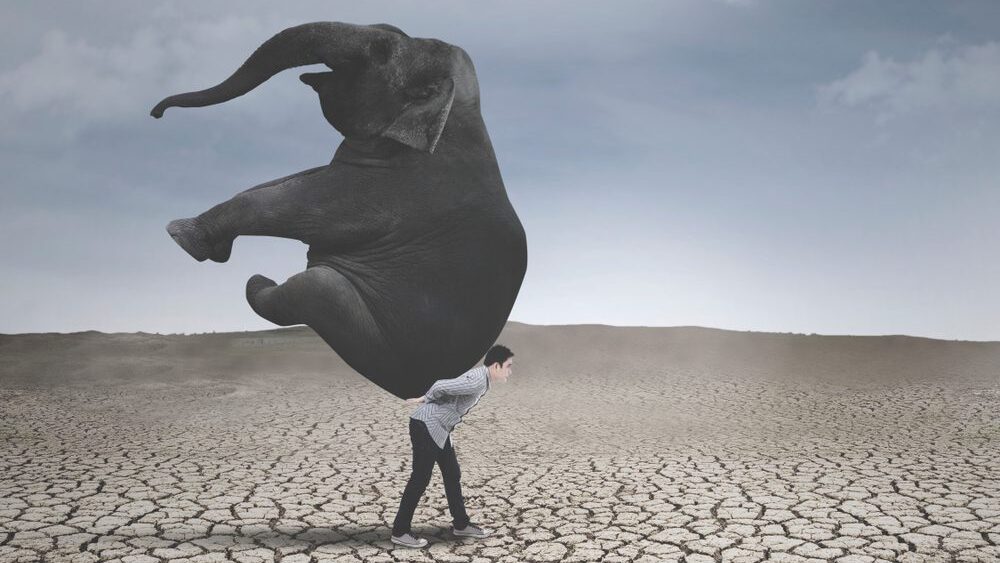
Euros & Dollars: Government Causes Finnish Economic Stagnation
Finnish unions threaten to strike in February over government cuts to social benefits. They forget the massive, destructive government growth that took place 15 years ago.

Finnish unions threaten to strike in February over government cuts to social benefits. They forget the massive, destructive government growth that took place 15 years ago.
The ECB chief just ruled out raising interest rates. This is a big mistake that can cost the euro zone dearly in the coming recession.

European interest rates rise and fall closely with American rates. This can be good for Europe, but it can also be bad, especially if America is hit by a fiscal crisis.

François-Xavier Bellamy’s position is difficult to defend since his party belongs to the EPP group whose positions are often at odds with his own.

After months of falling, U.S. interest rates are rising again. There is no apparent economic reason for this, which suggests that investors are worried about government solvency.

The EU’s new fiscal rules are supposed to solve the problem with member state budget deficits. But so far, neither the European Parliament nor the European Council has addressed the two biggest problems with their reform efforts.

The U.S. central bank is predicting an economic slowdown, but their numbers are only preliminary. Here is what data to look for in the coming weeks to see if they are correct.
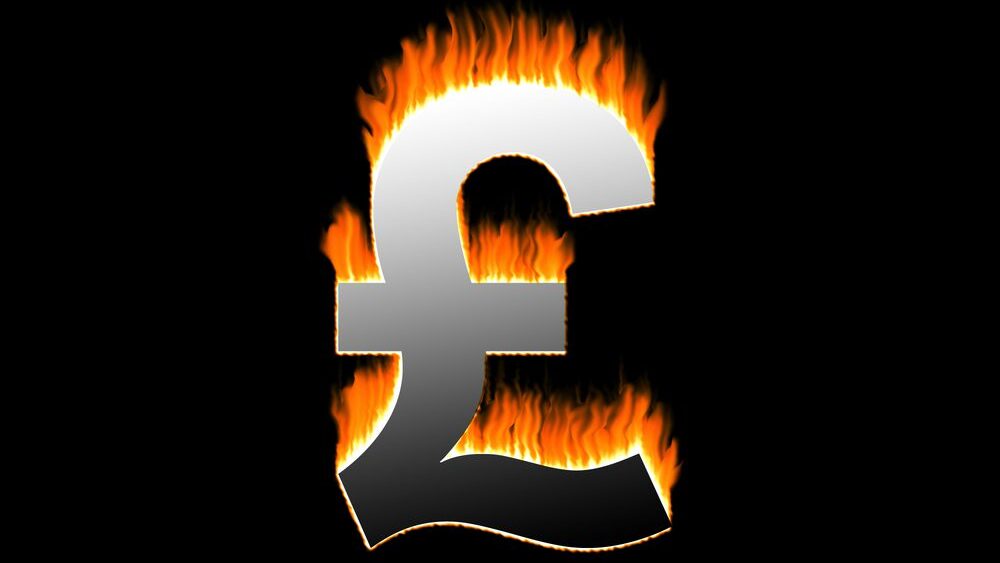
The British economy has stopped growing. Despite Remainers’ claims, Brexit is not to blame.

With their economy in a recession, the Bundestag may be forced to subject the Germans to harsh austerity policies, whether they want it or not.

Nothing’s new in Macron’s world: lack of ideological consistency and mediocre political coups.

It is dubious that Spain’s likely PP-led government will allow VOX to steer it away from its commitments to the UN’s 2030 Agenda, or away from acting like a slightly less ‘woke’ PSOE.

As farmers lead backlash against environmental regulations, the political Right is poised to capture their vote.

Little did we know that, by 2020, the pandemic was almost two decades in the making. The Sunday Times’ investigative report tells an incredible tale of American money, Chinese secrecy, and unrestrained human hubris.

There was a lot of media attention recently to Germany being in a recession. The only problem is that those who said so, were wrong. Here is why.

How is NATO going to respond to the problem with its rapidly depleting stockpiles of military hardware? They can’t spend more money.

Judging from the comments by central bank president György Matolcsy, Hungary could join the euro in 2030 or soon thereafter. Would such a membership be good for Hungary?

There are those who want to force humanity into ‘degrowth.’ That is a dangerous path to go down, and it is unnecessary. Our capitalist economy is becoming more and more efficient over time. In short, it is doing more with less.

Can the U.S. government and its allies prevent a determined group of countries from de-dollarizing and significantly hurting the U.S. economy in the process? How would de-dollarization be affected if the unthinkable happens and Russia wins in Ukraine?

The new debt-ceiling deal has its merits, but it also kicks the big spending reform can down the road. It also ignores the broader threat to the U.S. economy: de-dollarization. On that front, there is one event that could end dollar hegemony with one stroke of the pen.

Les Républicains wants to appear to be in tune with the state of French public opinion, which demands rigour and firmness in the management of immigration.

In 2022, a decade after Geir Haarde’s impeachment trial, Iceland is again amongst the most prosperous and peaceful countries in the world.
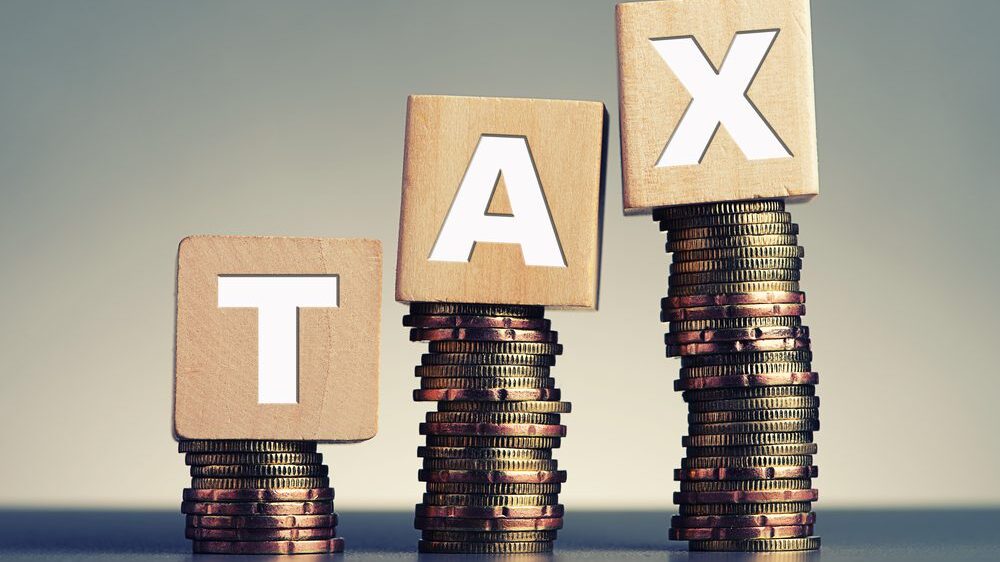
If neither wages nor energy prices can explain why the ECB is right in being concerned about persistent inflation, then what can explain it? There is a candidate that nobody wants to talk about: taxes.