

Euros & Dollars: Fiscal Muscles for Brussels, Part I
In a nefarious attempt to grab power, the EU keeps pushing for its own tax revenue—and to be allowed to spend a lot more money.

In a nefarious attempt to grab power, the EU keeps pushing for its own tax revenue—and to be allowed to spend a lot more money.

In the cacophony of EU criticism, it is easy to forget that Hungary is one of Europe’s most enduring economic success stories. The unfolding recession has not changed that.

Here is why the seven EU member states who still have their own currency should stay out of the euro zone.
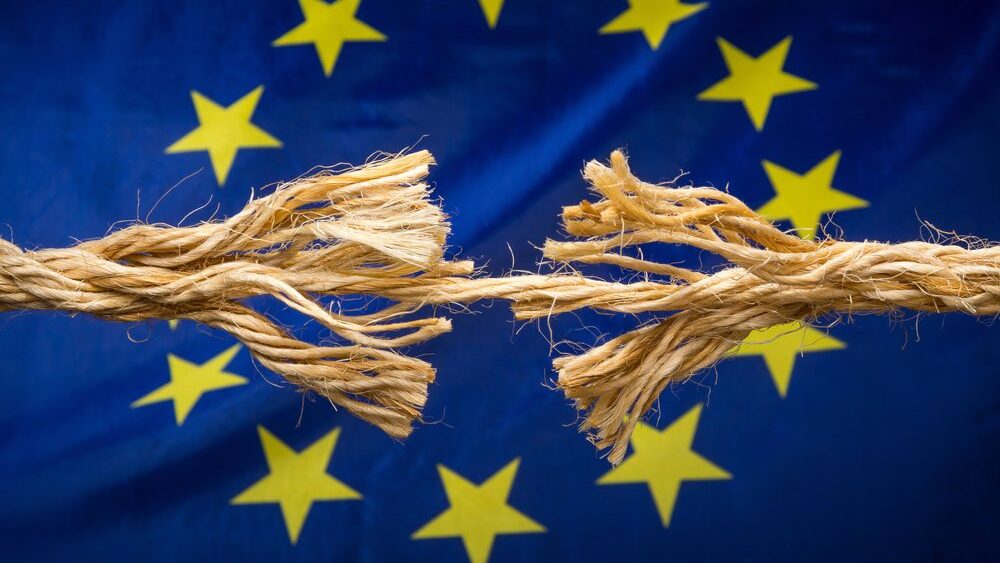
Next year is shaping up to be tough, both for the euro zone and European countries outside of it. How bad will the recession be? Our forecast goes beyond conventional economic wisdom to find out.

The U.S. Congress must make a choice—and make it now. Do they want to play fiscal defense and let the debt grow? Or do they want to play fiscal offense and solve the problem for good?

What can the past 20 years tell us about Europe’s economic future?

The growth in debt will only stop when the U.S. government is struck by a real fiscal crisis. Nothing else will work.

We must refute the myth that Muslim-occupied medieval Spain was a bastion of peace and multiculturalism.

Violence and death threats against teachers refute the myth of schools as sanctuaries.
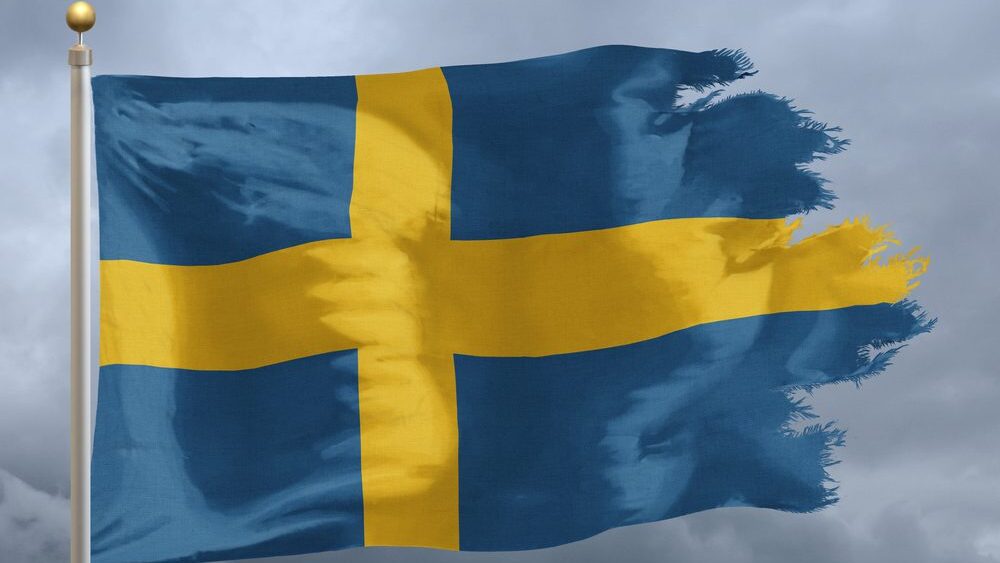
Past Swedish governments have had a penchant for driving up inflation with tax hikes; will Prime Minister Ulf Kristersson’s government make better policy decisions?
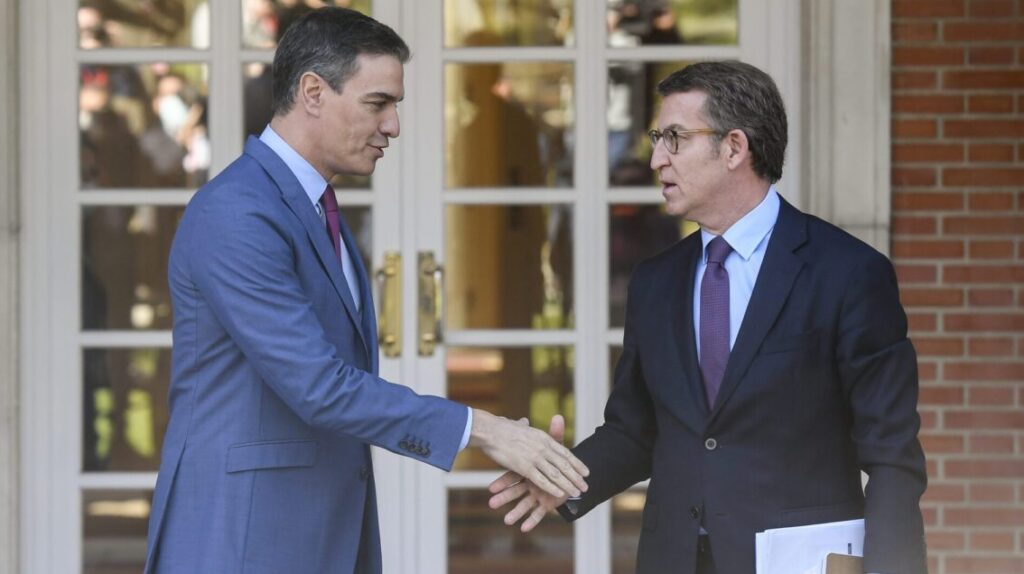
It is dubious that Spain’s likely PP-led government will allow VOX to steer it away from its commitments to the UN’s 2030 Agenda, or away from acting like a slightly less ‘woke’ PSOE.

As farmers lead backlash against environmental regulations, the political Right is poised to capture their vote.

Little did we know that, by 2020, the pandemic was almost two decades in the making. The Sunday Times’ investigative report tells an incredible tale of American money, Chinese secrecy, and unrestrained human hubris.

There was a lot of media attention recently to Germany being in a recession. The only problem is that those who said so, were wrong. Here is why.

How is NATO going to respond to the problem with its rapidly depleting stockpiles of military hardware? They can’t spend more money.
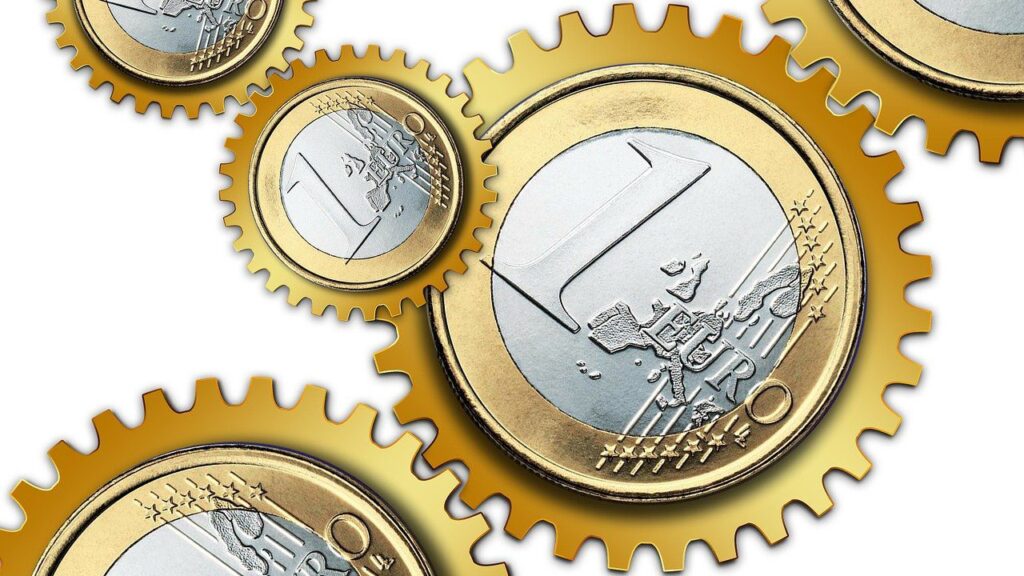
Judging from the comments by central bank president György Matolcsy, Hungary could join the euro in 2030 or soon thereafter. Would such a membership be good for Hungary?

There are those who want to force humanity into ‘degrowth.’ That is a dangerous path to go down, and it is unnecessary. Our capitalist economy is becoming more and more efficient over time. In short, it is doing more with less.

Can the U.S. government and its allies prevent a determined group of countries from de-dollarizing and significantly hurting the U.S. economy in the process? How would de-dollarization be affected if the unthinkable happens and Russia wins in Ukraine?

The new debt-ceiling deal has its merits, but it also kicks the big spending reform can down the road. It also ignores the broader threat to the U.S. economy: de-dollarization. On that front, there is one event that could end dollar hegemony with one stroke of the pen.
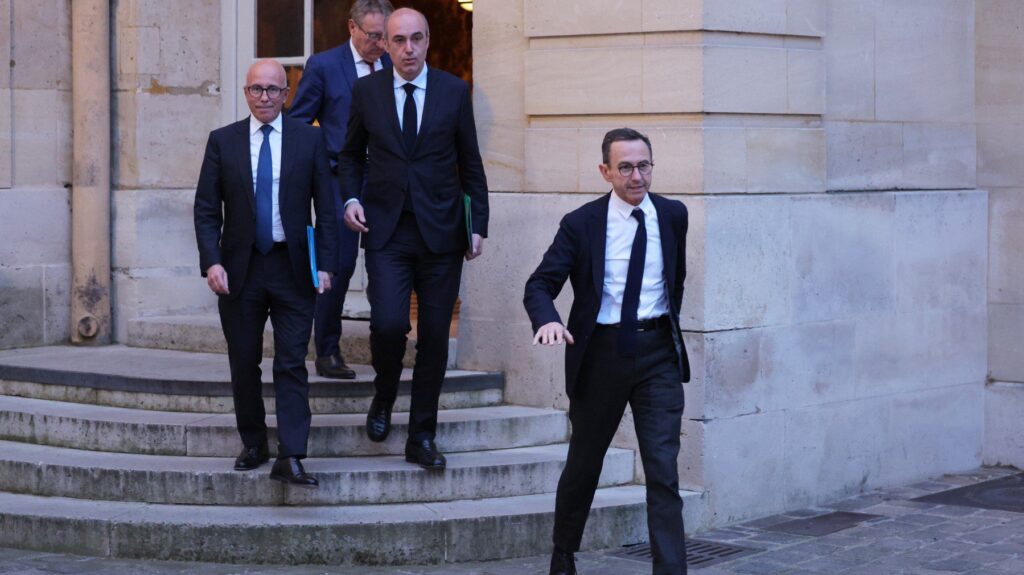
Les Républicains wants to appear to be in tune with the state of French public opinion, which demands rigour and firmness in the management of immigration.

In 2022, a decade after Geir Haarde’s impeachment trial, Iceland is again amongst the most prosperous and peaceful countries in the world.
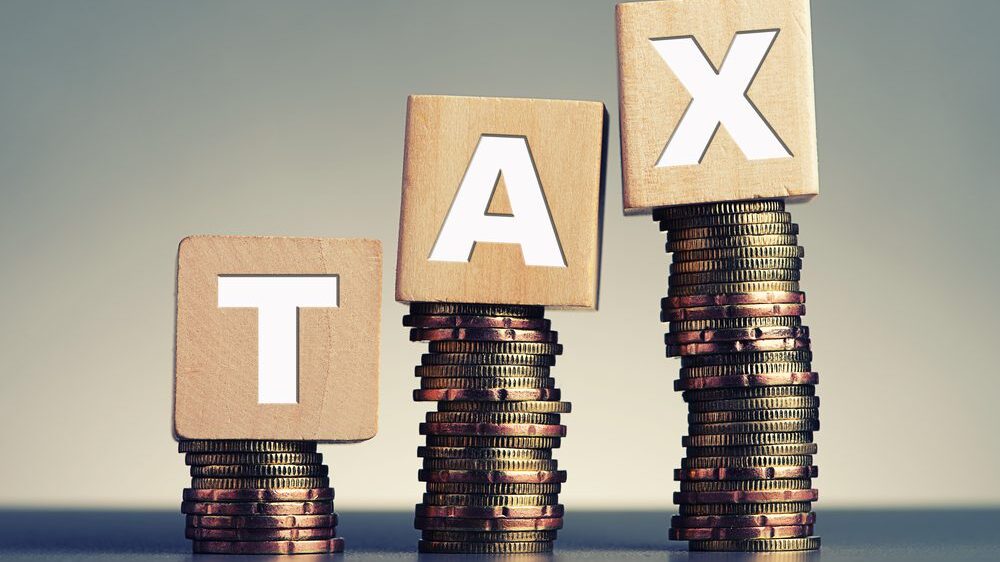
If neither wages nor energy prices can explain why the ECB is right in being concerned about persistent inflation, then what can explain it? There is a candidate that nobody wants to talk about: taxes.