Discovering Chartreuse Elixir: A Very Spiritual Spirit
There is something rather mysterious about the aura surrounding this green bottle, crafted in silence by the monks.


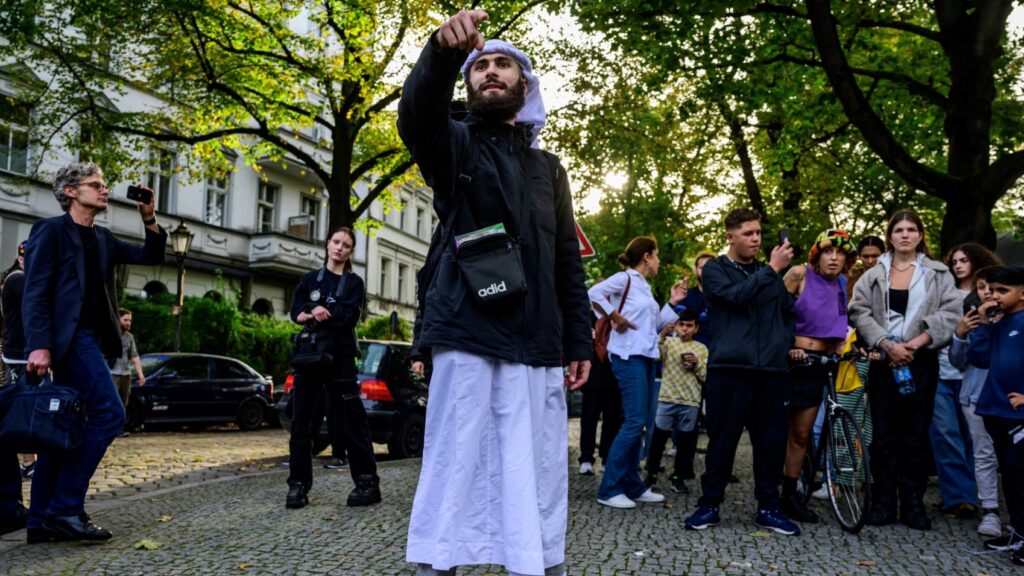
The last thing Berlin needs is a day against Islamophobia—what it does need is better politicians.

The rejection of the Scottish assisted suicide bill comes after cautionary tales from Canada, which is on track for 100,000 euthanasia deaths by this summer.

In pre-election polling, disgruntled voters penalize major parties whose ideological positions appear blurred or inconsistent.

Remove cash from the system, and every economic interaction becomes visible to some authority somewhere, whether in one’s own country or somewhere else.

The Spanish PM’s shift to the left could foreshadow the path that socialism—or the social-democratic Left—across the West will follow, or is already following.
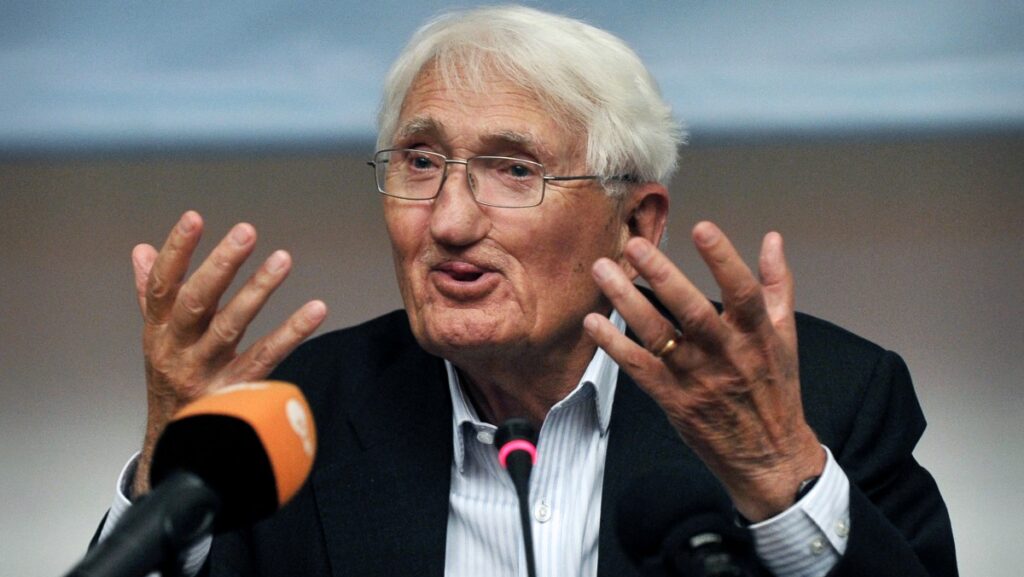
Habermas does not teach conservatives how to shout down the Left. He teaches them how to make the Left answer.

The existence of ISIS sleeper cells and other jihadist groups remains a major national security threat that European governments must no longer ignore.

If Europe is to resemble something worthy of its name, things certainly will have to change.
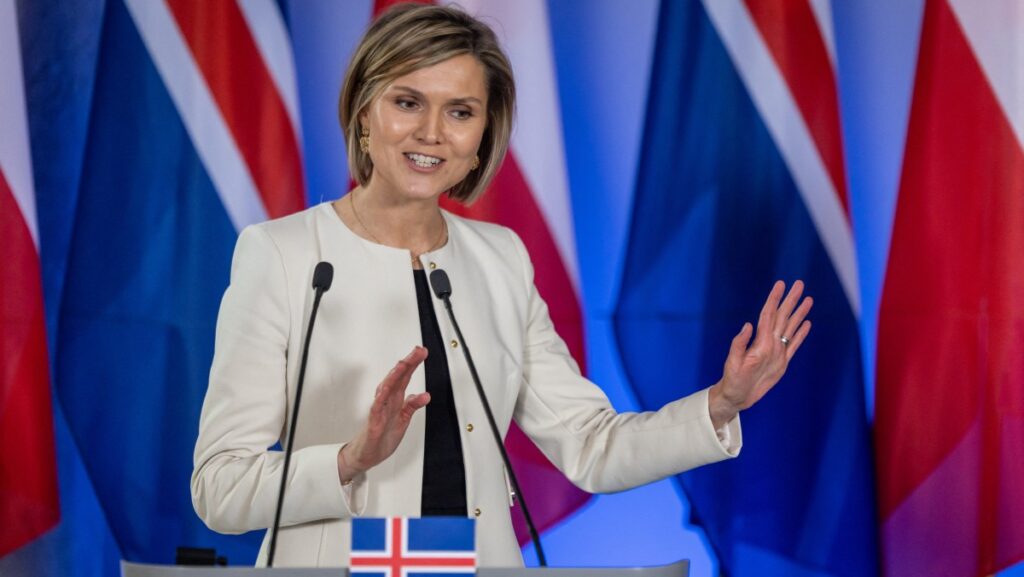
Vilifying masculinity and traditional masculine qualities leaves a vacuum that women are physically and mentally incapable of filling.
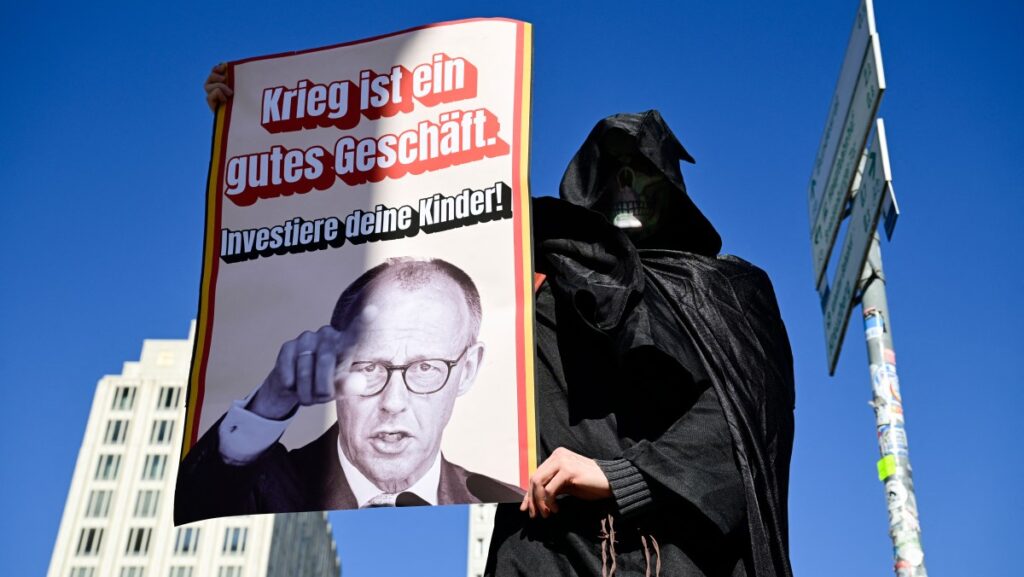
Over decades, Germany’s political elites have systematically undermined the very values that might inspire citizens to feel a stake in their country’s defence.

A statement by the Romanian president reveals how Ukraine’s political pressure on Hungary is finding allies inside the European Union.
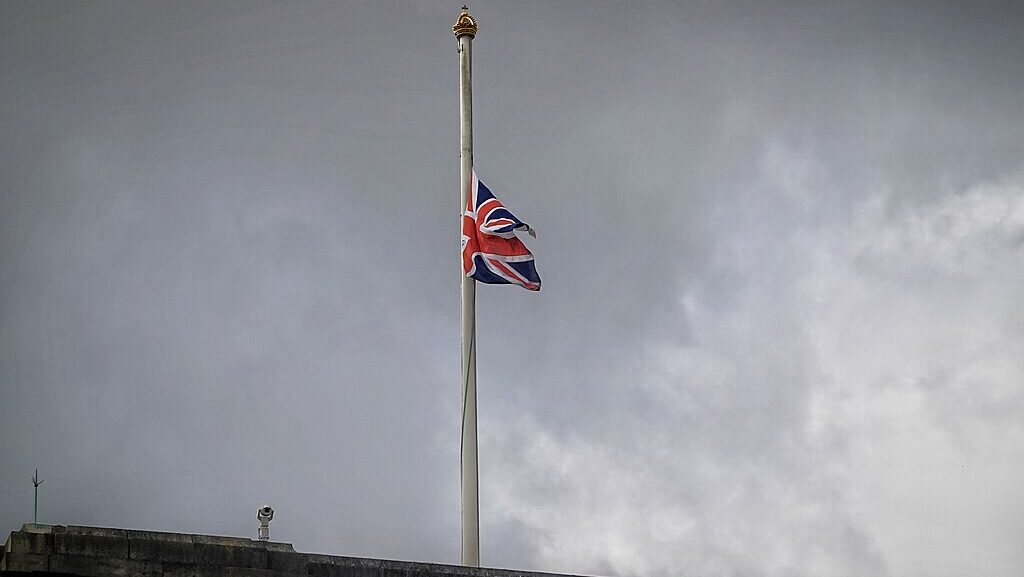
The more chaotic and corrupting and violent society becomes due to the government’s refusal to govern, the more justified the government deems itself in intensifying its totalitarian regulation of society.