
The Forgotten Conservatism: Why Chega is Not Right
“Chega is right-wing, but of a non-conservative type. … the bottom line is that we need a real conservative party in Portugal. There is none right now.”

“Chega is right-wing, but of a non-conservative type. … the bottom line is that we need a real conservative party in Portugal. There is none right now.”
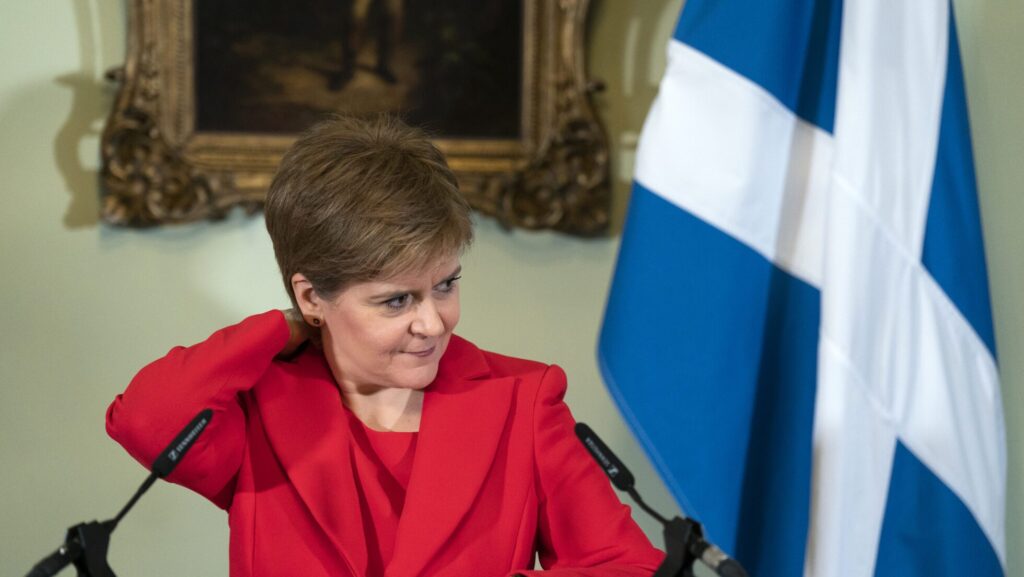
Sturgeon is not a Scottish nationalist but a Cultural Marxist, for which the tell-tale sign is an active contempt for traditional society, as expressed in the ‘three Fs’ of faith, flag, and family.
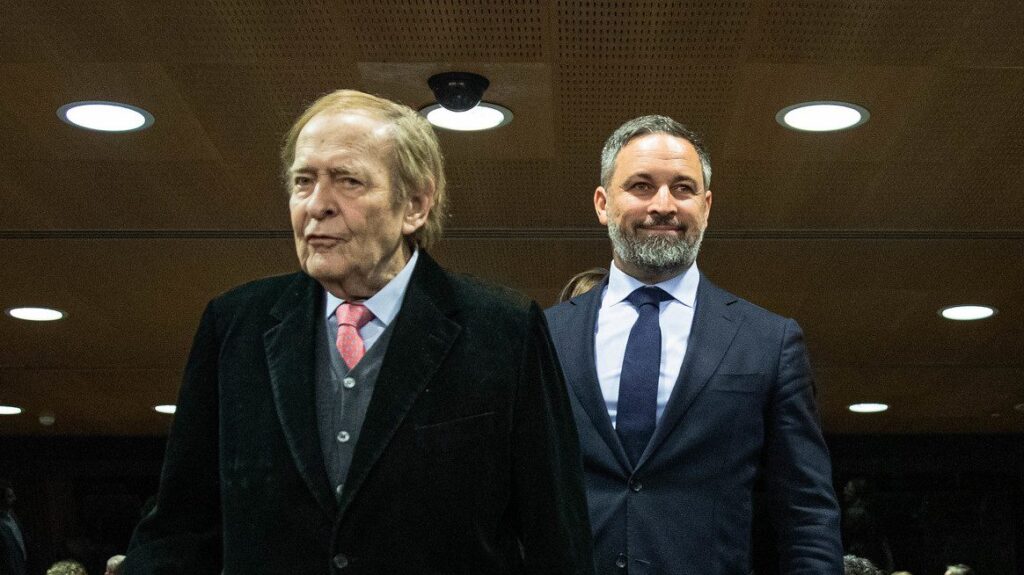
VOX’s no-confidence motion to oust PM Pedro Sánchez amounts to little more than a gimmick.
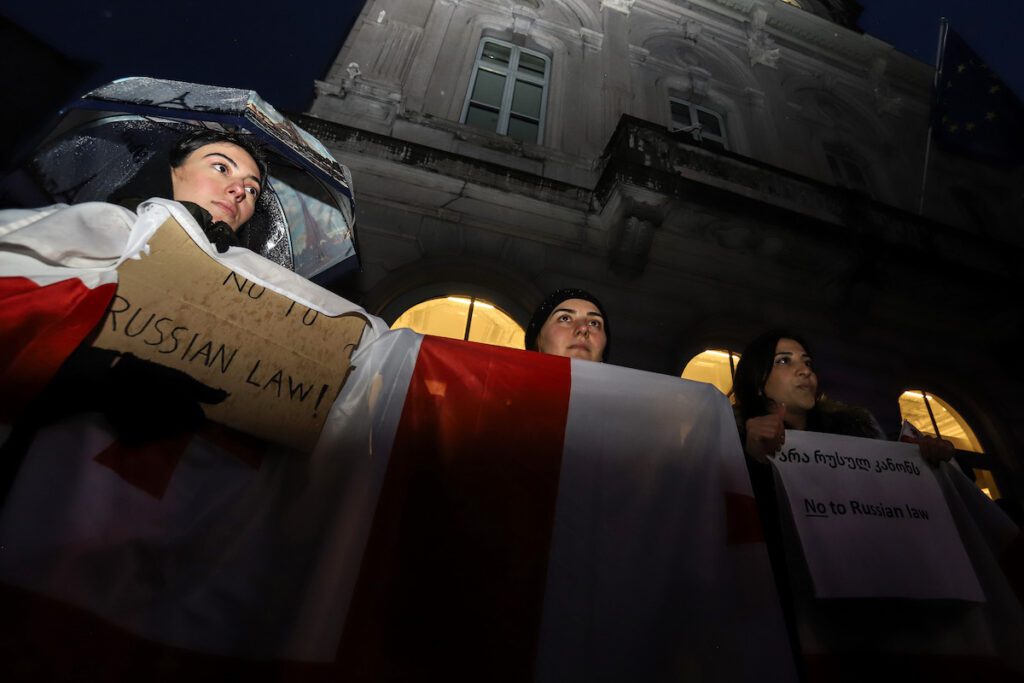
The U.S. won the battle in Georgia; the American government and globalist Western NGOs will continue to spend tens of billions of dollars each year interfering in Georgia and other nations.

Having spent most of my life under the impression that the patriarchy is a myth, I think I’m beginning to see the light.
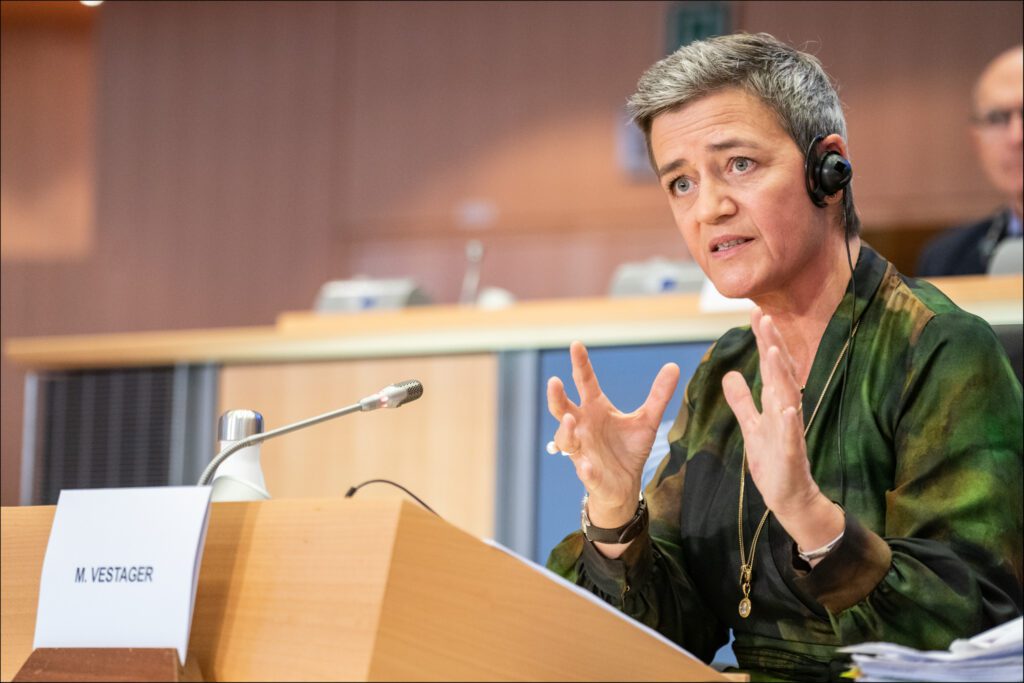
The EU is far from perfect, but there was a time when it at least supported a framework that guaranteed free and fair competition between member states. It is tragic to see the European Commission undermining this very thing.
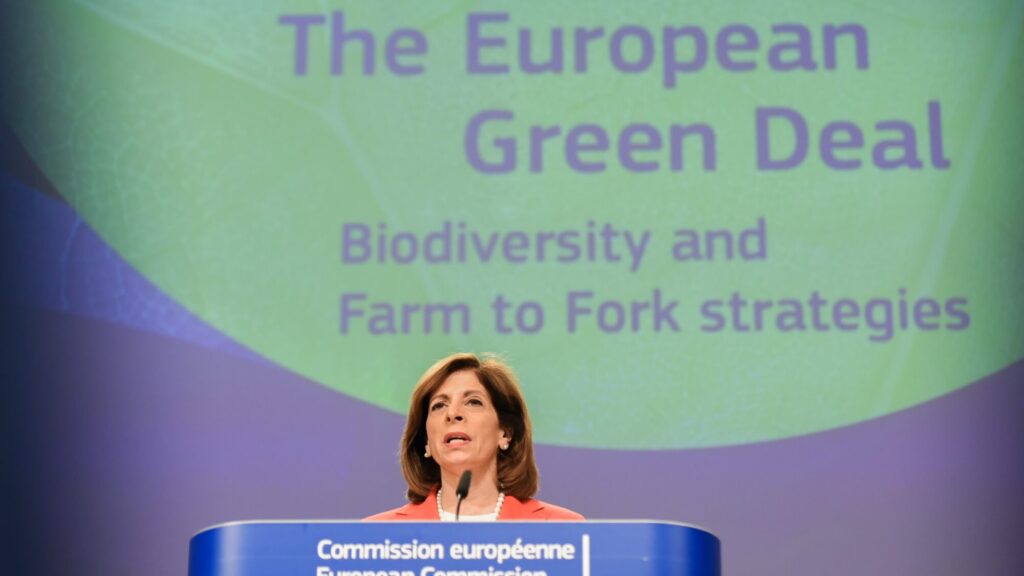
The EU’s Farm to Fork policy is not only facing strong opposition from agribusiness, but even the commissioner responsible for agriculture has expressed his reservations.
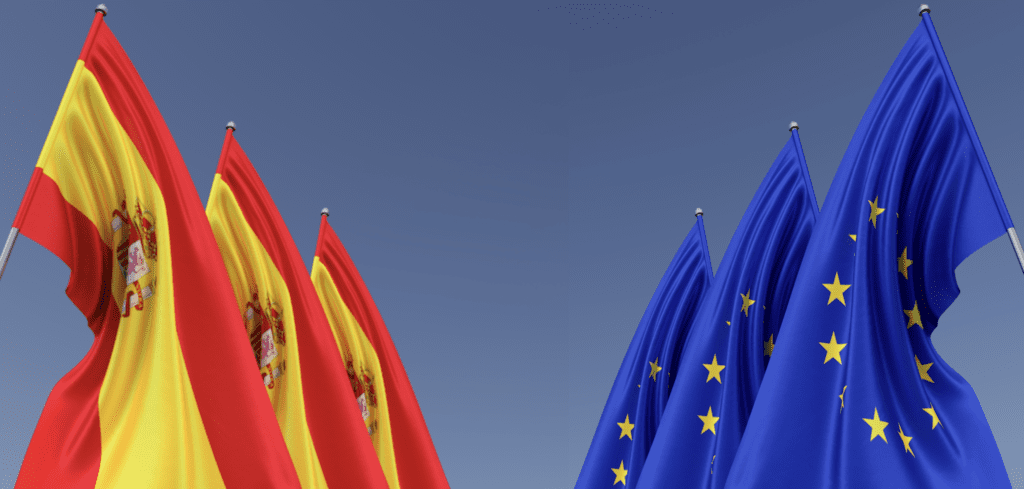
Spain’s upcoming turn at holding the EU Council Presidency is a high-stakes opportunity likely to be missed.

So long as there is something moving in the economy, socialists will always want to subject it to existing taxes. If they can’t do that, they will invent a new tax.
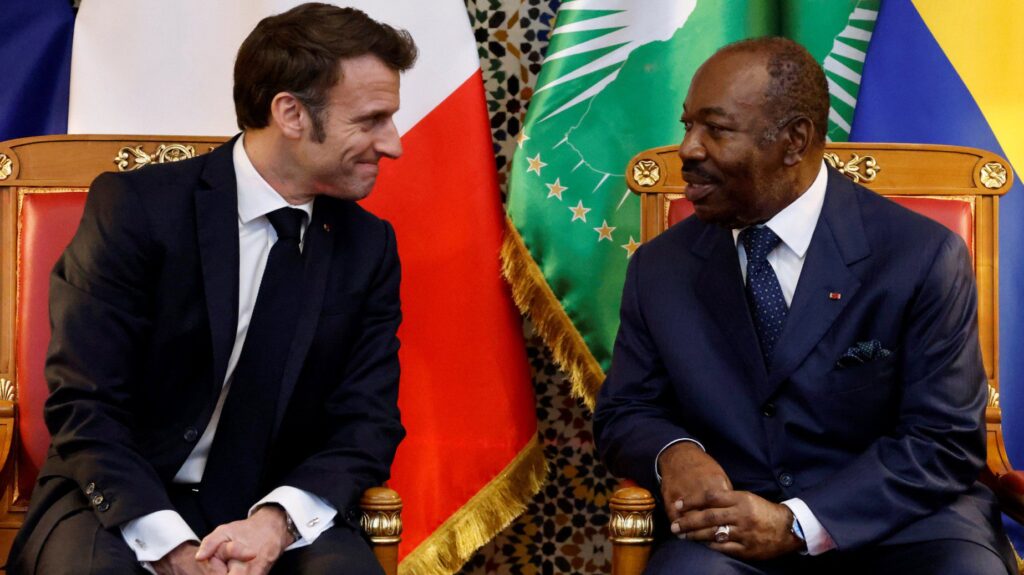
His mind clouded with arrogance, Macron was on display as tone deaf and diplomatically irresponsible during his African tour.
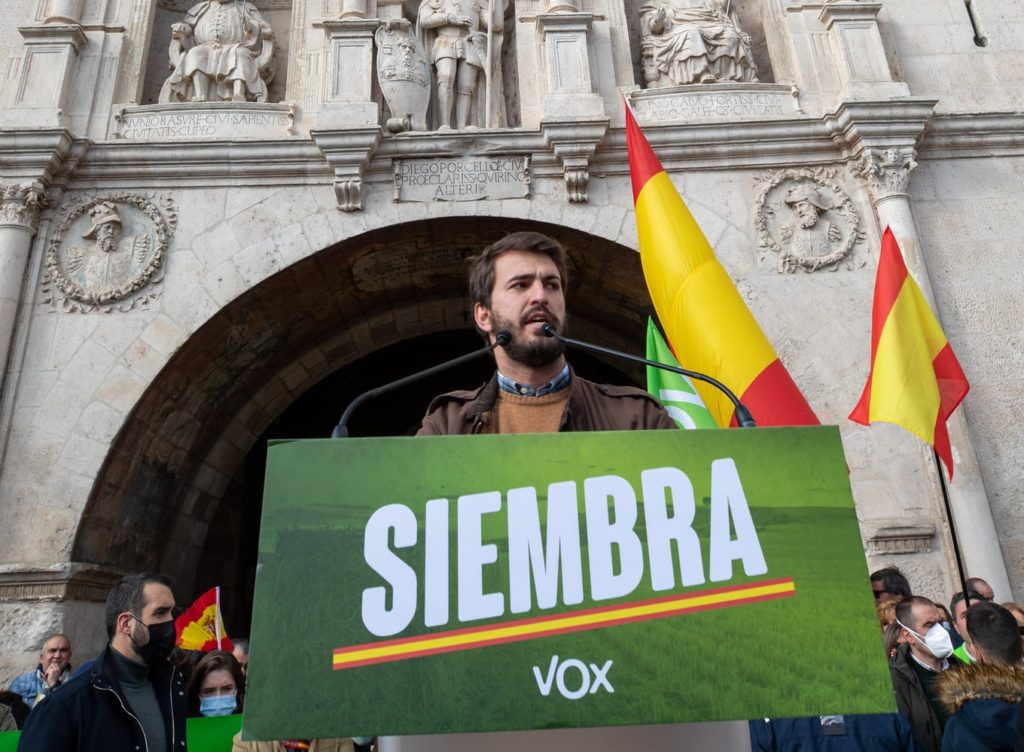
The purpose of the center-Right in Spain is to flank the Left’s agenda, but the regional elections in Castilla y Leon have revealed that its electorate is no longer willing to go along with this.

Protesting to assert our rights might give us a solution Achilles didn’t have when he contested Agamemnon’s authority. But we also lack something Achilles had—heroism—and so we find ourselves powerless.

“I am, under your criteria, considered to be anti-gender. Should I dis-activate myself, be eliminated from this hearing? I don’t think it seems to be very democratic in nature. Those who respect natural law are part of this society as well. We are pro-human dignity, pro-human beings, pro-human rights,” VOX MEP Margarita de la Pisa Carrión said at last week’s FEMM hearing.
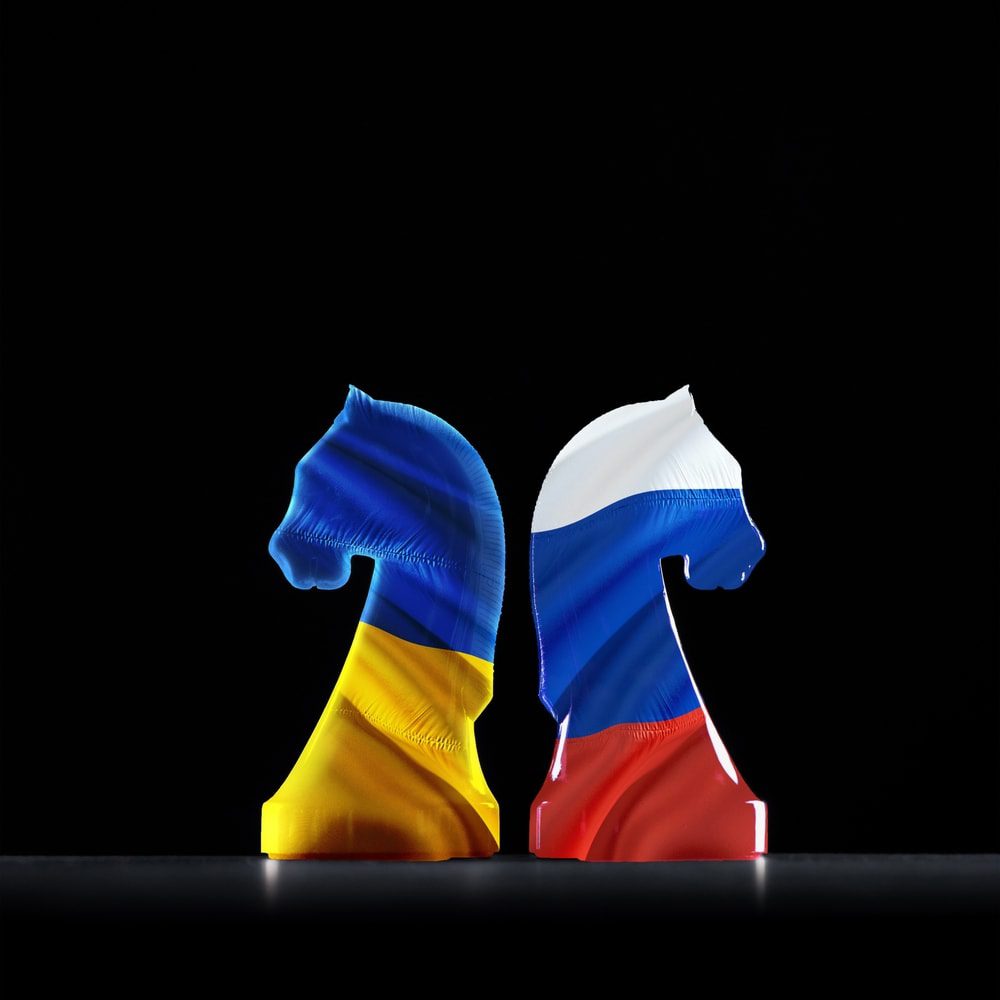
The meeting between Olaf Scholz and Vladimir Putin made it clear that the West is no longer in the position to make demands to other world powers. The time has come to look inwards and protect our own values, rather than try to export them.

The consulting firm of the 21st century could well be the new face of the Soviet control commission—a machine with fixed codes and pre-formatted processes designed to mask facts and the banality of postmodern sovereignty.

Populism is a term often used to criticize conservatives. But when we take a closer look, those who use it don’t bother to define it. In fact, a closer look suggests that the term has no meaning of its own. All it means is—democracy.

Italy, it seems, has for some time abandoned politics and sanity and given full power to non-elected technocrats and politicians. Giorgia Meloni offers a way back to normalcy.
These attacks on the rights of the unborn child are not isolated initiatives. They are well thought out and coordinated. A survey by the European Centre for Law and Justice reveals the existence of a real pro-abortion lobby within the European institutions.
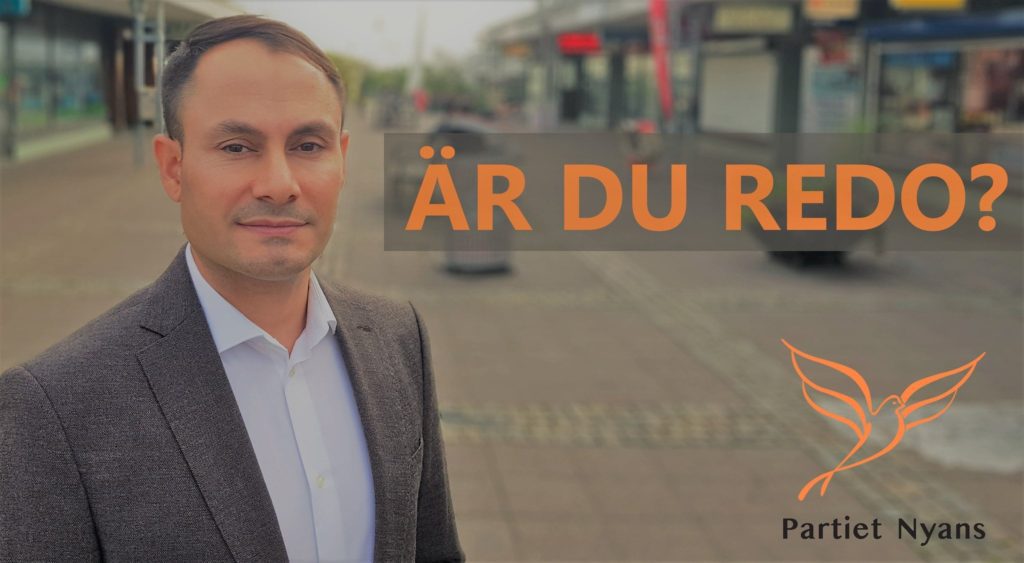
There is nothing dramatic per se about a new party in the Riksdag. What is unique about the new party Nyans emerging in the 2022 election cycle is that it springs from the Islamist environment in Sweden.

More than any other ideological current in the political landscape, libertarianism exhibits a phenomenal penchant for splinter-grouping. Today, they pitch a big tent shared by abortion advocates, drug legalizers, Rothbard-inspired anarcho-capitalists, and Ayn Rand objectivists.

I spent part of the Christmas Season in the American state where I spent most of my childhood: Vermont. Known
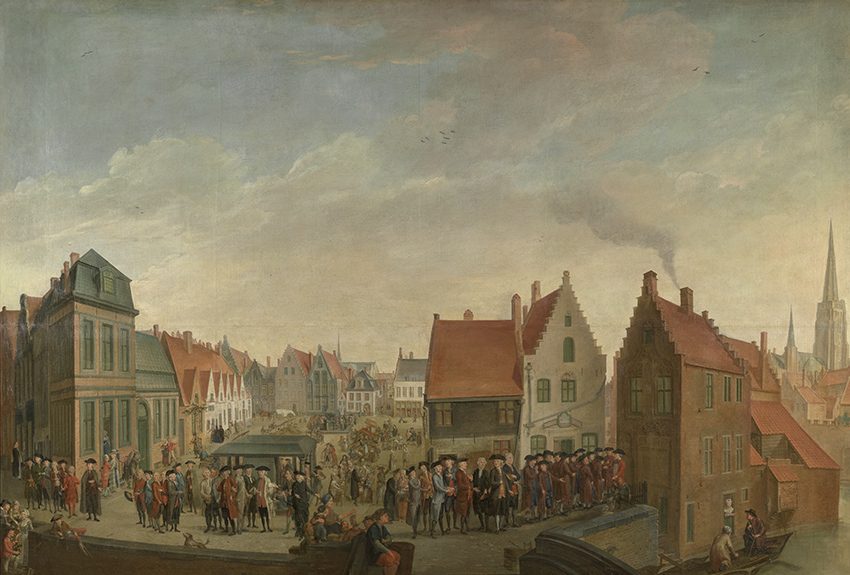
Whilst escape from the city for the sake of prayer and meditation is a recurring motif of Western literature, and one that plays an important role in the life of Jesus Christ, one of the great achievements of our civilisation has been that of sanctifying the city.