Hungary: Europe’s Pro-Family Leader
It is really very simple. You get what you incentivize, and with Viktor Orbán’s pro-family welfare policies in place, the Hungarian population is bound to see positive results.

It is really very simple. You get what you incentivize, and with Viktor Orbán’s pro-family welfare policies in place, the Hungarian population is bound to see positive results.

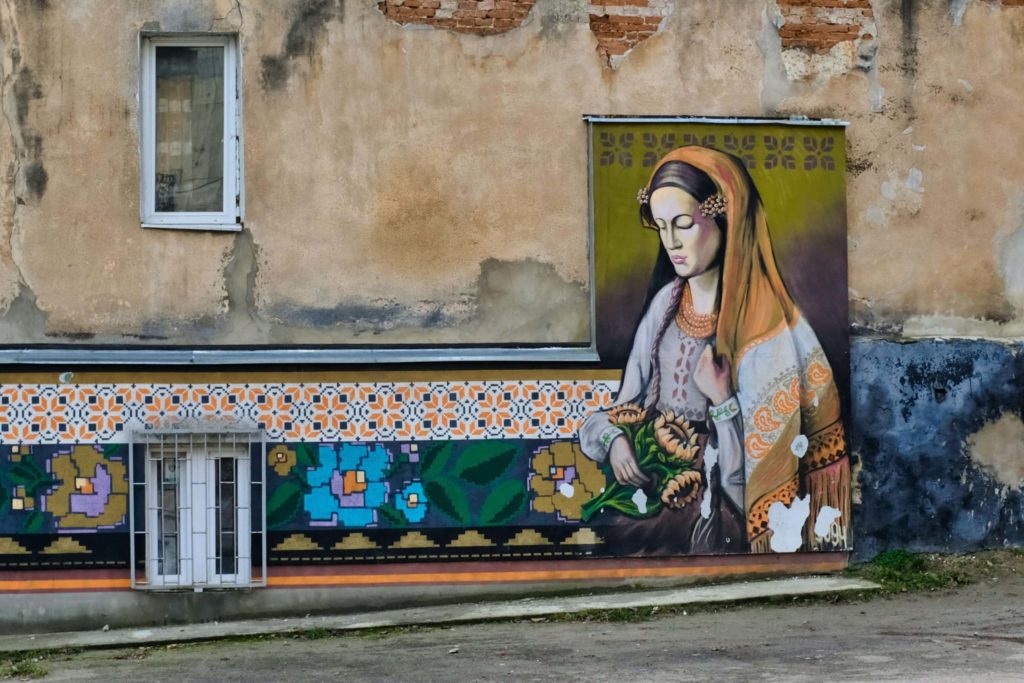
Known as the ‘Vienna of the East,’ Lviv continues to be a center of hope and symbol of resistance to the Russian offensive.

Tyranny can grow in the soil of freedom—all it takes is planting the wrong seeds.

“So what?” is not Sajid Javid’s usual refrain on the topic, particularly when he believes votes are up for grabs.

Failing to defend the right to speak freely helps to foster a culture in which people must self-censor, leading to a society that is radically changed for the worse.

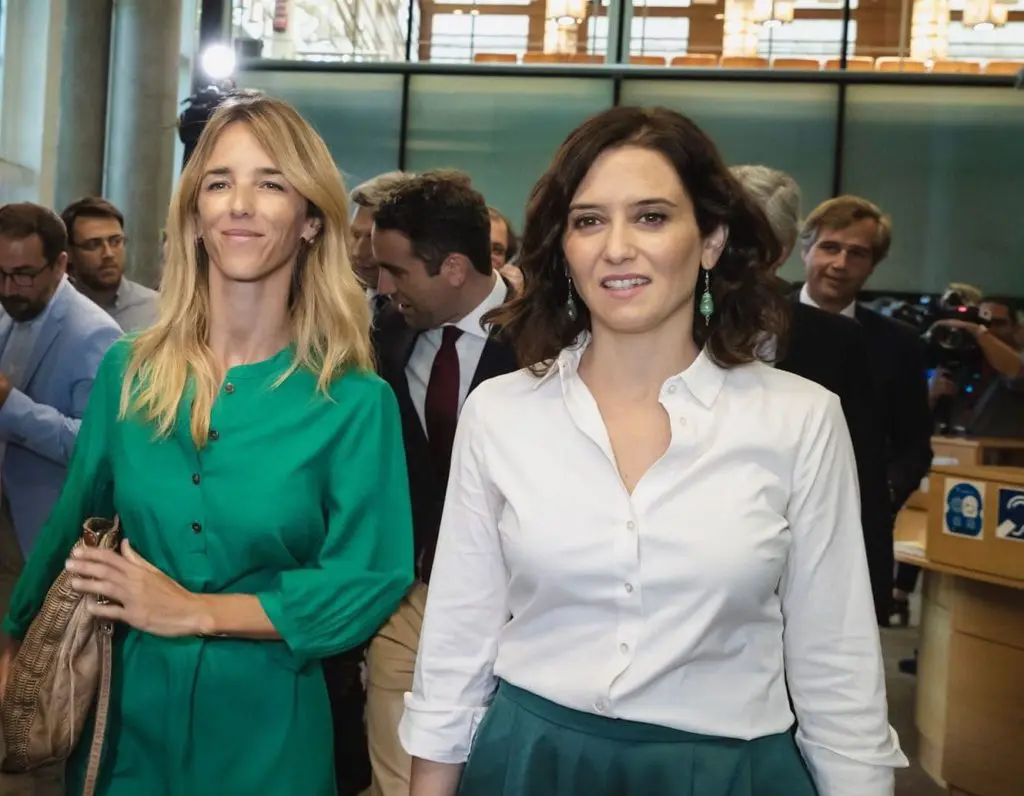
The Left-coalition government in Spain is, quite straightforwardly, abolishing democracy. We explore recent events to unpack this country’s dangerous trajectory.

The simple technique Iseman used was outlined in a white paper published in 2018 by the Harvard University Belfer research centre. The paper also sounded the alarm on just what Iseman did—DIY, unregulated attempts at geoengineering.

The Ukrainian government’s long-term plan was to pursue a policy of total Ukrainisation of the country. The context of war and the need to get into the good graces of its neighbours led Kyiv to reconsider. But for the Hungarian minority in Ukraine, it is not enough.

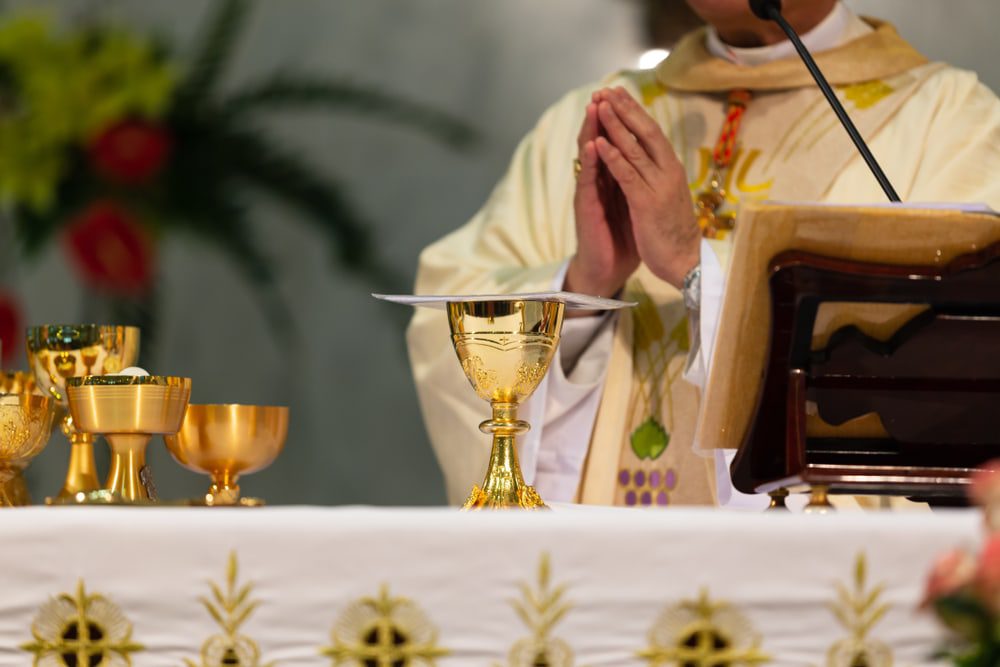
During the first days of the storm, the Vatican preferred to remain silent, a stance no longer possible since it seems clear that Fr. Rupnik has been protected in the highest places.

It may be just a few words in a book no one reads, but the fact that the purveyors of truth have capitulated to a lie that would not fool a toddler, should terrify any logical thinker.
In terms of ecology, conservatism is far from a nostalgic fixation. It can feed a profoundly human ecology, testify to a deep love of life, and help develop lasting attachments to a life shaped by the constant search for perfection and harmony.
The ‘classical liberal’ emphasis on negative freedoms tends to appeal to older conservatives, perhaps because they assume that what they grew up with was the spontaneous, neutral state of things, ever ready to mushroom forth again, just as soon as things return to normal. Yet sometimes, finding one’s home means building it, and that might take a village.
As a sovereign country, Ukraine is in its full right to make whatever constitutional reforms it sees fit. Their right to independence is as strong as is Russia’s right to national security. If one is weighed against the other, national sovereignty always wins.
The European Commission’s promotional material makes ‘Next Generation EU’ comes across as oddly remote from the task of actually facilitating Europe’s next generation. Nor is it meant for a specialized audience, as it lacks any reference to how one might actually procure the product being advertised—namely, funding.
We rarely learn from history; but we persistently repeat it.
The critiques of postliberals are all useful correctives in this regard. Nonetheless, conservative scholars—and perhaps even more so conservative politicians—must beware the potential perils of embracing postliberalism as a term and concept.
A reformed Ukraine could be the most dangerous development imaginable for those in Moscow who would like to keep things the way they are.
The terrible incident of the Notre Dame fire should have been the occasion to renovate a church so damaged by the ravages of time, to make it even more beautiful. Instead, the sorcerer’s apprentices in charge of its destiny have preferred to indulge in their dreams of experimentation, as if a centuries-old cathedral were a creative laboratory subsidized by the Ministry of Culture.
Having managed the country with the sole aim of keeping her ‘clientelist’ system in power for as long as possible, Angela Merkel is disappearing from the political scene—just as the first cracks in the German ‘ship of state’ are beginning to show.
If the EC and ECJ are to have general power of competence, then the EU becomes not about the pooling of sovereignty but about the removal of sovereignty of the member states.
Bullying a part of the population into undergoing a certain medical procedure is a poor precedent, given the dystopian applications of the instrument that one can imagine.
Like any great performer, Boris knows his audience. So when, last month, it came to his first in-person speech at a Tory Party conference as leader—it is not surprising that we heard little about the challenges facing the UK. Instead, we were left smiling at jokes about lockdowns accounting for the fall in reported crime or, better still, about the return of beavers to the British countryside—“Build back beavers”—and enough alliteration to keep a poet happy for months. Here was Boris promising nothing except that it would all be alright.