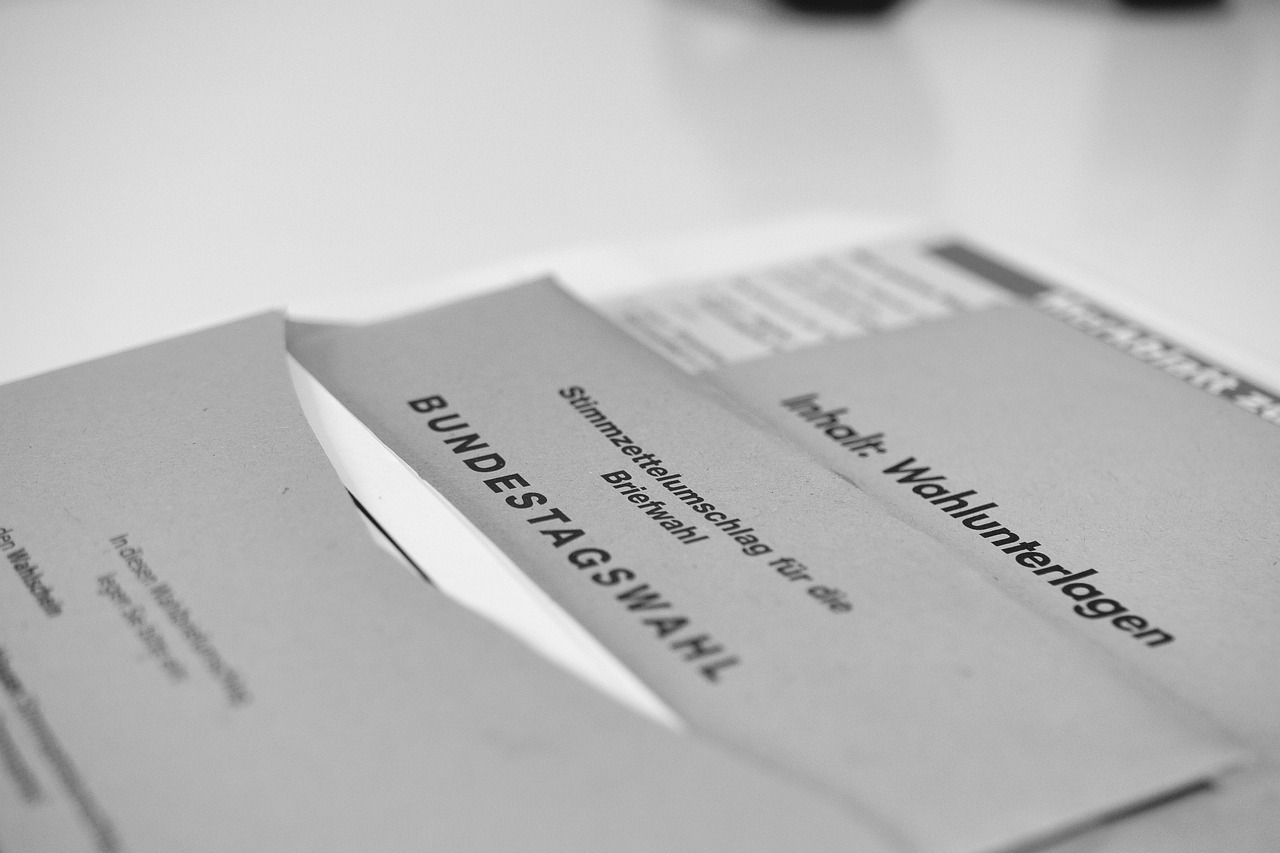
Germany’s Left Party is calling for a major expansion of voting rights that would allow long-term foreign residents to participate in elections. The change would apply after five years of legal residence, regardless of nationality.
The proposal, submitted to the Bundestag, also urges cooperation between federal and state authorities to extend similar rights to regional and local elections.
The party argues that Germany faces a ‘democratic deficit,’ as millions of people who live, work, and pay taxes in the country remain excluded from political participation. According to figures cited in the proposal, around 14 million foreign nationals currently live in Germany, including roughly five million European Union citizens. Many have resided in the country for years, with the average length of stay estimated at around 15 years, yet still lack voting rights in most elections.
The initiative is led by lawmakers including Ferat Koçak and has been signed by group leaders Heidi Reichinnek and Sören Pellmann.
The proposal also revisits past legal debates, noting that Germany’s Federal Constitutional Court previously ruled against voting rights for foreigners in 1990. However, the party argues that legal interpretations should be reconsidered in light of social and demographic changes, including earlier reforms that granted EU citizens the right to vote in local elections.
The Left further argues that political participation should not depend on income or citizenship status.
Last year, an official post-election study in Germany found that the country’s Muslim population tends to strongly support left-leaning parties, particularly the far-left Die Linke and the centre-left SPD. The report links this preference mainly to their positions on immigration and their stance on the Israel-Palestine conflict.
According to the analysis, if only Muslim voters had taken part in the federal election, left-wing parties would have received close to 70% of the vote. The findings suggest that voting and demographic trends could pose growing challenges for right-of-centre parties if current patterns continue over time.