Rival demonstrations in London on Saturday, May 16th drew tens of thousands of people and triggered one of the largest policing operations in the British capital in recent years.
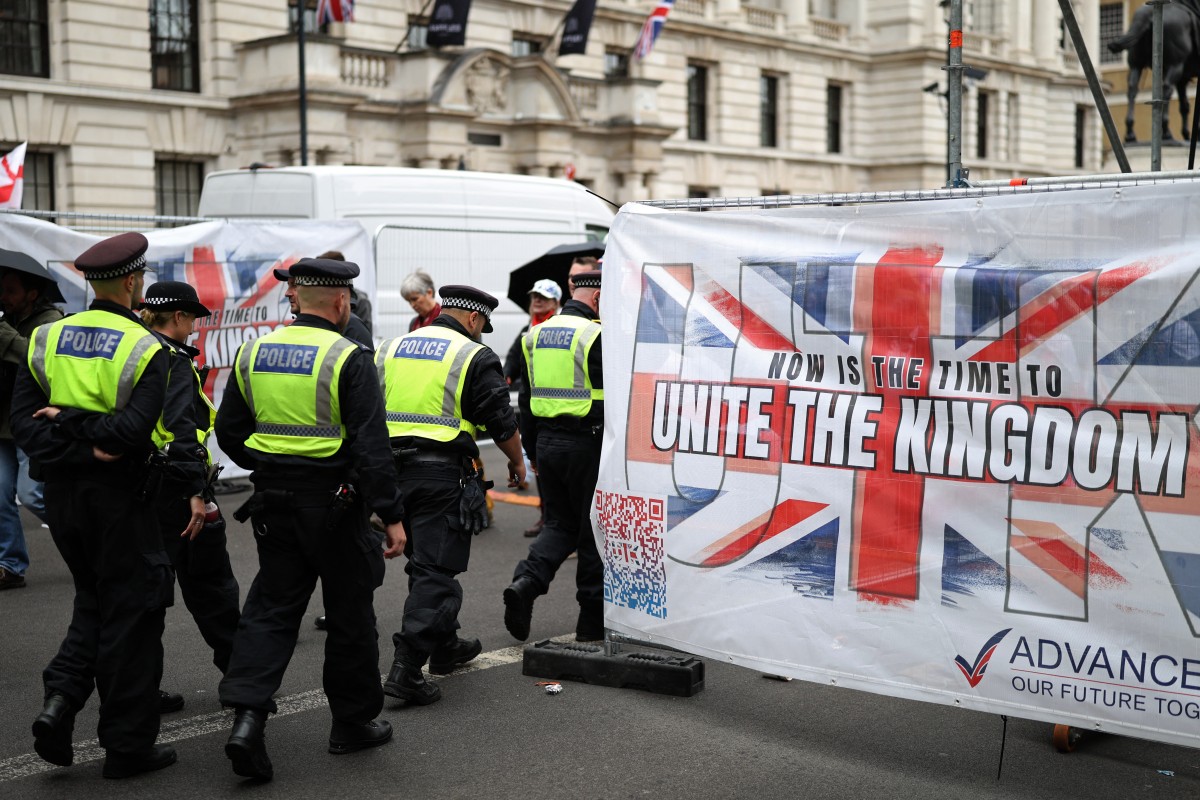
Authorities deployed around 4,000 officers, drones, helicopters, mounted police, and facial recognition technology to prevent clashes between the opposing groups.
Separate groups of protestors converged on the capital. One route was taken in the build-up to a “Unite the Kingdom” rally, organised around the activist Tommy Robinson (born Stephen Yaxley-Lennon).
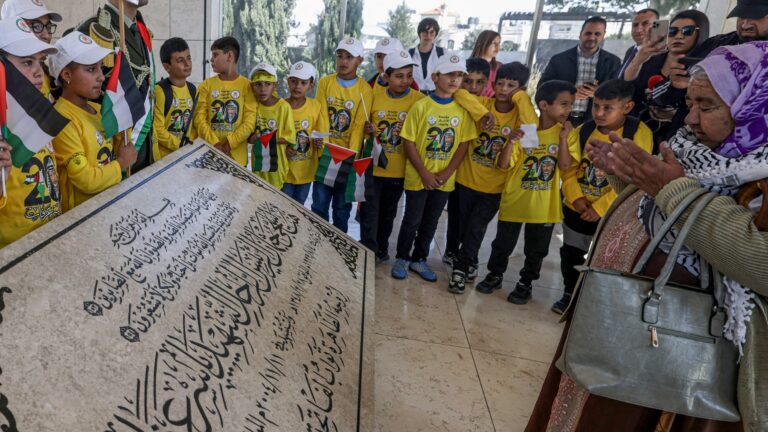
The separate annual pro-Palestinian Nakba Day march commemorating the displacement of Palestinians in 1948 also went ahead, in line with the pattern of weekly ‘pro-Palestine’ marches in the capital that began in the immediate aftermath of the Hamas-led October 7 pogrom in Israel.
Attendees at the Robinson event travelled from across the country, with some wearing “Make England Great Again” hats, or carrying wooden crosses and chanting “Christ is King.” British authorities had earlier banned at least 11 foreign right-wing speakers from entering the country ahead of the demonstrations.
Police said the rival events had proceeded “largely without significant incident” despite fears of unrest, ultimately announcing a total of 43 arrests had been made by late afternoon for offences including racially and religiously aggravated incidents. Authorities also confirmed the use of live facial recognition systems around transport hubs for the first time during protests of this scale.
Prime Minister Keir Starmer warned ahead of the demonstrations that anyone seeking to “wreak havoc” on Britain’s streets would face “the full force of the law,” accusing organisers linked to Robinson’s rally of “peddling hatred and division.” Robinson promised a “battle of Britain” at the next general election, expected in 2029 at the latest.
One of London’s most extensive (and expensive) policing operations in recent years was further complicated by the presence of football’s F.A. Cup Final, also being staged in the capital on the same day.