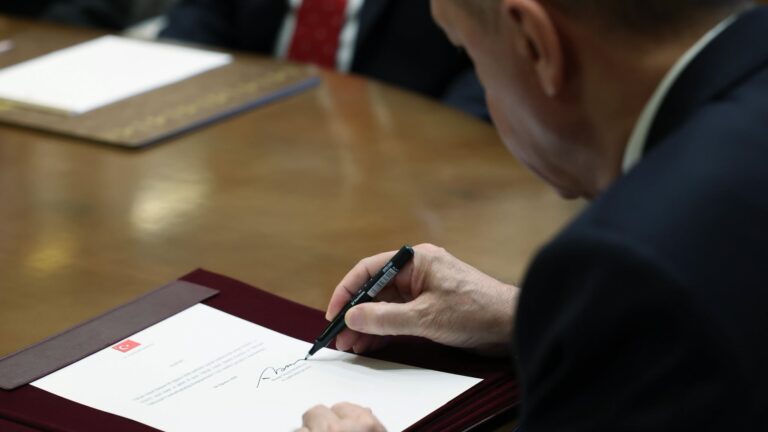
U.S. secretary of energy Chris Wright
U.S. Department of Energy, Public domain, via Wikimedia Commons
American allies in the Arabian Gulf heard reassurances on Wednesday, June 24th, that life on their doorstep is getting back to normal.
U.S. energy secretary Chris Wright was on a diplomatic tour in the region, highlighting how the volume of oil shipments passing through the Strait of Hormuz was approaching that routinely achieved before the war began on February 28th this year.
Wright estimates that at least 20 million barrels exited the strait in the previous 24 hours. He was backed by Secretary of State Marco Rubio, who addressed skeptical Gulf allies to explain the benefits of Washington’s Memorandum of Understanding with Tehran. Speaking in Bahrain, he restated his opposition to Iran controlling the Strait of Hormuz.
The reality of it is that no country on earth has the right to charge for the use of international waterways, and that will never be an acceptable condition of any deal.
It is clear that shipping is on the move through the Strait. United Nations’ data from the International Maritime Organisation shows that 57 ships carrying about 1,100 seafarers have transited the strait since Tuesday, June 23rd, under the evacuation plan.
Separately, Iran’s Islamic Revolutionary Guard Corps promoted its own official shipping routes at the expense of U.S. ones. It was responding to its ‘frenemy’ Oman also announcing temporary shipping lanes, in cooperation with the U.N.
UPDATE: Wright’s reassurances broadly coincided with a drop in the price of Brent crude. READ ON.