The European Union has reached an agreement on the long-anticipated new migration law that will significantly expand the bloc’s powers to deport migrants who have no legal right to remain in Europe.
The Return Regulation, agreed upon Monday, June 1st by EU member states and the European Parliament, is being described by policymakers as a cornerstone of the EU’s efforts to crack down on illegal migration and increase the number of successful returns.
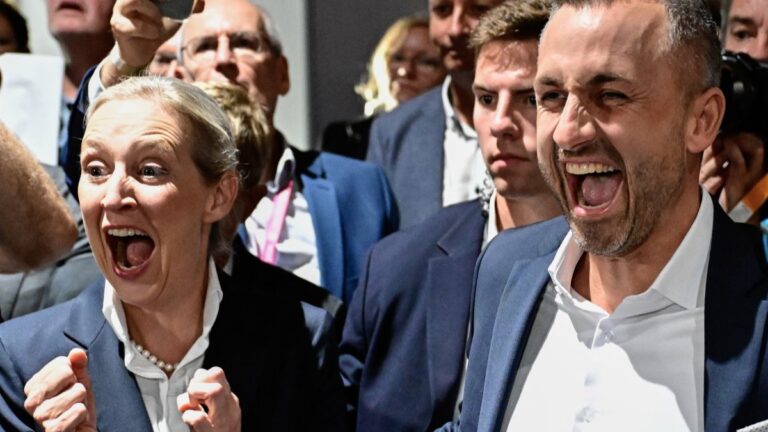
The Patriots for Europe EP group welcomed the agreement, saying the deal was concluded as a result “of the pressure the Patriots brought to bear in these negotiations,” stressing that “This agreement reinforces the sovereignty of national governments.”
‼️ Patriots welcome the new EU Return Regulation. A step towards finally taking back control over returns.
— Patriots for Europe (@PatriotsEP) June 1, 2026
Read our press release. pic.twitter.com/9pxytk7p4E
“We’ve just concluded the final negotiations on the Return Regulation–and we have a deal. We now have longer detention, real entry bans, and return hubs in third countries. The era of deportations has begun,” wrote Swedish MEP Charlie Weimers on X.
According to official figures, only 29% of migrants ordered to leave the European Union currently do so. EU officials argue that the new regulation is necessary to restore control over migration policies and improve the effectiveness of deportation procedures.
One of the most significant elements of the legislation is the creation of so-called return hubs outside the European Union. Under the new rules, member states will be able to establish deportation centers in non-EU countries through agreements with third nations.
This is a significant step as, currently, immigrants who await deportation are housed within EU countries, in most cases inside the Schengen area, allowing them to wander across Europe avoiding deportation and police inspections.
“FINALLY! The EU has woken up. After years of open borders, chaos and crime, Brussels just approved “RETURN HUBS” in third countries to deport rejected migrants,” wrote political commentator Mario Nawfal on X.
In his post Nawfal endorsed the policies of Hungarian ex-prime minister Viktor Orbán, saying: “The illegal migration party is over. Europe is starting to defend itself,” adding
Orbán was right all along. They called him a racist and isolated him. Now the entire EU is copying what his gov. warned about from day one. No one listened … and now they’re paying the price.
Additional provisions of the law include substantially longer detention periods for migrants awaiting removal. The maximum detention period would increase from six months to two years, with a possible six-month extension. Individuals deemed to pose a security risk could face detention for an unlimited period.
Entry bans would also become more severe. In most cases, bans would increase from five years to ten years, while those classified as security threats could face lifetime bans from entering the European Union.